
 Save
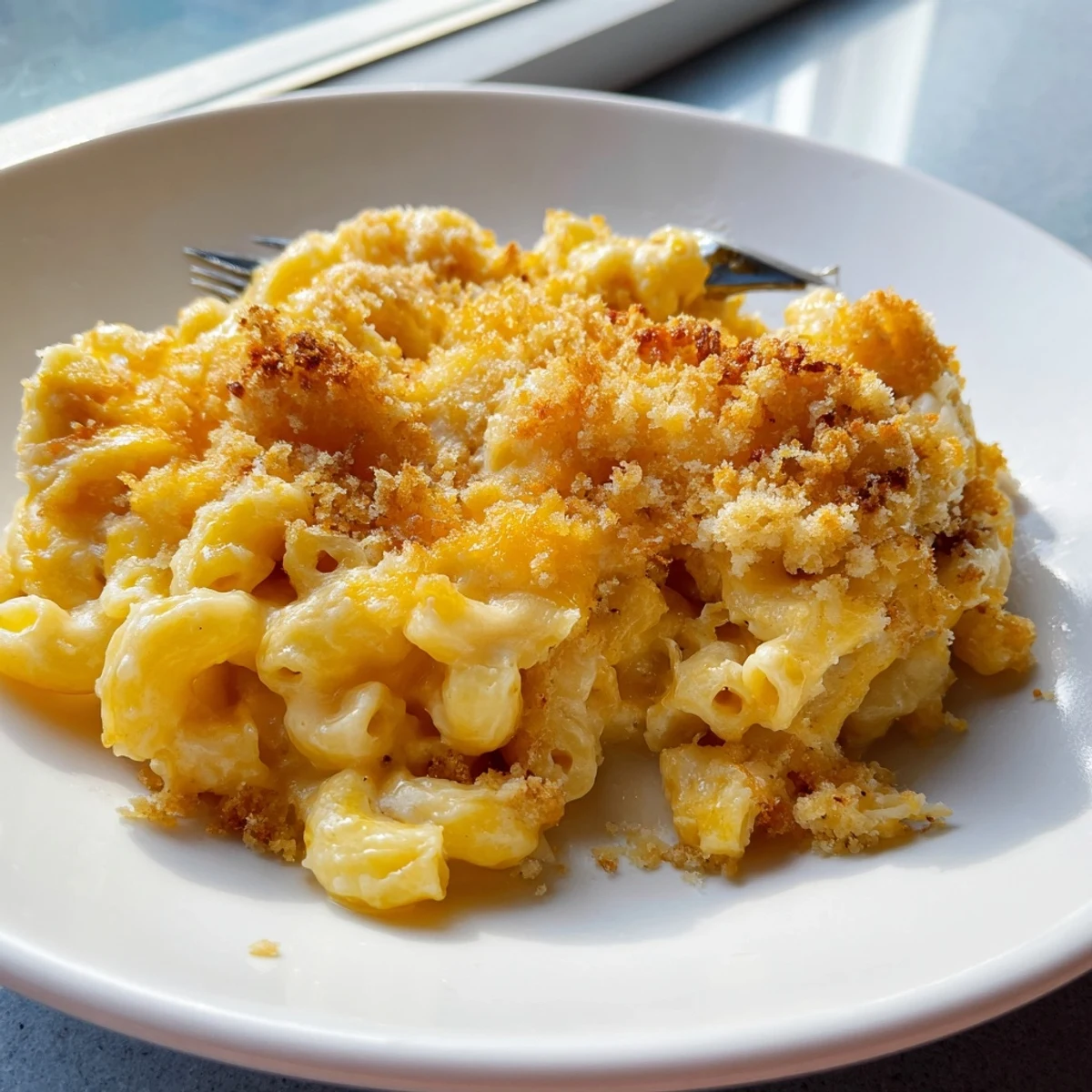
Save This classic American comfort dish combines tender macaroni pasta with a velvety cheese sauce made from mature cheddar and Gruyère. The sauce starts with a traditional butter and flour roux, gradually whisked with whole milk until thick and smooth.
Once the cheeses melt into the sauce, the coated pasta is transferred to a baking dish, topped with a crunchy breadcrumb and cheese mixture, and baked until golden and bubbly. Ready in just 45 minutes, it serves four and pairs beautifully with a simple green salad.
There is something about a pot of macaroni cheese bubbling in the oven on a rainy Tuesday that makes the whole house feel like it is looking after you. My sister used to make it from a box and swear it was gourmet, and honestly, we believed her until we were about twenty. The real thing, with a proper roux and two kinds of melting cheese, is a different animal entirely. It takes barely any effort but rewards you like a project you slaved over for hours.
I cooked this for a flat warming party once and stood by the oven door watching the cheese sauce settle into every curve of the macaroni while people argued about furniture placement in the other room. Nobody remembered where the bookshelf went, but everyone remembered dinner.
Ingredients
- 300 g macaroni pasta: Use proper elbow macaroni if you can find it, the shape holds sauce in its curve better than spirals or tubes.
- 2 tablespoons unsalted butter: This forms the base of your roux, so use real butter here, nothing else gives the same nutty depth.
- 2 tablespoons all purpose flour: Standard flour works perfectly, just make sure you cook it briefly to remove the raw taste before adding liquid.
- 500 ml whole milk: Full fat milk is non negotiable for a velvety sauce, skimmed milk will leave you with something thin and sad.
- 150 g mature cheddar cheese, grated: Grate it yourself from a block, pre grated cheese is coated in anticaking powder that makes the sauce grainy.
- 50 g Gruyere cheese, grated: This is the secret ingredient, it melts like a dream and adds a slightly sweet, nutty note that cheddar alone cannot manage.
- Half teaspoon Dijon mustard: It does not make the dish taste like mustard, it simply sharpens the cheese flavour in a way that makes people ask what your secret is.
- Salt and black pepper: Season the sauce generously at the end, cheese is salty but the pasta needs help too.
- 30 g breadcrumbs: Fresh sourdough breadcrumbs toasted in butter are ideal, but shop bought work fine when you are in a hurry.
- 30 g grated cheddar for topping: Extra cheese on top is never a mistake, it melts into the breadcrumbs and forms little crispy patches.
- 1 tablespoon melted butter, optional: Tossing the breadcrumbs in butter before sprinkling them on guarantees a properly golden crust.
Instructions
- Prepare your oven and dish:
- Preheat the oven to 200 degrees Celsius, or 400 Fahrenheit, and rub a generous knob of butter around a medium baking dish until every corner glistens.
- Cook the macaroni:
- Bring a large pot of well salted water to a rolling boil and cook the macaroni according to the package until just al dente, it will cook again in the oven so you want it slightly firm. Drain in a colander and give it a gentle shake.
- Build the roux:
- In a saucepan over medium heat, melt the butter until it foams and starts to quiet down, then sprinkle in the flour and whisk constantly for one to two minutes until it smells biscuity and turns a pale straw colour.
- Add the milk gradually:
- Pour the milk in slowly, about a quarter cup at a time, whisking energetically after each addition to prevent lumps from forming. Keep stirring until the sauce thickens enough to coat the back of a spoon, which takes about three to five minutes.
- Melt in the cheese:
- Take the pan off the heat completely and stir in both cheeses plus the Dijon mustard, letting the residual warmth melt everything into a glossy, thick sauce. Taste it now and add salt and pepper until it sings.
- Combine pasta and sauce:
- Tip the drained macaroni into the cheese sauce and fold gently until every piece is coated, then scrape the whole lot into your prepared baking dish, smoothing the top with a spoon.
- Make the topping:
- In a small bowl, toss the breadcrumbs with the remaining grated cheddar and the melted butter if you are using it, then scatter this mixture evenly across the surface of the pasta.
- Bake until golden:
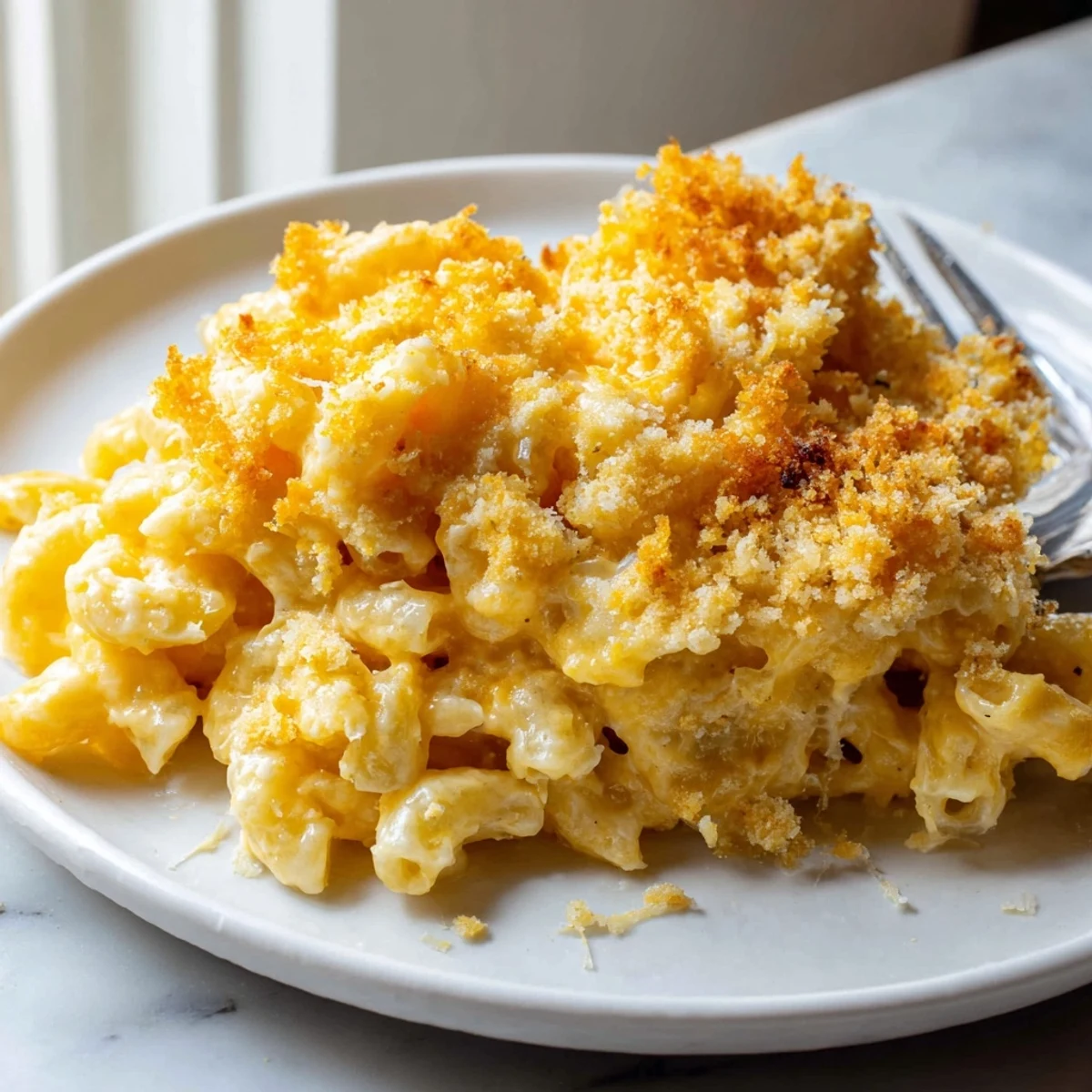
- Slide the dish into the oven and bake for fifteen to twenty minutes, until the top is deeply golden and the sauce is bubbling up around the edges in the most tempting way.
- Rest before serving:
- Pull it from the oven and let it sit for five minutes, which feels agonising but lets the sauce settle so it clings to the pasta rather than pooling on the plate.
 Save
Save There was a winter when I made this every single Sunday, not out of habit but because the act of stirring cheese sauce slowly while the radio played felt like the only calm hour in an otherwise chaotic week.
Choosing Your Cheese Blend
Mature cheddar carries the dish with its sharp tang, but swapping half of it for Monterey Jack makes the sauce stretchier, or try a handful of crumbled blue cheese if you want something bolder. The key is that at least one cheese in your mix should be a good melter, otherwise the sauce turns grainy instead of smooth. Gruyere is my default pairing because it behaves beautifully and adds complexity without stealing the show.
Serving Suggestions That Work
A bowl of this on its own is a complete meal, but a sharp green salad with a lemon vinaigrette cuts through the richness in exactly the right way. Roasted broccoli or charred sprouts work beautifully alongside it too, something with a bit of char to contrast all that creaminess. A chilled glass of Chardonnay beside the plate does not hurt matters either.
Storing and Reheating
Leftovers keep well in the fridge for up to three days, though the sauce thickens considerably as it sits and the topping loses its crunch. Reheat portions in a low oven covered loosely with foil to bring the creaminess back without drying out the pasta. A splash of milk stirred through before reheating works wonders for reviving the texture.
- Freeze individual portions wrapped tightly for up to one month, though the topping will not be as crisp after thawing.
- Never microwave it uncovered unless you enjoy scrubbing cheese cement off your microwave walls.
- Always let it cool completely before covering and refrigerating to avoid condensation making the topping soggy.
 Save
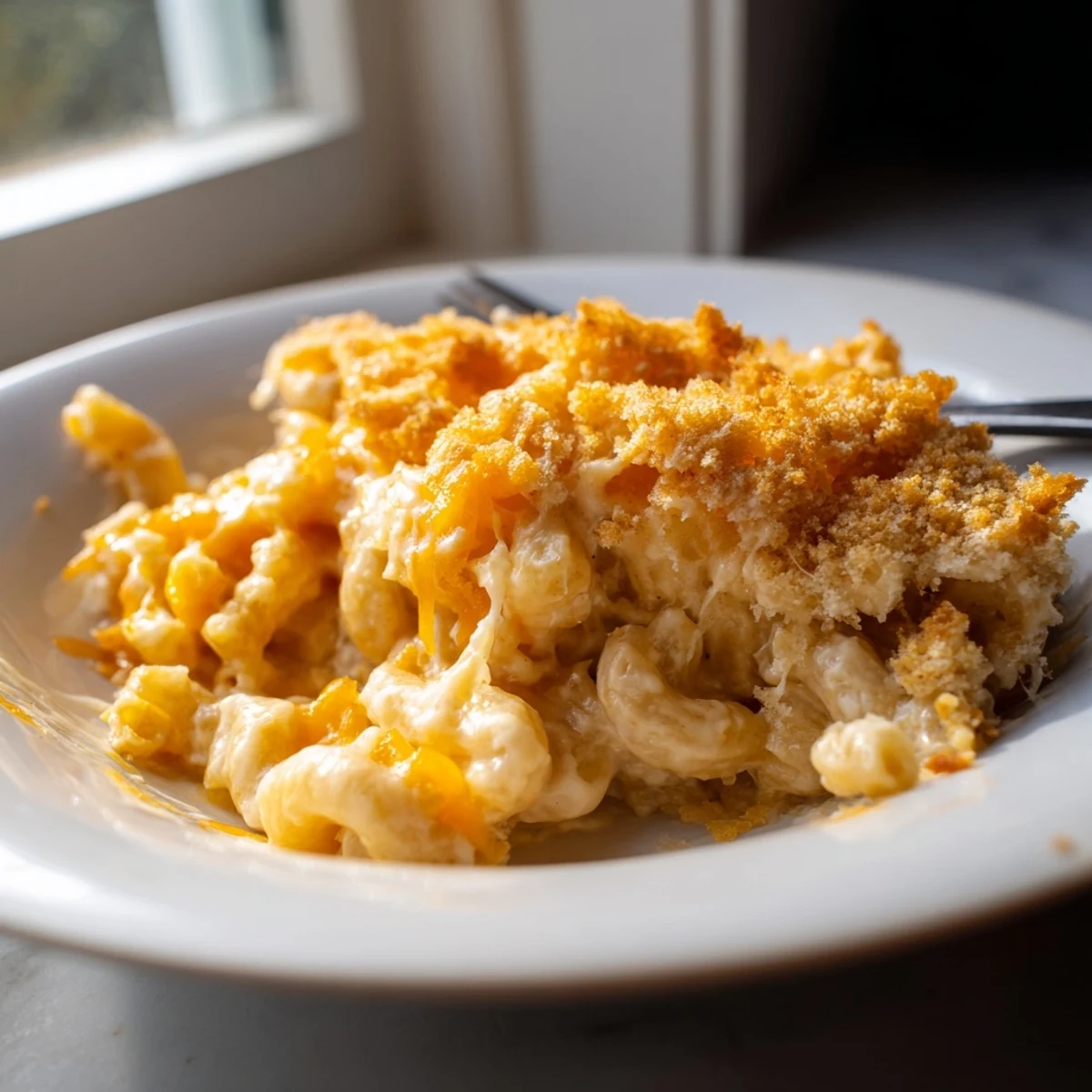
Save Some dishes are just food, but macaroni cheese is the edible version of someone putting a blanket around your shoulders. Make it once and it will follow you through every kitchen you ever cook in.
Questions & Answers
- → Can I use different cheeses for the sauce?
-
Yes, you can experiment with other good melting cheeses. Monterey Jack, mozzarella, or fontina all work well. Keep at least some cheddar for that classic sharp flavor.
- → How do I prevent the cheese sauce from becoming grainy?
-
Remove the sauce from heat before adding the cheese. Adding cheese over direct heat can cause the proteins to separate, resulting in a grainy texture. Stir until just melted and smooth.
- → Can I prepare this ahead of time?
-
You can assemble the dish up to a day in advance and refrigerate it unbaked. Add an extra 5 to 10 minutes to the baking time if cooking straight from the refrigerator.
- → What is the best way to reheat leftovers?
-
Cover with foil and reheat in a 180°C (350°F) oven for about 15 minutes. This helps maintain the creamy texture better than microwaving, which can dry out the pasta.
- → Why add Dijon mustard to the cheese sauce?
-
A small amount of Dijon mustard enhances the depth of flavor and brings out the sharpness of the cheddar. It does not make the dish taste like mustard but adds a subtle warmth and complexity.
- → Can I make this gluten-free?
-
Use gluten-free macaroni pasta and replace the all-purpose flour with a gluten-free flour blend or cornstarch to make the roux. Ensure your breadcrumbs are also gluten-free.