
 Save
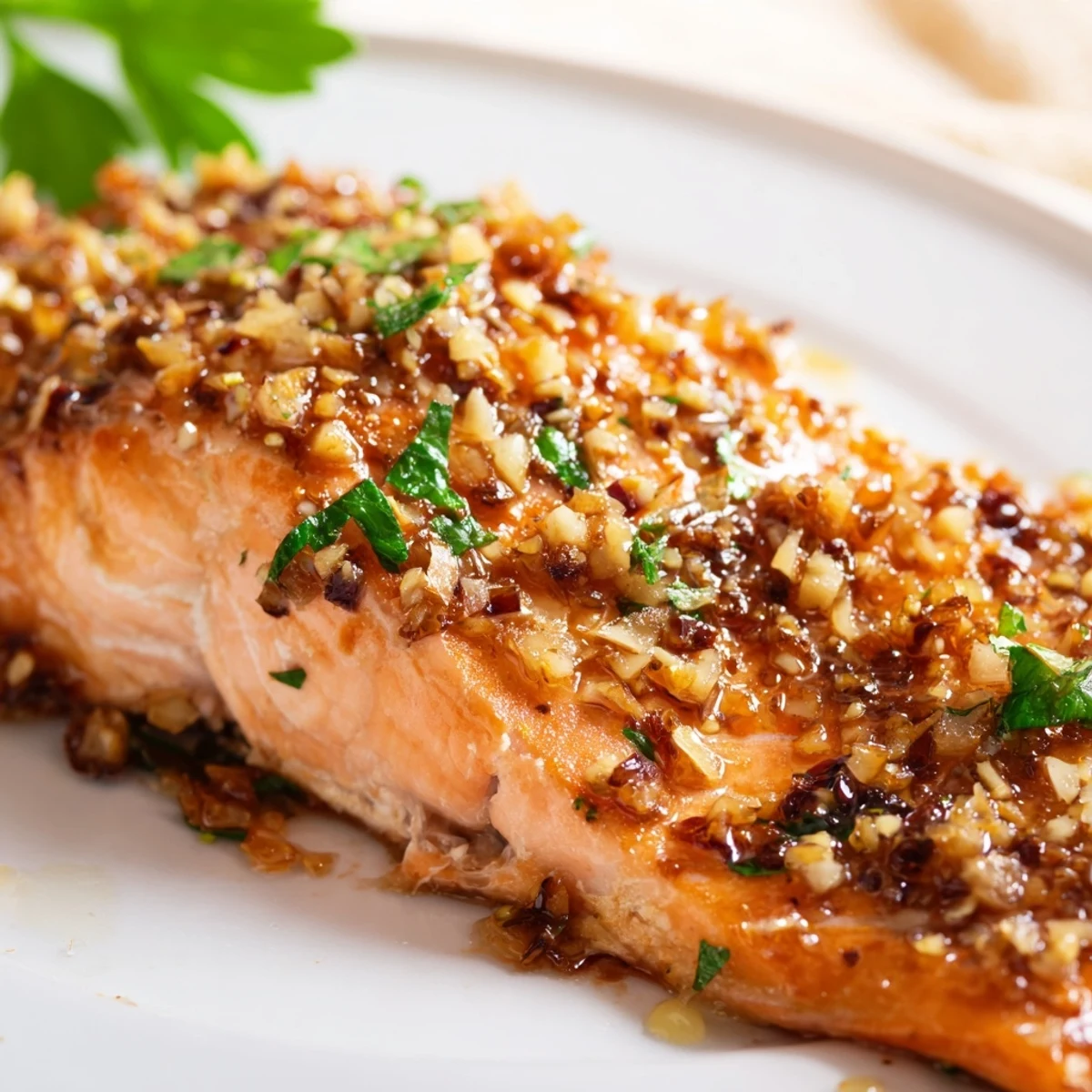
Save This dish features tender salmon fillets baked to perfection, coated in a sweet and savory honey garlic glaze. The glaze combines honey, soy sauce, lemon juice, garlic, olive oil, and a touch of Dijon mustard for a vibrant flavor. Baking seals in moisture while creating a delicate finish, with an optional broil for caramelization. Garnished with fresh parsley and lemon wedges, it’s simple to prepare and ideal for a quick, nourishing dinner.
There's something about the smell of salmon hitting a hot pan that still catches me off guard, even after all these years. My neighbor once came over with this exact glaze recipe scrawled on a sticky note, insisting it would change how I cook fish forever. I was skeptical at first—how could something so simple be anything special? But watching that honey and garlic caramelize under the broiler while the salmon stayed impossibly moist inside proved me wrong.
I made this for my dad last summer when he came to visit, and he actually put his phone down mid-meal—a rarity that speaks volumes. He kept asking what was different about my cooking, not realizing the real magic was just four cloves of garlic and the patience to let the glaze thicken properly. That quiet moment at the dinner table reminded me why I love cooking at all.
Ingredients
- Salmon fillets (4, about 6 oz each): The skin keeps everything from drying out, so I leave it on even though I used to peel it off years ago—learned that lesson the hard way.
- Honey: This isn't just sweetness; it's what carries the garlic flavor and creates that glossy, caramelized finish when it hits the heat.
- Soy sauce: The umami backbone that makes this glaze taste layered and savory, not just sticky-sweet like some honey glazes.
- Fresh lemon juice: Skip the bottled stuff—the brightness of fresh lemon cuts through the richness and keeps everything from feeling heavy.
- Minced garlic (4 cloves): Raw garlic can taste harsh, so the heat mellows it into something almost sweet and complex.
- Olive oil: This helps the glaze coat evenly and prevents the honey from burning too quickly in the oven.
- Dijon mustard (1 teaspoon): A tiny amount adds depth and helps emulsify the glaze into something silky rather than separated and oily.
- Salt and pepper: Season the fish itself before the glaze goes on—these flavors need their own moment to settle into the salmon.
- Fresh parsley and lemon wedges: These aren't just garnish; they're the final reminder of brightness that makes every bite sing.
Instructions
- Get your oven ready:
- Preheat to 400°F and line your baking sheet with parchment paper—this prevents sticking and makes cleanup almost enjoyable. If you skip this step, you'll spend fifteen minutes scrubbing the pan afterward, which I've learned the hard way.
- Build the glaze:
- Whisk honey, soy sauce, lemon juice, minced garlic, olive oil, and Dijon mustard in a small bowl until it looks uniform and glossy. The texture should be thinner than ketchup but thicker than water—this balance is what lets it stick to the salmon without sliding right off.
- Prepare the salmon:
- Pat your fillets dry with paper towels—moisture is the enemy of browning, and you want that glaze to cling and caramelize. Arrange them on your baking sheet and season both sides generously with salt and pepper, letting these flavors settle for just a moment.
- First glaze coat:
- Spoon or brush half the glaze over the salmon fillets, covering them evenly but not drowning them. Reserve the other half for later; this two-coat method gives you more control over the final flavor and appearance.
- Bake until tender:
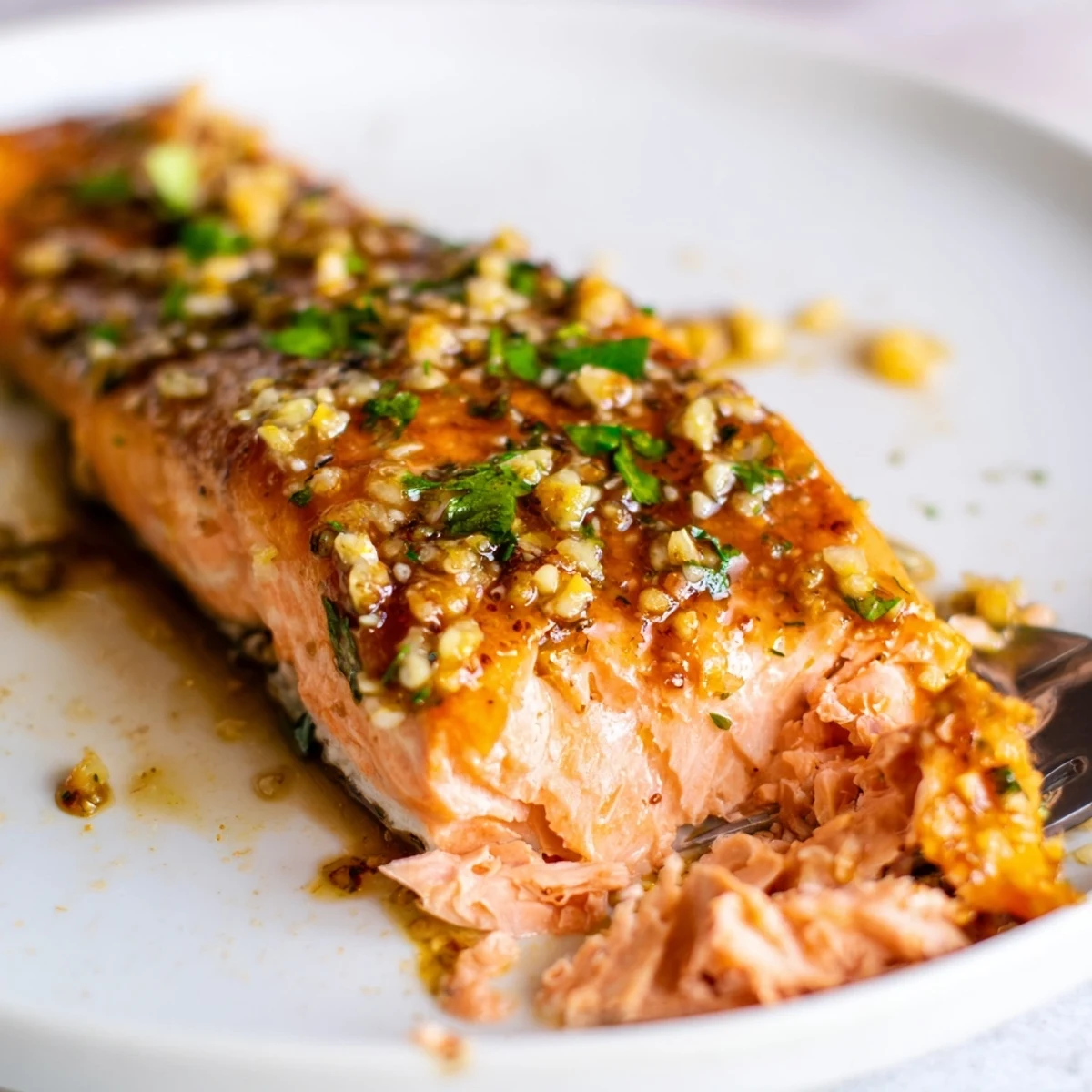
- Slide the sheet into the oven for 12 to 15 minutes, watching for the moment the fish flakes easily when you gently press it with a fork. The thickest part should be opaque but still have a slight shimmer inside—it continues cooking after you pull it out.
- Thicken the reserved glaze:
- While the salmon bakes, pour that remaining glaze into a small saucepan and bring it to a gentle simmer over medium heat, stirring often for 2 to 3 minutes. You'll notice it becoming slightly thicker and deeper in color—this is the moment it transforms from raw to refined.
- Final coat and garnish:
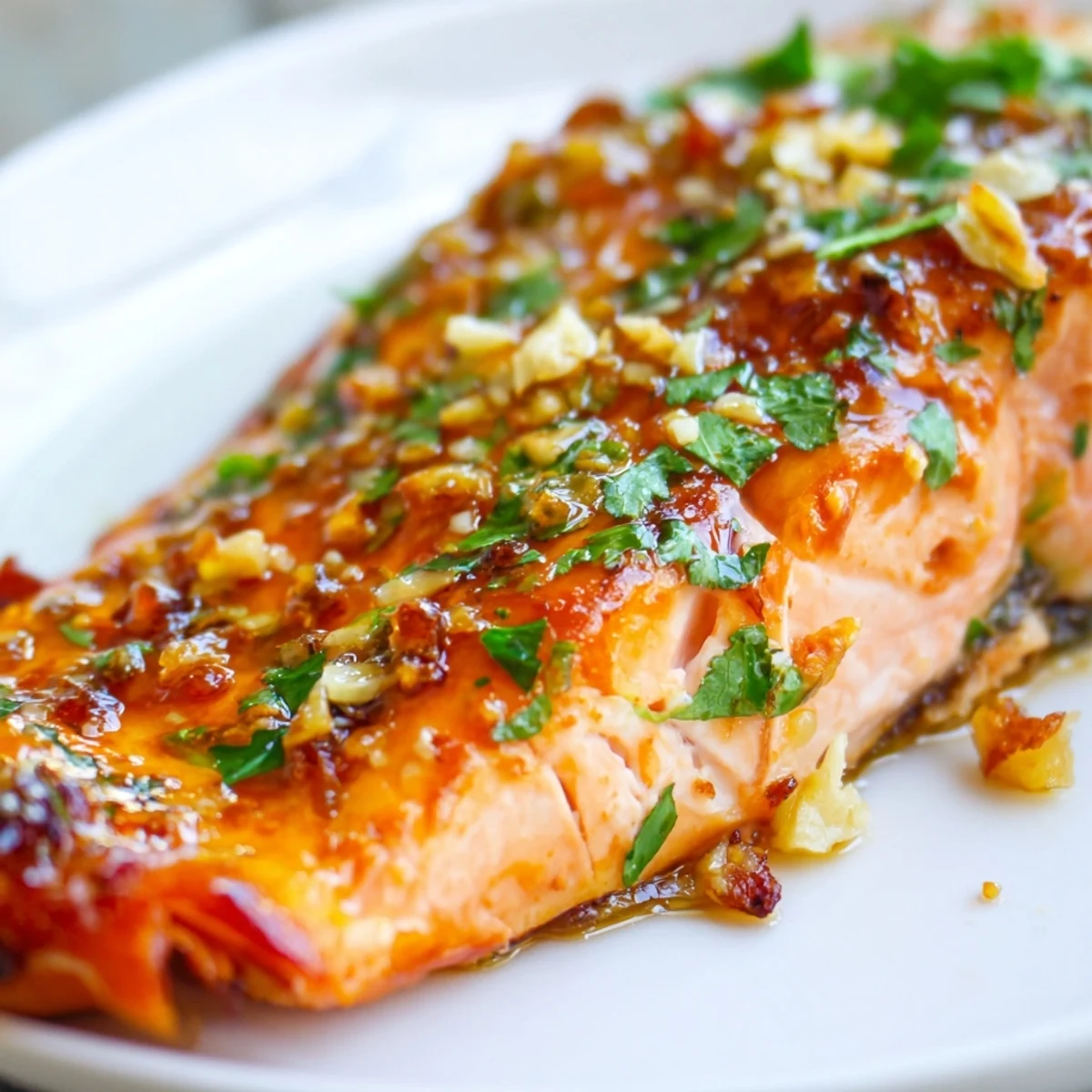
- Pull the salmon from the oven and brush it with that thickened glaze, watching how it catches the light and adheres to the fish. Scatter fresh parsley over top and serve with lemon wedges so everyone can add their own brightness.
 Save
Save The first time my daughter tasted this, she asked if I'd bought it from a restaurant, and I realized in that instant that sometimes the simplest meals become the most memorable. That's when I understood this recipe wasn't about impressing anyone—it was about showing up with something genuine and letting that speak for itself.
Why This Glaze Works
The magic here is balance: honey brings sweetness and a caramelized depth when it meets heat, while soy sauce grounds everything in savory richness that prevents the glaze from becoming cloying. Lemon juice cuts through the heaviness and keeps your palate from getting tired, and the garlic becomes soft and almost sweet as it cooks, never harsh or raw. Olive oil and mustard act as the glue, helping everything emulsify into something silky that clings to the fish rather than sliding off. This combination works because each ingredient pulls in a different direction, but together they move toward something balanced and complex.
Salmon and Heat: Finding the Sweet Spot
Baking salmon at 400°F gives you a window of about three to four minutes where the fish goes from underdone to perfect to just starting to dry out, which is why I always check it earlier than the recipe suggests and then make decisions from there. The internal temperature should reach 145°F if you're using a thermometer, but honestly, the fork test has never steered me wrong—when it flakes but still feels slightly resistant, you're golden. If you like your salmon more medium-rare, take it out at the twelve-minute mark; if you prefer it cooked through, give it the full fifteen. The glaze helps insulate the fish and keep it moist, which is another reason this technique works so well.
Serving and Building Your Plate
Salmon is rich enough to be its own statement, but it genuinely sings next to something bright and fresh—steamed rice soaks up the glaze beautifully, or roasted vegetables add a charred earthiness that plays well against the sweet-savory flavors. A simple arugula salad dressed with lemon and olive oil gives you something crisp to cut through the richness, and honestly, that's often all I want on the plate. Save the lemon wedges for the end so people can adjust their own brightness; some folks love that citrus pop, while others prefer the glaze front and center.
- Serve immediately while the salmon is still warm and the glaze hasn't cooled and solidified.
- If you're making this ahead for a crowd, bring the salmon to room temperature and brush it with glaze just before serving.
- Leftover salmon stays moist when stored in an airtight container and actually tastes wonderful cold the next day over greens.
 Save
Save This recipe taught me that the best meals don't need to be complicated or fussy—they just need attention and genuine care. When you take twenty-five minutes to make something this good, you're not just feeding people; you're telling them they're worth the effort.
Questions & Answers
- → How do you make the honey garlic glaze?
-
Combine honey, soy sauce, fresh lemon juice, minced garlic, olive oil, and Dijon mustard, whisking until smooth for a flavorful glaze.
- → What is the best way to cook salmon for this dish?
-
Bake salmon fillets in a preheated oven at 200°C (400°F) until they flake easily, about 12-15 minutes, then brush with thickened glaze.
- → Can the soy sauce be substituted for a gluten-free option?
-
Yes, using gluten-free soy sauce ensures the dish remains gluten-free without compromising flavor.
- → How can I achieve a caramelized finish on the salmon?
-
Broil the salmon for 1-2 minutes at the end of baking to create a caramelized, slightly crispy glaze.
- → What side dishes pair well with this preparation?
-
Steamed rice, roasted vegetables, or a fresh salad complement the baked salmon’s sweet and savory flavors perfectly.