
 Save
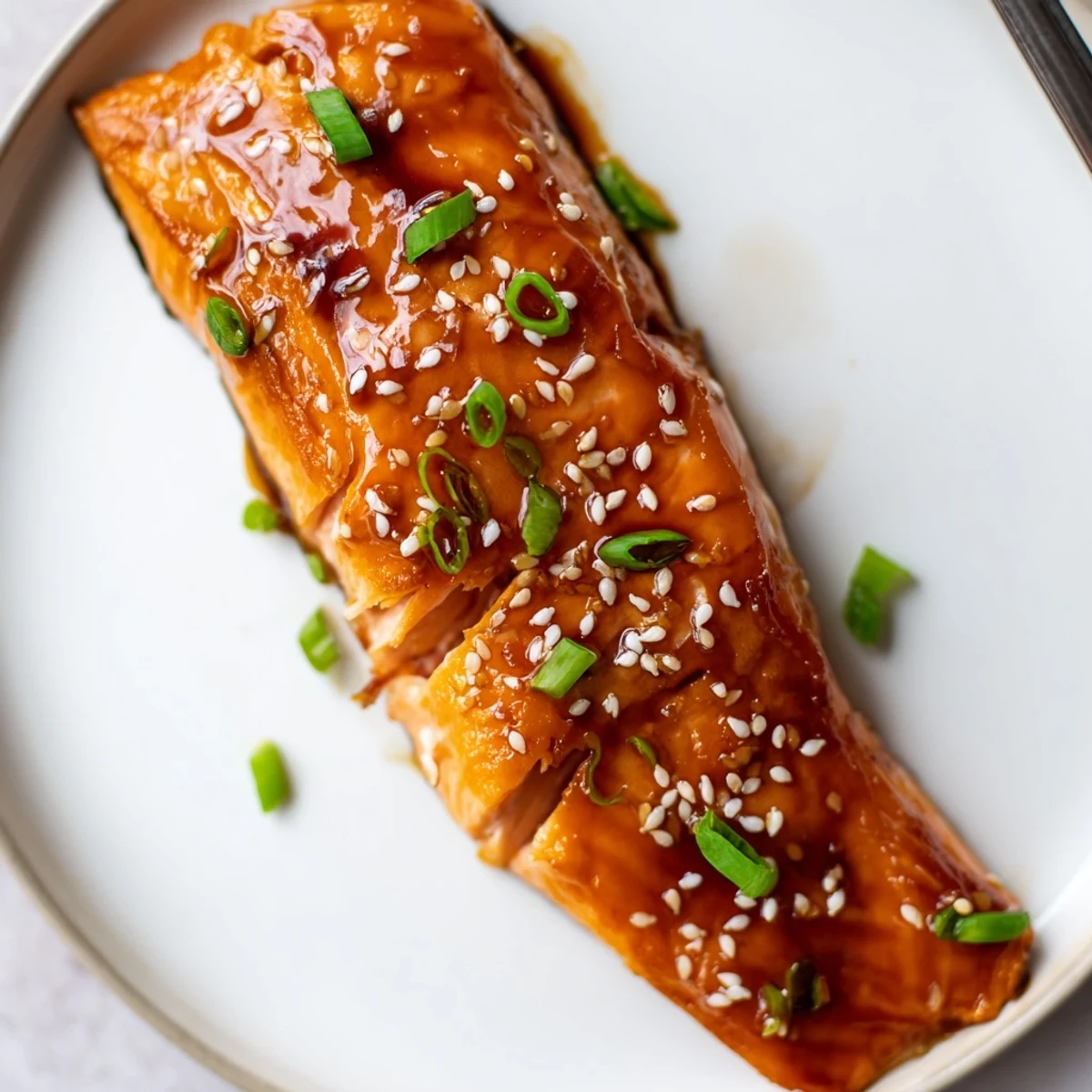
Save Preheat oven to 200°C (400°F). Combine soy, mirin or dry sherry, honey or maple syrup, brown sugar, rice vinegar, garlic, ginger and sesame oil; simmer briefly until slightly reduced to a glossy teriyaki glaze. Brush half over salmon fillets, bake 12–15 minutes until just cooked and flaky, then brush remaining glaze and scatter sesame seeds and sliced spring onions. Serve with steamed rice and sautéed greens; add chili flakes for heat or swap tamari for a gluten-free option.
The first time I baked teriyaki salmon, my kitchen was alive with the hiss of sauce bubbling on the stove and the sweet tang of ginger in the air. It was a drizzly Sunday evening, and I was craving something both comforting and vibrant without a big production. The teriyaki glaze, sticky and glossy, turned what seemed like an ordinary dinner into something just a little bit celebratory. Seeing the caramelized edges peek out from beneath the sauce, I knew I was onto a winner.
One evening, I made this salmon in under half an hour as my family debated what movie to watch. The kids hovered, noses wrinkling in curiosity, and by the time the salmon emerged—glistening and golden—it was all hands on deck, setting the table faster than I've ever seen. Moments like those remind me how food draws everyone together, no matter how ordinary the day has been.
Ingredients
- Salmon fillets: Go for fresh, firm fillets with or without skin—just be sure they’re about the same size so they cook evenly, and always pat them dry for best caramelization.
- Soy sauce: The backbone of the teriyaki glaze; I opt for low-sodium if you like things balanced, and tamari if serving anyone needing gluten-free.
- Mirin or dry sherry: Mirin brings a subtle sweetness and aroma, but dry sherry works better than you’d expect in a pinch.
- Honey or maple syrup: Honey brings body and shine, but maple syrup or even agave can swap in for a twist or if cooking vegan.
- Brown sugar: Just a little adds deeper caramel notes and helps that sticky finish.
- Rice vinegar: This brightens up the sauce and stops it tasting too heavy—don’t skip it.
- Garlic and ginger: I like to use freshly grated ginger and minced garlic for zing, and if you’re really pressed, store-bought paste will work in a pinch.
- Sesame oil: Just a hint transforms the aroma and rounds out the flavors beautifully.
- Sesame seeds: Lightly toasted, they add crunch and a nutty whisper on top.
- Spring onions: Finely sliced right before serving—they add freshness and a pop of color.
Instructions
- Prep the Oven and Tray:
- Heat your oven to 200°C (400°F) and line a baking tray with parchment or lightly brush with oil; this makes cleanup a breeze later.
- Mix and Simmer the Sauce:
- Combine soy sauce, mirin, honey, brown sugar, vinegar, garlic, ginger, and sesame oil in a small saucepan—let it sputter while you stir, breathing in the punchy sweetness, until the sauce thickens (about 3–4 minutes).
- Coat the Salmon:
- Lay the salmon fillets on your tray and brush generously with half the warm teriyaki sauce, making sure every nook is covered.
- Bake to Tenderness:
- Slide the tray into the oven and bake for 12–15 minutes—the fish should flake easily when you nudge it gently with a fork.
- Glaze and Garnish:
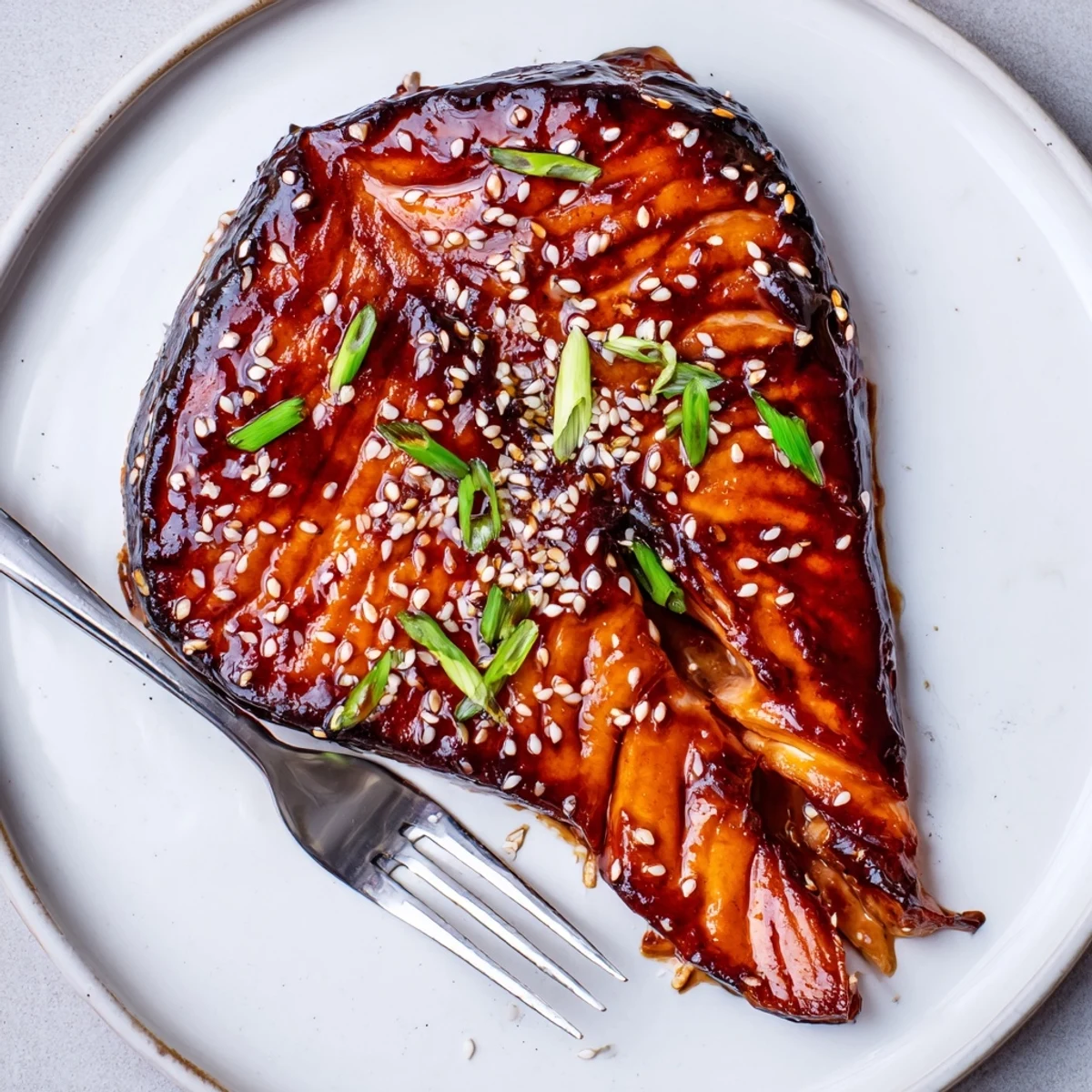
- Brush over the remaining teriyaki sauce as soon as the salmon comes out, then scatter with sesame seeds and spring onions—the sizzle as the sauce hits the hot fish is irresistible.
 Save
Save I’ll never forget serving this for friends after an afternoon walk in chilly weather, setting the salmon out with bowls of sticky rice and feeling the conversation soften as we dug in. Sometimes a recipe feels less like cooking and more like setting the stage for small, golden moments.
Getting the Best Salmon Texture
What surprised me is just how forgiving salmon is—if you start with good fillets, the teriyaki helps lock in moisture even if your timing isn’t exact. I always check early and let residual heat carry the fish to the finish for perfect tenderness.
Easy Flavor Twists
If you like things spicy, a pinch of chili flakes in the sauce adds just enough warmth. Swapping maple syrup for honey lends a deeper, almost smoky sweetness, which I discovered one winter when supplies were low. Even a handful of thin-sliced red chilies over the top can wake up the whole dish.
Serving and Pairing Ideas
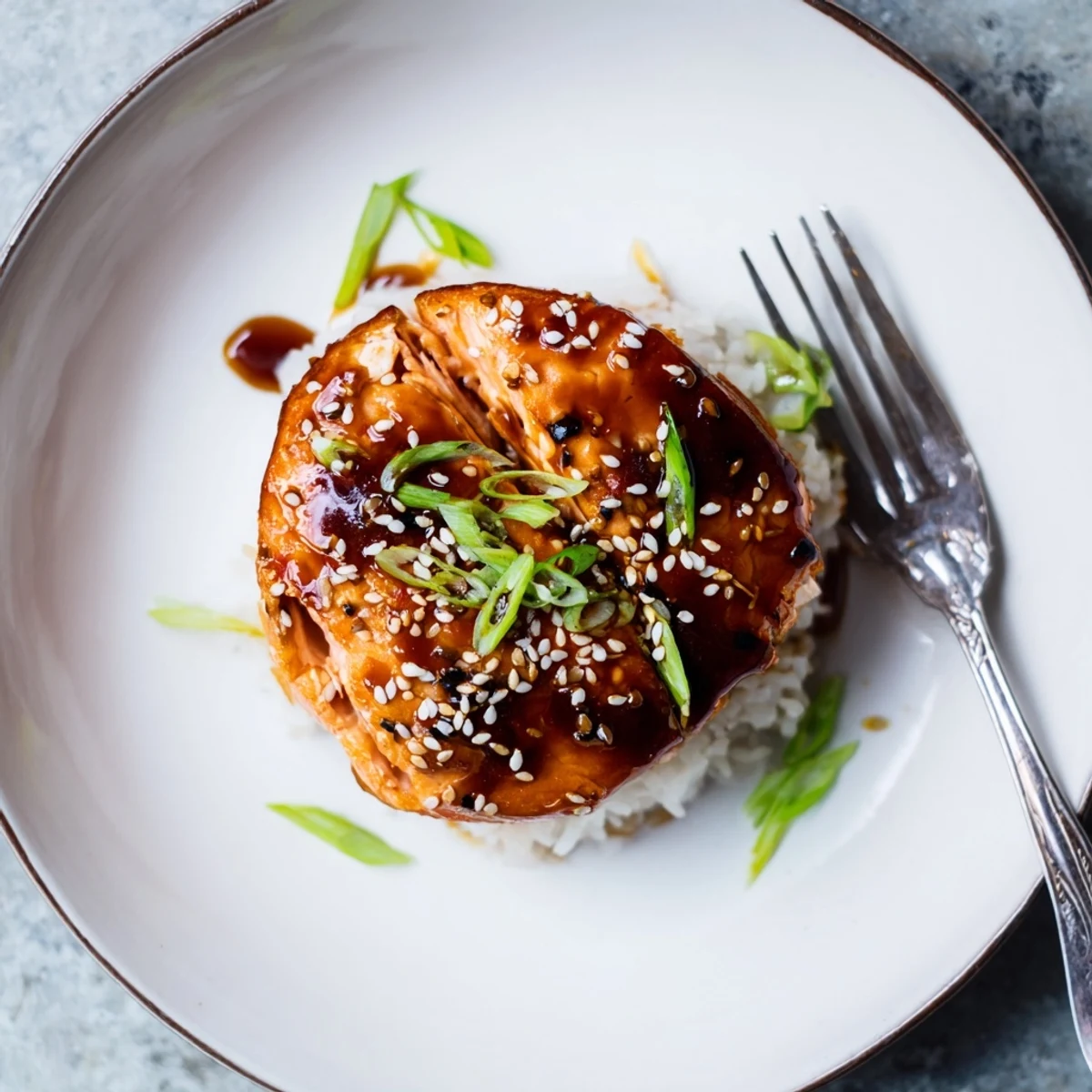
Steamed rice and bright sautéed greens are classics for a reason; they soak up the extra glaze and let the salmon shine. For a speedy weeknight, I sometimes just pile fluffed rice into bowls, place the fillet on top, and let everyone dig in as they please.
- Add a light cucumber salad on the side for crunch.
- A crisp glass of Sauvignon Blanc cuts through the richness perfectly.
- Don’t forget to scatter extra scallions for added freshness right before serving.
 Save
Save Even on your busiest weeknight, this teriyaki salmon has a way of turning dinner into something quietly special. I hope it brings as much warmth and ease to your table as it has to mine.
Questions & Answers
- → What oven temperature and timing keep salmon moist?
-
Preheat to 200°C (400°F) and bake 12–15 minutes depending on thickness. Aim for flakes that separate easily with a fork for tender, moist fillets.
- → How do I thicken the teriyaki glaze without changing flavor?
-
Simmer the sauce a few minutes longer to reduce and concentrate flavors. For a quicker finish, stir in a small cornstarch slurry (1 tsp cornstarch + 1 tbsp water) and cook until glossy.
- → Can I use frozen salmon and how should I prepare it?
-
Thaw completely in the refrigerator, pat dry to remove excess moisture, then proceed. You may need an extra 2–4 minutes of baking time for fully thawed fillets.
- → How do I prevent the salmon from sticking to the tray?
-
Line the tray with parchment or brush lightly with oil. Leaving the skin on helps protect the flesh and can crisp up under the glaze if exposed to heat.
- → What are good swaps to make this gluten-free or vegan?
-
Use tamari or coconut aminos in place of soy sauce for gluten-free. For a vegan option, replace salmon with firm tofu and use maple syrup instead of honey.
- → How should I reheat leftovers without drying them out?
-
Warm gently in a 160°C (325°F) oven for 8–10 minutes, covered loosely with foil, and brush with a little extra glaze or olive oil to retain moisture.