
 Save
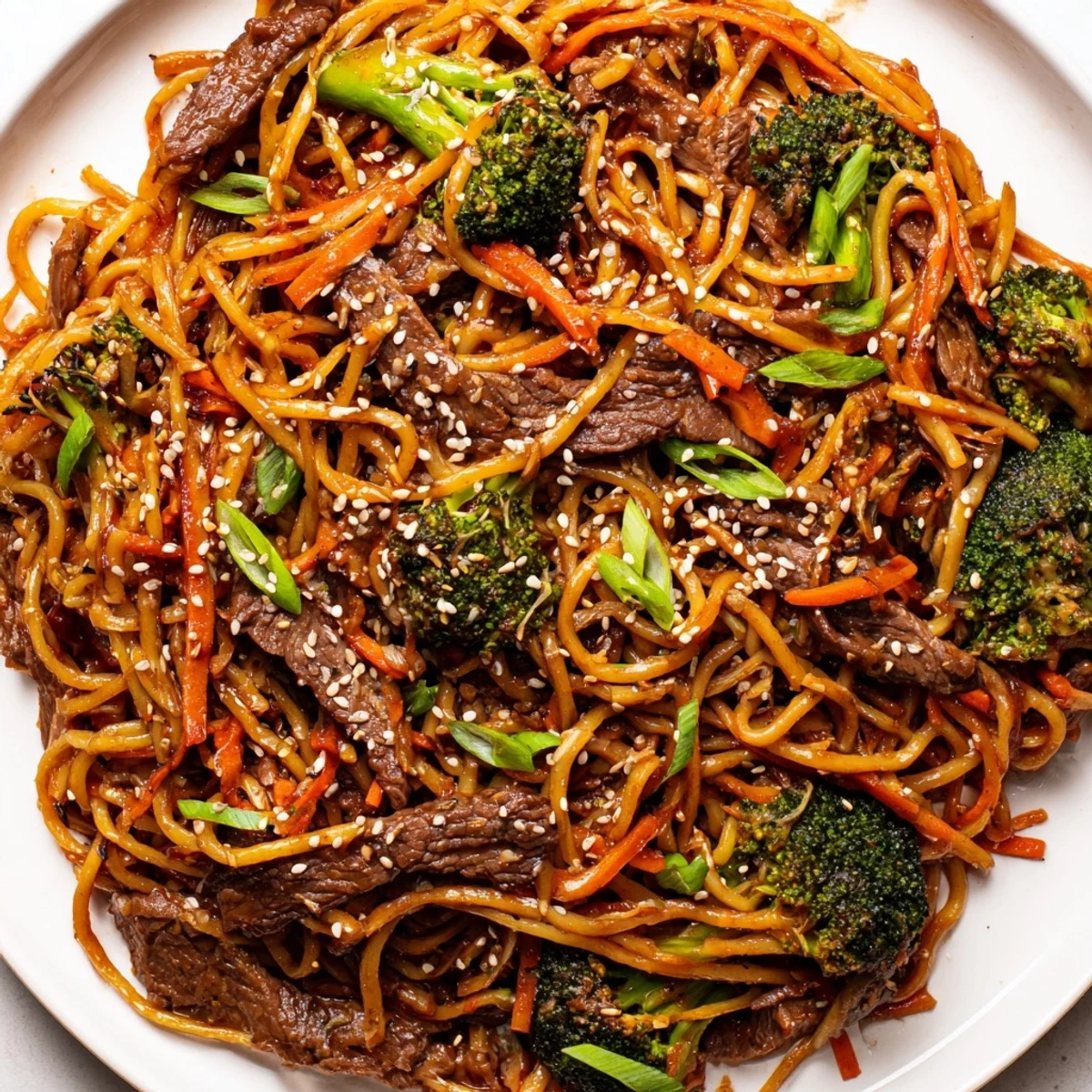
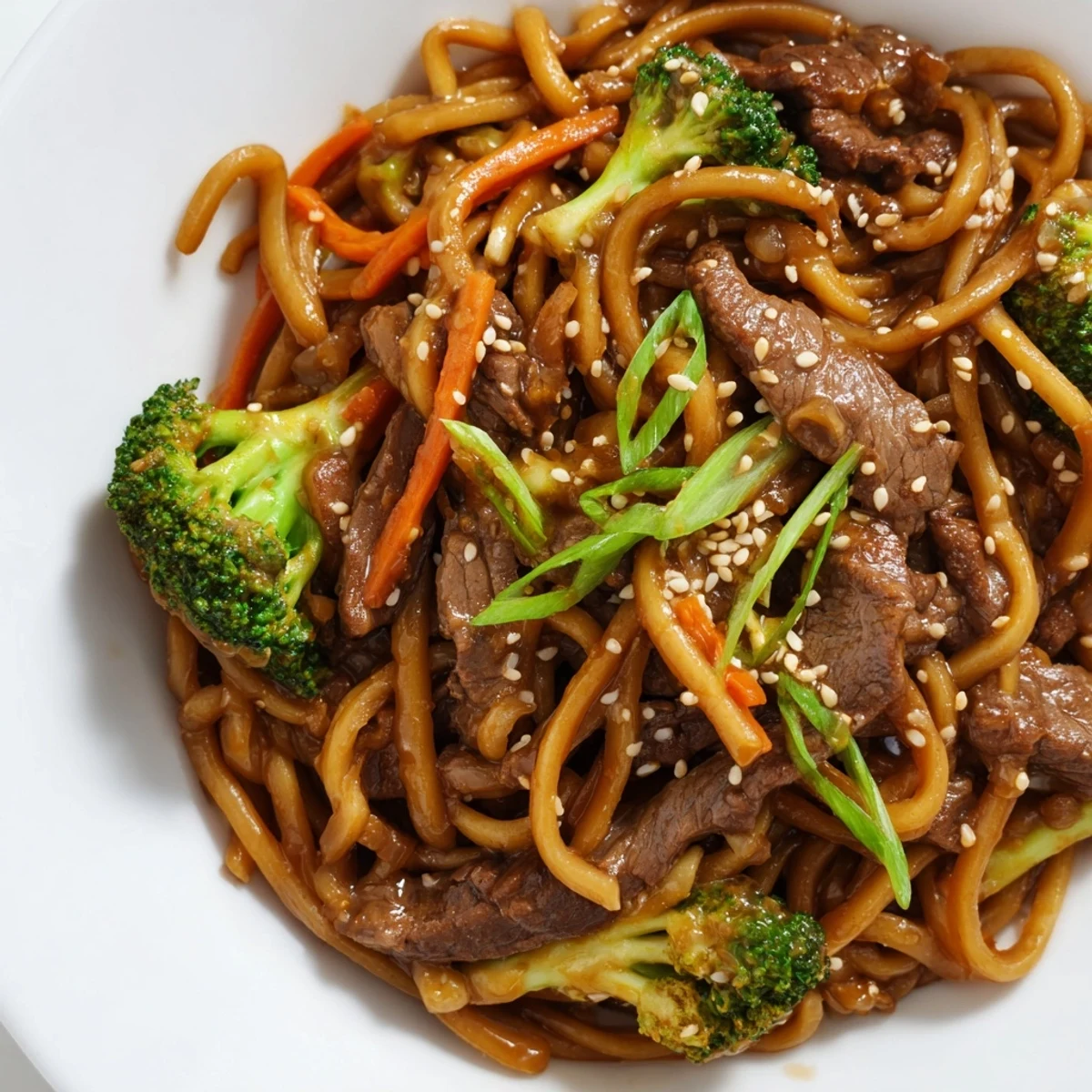
Save This dish features marinated flank steak stir-fried with fresh broccoli and carrots. Combined with chewy egg noodles and a savory mix of soy, oyster, and hoisin sauces, it comes together in under an hour. Finished with aromatic toasted sesame seeds, it offers a perfect balance of texture and flavor for a weeknight dinner.
There's something about the sizzle of beef hitting a hot wok that instantly transports me back to a rainy Tuesday night when my roommate challenged me to recreate takeout we'd been ordering too often. I had no idea what I was doing, but I learned that lo mein isn't complicated—it's just beef, broccoli, noodles, and a sauce that tastes far more impressive than it has any right to. The first time I got it right, I couldn't believe how close it came to the restaurant version, and honestly, it's been my go-to ever since.
I made this for my sister when she was visiting from out of town, and watching her face light up when she tasted it—that moment when she set down her fork and said, 'Wait, you made this?'—that's when I knew this recipe was keeper material. She's not easily impressed by home cooking, but something about the balance of soy and oyster sauce, the way the sesame oil rounds everything out, just clicked for her too.
Ingredients
- Flank steak (350 g / 12 oz), thinly sliced against the grain: Cutting against the grain is the secret to tender beef in stir-fries; it breaks up the muscle fibers and lets the sauce coat every piece.
- Soy sauce, cornstarch, black pepper (for marinating): This short marinade seasons the beef and the cornstarch creates a light coating that helps it brown beautifully.
- Lo mein or egg noodles (300 g / 10 oz): These noodles have a slight chew that holds sauce better than thinner varieties; don't skip the brief cold rinse or they'll clump.
- Broccoli florets (300 g / 10 oz): Cut them small and uniform so they cook evenly and stay crisp-tender instead of turning mushy.
- Garlic and ginger (minced): Mincing these fine ensures they release their oils quickly in the hot wok and perfume the entire dish.
- Carrot (julienned): The thin strips cook in minutes and add a subtle sweetness and bright color contrast.
- Spring onions, sliced: Split the white and green parts; the white goes in early for more flavor, the green gets stirred in at the end for freshness.
- Soy sauce, oyster sauce, hoisin, sesame oil, rice vinegar, brown sugar, water (sauce): This combination balances salty, sweet, and tangy; if you skip any component, the sauce loses its depth.
- Sesame seeds, toasted: Toast them yourself right in the wok for about 2 minutes—store-bought toasted seeds are fine, but fresh-toasted means more aroma and flavor.
Instructions
- Marinate the beef:
- Toss your sliced beef with soy sauce, cornstarch, and black pepper in a bowl and let it sit for 10 minutes while you prep everything else. This gives the marinade time to season the meat and the cornstarch to create a protective layer.
- Mix the sauce:
- Whisk all sauce ingredients together in a small bowl—soy sauce, oyster sauce, hoisin, sesame oil, rice vinegar, brown sugar, and water. Taste it straight from the spoon; it should hit you with salty, sweet, and a little tang.
- Cook the noodles:
- Follow the package timing and drain them well, then give them a brief rinse under cold water to stop them from cooking further. This keeps them from turning to mush when you toss them with the hot sauce.
- Toast the sesame seeds:
- Add them dry to your wok or skillet over medium-high heat and stir constantly for 2 to 3 minutes until they turn golden and smell incredible. Transfer them to a small plate so they don't burn.
- Sear the beef:
- Add a tablespoon of neutral oil to the hot wok and let it shimmer, then add the beef in a single layer and resist the urge to stir for at least a minute. This gives it a chance to brown; then toss it around for another minute or so until the edges are caramelized.
- Cook the vegetables:
- Add another tablespoon of oil if the wok looks dry, then add minced garlic and ginger for about 30 seconds until fragrant. Toss in the broccoli florets and julienned carrot and stir-fry for 3 to 4 minutes until the edges start to char but the centers are still tender.
- Bring it all together:
- Return the beef to the wok along with the cooked noodles, pour the sauce over everything, and toss constantly for about 2 minutes until the sauce coats every strand and everything heats through. The sauce will cling to the noodles and create this glossy, appetizing finish.
- Finish and serve:
- Stir in the sliced spring onion greens right before serving so they stay fresh and bright. Divide into bowls and sprinkle generously with toasted sesame seeds and extra spring onions if you have them.
 Save
Save The first time I nailed this dish, I was cooking for someone who claimed they could never replicate restaurant food at home. Watching them taste it and then go quiet for a second—that's when I realized that restaurant-quality doesn't mean complicated, it just means paying attention to a few key things. Now every time I make it, I think about that moment and how something so simple can feel like a small victory.
The Wok Matters
A large wok or deep skillet is genuinely worth having for this because the high heat and curved surface mean you can toss everything without half of it flying onto the stovetop. If you don't have a wok, a large skillet works, but you'll need to stir more deliberately instead of tossing. The real magic is the heat combined with the motion; it creates browning on the beef and that slight char on the vegetables that makes everything taste more alive.
Sauce Balance Is Everything
This sauce walks a line between sweet, salty, and tangy, and every component pulls its weight. I learned this the hard way by skipping the rice vinegar once thinking it wouldn't matter, and the result was flat and one-dimensional. Now I taste the sauce before it hits the noodles if I'm trying a new brand of oyster sauce, because brands vary in saltiness and sweetness.
Customizations That Work
The beauty of this dish is that it's forgiving once you understand the core formula: protein, vegetables, noodles, and sauce. I've made it with chicken when beef felt too heavy, with extra vegetables when I wanted more color, and even swapped in tofu once for a friend. The technique stays the same, which means once you nail it once, you can adapt it endlessly without starting from scratch.
- A pinch of chili flakes or a dash of Sriracha can add heat without overpowering the other flavors.
- Try fresh or dried mushrooms mixed in with the broccoli for an earthy depth that complements the beef beautifully.
- If you're serving someone who avoids shellfish, skip the oyster sauce and use an extra tablespoon of hoisin to maintain the savory-sweet balance.
 Save
Save This recipe became my answer to the question I used to ask myself every Tuesday: 'Do I order out again or actually cook something?' Now I know the answer, and it tastes better for it. It's the kind of dish that reminds you why cooking at home is worth the effort.
Questions & Answers
- → Can I use a different protein?
-
Yes, sliced chicken breast or firm tofu can be substituted for the flank steak using the same cooking method.
- → Is this dish spicy?
-
No, the dish is not spicy by default, but you can add chili flakes or Sriracha to the sauce for heat.
- → How do I make it gluten-free?
-
Use tamari instead of soy sauce and ensure your hoisin, oyster sauce, and noodles are certified gluten-free.
- → Can I prepare the sauce ahead?
-
Yes, whisk the sauce ingredients together in a jar and store it in the refrigerator for up to a week.
- → Why do I rinse the noodles?
-
Rinsing under cold water stops the cooking process and removes excess starch, preventing the noodles from becoming gummy.