
 Save
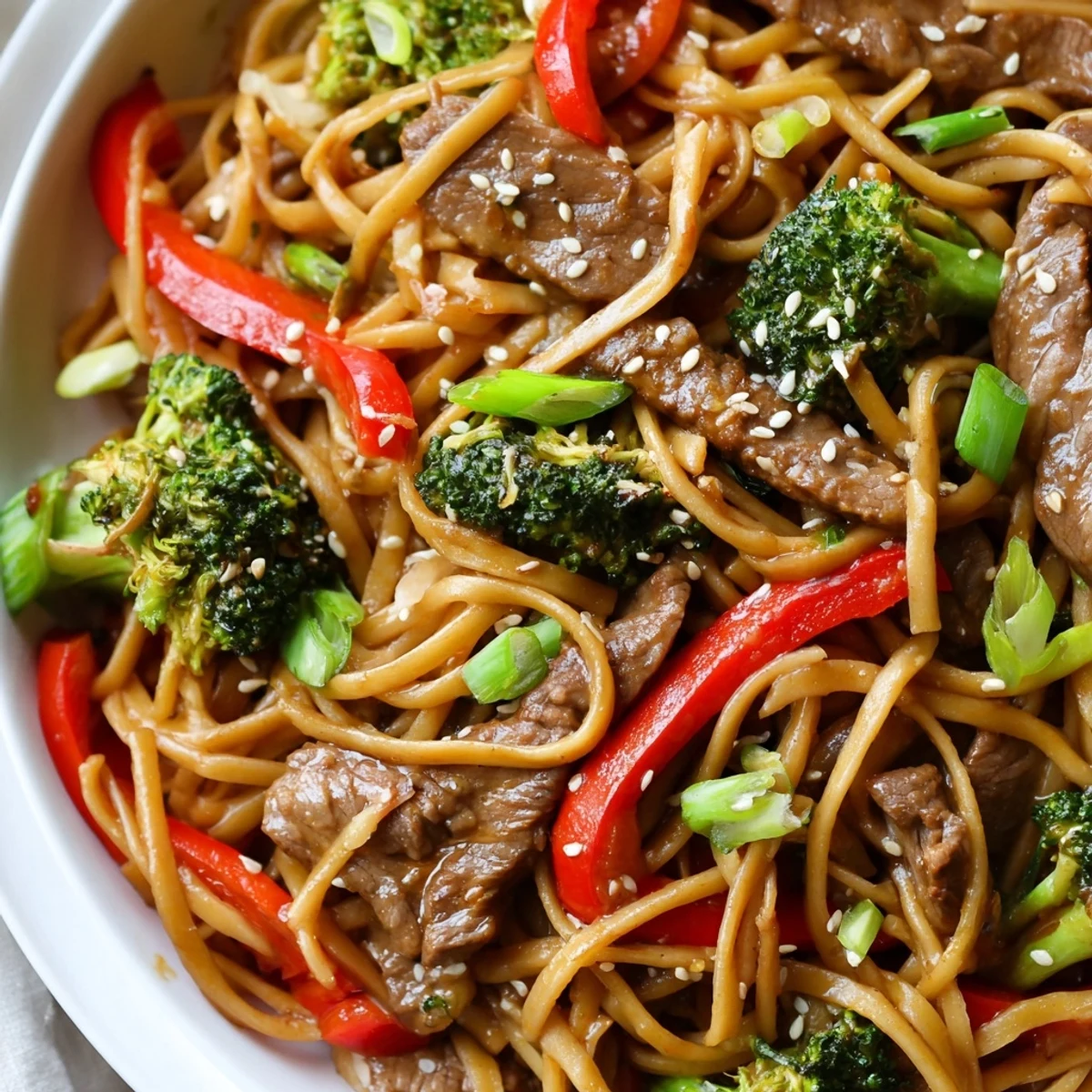
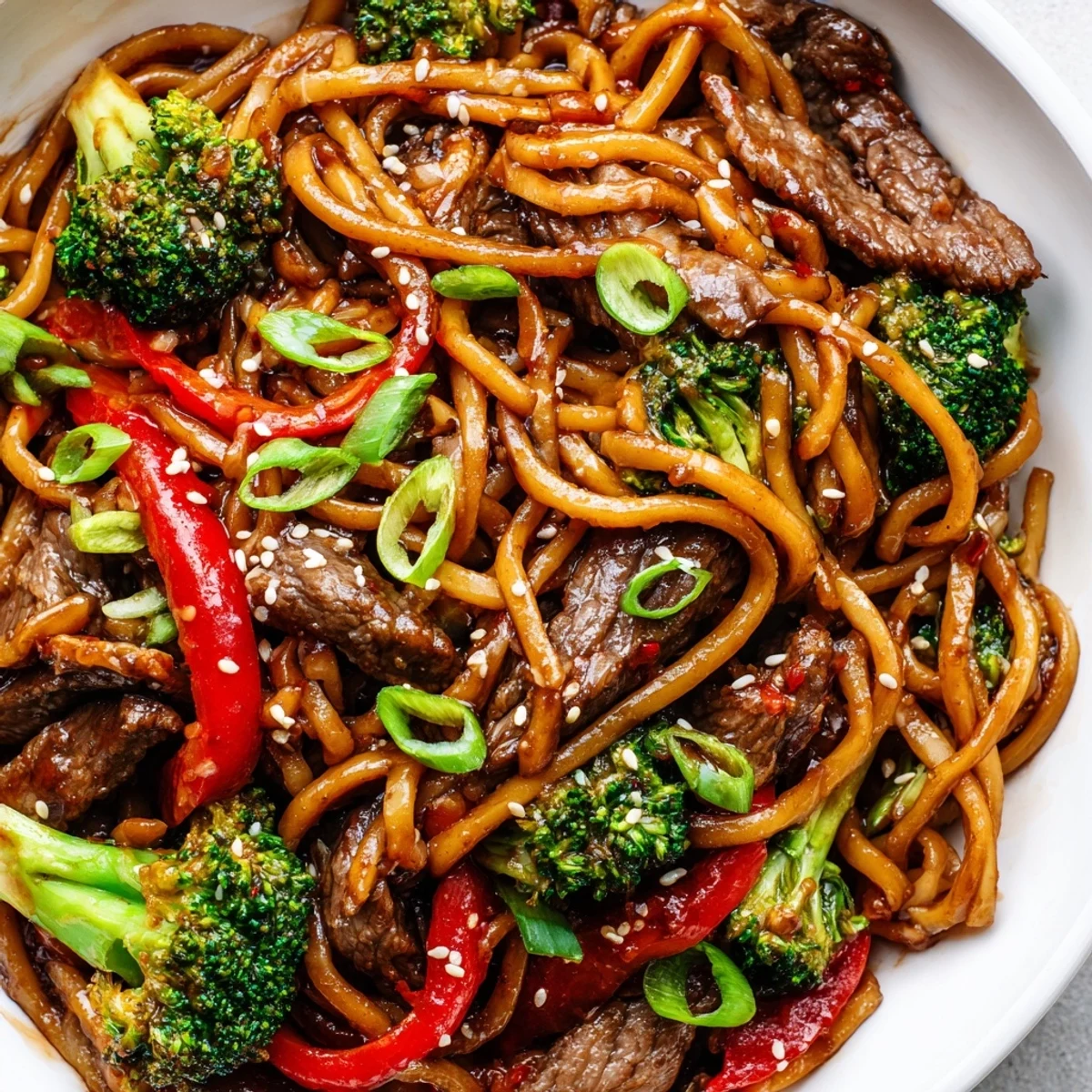
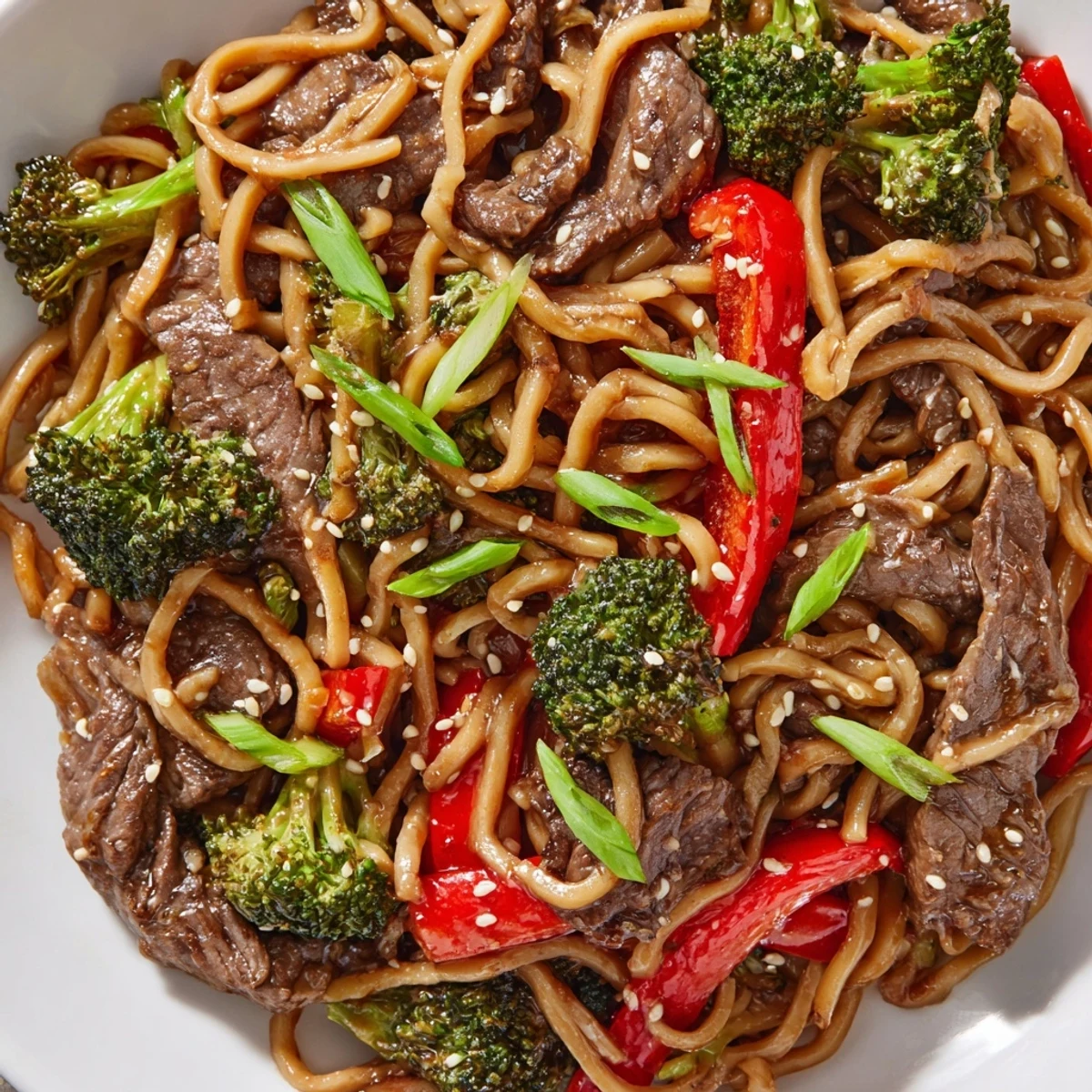
Save This dish features tender slices of beef combined with crisp broccoli florets and tender noodles, all enveloped in a rich, savory-sweet sesame sauce. Marinating the beef enhances its flavor and texture, while stir-frying the vegetables keeps their vibrant crunch. The flavorful sauce, made with soy, oyster, and hoisin, ties all elements together perfectly, creating a satisfying and quick-to-prepare meal ideal for busy weeknights.
There's something about the smell of sesame oil hitting a hot wok that instantly transports me back to a tiny restaurant tucked between two office buildings where I'd sneak lunch. The owner, Mr. Chen, would toss beef and broccoli with such confident speed that it looked like magic, but really it was just technique and heat. Years later, I realized I could recreate that exact dish at home, and now it's become my go-to when I need something that tastes like I spent hours cooking but takes barely half that.
I made this for a friend who claimed they couldn't cook Asian food, and watching them nail the wok toss on their first try was genuinely one of my favorite kitchen moments. They kept laughing because they expected it to be harder, but the whole thing was done before their timer even went off. Now whenever they cook, this is the recipe they reach for first, and I love that it gave them that little confidence boost.
Ingredients
- Flank steak or sirloin, thinly sliced: Slicing against the grain is the secret here, it makes even cheaper cuts feel buttery and tender.
- Soy sauce: Low-sodium lets you control the salt level since the sauce gets concentrated during cooking.
- Sesame oil: Use toasted, not regular, the flavor difference is night and day and worth every penny.
- Oyster sauce: Adds a subtle umami depth that soy sauce alone can't deliver, trust it.
- Brown sugar: Just enough sweetness to balance the salt and vinegar without making it taste like dessert.
- Lo mein noodles: Fresh is ideal if you can find them at an Asian market, but dried works perfectly fine.
- Broccoli florets: Bite-sized pieces cook evenly and stay crisp if you don't overcrowd the pan.
- Red bell pepper: Adds a gentle sweetness and color, and honestly makes the dish prettier.
- Garlic: Mince it fresh right before cooking so it doesn't brown and turn bitter.
- Green onions: The green parts go at the end for freshness, the whites can go in during cooking if you like.
Instructions
- Marinate the beef:
- Toss your sliced beef with soy sauce, cornstarch, and a touch of sesame oil in a bowl. The cornstarch helps it get that silky texture when it hits the hot pan, so don't skip it. Even 10 minutes makes a difference, but if you have 30 minutes, even better.
- Mix your sauce:
- Whisk together soy sauce, oyster sauce, hoisin, brown sugar, rice vinegar, sesame oil, water, and cornstarch until it's smooth and there are no lumps hiding at the bottom of the bowl. Having this ready before you start cooking is non-negotiable, once the pan gets hot you won't have time to think.
- Cook the noodles:
- Follow the package instructions but pull them out about a minute early, they'll finish cooking when you toss them in the pan. Drain them well and set aside so they don't stick together.
- Sear the beef:
- Get your skillet or wok screaming hot, then add oil and let it shimmer just before you add the beef. Work in batches if you need to, a crowded pan steams instead of sears and that's the opposite of what you want. Two to three minutes and it should be golden and mostly cooked through, then pull it out onto a plate.
- Cook the vegetables:
- Garlic goes in first for just 30 seconds until fragrant, then add the broccoli and bell pepper right away so the garlic doesn't burn. Stir constantly and listen for the gentle sizzle, if it gets too loud the heat is too high. After two to three minutes they should be bright and still have a little snap to them.
- Bring it all together:
- Return the beef to the pan, add those cooked noodles, and pour in your sauce while everything is still hot. Toss constantly for a couple of minutes until every strand of noodle glistens with sauce and the whole thing is steaming. If it looks dry, add a splash of water and keep tossing.
- Finish and serve:
- Stir in the green parts of your green onions at the very last second so they stay bright and crisp. Pile it onto plates or bowls and scatter sesame seeds over the top, the nutty flavor is the final touch that makes people ask for the recipe.
 Save
Save One night I made this for my partner who had been craving something comforting but wasn't sure what, and halfway through dinner they said it reminded them of the first trip we took together to Chinatown. That's when I realized this dish stopped being just about noodles and beef for me, it became about the conversations and moments that happen around the table.
The Wok Technique That Changes Everything
If you're used to normal stovetop cooking, the wok can feel intimidating at first, but it's really just about constant motion. Keep your spatula or wooden spoon moving, nothing sits still in a wok, everything gets kissed by that high heat. The sound should be a steady sizzle, not a scream, and if your shoulders get tired from stirring you know you're doing it right.
Why Sesame Oil Is Worth the Extra Minute
Toasted sesame oil has this deep, almost nutty flavor that regular sesame oil or other oils just can't replicate. A little goes a long way, which is why it's in the marinade and the sauce, and why you finish the sesame seeds on top. It's the ingredient that separates this dish from generic stir-fry into something that tastes like it came from someone who knows what they're doing.
Customizing Without Losing the Soul
This dish is flexible in the best way, you can swap out the beef for chicken breast or crispy tofu and the technique stays exactly the same. Some people add snap peas or bok choy, others throw in cashews for crunch, and honestly all of it works. The only thing I'd caution is the sauce ratio, because that's what ties everything together.
- If you want heat, add red pepper flakes during the searing step or a drizzle of sriracha at the end, letting people customize their own heat level.
- Swap soy sauce for tamari if you're avoiding gluten, and use vegetarian oyster sauce if shellfish is a concern.
- If you blanch the broccoli for exactly one minute before the stir-fry, it'll stay vibrant green and crisp, which is a nice visual touch if you're feeding people who notice those things.
 Save
Save This recipe has become my comfort zone in the kitchen, the one I make when I want to feel confident and capable. It's simple enough that anyone can pull it off, but impressive enough that it never gets old.
Questions & Answers
- → What cut of beef works best for this dish?
-
Flank steak or sirloin thinly sliced against the grain provides tenderness and quick cooking, ideal for stir-frying.
- → How can I keep the broccoli crisp-tender?
-
Stir-fry the broccoli briefly or blanch it for one minute before cooking to maintain a bright color and pleasant crunch.
- → Can I substitute the noodles?
-
Yes, dry lo mein noodles are traditional, but spaghetti or other wheat noodles can be used as alternatives.
- → What gives the sauce its distinctive flavor?
-
A blend of soy sauce, oyster sauce, hoisin, and toasted sesame oil creates a rich and balanced savory-sweet profile.
- → How do I add heat to this dish?
-
Incorporate red pepper flakes or a drizzle of sriracha to introduce spicy notes according to your taste.