
 Save
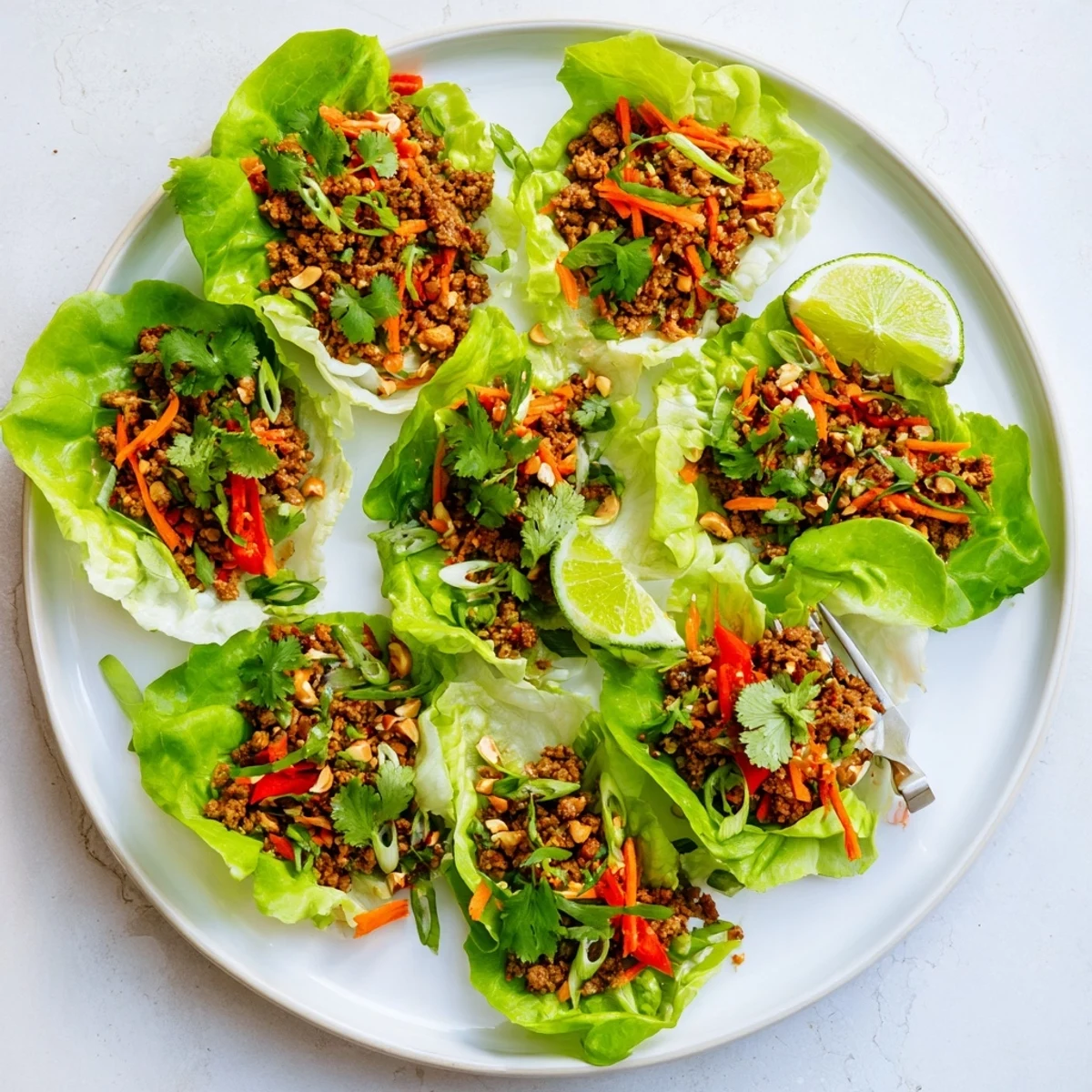
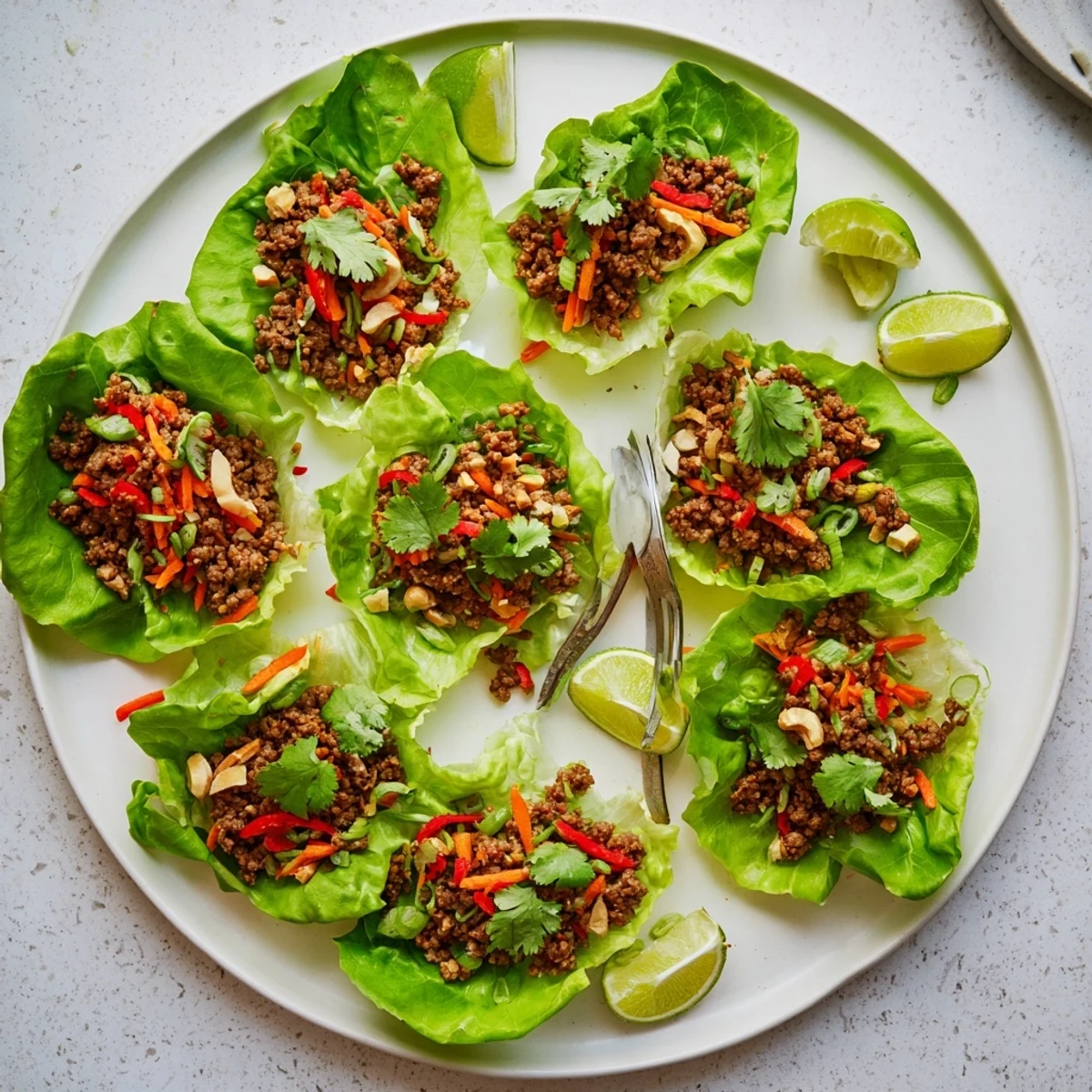
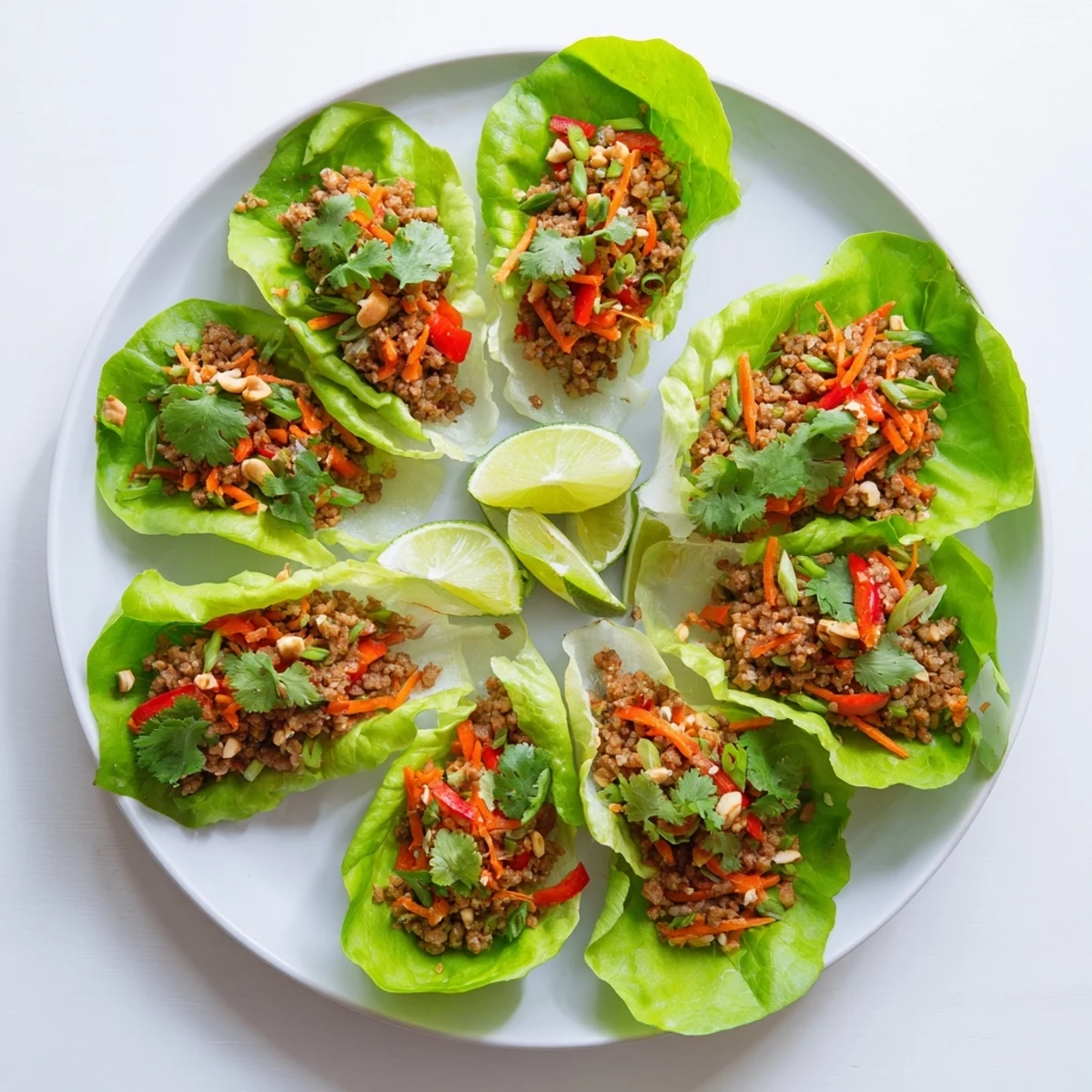
Save Savory ground beef meets crunchy cashews and fresh vegetables in these vibrant Asian-inspired lettuce cups. The beef is browned with aromatic garlic and ginger, then simmered in soy, hoisin, and oyster sauces for that perfect umami balance. Crisp grated carrot and diced bell pepper add color and texture, while toasted cashews provide satisfying crunch. Each cool, crisp lettuce leaf becomes a handheld vessel for the warm, seasoned beef mixture. Top with fresh coriander, spring onions, and a squeeze of lime for brightness. These come together in just 30 minutes and make an impressive appetizer for gatherings or a light, satisfying main course any night of the week.
The first time I made these lettuce cups, I was trying to recreate something I'd eaten at a friend's dinner party weeks earlier. I couldn't remember exactly what she'd put in them, so I started experimenting with ground beef and whatever crunch I could find in my pantry. My husband walked in mid-chop, eyeing the head of lettuce skeptically, but one bite later he was already planning when we'd have them again. Now they're the go-to when we want something that feels fancy but comes together in the time it takes to rice cook quinoa.
Last summer my sister came over for what was supposed to be a quick catch-up dinner. We ended up sitting at the kitchen island for two hours, assembling our own lettuce cups and talking about everything from work to our grandmother's cooking. The beef filling was already made, so we could focus on conversation instead of stirring pans. Something about building your own little bite makes people linger at the table longer, hands busy but minds free to wander between topics.
Ingredients
- 500 g (1.1 lb) lean ground beef: I use 90% lean because the sauces provide plenty of richness and nobody wants greasy lettuce cups, though 85% works if you drain it well
- 1 medium carrot, grated: Grating creates these delicate ribbons that almost disappear into the beef while adding sweetness and color that diced carrots never quite achieve
- 1 small red bell pepper, finely diced: The tiny dice is crucial here because large pepper pieces can make the lettuce cups difficult to fold and eat neatly
- 2 spring onions, finely sliced: Save half for cooking and half for garnish because raw onion on top provides this fresh bite that balances the cooked filling beautifully
- 1 clove garlic, minced: One clove is perfect because you want it to support the other flavors without overwhelming the delicate balance of the dish
- 1 head butter or iceberg lettuce: I've tried both and honestly butter lettuce feels more elegant but iceberg provides this incredible structural integrity that prevents cracking when you load them up
- 80 g (½ cup) unsalted cashews, roughly chopped: Rough chopping means some pieces stay larger for crunch while smaller bits distribute throughout the beef, and unsalted lets you control the seasoning completely
- 2 tbsp soy sauce: This provides the salty base so taste before adding more salt because the soy might be all you need
- 1 tbsp hoisin sauce: The thick sweetness balances the salty soy and creates that glossy restaurant-style coating on the beef
- 1 tbsp oyster sauce: Even just a tablespoon adds this deep umami complexity that makes the beef taste like it simmered for hours instead of minutes
- 1 tsp sesame oil: A little goes a long way so measure carefully because too much will overpower the other delicate flavors
- 1 tsp freshly grated ginger: Fresh ginger is non-negotiable here because the paste stuff lacks that bright spicy kick that cuts through the rich beef
- 1 tsp chili sauce (optional): I keep it on the table instead of adding it to the pan so everyone can control their own heat level
- Fresh coriander leaves: Whole leaves look beautiful on top but tearing them releases more aroma, so do whatever feels right for your moment
- Lime wedges: The acid brightens everything and cuts through the richness, so dont skip this even if it seems optional
Instructions
- Cook the beef until deeply browned:
- Heat your largest skillet over medium-high until you can feel the heat rising when you hover your hand above it. Add the beef and let it sear for a minute before breaking it up, because that initial contact with the hot pan creates caramelization that stirring immediately prevents. Cook for 5 to 6 minutes until you have lots of crispy browned bits, then drain any excess fat because too much grease will make the lettuce cups soggy and hard to eat.
- Bloom the aromatics:
- Add the garlic and ginger to the beef and stir constantly for just 1 minute until the smell fills your kitchen. Watch closely because garlic can go from fragrant to bitter in seconds, and you want it to soften without browning.
- Add the vegetables:
- Stir in the carrot, bell pepper, and half the spring onions. Cook for 2 to 3 minutes until the peppers soften slightly but still retain some crunch, because you want texture contrast in every bite.
- Create the sauce:
- Pour in the soy sauce, hoisin, oyster sauce, sesame oil, and chili sauce if using. Mix everything thoroughly and cook for 2 minutes until the sauce thickens and coats the beef like a glaze. The mixture should look glossy and smell incredible.
- Add the cashews:
- Stir in the cashews and cook for just 1 minute to warm them through. You want them toasted but still crunchy, so remove from heat as soon as they're heated through.
- Taste and adjust:
- This is crucial because soy sauce brands vary wildly in saltiness. Take a small spoonful, let it cool slightly, and adjust with more soy or a pinch of sugar if needed. Remember it will be less intense once served in lettuce cups.
- Assemble and serve:
- Spoon the warm beef mixture into lettuce leaves, making sure each cup gets some cashews and sauce. Top with remaining spring onions and plenty of coriander. Serve immediately with lime wedges on the side so guests can squeeze their own.
 Save
Save My daughter turned her nose up at lettuce for dinner until she realized she could build her own cups with exactly what she wanted. Now she requests them for her birthday dinner every year, carefully assembling each bite with an attention to detail she never applies to her homework. Something about having control over the components makes kids try things they'd otherwise refuse, and watching her discover she actually liked cashews and coriander was one of those small parenting victories you don't forget.
Making Ahead
The beef filling actually tastes better made a day ahead because the flavors have time to meld and develop that depth you usually only get from restaurants. I cook it up on Sunday, let it cool completely, and store it in an airtight container in the refrigerator. When we're ready to eat, I just reheat it gently in a skillet while someone else washes and separates the lettuce leaves. The texture stays perfect and it turns a weekday meal into something that feels like it took all day.
Lettuce Selection
I've learned through many cracked and leaking cups that the head of lettuce matters more than you might think. Look for tight, compact heads with no wilting or browning on the outer leaves. Butter lettuce feels more elegant and has this wonderful velvety texture, but iceberg provides structural support that holds up to heavy fillings without splitting. Either works perfectly, so choose based on what you can find fresh or what texture appeals to you more.
Serving Suggestions
These work beautifully as part of an Asian-inspired spread alongside steamed dumplings or sesame noodles. I love serving them as a light dinner with miso soup and some quick pickled vegetables on the side. They're also perfect for parties because guests can assemble their own, which takes the pressure off you as host and gives people something to do with their hands while they mingle. The key is having everything prepped and laid out assembly-line style so people can build their perfect bite.
- Set up a garnish station with extra fresh herbs, sliced chilies, and chopped peanuts so everyone can customize their cups
- Have a small bowl of water nearby for rinsing fingers between cups because eating with your hands is part of the experience
- Consider doubling the recipe because these disappear faster than you expect, especially when people realize how satisfying each little cup actually is
 Save
Save These lettuce cups have become my answer to everything from last-minute guests to those nights when cooking feels like too much but takeout isn't quite right either. Something about assembling your own perfect little bite makes dinner feel interactive and special without requiring anyone to work too hard.
Questions & Answers
- → Can I make these beef and cashew cups ahead of time?
-
Prepare the beef mixture up to 24 hours in advance and store it refrigerated in an airtight container. Reheat gently in a skillet before serving. Keep the lettuce leaves separate and wash them just before serving to maintain crispness. The cashews are best added during reheating so they stay crunchy.
- → What protein alternatives work well in this dish?
-
Ground chicken, turkey, or pork make excellent substitutes for beef. Each option absorbs the Asian sauces beautifully while maintaining texture. For a vegetarian version, use crumbled tofu or sautéed mushrooms seasoned with the same sauce blend. Cooking times may vary slightly depending on your protein choice.
- → How do I prevent the lettuce leaves from becoming soggy?
-
Wash and thoroughly dry the lettuce leaves ahead of time, then store them layered between clean kitchen towels or paper towels in the refrigerator. Avoid overfilling the cups—spoon just enough beef mixture to allow easy folding without tearing. Serve the filling and lettuce separately and let guests assemble their own cups.
- → Can I adjust the heat level in this dish?
-
The chili sauce is optional, so omit it for a mild version or increase to 1-2 teaspoons for more spice. Fresh chili peppers, sriracha, or sambal oelek also work well. For maximum control, serve chili sauce on the side and let everyone add their preferred amount. The fresh lime wedges also help balance any heat with their acidity.
- → What other vegetables can I add for extra crunch?
-
Water chestnuts, bamboo shoots, or jicama add fantastic texture and absorb the savory sauces well. Thinly sliced snap peas or shredded cabbage also work beautifully. For extra freshness, try adding thin ribbons of cucumber or grated daikon radish as a topping. Each vegetable adds unique crunch while complementing the Asian flavors.
- → Is this dish gluten-free?
-
To make gluten-free, substitute the soy sauce with tamari and verify that your hoisin and oyster sauces are labeled gluten-free. Many Asian sauces contain wheat-based ingredients, so always check labels carefully. The rest of the ingredients naturally fit a gluten-free diet, making this an easy adaptation with the right sauce choices.