
 Save
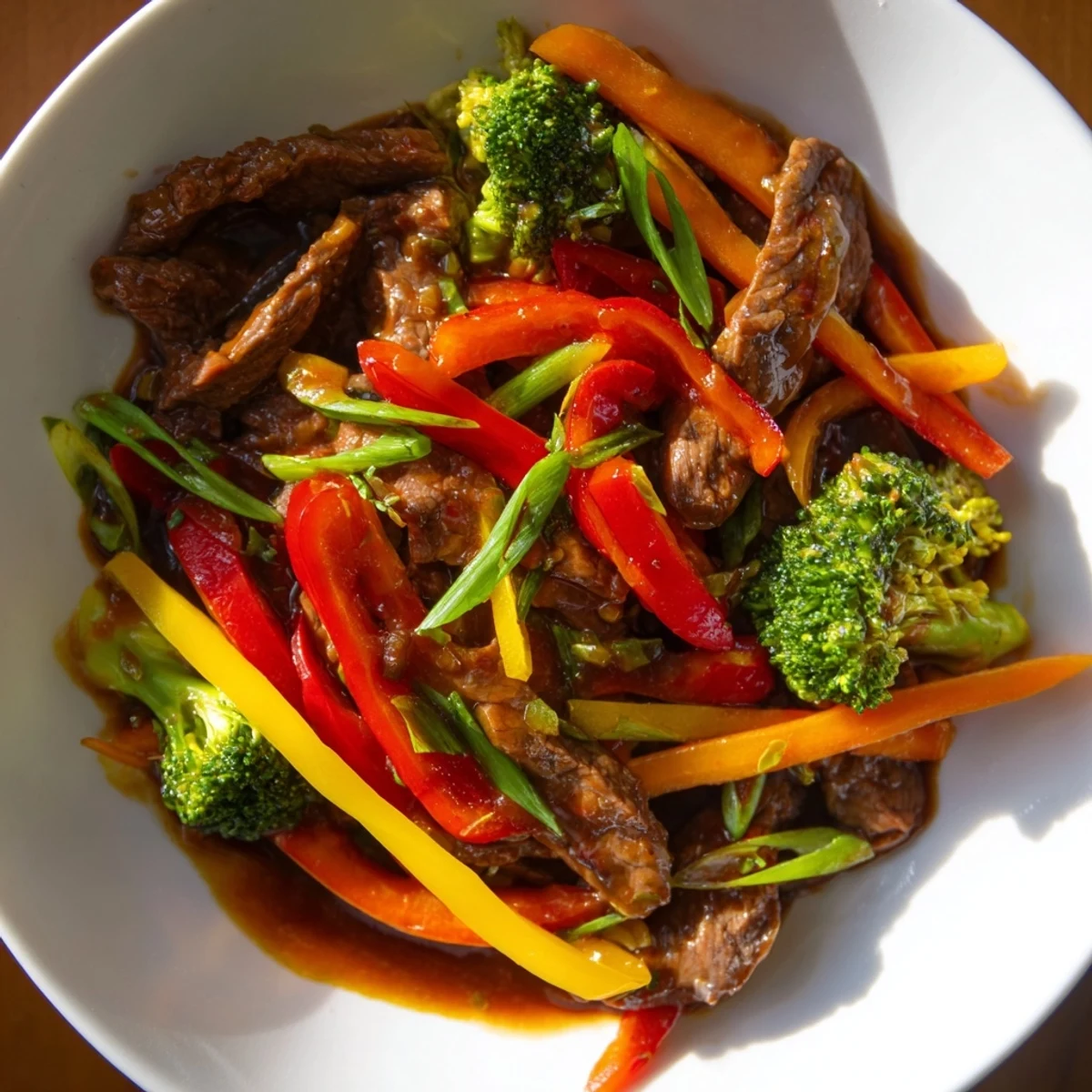
Save This vibrant dish features tender strips of beef swiftly cooked with crisp bell peppers, broccoli, carrots, and spring onions. Marinated in savory soy and sesame notes, the beef blends perfectly with a rich sauce combining oyster, hoisin, and honey for a balanced flavor. Stir-frying preserves the freshness and texture of each ingredient, making it an ideal quick meal that delivers bold Asian flavors in just 30 minutes.
Perfect for weeknight dinners, this dish can be served with rice or noodles. Variations include adding heat with chili or using chicken or tofu for protein alternatives. The method ensures vegetables remain crisp-tender and beef seared to perfection, capturing the essence of quick and fresh cooking.
There's this moment when the wok gets so hot you can barely hold your hand near it, and that's when you know something magical is about to happen. I discovered this beef stir-fry on a Tuesday night when my fridge was looking pretty bare, but I had flank steak, a handful of vegetables, and this tiny bottle of sesame oil my mom had left behind. What started as necessity turned into the dish I make whenever I need dinner to taste like I actually tried, but only spent twenty minutes doing it.
I made this for my friend Sarah who swore she couldn't cook Asian food, and watching her face when she tasted it was worth every minute at the stove. She kept asking what restaurant I'd gotten it from, and when I told her it came together in less time than her usual pasta night, she demanded I teach her right then and there. Now she texts me photos of her versions, each one slightly different depending on what she found at the market that day.
Ingredients
- Flank steak or sirloin, thinly sliced against the grain: Slicing against the grain is the secret that nobody tells you about until you've made chewy stir-fry once. Buy 450g and ask the butcher to slice it if you're nervous, or pop it in the freezer for thirty minutes first to make your own slicing easier.
- Soy sauce: Use it in both the marinade and sauce, and yes, it adds up, but that's where all the savory depth comes from.
- Cornstarch: This little bit creates a silky glaze and keeps the beef from drying out during cooking.
- Sesame oil: A teaspoon is all you need, but don't skip it, because it's the whisper of nuttiness that makes people ask what makes this taste so good.
- Red and yellow bell peppers: They cook faster than you'd think and stay crisp if you're brave enough to pull them off the heat at the right moment.
- Fresh broccoli and carrots: Cut the broccoli small so it cooks through, and julienne the carrots thin so they soften without turning mushy.
- Garlic and ginger: Mince these fine and add them early so they perfume the oil before everything else goes in.
- Oyster sauce and hoisin: These two together create that restaurant-quality depth that makes people think you've been cooking all day.
- Honey: Just a tablespoon rounds out the sauce with subtle sweetness that balances the salt and umami.
Instructions
- Coat the beef in flavor:
- Combine your sliced beef with soy sauce, cornstarch, sherry, and sesame oil in a bowl and let it sit for ten minutes. This isn't just seasoning the meat, it's beginning the process that makes the beef absorb all that savory goodness and stay tender through cooking.
- Mix your sauce ahead:
- Whisk together the soy, oyster, and hoisin sauces with honey and water until it's smooth and glossy. Having this ready means you can move quickly once the wok gets hot and your hands are busy.
- Sear the beef until golden:
- Heat one tablespoon of oil in a large wok or skillet over high heat, then add the beef in a single layer if you can. Cook for two to three minutes, stirring occasionally, until the outside is browned and it's just cooked through, then pull it out and set it aside.
- Bloom the aromatics:
- Pour the remaining oil into the wok and let it shimmer, then add your minced garlic, ginger, and spring onions for about thirty seconds. Your kitchen should smell incredible right now, and that's your signal that everything is about to come together.
- Build the vegetable base:
- Add the broccoli and julienned carrots first since they take a bit longer, stir-fry for two minutes, then throw in the bell peppers and cook for another two minutes until everything is crisp-tender but still has some personality.
- Bring it all home:
- Return the beef to the wok, pour in your prepared sauce, and toss everything together for one to two minutes until the cornstarch thickens and creates a glossy coat over everything.
- Serve with intention:
- Plate it immediately over steamed rice or noodles, garnish with extra spring onions or sesame seeds if you're feeling fancy, and watch people come back for seconds.
 Save
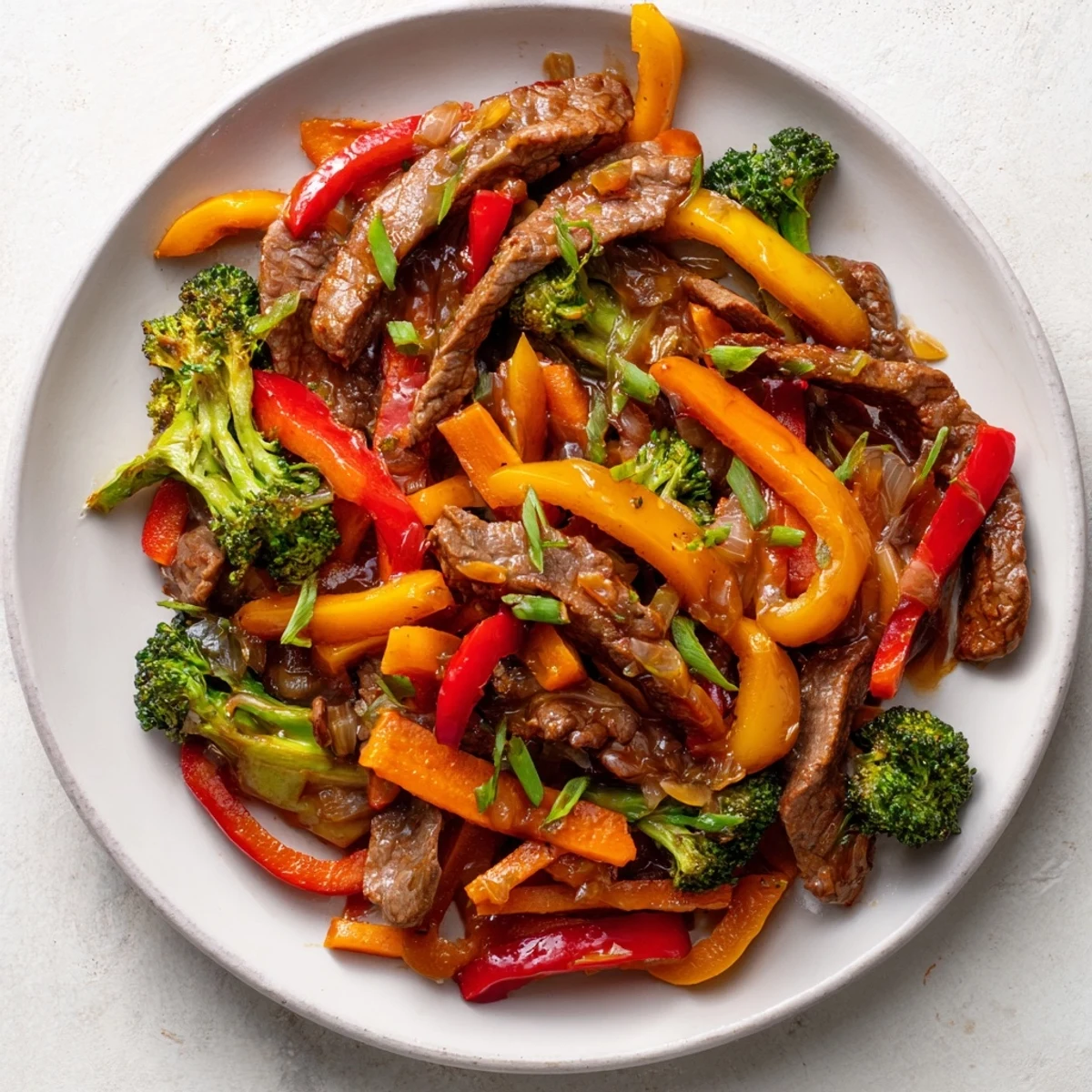
Save There's something almost meditative about the sound of vegetables hitting a hot wok, that quick sizzle and steam that happens for just a second before you're stirring again. That's when I know the dish is going to turn out right, and I always think about how something this good could come from such simple ingredients and such a short amount of time.
The Wok Make-or-Break Moment
The heat under your wok needs to be fearless, as high as your stove goes, because that's what gives the vegetables their snap and the beef its crust. I learned this the hard way after making a lukewarm version that tasted more like sad soup, and now I always give the wok a good two minutes of preheating before anything touches it. If you don't have a wok, a large cast iron skillet works just fine, but the heat and speed are non-negotiable.
Timing Is Everything
The entire cooking process from searing beef to finishing touches is maybe ten minutes total, so mise en place, the French term for having everything prepped and ready, becomes your best friend. I've learned that feeling slightly rushed is actually the goal, because it keeps you from overthinking and the natural momentum carries the dish to its best version. Hesitation is what creates overcooked vegetables and tough beef.
Making It Your Own
This recipe is genuinely flexible, and I've made it with chicken when beef wasn't in the budget, tofu when I was feeling vegetarian, and whatever vegetables the farmer's market had that morning. The structure is what matters: quick sear of protein, aromatic base, vegetables by cooking time, then sauce to bring it all together. You can adjust the heat level, swap proteins, or use seasonal vegetables and it stays fundamentally itself.
- Add sliced chili or a dash of chili sauce if you want heat that builds as you eat.
- Substitute chicken breast or pressed tofu if you want to change the protein but keep everything else the same.
- Use whatever mix of seasonal vegetables makes sense, as long as you cut them to similar sizes so they finish cooking at the same time.
 Save
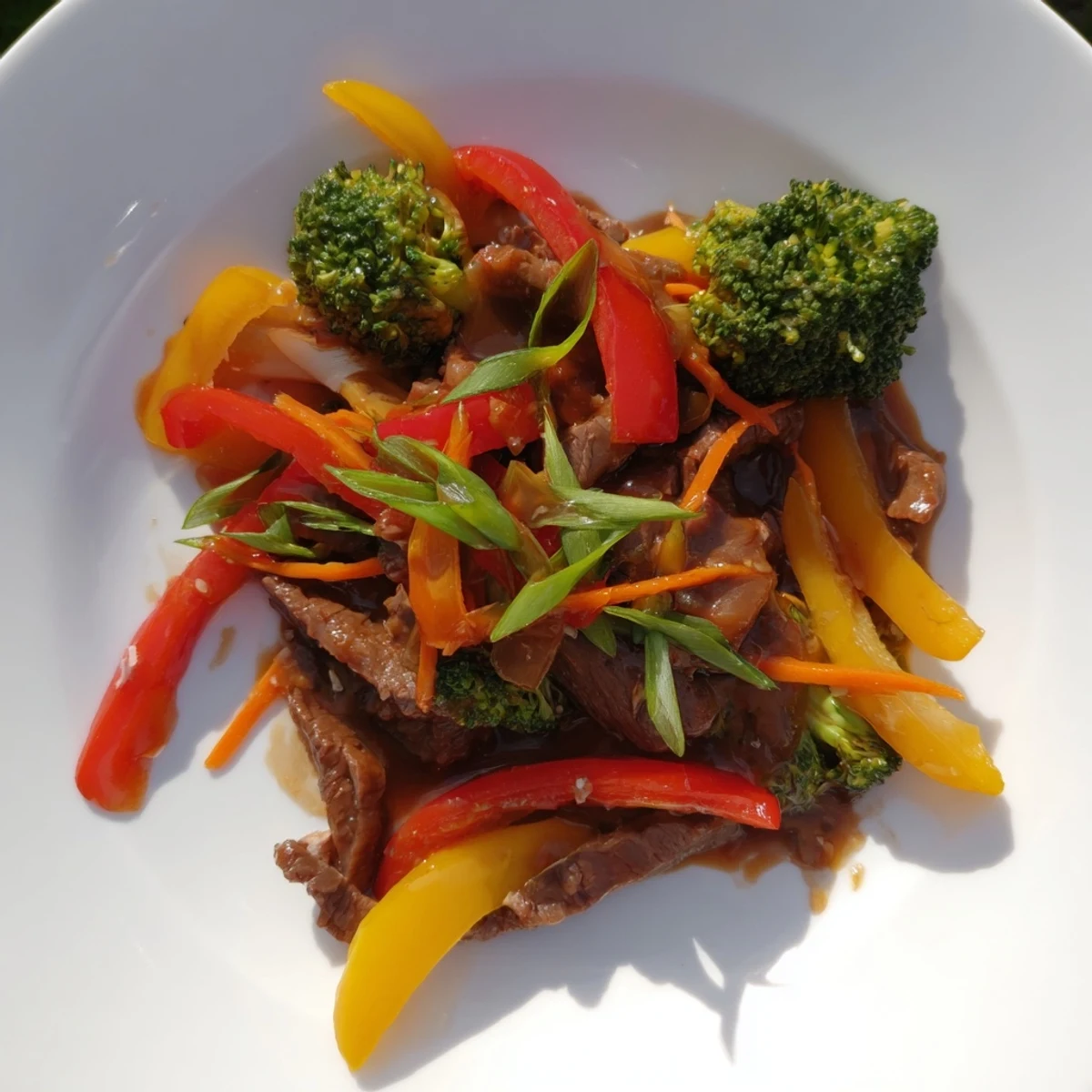
Save What I love most about this dish is that it proves you don't need hours or a complicated ingredient list to make something memorable. It becomes the meal you turn to on nights when you want to feel like you're taking care of yourself without the stress.
Questions & Answers
- → What cut of beef works best for this dish?
-
Flank steak or sirloin thinly sliced against the grain are ideal for quick stir-frying and tender results.
- → How do I keep the vegetables crisp-tender?
-
Stir-fry vegetables quickly over high heat and add them in stages to maintain their texture and color.
- → Can I make this dish gluten-free?
-
Yes, substitute regular soy and oyster sauces with gluten-free alternatives to accommodate gluten sensitivities.
- → What are good alternatives for the beef?
-
Chicken or tofu can be used in place of beef for different protein options while keeping the same flavors.
- → How do I add more heat to the dish?
-
Incorporate sliced chili peppers or a dash of chili sauce during stir-frying to enhance the spiciness.
- → What side dishes complement this dish well?
-
Steamed rice or noodles pair wonderfully, absorbing the savory sauce and balancing the assembly.