
 Save
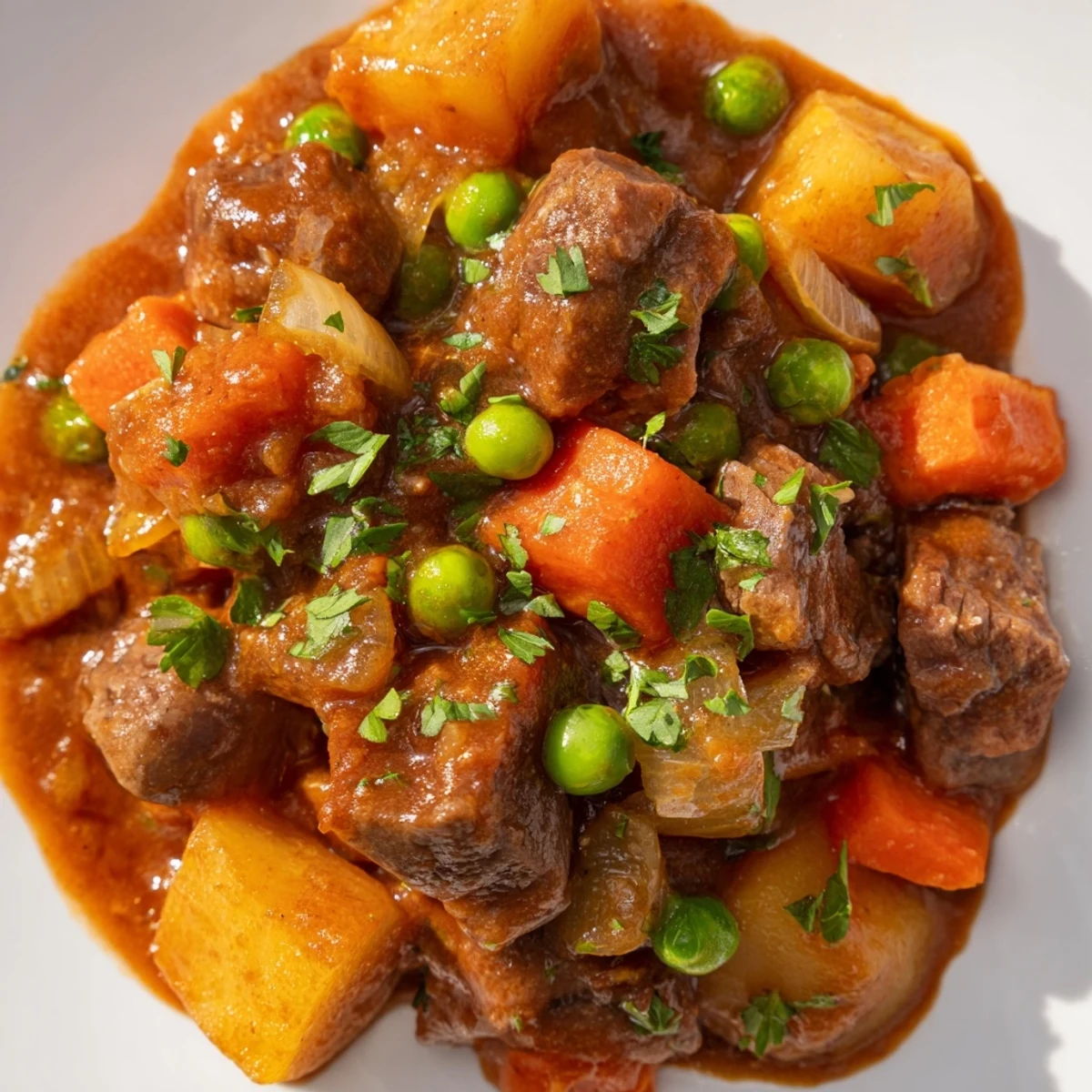
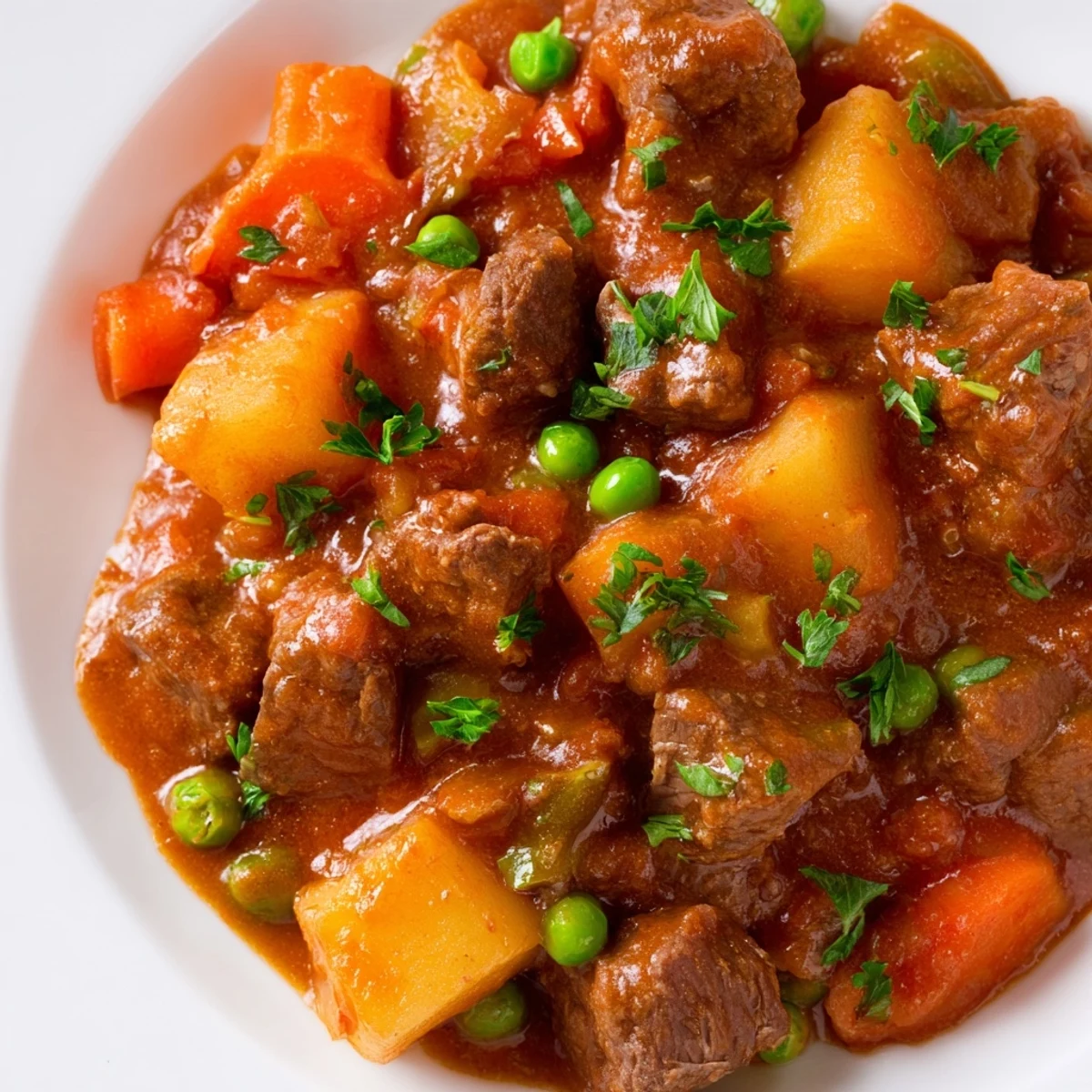
Save This dish combines tender cubes of beef with hearty vegetables like carrots, potatoes, onions, and peas, all simmered in a savory tomato-based sauce infused with herbs such as thyme and rosemary. After searing the beef and sautéing the vegetables, everything is baked to meld flavors perfectly and create a rich, satisfying meal. Ideal for family dinners or meal prep, it offers a balance of protein and vegetables with a comforting, slow-cooked taste.
There's something about the smell of beef browning in a hot Dutch oven that pulls me back to a rainy Sunday at my aunt's house, where this casserole emerged from her oven just as we were all arriving half-frozen from a morning drive. The way the kitchen filled with that deep, savory warmth made everyone stop talking for a moment. That's when I realized a good casserole isn't just dinner—it's a quiet way of saying you belong here.
I made this for my partner's work friends during a weeknight dinner party, and the moment I pulled it from the oven, someone actually gasped at the aroma. It became one of those dishes people text me about months later, asking if I'd make it again. That's the kind of power a good beef casserole holds.
Ingredients
- Beef chuck or stewing beef (1.5 lbs), cut into 1-inch cubes: This cut has just enough marbling to become incredibly tender and flavorful as it braises—don't use lean beef, or you'll end up with tough little nuggets.
- Carrots (2 large), peeled and sliced: They sweeten slightly as they cook and add natural body to the sauce.
- Potatoes (2 medium), peeled and diced: These absorb the savory broth and become little pockets of comfort in every bite.
- Onion (1 large), chopped: The foundation of flavor—don't skip the sauté step, or you'll taste the raw bite.
- Celery (2 stalks), sliced: It adds depth you won't consciously taste but will definitely miss if it's gone.
- Garlic (2 cloves), minced: Fresh garlic matters here; jarred will taste metallic by the end of cooking.
- Frozen peas (1 cup): Add these at the very end so they stay bright and don't turn to mush.
- Beef broth (2 cups): Use good quality broth—it's the backbone of your sauce.
- Diced tomatoes (1 can, drained): Draining them keeps the casserole from becoming watery; save the juice for soup instead.
- Tomato paste (2 tbsp): This concentrates the savory depth and acts as a thickening agent.
- Worcestershire sauce (2 tbsp): The umami secret that makes people ask what that mysterious flavor is.
- All-purpose flour (2 tbsp): Dusted over the vegetables, it creates a light thickening base for the sauce.
- Dried thyme (1 tsp): Herbaceous and subtle—it bridges beef and vegetables beautifully.
- Dried rosemary (1 tsp): Earthy and slightly piney; a little goes a long way, so measure carefully.
- Bay leaf (1): Remove it before serving, or warn your guests.
- Black pepper (1/2 tsp), salt (1 tsp to taste): Taste as you go; you might need more salt than the recipe suggests depending on your broth.
- Fresh parsley (2 tbsp), chopped: Scatter it on top just before serving for a fresh contrast to all that richness.
- Olive oil (2 tbsp): Use it to get a proper sear on the beef—this step develops flavor you can't fake later.
Instructions
- Heat your oven and prepare your vessel:
- Preheat to 350°F. Have your Dutch oven or oven-safe casserole dish ready on the stovetop—you'll want it hot enough to sear properly.
- Brown the beef until it's golden:
- Heat olive oil until it shimmers, then add the beef cubes in batches so they actually sear instead of steaming. This takes about 5 minutes total; you're building flavor here, not rushing.
- Soften the vegetables in the rendered fat:
- Toss in onions, carrots, celery, and garlic, letting them sit for 4 to 5 minutes until they release their sweetness and start to turn tender at the edges.
- Dust with flour and let it cook briefly:
- Sprinkle flour over everything and stir for about a minute—this coats the vegetables and starts the thickening process without lumps.
- Return the beef and add everything else:
- Nestle the beef back in, then add potatoes, tomatoes, tomato paste, Worcestershire, herbs, and seasonings. Stir everything together so the flour distributes evenly.
- Pour in the broth and bring to a simmer:
- The liquid should come up around the beef and vegetables; if it doesn't, add a splash more broth. You'll see small bubbles breaking the surface—that's when you know it's ready for the oven.
- Cover and braise low and slow:
- Transfer to the oven and bake covered for 1 hour, which gives the beef time to get tender without drying out the vegetables.
- Finish with peas and let them warm through:
- After an hour, stir in frozen peas and bake uncovered for another 15 minutes—the peas will heat through and the sauce will thicken slightly.
- Taste, adjust, and finish:
- Remove the bay leaf, taste for salt and pepper, and scatter fresh parsley on top just before serving.
 Save
Save I remember my neighbor stopping by the day after I made this and saying the smell had drifted into her kitchen. She asked for the recipe with such genuine longing that I realized this dish had crossed over from just being dinner into something people actually crave.
What Makes This Casserole Different
Most beef casseroles rely on being forgettable—they're filler, something to get on the table. This one isn't like that because it respects the beef enough to sear it properly and lets the vegetables cook until they're soft enough to melt into the sauce. The tomato paste adds sweetness that balances the Worcestershire's saltiness, and the herbs keep everything from tasting muddy or one-note. It's the kind of dish where every component has a reason for being there.
Timing and Temperature Matters
The 350°F oven temperature is gentler than you might expect, but that's intentional—it lets the beef braise without the vegetables turning to soup. If you rush it at a higher temperature, the outside of the beef will toughen before the inside gets tender. The covered hour softens everything, and that final 15 minutes uncovered lets the sauce reduce and concentrate while the peas stay bright and fresh. It's worth following the timing exactly, even though it feels slow.
Variations and Serving Ideas
This casserole is forgiving enough to welcome small changes. Red wine splashed into the broth deepens everything without making it taste boozy, and some people swear by swapping sweet potatoes or parsnips for regular potatoes—both work beautifully. Serve it in wide bowls with crusty bread to soak up the sauce, or spoon it over egg noodles for something warmer and more enveloping on cold nights.
- A splash of red wine added with the broth brings richness that's hard to name but impossible to ignore.
- Crusty bread isn't optional—it's the only way to honor that sauce.
- Leftovers freeze remarkably well and taste even better after a few weeks.
 Save
Save This casserole is the kind of food that brings people back to the table, back to each other. Make it when you want dinner to feel like more than just eating.
Questions & Answers
- → What type of beef is best for this dish?
-
Stewing beef or beef chuck cut into cubes works best as it becomes tender during slow baking.
- → Can I substitute the vegetables in this dish?
-
Yes, sweet potatoes or parsnips can be used instead of regular potatoes to add different flavors.
- → How do the herbs affect the flavor?
-
Thyme and rosemary add a fragrant, earthy depth that complements the beef and vegetables perfectly.
- → Is it necessary to brown the beef before baking?
-
Browning seals in the flavors and creates a richer sauce by adding caramelized notes.
- → Can I prepare this dish in advance?
-
Yes, it’s perfect for meal prep and tastes even better the next day as the flavors develop.
- → What can I serve this dish with?
-
Serve alongside crusty bread or over egg noodles for a complete hearty meal.