
 Save
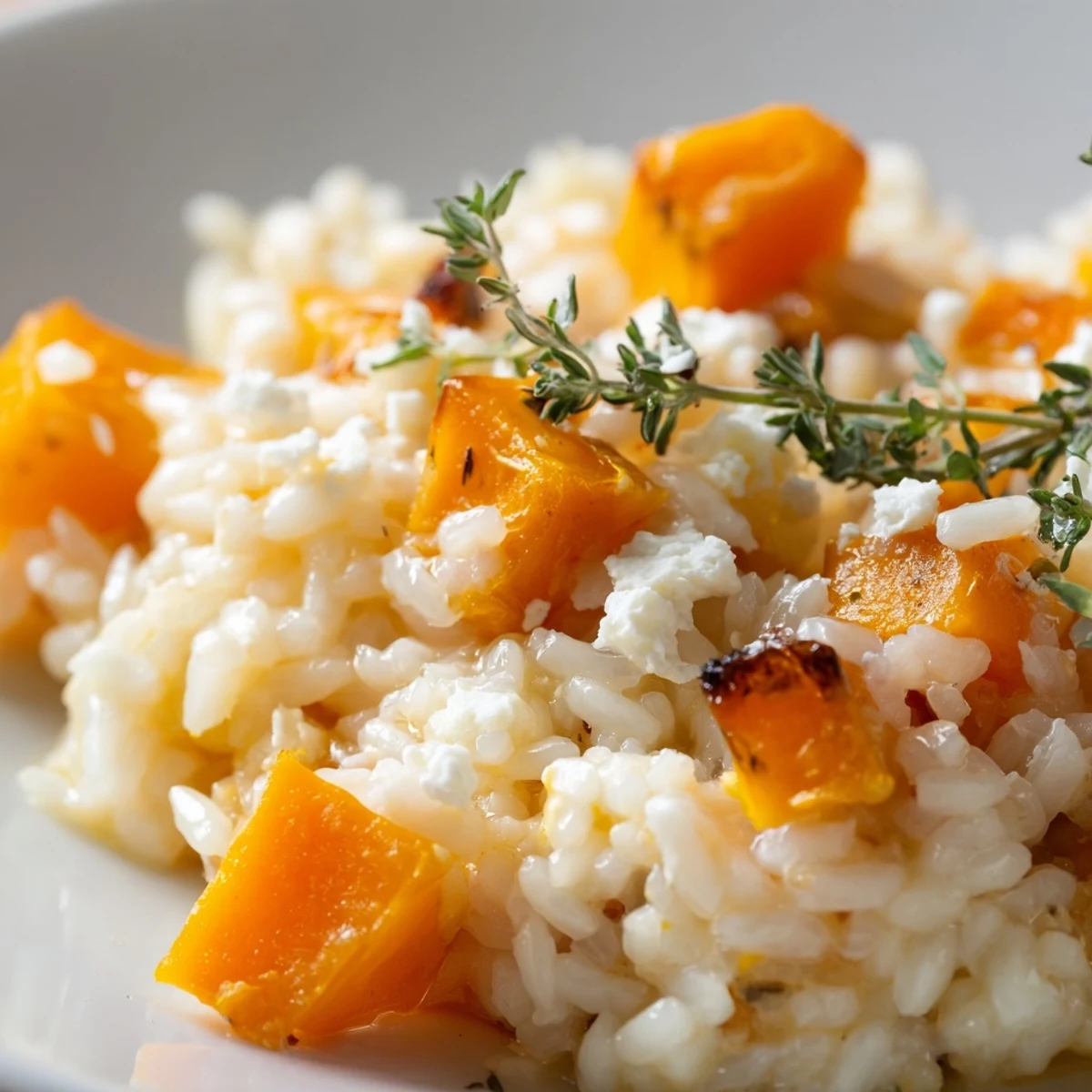
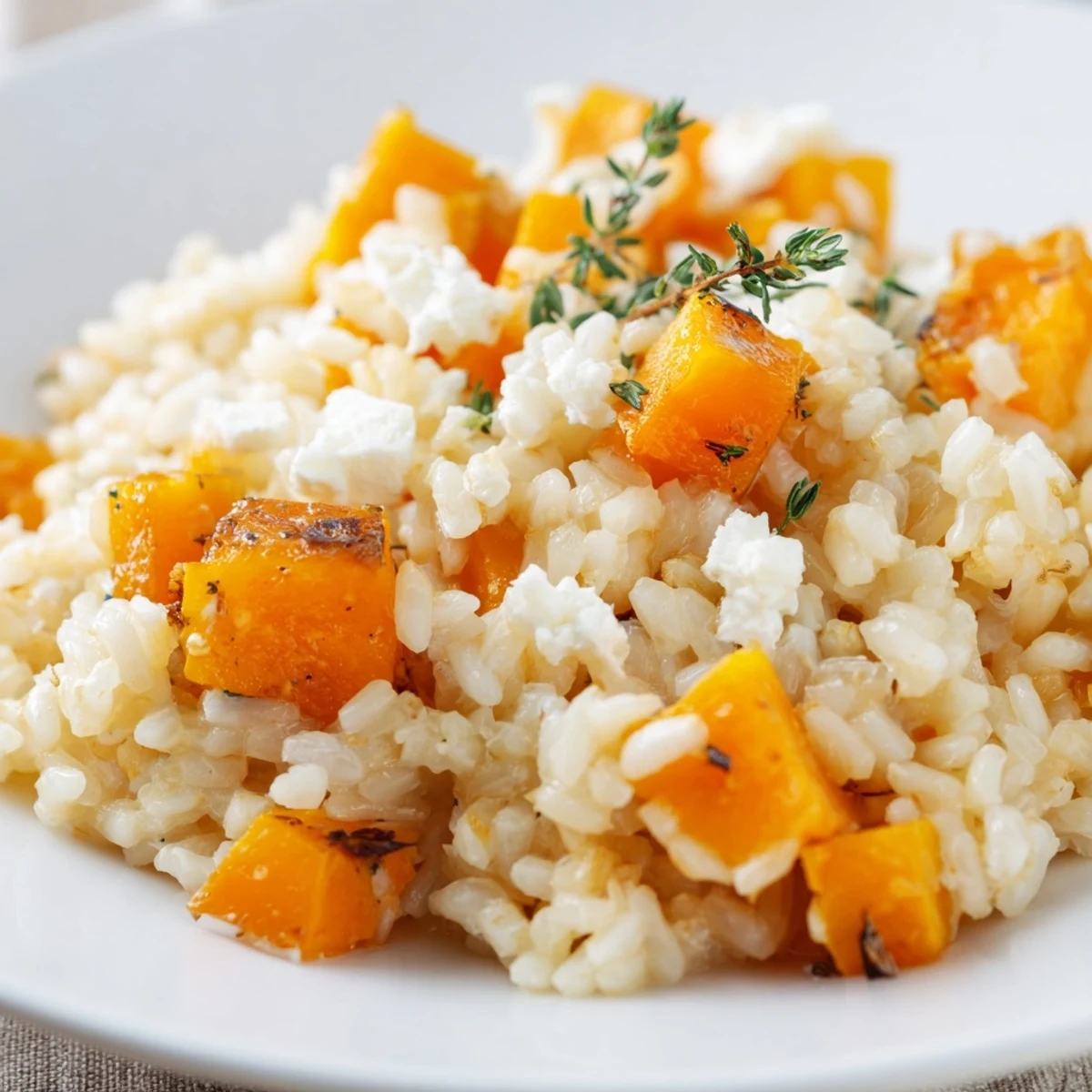
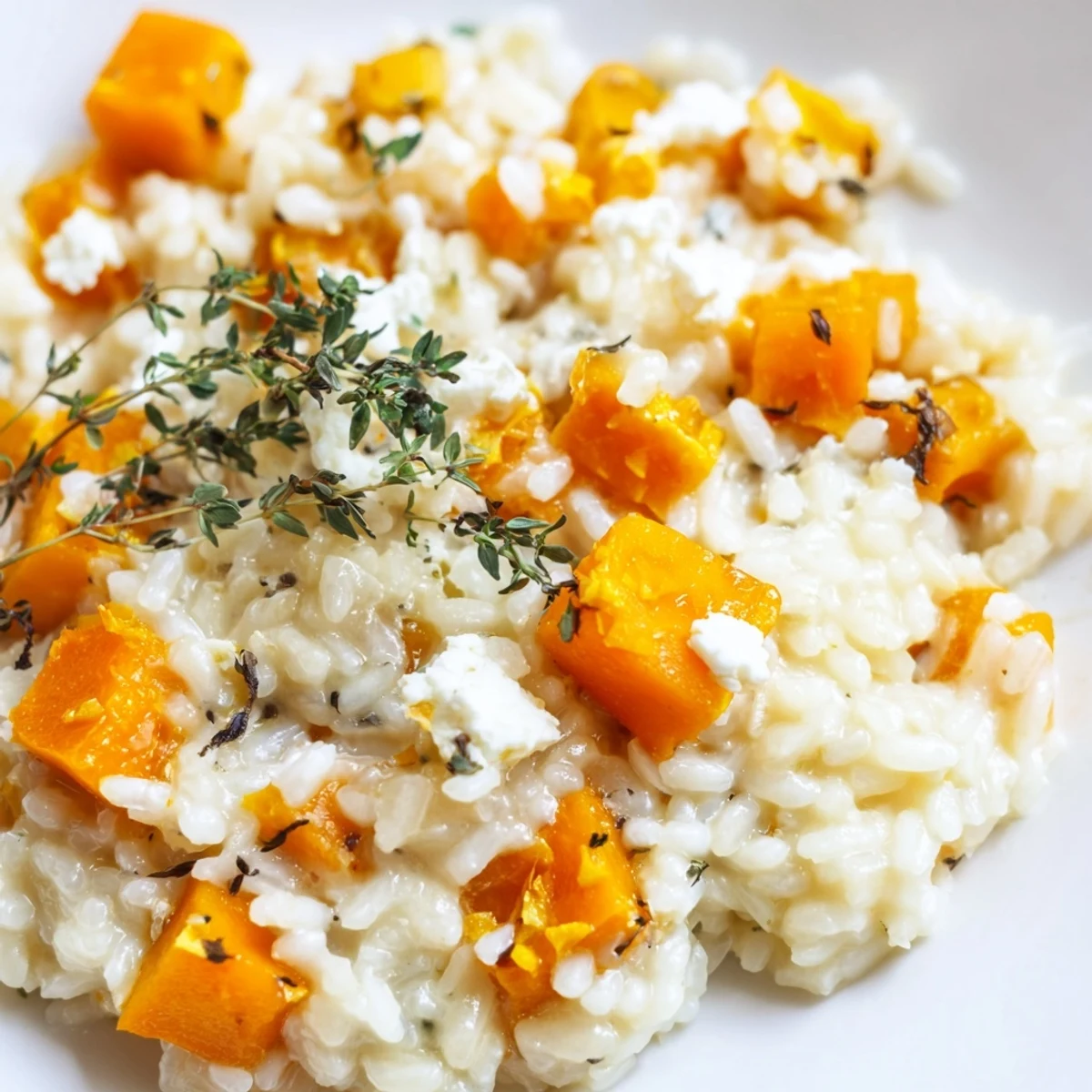
Save This comforting dish combines tender roasted butternut squash with creamy goat cheese and Parmesan in a rich, herb-infused Arborio rice base. Roasting the squash enhances its natural sweetness, perfectly balanced by fresh thyme and a touch of white wine. Butter adds silkiness, creating a luscious, satisfying texture that works well for vegetarian mains or elegant sides. Easy to prepare with simple ingredients, it offers a blend of creamy and savory flavors to elevate any meal.
There's a moment every autumn when the farmers market becomes a temple of golden squashes, and I find myself standing there with three in my arms, completely unsure what to do with them. One year, I decided to roast one and fold it into risotto with goat cheese, almost by accident—a combination that turned out to be exactly what that particular gray October evening needed. The creamy rice, the sweet squash, the tang of the cheese: it felt like I'd discovered something that had always been waiting for me to make it.
I made this for my sister the first time she came to visit after moving away, and watching her face when she tasted it—that quiet moment of recognition, like the dish was speaking a language she understood—reminded me that food is really about presence. We sat at the kitchen counter with the pot between us, and she had three bowls before I even sat down myself.
Ingredients
- 1 small butternut squash (about 700 g), peeled, seeded, and diced into 1 cm cubes: Roasting concentrates the sweetness and brings out a subtle earthiness that transforms the risotto—buy one that feels heavy for its size.
- 1 small yellow onion, finely chopped: The base of everything, sweet and mild once it melts into the rice.
- 2 cloves garlic, minced: Just enough to whisper in the background, not shout.
- 1 tablespoon fresh thyme leaves (or 1 teaspoon dried): Fresh thyme has a brightness that dried can't quite match, but dried works if that's what you have.
- 300 g (1½ cups) Arborio rice: Short-grain and starchy, it releases slowly to create that signature creamy texture you're after.
- 100 g (about 3.5 oz) goat cheese, crumbled: The soul of this dish—tart, creamy, and it melts into the rice like silk.
- 40 g (about ⅓ cup) grated Parmesan cheese: Adds depth and a salty note that balances the goat cheese.
- 2 tablespoons unsalted butter: Divided between sautéing and finishing—each moment matters.
- 1 litre (4 cups) vegetable stock, kept warm: Warm stock absorbs faster and more evenly than cold, which is why this step matters more than it sounds.
- 125 ml (½ cup) dry white wine: It adds acidity and a subtle complexity that makes people ask what they're tasting.
- 2 tablespoons olive oil: One for the squash, one for the pan—quality here makes a quiet difference.
- Salt and freshly ground black pepper, to taste: Don't skip the fresh grinding; pre-ground pepper tastes tired by comparison.
Instructions
- Roast your squash until the edges caramelize:
- Preheat your oven to 200°C (400°F). Toss your diced squash with 1 tablespoon olive oil, salt, and pepper, spread it on a baking sheet, and let it go for 20–25 minutes until the edges are lightly browned and the centers yield easily to a fork. This step is where the magic happens—roasting brings out sweetness you didn't know was there.
- Build your flavor base with the soffritto:
- Heat your remaining 1 tablespoon olive oil and 1 tablespoon butter in a large, heavy saucepan over medium heat. Add your chopped onion and let it go for 3–4 minutes until it turns translucent and smells sweet, then add your minced garlic and thyme and cook for just 1 more minute until fragrant. You'll know it's right when you can smell it from across the room.
- Toast the rice grains to seal them:
- Stir in your Arborio rice and cook, stirring constantly, for about 2 minutes until the grains look slightly translucent at the edges and smell faintly nutty. This toasting step keeps the rice from becoming mushy later.
- Deglaze with wine to add depth:
- Pour in your dry white wine and stir until it's mostly absorbed into the rice, which takes just a minute or two. You'll hear the sizzle quiet down, and that's when you know you're ready for the stock.
- Add stock gradually while stirring—this is the meditative part:
- Add your warm vegetable stock one ladleful at a time, stirring frequently, and wait until each addition is mostly absorbed before adding the next. This takes about 18–20 minutes, and it's during this time that the rice slowly releases its starch and transforms into something creamy. You're not just cooking rice; you're coaxing it into revealing its best self.
- Fold in the squash and finish with cheese:
- When the rice is creamy and al dente—tender but with a slight resistance when you bite it—turn off the heat and gently fold in your roasted butternut squash. Add your crumbled goat cheese, grated Parmesan, and the remaining 1 tablespoon of butter, stirring until everything melts into a unified, creamy whole. Taste and adjust salt and pepper.
- Serve while it's still steaming:
- Plate it immediately—risotto waits for no one—and if you like, finish each bowl with a small crumble of goat cheese and a few fresh thyme leaves.
 Save
Save My neighbor once told me that risotto reminds her of falling asleep—the way each stir brings you deeper into it, and by the end you're somewhere entirely different from where you started. I think she was right. This dish demands your presence, and somewhere around minute twelve of stirring, the kitchen fills with a kind of quiet joy.
The Art of the Stir
The stirring phase isn't just technique; it's where the rice teaches you something about patience. Each time your spoon moves through the pan, the grains release a little more starch, and the liquid becomes incrementally creamier. By the end, you'll understand why Italian cooks consider this act almost meditative. The rhythm becomes automatic, and your mind settles.
Why Goat Cheese Changes Everything
Goat cheese is what prevents this from being just another creamy rice dish. Its tanginess cuts through the richness and adds a subtle complexity that makes people pause mid-bite and ask what they're eating. If you've never used it in a savory context, this is your invitation—it's nothing like the dessert applications you might have seen.
Variations Worth Trying
Once you've made this once, you'll start seeing possibilities everywhere. Roasted mushrooms bring earthiness, sage adds a different kind of herbaceous depth, and a handful of spinach folded in at the end adds color and freshness. The foundation is solid enough to support whatever your kitchen and mood can offer.
- Swap the butternut squash for roasted beets or sweet potato for a different seasonal flavor.
- A splash of heavy cream at the very end, just before serving, makes it even more luxurious if that's what you're after.
- Top with toasted walnuts or pecans for a textural contrast that plays beautifully against the creaminess.
 Save
Save This is the kind of dish that belongs on a table with good conversation and people who have time to sit. Once you've made it, you'll keep coming back to it, especially when you want to feel capable in the kitchen without needing to prove anything to anyone.
Questions & Answers
- → Can I prepare this dish dairy-free?
-
To make it dairy-free, substitute goat cheese and Parmesan with plant-based alternatives and use olive oil instead of butter.
- → What wine pairs well with this dish?
-
Light white wines like Sauvignon Blanc or Pinot Grigio complement the creamy, sweet flavors nicely.
- → How to ensure perfectly cooked grains?
-
Add warm vegetable stock gradually, stirring often, until the grains are tender and creamy yet retain slight bite.
- → Can I use other vegetables instead of butternut squash?
-
Sweet potato works well as a substitute, providing a similar texture and sweetness when roasted.
- → Is it possible to add a crunchy topping?
-
Toasted walnuts or pecans make excellent nutty toppings, adding texture and depth to the dish.