
 Save
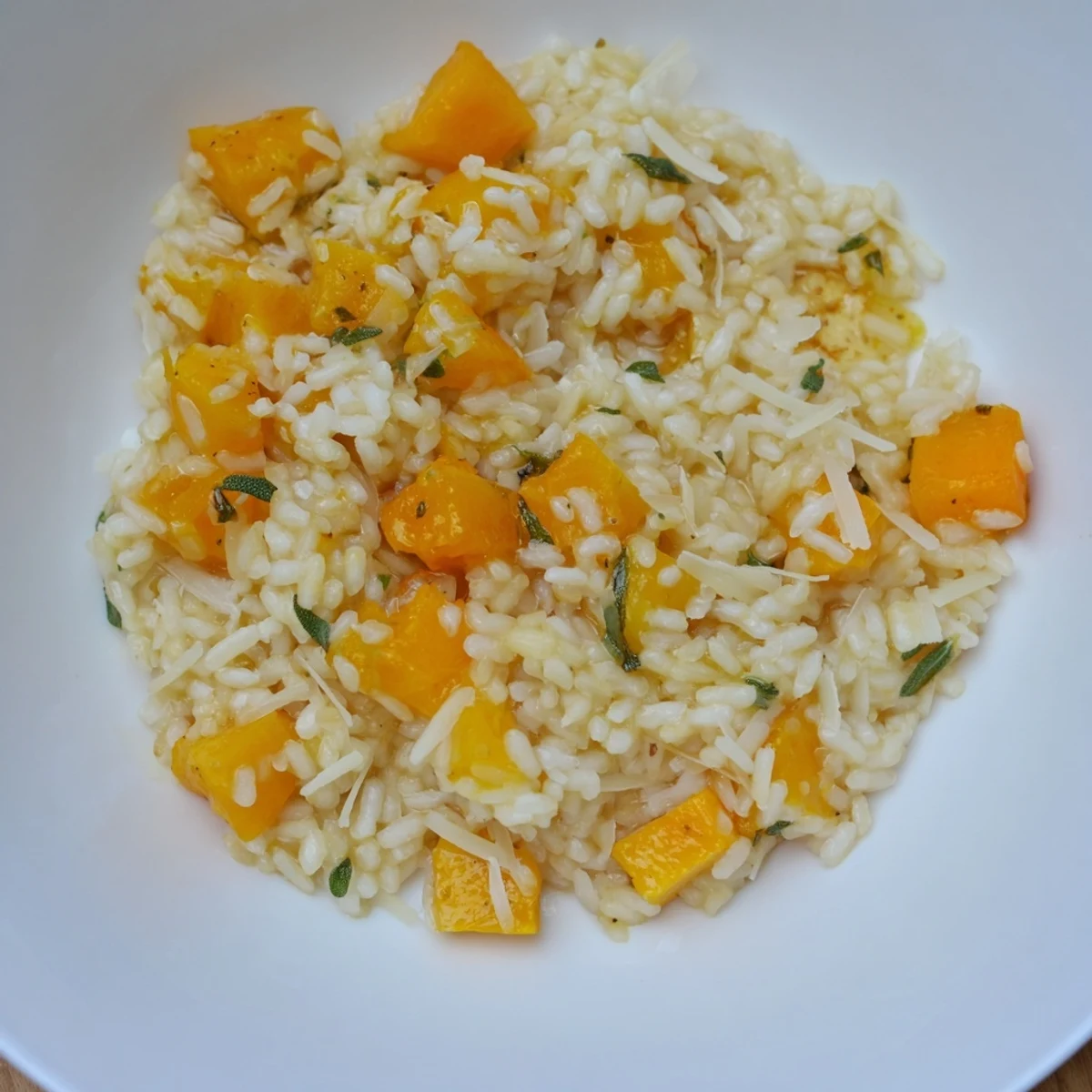
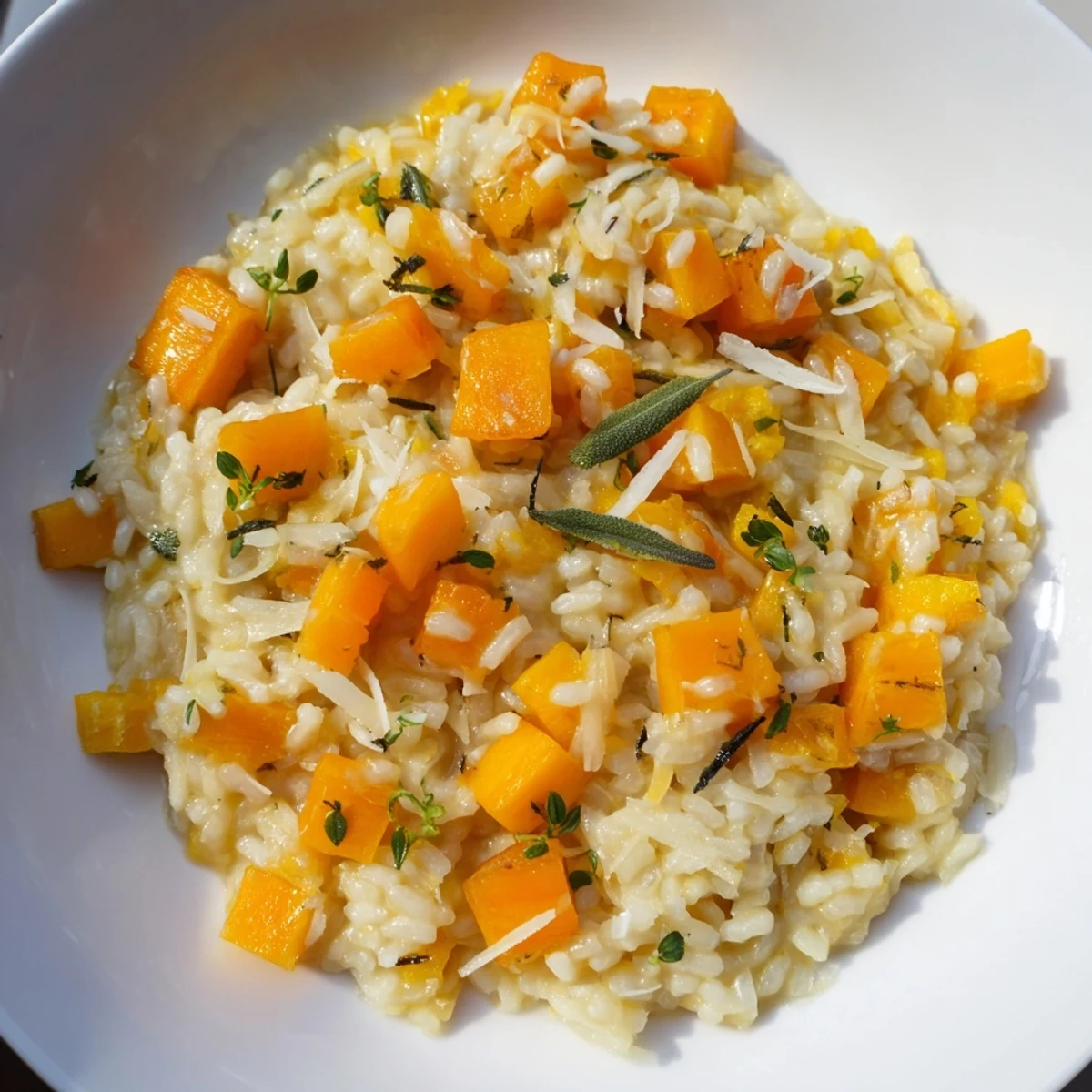
Save This Italian classic features tender Arborio rice slowly cooked to creamy perfection with roasted butternut squash cubes. Aromatic onions and garlic build depth while white wine and warm vegetable stock create a velvety texture. Finishing with Parmesan and butter enriches the dish, complemented by fresh sage or parsley. Ideal for a cozy fall dinner, this comforting meal offers a lovely balance of sweet roasted squash and rich flavors in every bite.
I discovered butternut squash risotto on a crisp October afternoon when a friend brought a golden bowl to a potluck, and I watched people return for seconds with that look of pure contentment. I'd always thought risotto was fussy and intimidating until I tasted how the sweet roasted squash melted into creamy rice, and I realized that some of the most elegant dishes are actually just patient conversations between you and a wooden spoon. That day, I went home and made my own version, and now whenever fall arrives, this is the first thing I want to create.
I made this for my family on Thanksgiving last year when I wanted something that wasn't turkey, and the kitchen filled with the smell of caramelizing onions and white wine. My grandmother took one bite and said it was the best thing I'd ever made, and that moment made me realize that comfort food isn't about complexity—it's about caring enough to stir, to wait, to build something layer by layer.
Ingredients
- 1 small butternut squash (about 1 ½ lbs), peeled, seeded, and cut into ½-inch cubes: Roasting this first concentrates the sweetness and prevents watery risotto. Cut the pieces fairly uniform so they cook evenly.
- 1 medium yellow onion, finely chopped: This is your flavor foundation. Don't rush this step, and make sure your knife skills give you small, even pieces so they dissolve into the rice.
- 2 cloves garlic, minced: Fresh garlic makes all the difference. Pre-minced garlic sits in jars with regret, so take thirty seconds with a knife.
- 1 ½ cups Arborio rice: This is the only rice that will give you that creamy, almost luxurious texture. Short-grain varieties won't work here no matter how much you stir.
- 5 cups vegetable stock, kept warm: Warm stock is non-negotiable. Cold stock shocking the rice will disrupt the cooking process and mess with your timing.
- 2 tbsp olive oil: Good olive oil, the kind you'd actually taste on bread. It matters here.
- 2 tbsp unsalted butter: For the base, plus another 2 tbsp at the end. Butter is where risotto gets its soul.
- ½ cup dry white wine: Something you'd actually drink. The alcohol cooks off but the flavor stays, adding complexity.
- ¾ cup freshly grated Parmesan cheese: Block cheese, grated moments before using. Pre-grated has anti-caking agents that ruin the silky finish.
- ½ tsp sea salt and ¼ tsp freshly ground black pepper: Season as you go, not all at the end. You'll taste better this way.
- 2 tbsp chopped fresh sage or parsley for garnish: This is optional but it's the difference between good and unforgettable.
Instructions
- Roast your squash until it's golden and tender:
- Preheat your oven to 400°F. Toss those butternut squash cubes with 1 tbsp olive oil, a whisper of salt, and pepper. Spread them on a baking sheet in a single layer and roast for 20 to 25 minutes, stirring once halfway through when they've started to caramelize at the edges. You want them tender enough that a fork slides through, with golden-brown spots that taste like autumn itself. Set them aside to wait for their moment.
- Build your flavor base with onions and butter:
- In a large, heavy-bottomed saucepan, warm 1 tbsp olive oil with 2 tbsp butter over medium heat until it's foaming and smells like possibility. Add your chopped onion and let it cook gently for about 3 minutes, stirring occasionally, until it becomes translucent and soft. Then add the minced garlic and stir constantly for 1 minute more until the kitchen fills with that unmistakable aroma.
- Toast the rice to unlock its nutty flavor:
- Add the Arborio rice and stir it constantly in that butter and oil mixture for 2 minutes. You'll see the grains start to turn slightly translucent at the edges and they'll smell toasty, almost popcorn-like. This step matters more than people realize because it seals the starch and ensures each grain stays separate instead of turning to mush.
- Add wine and let it whisper into the rice:
- Pour in the dry white wine and stir. Watch as it sizzles and the alcohol starts to cook off. Keep stirring until the wine is mostly absorbed and you barely smell the wine anymore, just a richness that's seeped in.
- Begin the patient ritual of adding stock:
- This is where risotto becomes meditative. Add the warm vegetable stock one ladle at a time, stirring fairly often. Wait until most of the liquid is absorbed before adding the next ladle—you'll see the rice begin to look creamy around the edges but still have texture in the center. Continue this dance for about 18 to 20 minutes. You'll know you're close when the rice tastes creamy but still has a slight bite, what Italians call al dente. Your arm will get tired. This is perfect.
- Fold in the golden squash and let it marry into the rice:
- When your rice is almost there, gently fold in all those roasted butternut squash pieces. Stir gently for 2 to 3 minutes more so they warm through and start to soften slightly into the creamy rice, but keep some of their shape.
- Finish with butter and cheese for that final silk:
- Remove the pan from heat. This is the moment that transforms good risotto into something people ask you to make again. Stir in the Parmesan cheese and the remaining 2 tbsp butter with vigor, almost beating it in until the whole thing becomes luxuriously creamy and glossy. Taste it. Adjust with salt and pepper until it's exactly right for you. This is your dish now.
- Serve immediately with a whisper of fresh herbs:
- Risotto waits for no one, so have your bowls warm and ready. Divide it among four plates and if you have fresh sage or parsley, scatter it over the top where it'll brighten everything.
 Save
Save There was a night when I made this for someone I was trying to impress, and halfway through the stirring I realized that constantly tending to something, watching it transform, caring enough to not walk away—that's what cooking actually is. They ate it slowly and deliberately, and that quiet attention felt like the highest compliment. Now every time I make risotto, I remember that moment and understand why this dish has been part of Italian tradition for centuries.
Mastering the Stir
The secret that nobody tells you about risotto is that stirring isn't just a technique, it's a conversation. You're slowly releasing the starch from the rice grains, and that starch is what makes the dish creamy without any cream. When you stir, you're listening to the rice, watching how it changes from hard little bullets to soft, swollen grains with a pearl of resistance in the center. The sound changes, the smell changes, and the feeling under your wooden spoon changes. Once you tune into this, you can make risotto in any kitchen in the world.
Why Roasted Squash Makes All the Difference
I used to add raw squash to risotto, thinking the long cooking time would soften it. Instead, the moisture from the raw squash made everything diluted and watery. Roasting the squash first concentrates its natural sugars, caramelizes the edges, and transforms it into something that adds depth rather than dilution. It also means you can fold it in at the very end and keep its texture instead of letting it disintegrate into the rice.
Beyond the Basics
Once you've made this risotto a few times and your hands know the rhythm, you'll start understanding how risotto works. You can swap the butternut squash for roasted mushrooms, or add a pinch of saffron if you're feeling fancy, or stir in some crispy sage leaves right before serving. You could even finish it with a drizzle of truffle oil if you're trying to celebrate something special. The foundation is always the same, but the variations are endless.
- A tiny pinch of nutmeg stirred in with the squash adds a warmth that people taste but can't name
- If you have vegetable scraps, you can make your own stock and it'll taste even more connected to what you're cooking
- This pairs beautifully with a simple green salad dressed in lemon vinaigrette to cut through the richness
 Save
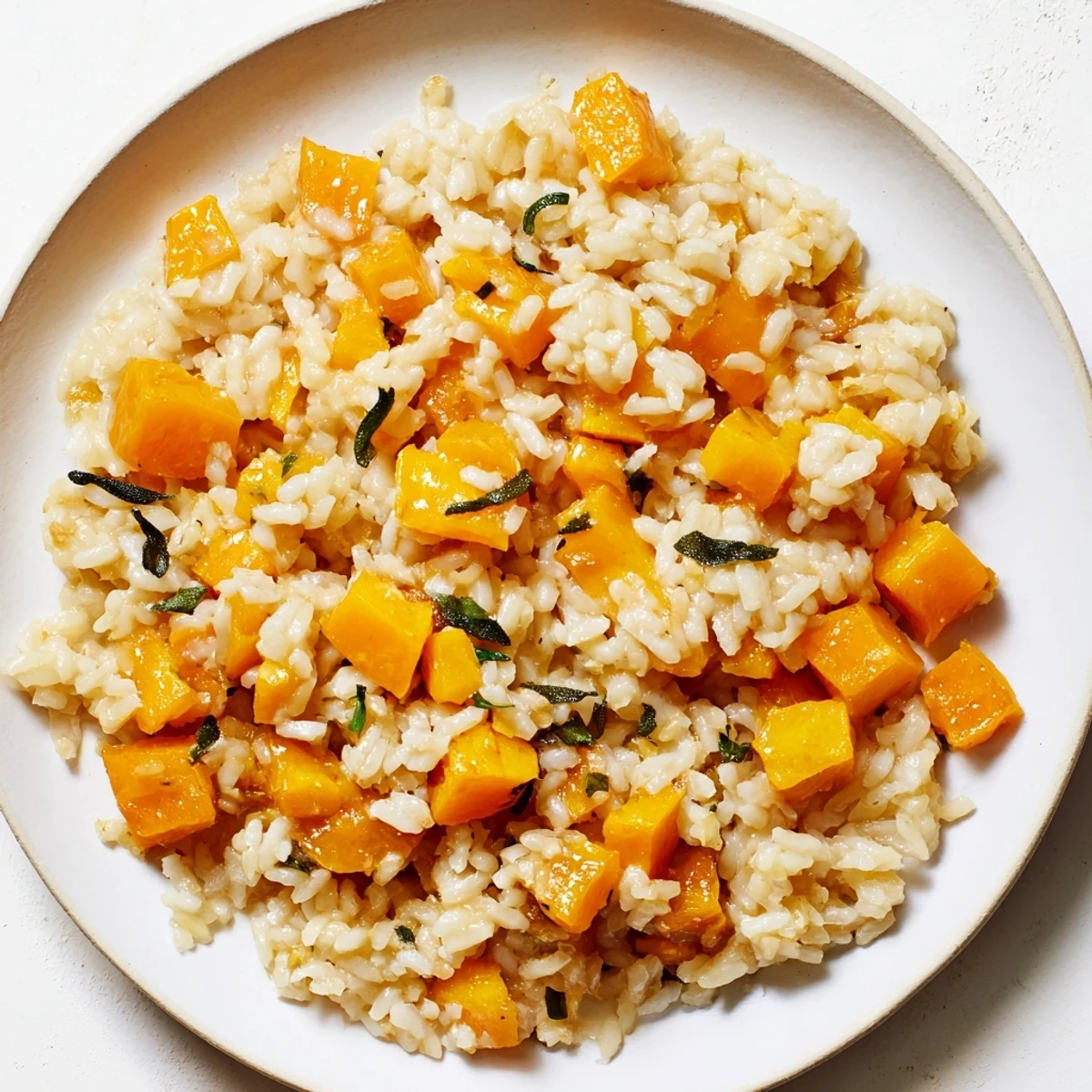
Save Butternut squash risotto is the kind of dish that makes you feel like you've created something intentional and nourishing. It's fall in a bowl, it's Italian tradition with a whisper of sweetness, and it's proof that sometimes the best meals come from standing still and stirring.
Questions & Answers
- → What type of rice is best for this dish?
-
Arborio rice is ideal as it absorbs liquid well and creates the creamy texture typical of this style.
- → Can I prepare the butternut squash ahead?
-
Yes, roasting the squash in advance helps speed up cooking and enhances its natural sweetness.
- → How do I know when the rice is done?
-
The rice should be al dente—tender but still slightly firm in the center—after about 18–20 minutes of slow cooking.
- → What can I use instead of Parmesan?
-
For a dairy-free option, try a plant-based cheese or nutritional yeast for a similar umami flavor.
- → Which herbs complement this dish best?
-
Fresh sage or parsley adds a bright, herbal note that balances the richness of the squash and cheese.
- → Is it possible to make this gluten-free?
-
Yes, using gluten-free stock and ensuring no gluten-containing ingredients are added keeps the dish gluten-free.