
 Save
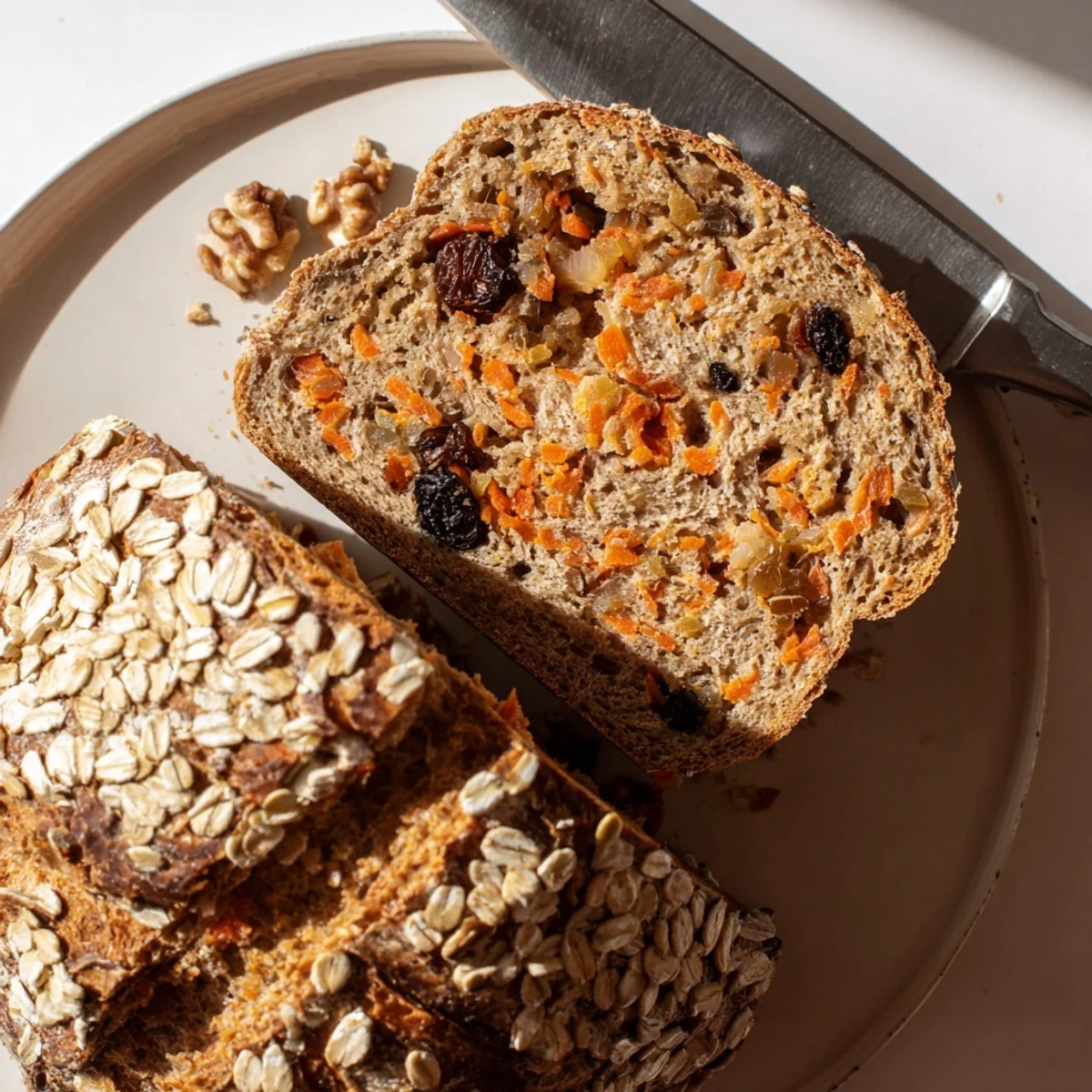
Save This innovative fusion loaf brings together the best of both worlds: the complex tangy notes of traditional sourdough and the comforting sweetness of spiced carrot cake. The dough incorporates freshly grated carrots, brown sugar, cinnamon, nutmeg, and ginger, creating an aromatic baking experience. After an overnight fermentation, the bread develops a deep flavor profile and characteristic open crumb. The optional additions of raisins and chopped walnuts add texture and richness, while the slow fermentation process ensures optimal digestibility and depth of flavor. The result is a versatile loaf that works beautifully toasted with cream cheese for breakfast or enjoyed plain as an afternoon snack.
The smell of cinnamon and nutmeg mixing with that distinctive sourdough tang caught me completely off guard the first morning I pulled this loaf from the oven. I had been experimenting with adding vegetable purees to my bread for months, but something about grated carrots changed everything. They keep the crumb impossibly moist while the overnight fermentation gives it that deep, complex flavor you cannot fake with commercial yeast.
I served this at a brunch last spring when my friend Sarah announced she was moving across the country. We sat around the table for hours, picking at slices slathered with cream cheese, talking about nothing and everything until the afternoon light turned golden. Sometimes bread is just bread, but other times it becomes the reason people stay a little longer.
Ingredients
- 100 g active sourdough starter: Use a starter that has been fed within the last 8-12 hours and is bubbling enthusiastically
- 350 g bread flour: This provides the structure and protein needed for a good rise and chewy texture
- 75 g whole wheat flour: Adds nuttiness and helps balance the sweetness from the carrots
- 250 g grated carrots: Grate them finely so they distribute evenly throughout the dough and release moisture during baking
- 60 g brown sugar: Feeds the sourdough and contributes to that beautiful golden crust color
- 1 tsp cinnamon: The backbone spice that makes this bread taste like comfort
- 1/2 tsp ground nutmeg: Adds warmth and depth without overpowering the sourdough flavor
- 1/2 tsp ground ginger: Provides a subtle kick that keeps things interesting
- 8 g fine salt: Essential for flavor development and controlling fermentation
- 200 ml lukewarm water: Adjust slightly based on your flour absorption and humidity levels
- 60 g raisins and 50 g chopped walnuts: These are optional but I highly recommend them for texture contrast
Instructions
- Wake up your starter:
- In a large mixing bowl, combine the sourdough starter, water, and brown sugar. Stir until the sugar dissolves completely and the mixture looks like a smooth, creamy slurry.
- Build the dough base:
- Add bread flour, whole wheat flour, cinnamon, nutmeg, ginger, and salt. Mix with your hands or a dough scraper until a sticky, shaggy dough forms and no dry flour remains visible.
- Combine the flavors:
- Fold in the grated carrots, raisins, and nuts until evenly distributed. The dough will feel awkward and messy, which is exactly how it should look at this stage.
- Initial kneading:
- Knead the dough gently for 3-4 minutes, either by hand or with a dough hook on low speed. You are not aiming for windowpane stretch yet, just basic cohesion.
- Let it rest:
- Cover the bowl with a clean towel and let rest for 30 minutes. This autolyse period allows the flour to hydrate fully and makes the next steps much easier.
- Build strength with folds:
- Perform 3-4 sets of stretch and folds every 30 minutes over the next 2 hours. Grab one edge of the dough, stretch it up, and fold it over the center, rotating the bowl each time.
- Bulk fermentation:
- Cover and let the dough rise at room temperature for 4-6 hours, until doubled in size and full of bubbles. The dough should feel jiggly and alive when you gently shake the bowl.
- Shape with confidence:
- Shape the dough into a tight boule or batard, then place seam-side up in a parchment-lined banneton or bowl. Use the tension of your work surface to create a smooth skin on the outside.
- Overnight magic:
- Cover and refrigerate overnight for 8-10 hours. This slow ferment develops incredible flavor and makes the dough much easier to handle when scoring.
- Preheat properly:
- Preheat your oven to 230°C (450°F) with a Dutch oven inside for at least 30 minutes. Getting the pot properly hot is the secret to a spectacular crust.
- Prepare for baking:
- Turn the dough onto parchment, sprinkle with oats and seeds if desired, and score the top with a sharp knife or razor blade. A simple cross pattern works beautifully.
- Bake covered first:
- Carefully transfer the dough into the preheated Dutch oven. Bake covered for 25 minutes to trap steam and create that dramatic oven spring.
- Finish with color:
- Uncover and bake for 20 more minutes, until deeply golden brown and the crust sounds hollow when tapped. The bottom should be firm and darkly caramelized.
- Patience pays off:
- Cool completely on a wire rack before slicing, at least 2 hours. Cutting into warm bread will make the gummy texture and you will miss the full flavor development.
 Save
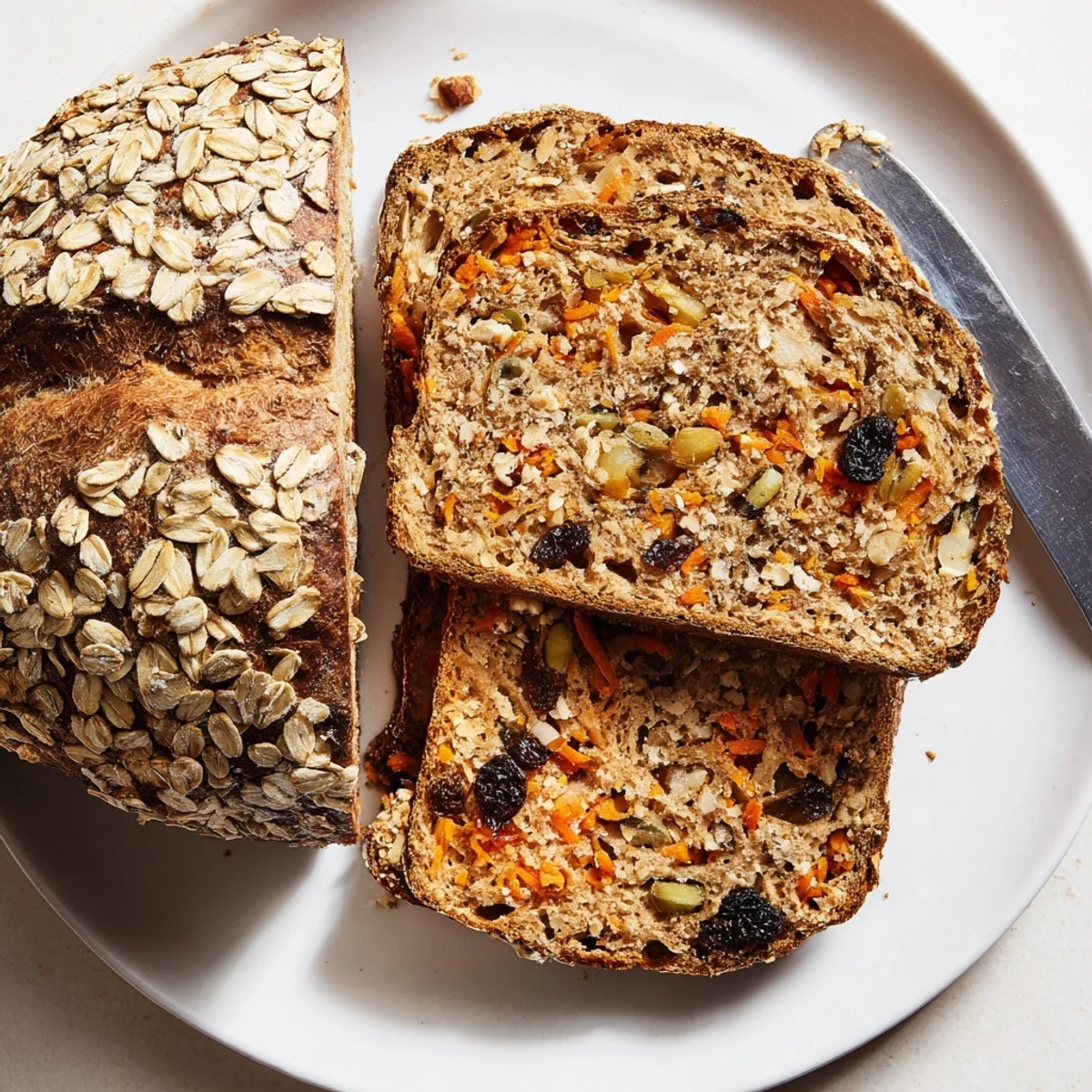
Save My grandmother would have been puzzled by this bread, suspicious of mixing dessert flavors into her beloved daily staple. But I think she would have come around after one bite, warmed slightly with salt butter melting into all those little crevices and pockets of spice.
Making It Your Own
Once you have the basic technique down, this dough welcomes experimentation like an old friend. I have swapped the carrots for grated zucchini in summer, added shredded apple in fall, and even folded in crushed pineapple for a tropical twist that works surprisingly well.
The Science Behind the Sweet
The carrots do more than add moisture and color, they actually participate in the fermentation process. Their natural sugars break down alongside the brown sugar, creating complex flavor compounds that develop during that long, slow overnight rest in your refrigerator.
Serving Suggestions
This bread demands to be celebrated, not just sliced and forgotten. Toast thick slices until the edges crisp up, spread generously with cream cheese spiked with maple syrup, or turn it into the most extraordinary French toast you have ever experienced.
- Warm slightly in the oven before serving to awaken the spices
- Pair with sharp cheddar for a sweet and savory snack
- Wrap well and freeze individual slices for busy weekday mornings
 Save
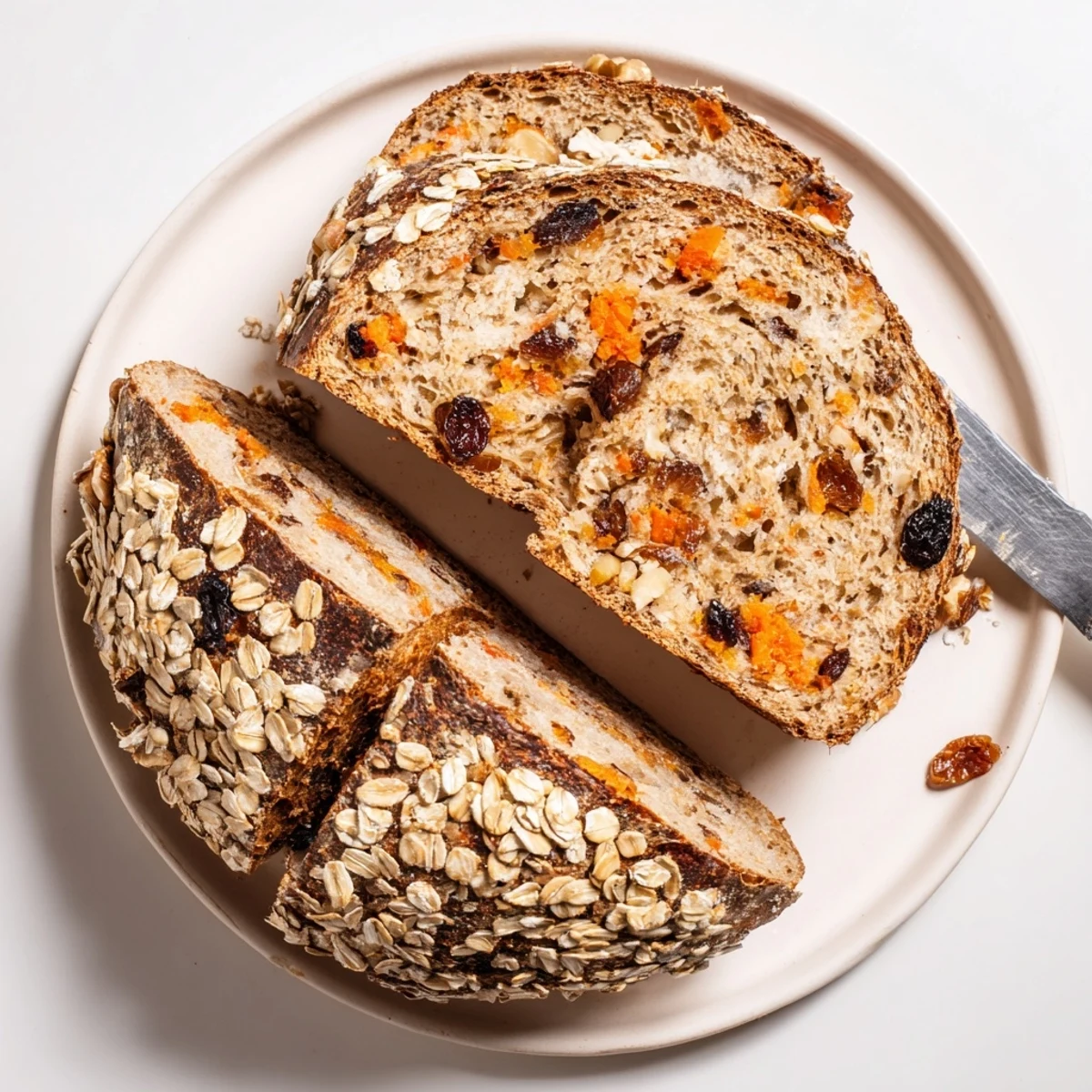
Save There is something deeply satisfying about fusion food that actually works, about refusing to choose between breakfast bread and dessert. This loaf proves that breaking rules sometimes leads to the best discoveries.
Questions & Answers
- → What makes carrot cake sourdough different from regular sourdough?
-
This variation incorporates grated carrots, brown sugar, and warming spices like cinnamon, nutmeg, and ginger directly into the dough. These ingredients add natural sweetness, moisture, and a distinctive aroma that sets it apart from traditional savory loaves.
- → Can I make this without a sourdough starter?
-
A sourdough starter is essential for the authentic tangy flavor and fermentation process. If you don't have one, you can create your own starter over 5-7 days using equal parts flour and water, or ask a fellow baking enthusiast for some of their active starter.
- → How long does the fermentation process take?
-
The total fermentation time is approximately 10-12 hours. This includes an initial 4-6 hour room temperature rise followed by an overnight refrigeration period of 8-10 hours. This slow fermentation develops flavor and improves texture.
- → What can I use if I don't have a Dutch oven?
-
A heavy cast iron pot with a tight-fitting lid works well as an alternative. You can also bake on a baking sheet with a metal bowl inverted over the loaf to create steam during the initial baking phase.
- → How should I store this bread and how long does it last?
-
Store in a paper bag or bread box at room temperature for up to 3 days. For longer storage, slice and freeze in an airtight container for up to 3 months. The moist ingredients means this loaf stays fresh longer than typical sourdough.
- → Can I reduce the sugar content?
-
The brown sugar helps balance the tang from the sourdough and supports browning. You can reduce it slightly to 40-50g, though this may affect the final flavor profile and crust color.