
 Save
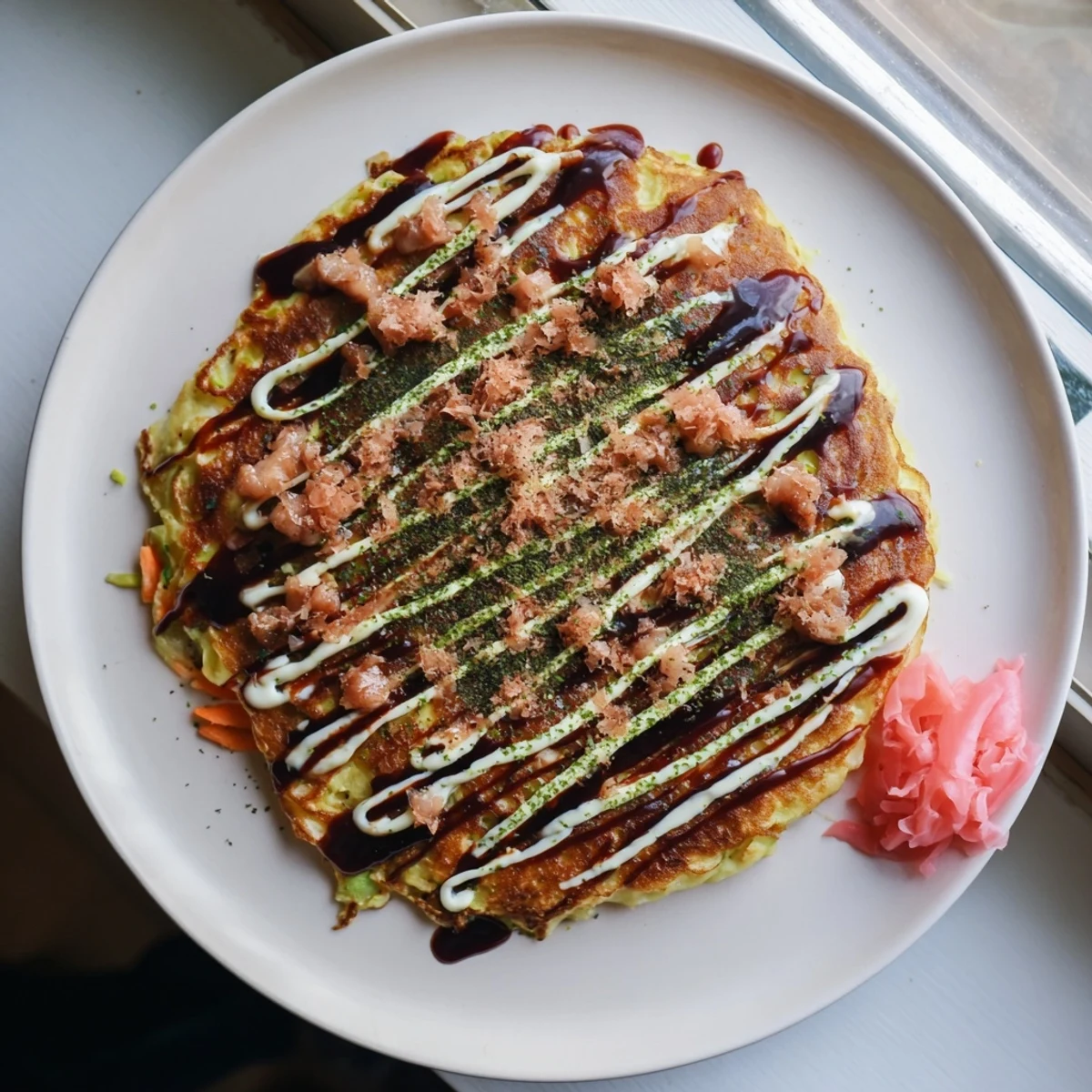
Save This savory Japanese pancake combines shredded cabbage, spring onions, and carrots with a light fluffy batter, creating a satisfying base for tender marinated chicken pieces. The dish comes alive with traditional okonomiyaki sauce drizzled generously alongside creamy Japanese mayonnaise, while dried seaweed flakes and dancing bonito flakes add authentic finishing touches. Each golden-brown pancake delivers perfect texture contrast—crisp edges, tender interior, and that irresistible umami-rich topping combination that makes okonomiyaki a beloved comfort food across Japan.
I stumbled onto okonomiyaki during a rainy Tokyo layover, ducking into a tiny restaurant where the chef sang while flipping these massive cabbage pancakes on a teppan grill. The bonito flakes did this mesmerizing dance on top of the steaming hot sauce, and I knew I had to recreate that magic at home. Now it is my go-to when I want something comforting but still exciting enough to break up a boring dinner routine.
Last winter my friend came over for dinner and watched skeptically as I mounded cabbage onto the skillet, but after one bite she demanded the recipe immediately. We stood around the stove making them together, laughing as we tried to get the sauce patterns just right like the street vendors do.
Ingredients
- 200 g boneless chicken thigh or breast: Thighs stay juicier but either works beautifully when cut into small bite sized pieces
- 1 tablespoon soy sauce: This quick marinade transforms plain chicken into something deeply savory and umami rich
- 1 teaspoon sake: Optional but worth it for that authentic Japanese depth of flavor
- 1/2 teaspoon grated ginger: Fresh ginger adds a gentle warmth that balances the rich toppings
- 130 g all purpose flour: Creates just enough structure to hold everything together without being bread heavy
- 1/2 teaspoon baking powder: The secret to getting a light pancake instead of a dense hockey puck
- 1/2 teaspoon salt: Enhances all the other flavors without overwhelming
- 2 large eggs: Bind everything together while keeping the texture tender
- 120 ml dashi stock or water: Dashi adds another layer of umami but water works in a pinch
- 1 tablespoon mayonnaise: Sounds unusual but makes the batter incredibly tender
- 300 g finely shredded green cabbage: The star ingredient that provides crunch and sweetness
- 2 spring onions: Add mild onion flavor and pretty green flecks throughout
- 1 small grated carrot: Brings a touch of sweetness and color to the mix
- Okonomiyaki sauce: Store bought is fine or mix Worcestershire, ketchup, and soy sauce
- Japanese mayonnaise: Creamier and richer than regular mayo, absolutely worth seeking out
- Aonori and katsuobushi: Optional toppings that make it feel completely authentic
Instructions
- Marinate the chicken:
- Toss the bite sized chicken pieces with soy sauce, sake if using, and grated ginger in a bowl. Let it sit for 10 minutes while you prep everything else.
- Whisk the dry ingredients:
- Combine the flour, baking powder, and salt in a large bowl. Lumps in the flour are okay at this stage.
- Mix the wet ingredients:
- Beat the eggs in a separate bowl, then stir in the dashi stock or water and the tablespoon of mayonnaise until smooth.
- Make the batter:
- Pour the wet mixture into the dry ingredients and stir just until combined. A few lumps are perfectly fine and actually better than overmixing.
- Add the vegetables:
- Fold in the shredded cabbage, spring onions, and grated carrot until everything is evenly coated in batter.
- Heat your pan:
- Warm a large non stick skillet over medium heat with a splash of oil until shimmering slightly.
- Sear the chicken:
- Cook the marinated chicken pieces for 2 to 3 minutes until lightly browned but not cooked through.
- Form the pancakes:
- Scoop about one fourth of the batter into the pan, shape it into a roughly 2 cm thick round, and press some chicken pieces into the top.
- Cook to golden perfection:
- Let it cook for 4 to 5 minutes per side, pressing gently with a spatula, until deeply golden and cooked through completely.
- Add the finishing touches:
- Slide onto plates and drizzle generously with okonomiyaki sauce and Japanese mayonnaise. Sprinkle with aonori and bonito flakes and serve immediately.
 Save
Save These pancakes became our Sunday night tradition after my daughter declared them better than pizza. Something about piling all the toppings on yourself makes the whole experience feel festive and interactive.
Getting The Heat Right
Medium heat is your sweet spot here. Too high and the outside burns before the inside cooks, too low and they become sad and soggy. Listen for that gentle sizzle when the batter hits the pan.
Topping Like A Pro
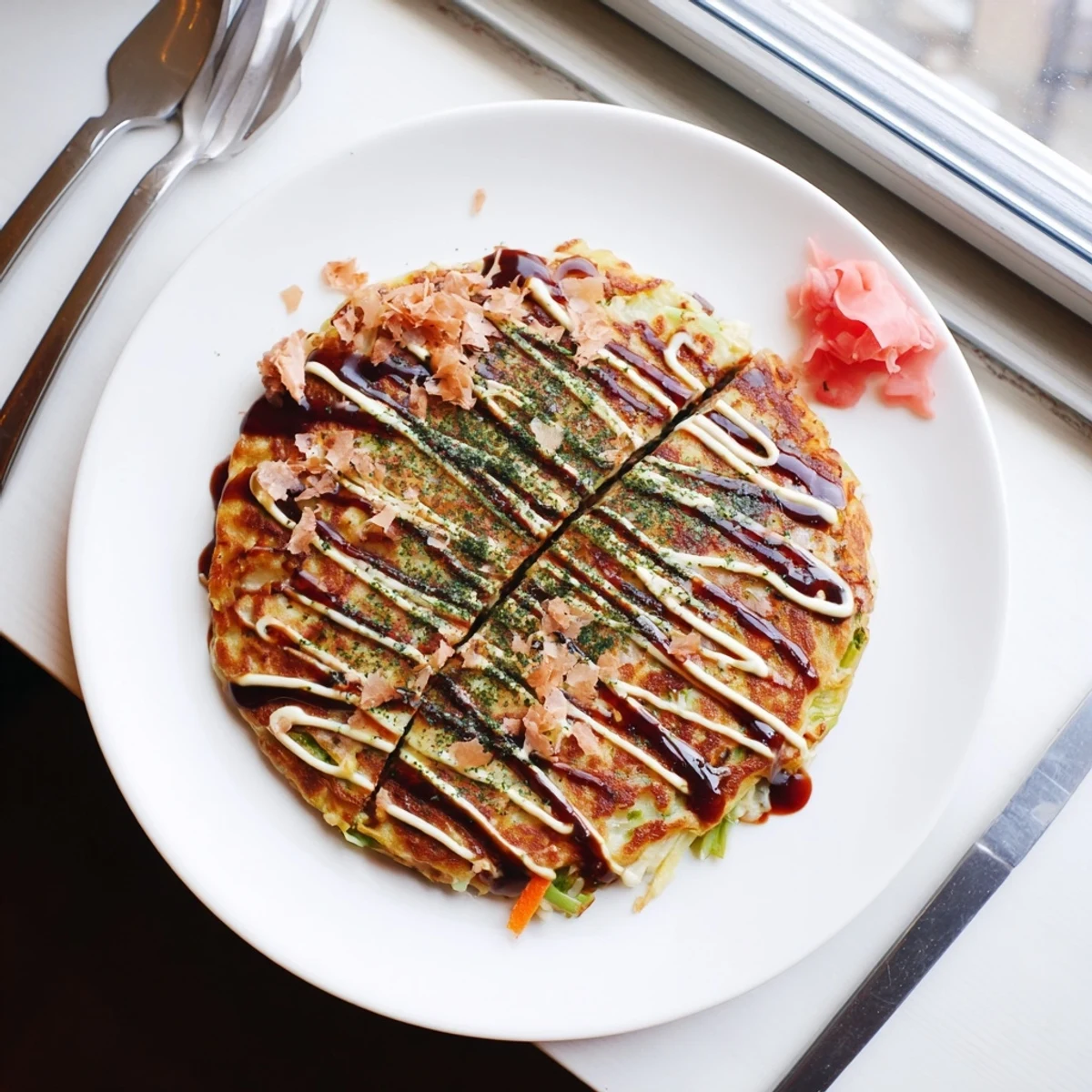
The classic crosshatch pattern with the sauces is not just for looks. It ensures every bite gets both the tangy okonomiyaki sauce and the creamy mayo. Try the traditional zigzag design or go wild with your own style.
Make It Your Own
Once you master the basic batter, the variations are endless. Pork belly, shrimp, or even just extra vegetables work beautifully. The word okonomiyaki literally means grilled how you like it, so embrace that freedom and customize to your heart's content.
- Pork belly strips add incredible richness and crisp edges
- Tenkasu tempura crumbs folded into the batter create extra crunch
- Serve immediately because these do not reheat well at all
 Save
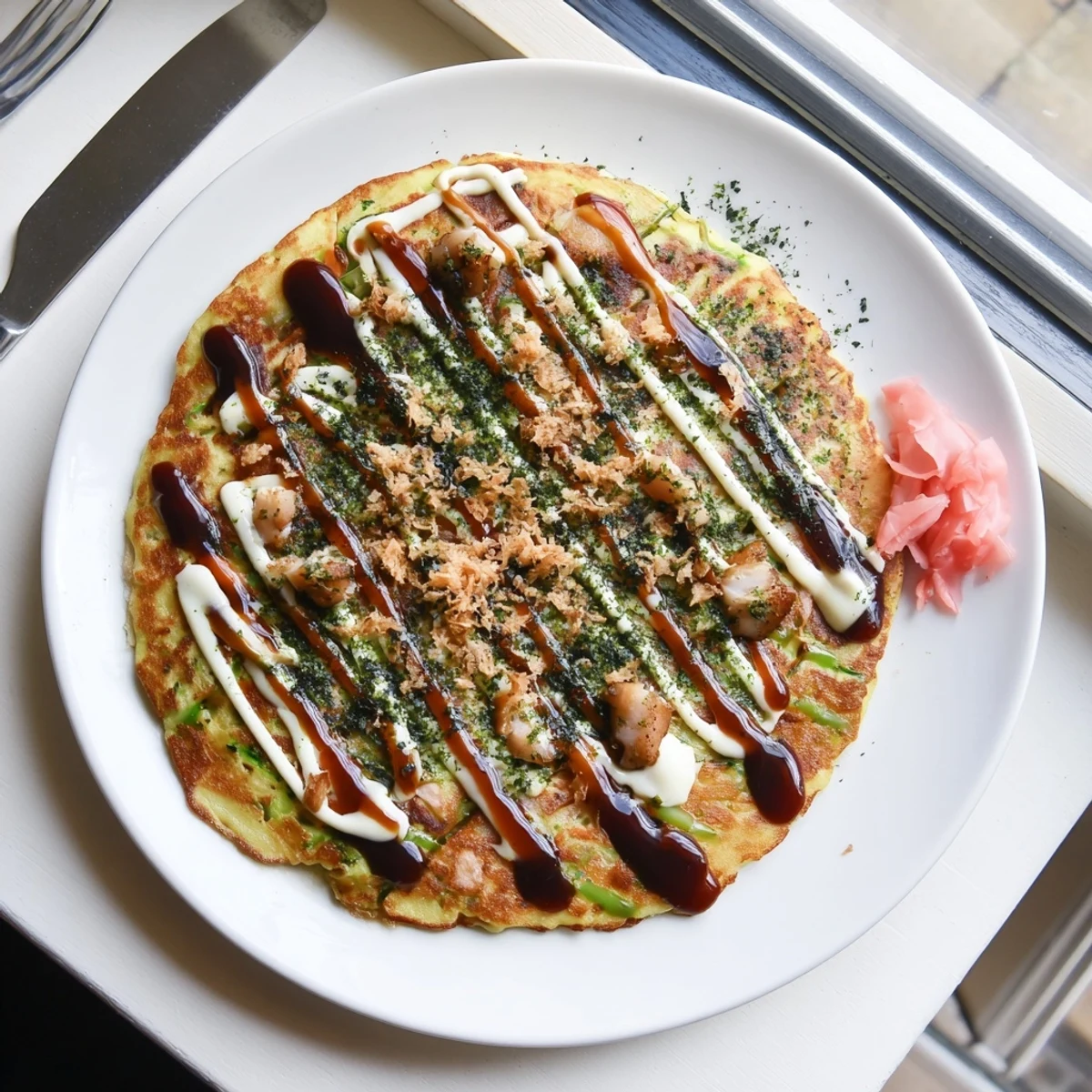
Save There is something magical about transforming humble cabbage into something this crave worthy. Happy flipping and enjoy the dance of those bonito flakes.
Questions & Answers
- → What makes okonomiyaki different from regular pancakes?
-
Unlike sweet breakfast pancakes, okonomiyaki is a savory Japanese creation loaded with shredded cabbage and protein. The batter is lighter, meant to bind vegetables rather than rise. It's cooked until golden and crisp, then topped with umami-rich okonomiyaki sauce, Japanese mayonnaise, and dancing bonito flakes that curl from the residual heat.
- → Can I substitute the chicken with other proteins?
-
Absolutely. Thinly sliced pork belly works beautifully and adds extra richness. Shrimp provides a sweet seafood variation, while cubed tofu creates a vegetarian option. The marinating step helps infuse flavor regardless of your protein choice, so adjust marinade ingredients accordingly.
- → What can I use if I don't have okonomiyaki sauce?
-
Combine Worcestershire sauce, ketchup, and soy sauce for a quick homemade version. The tangy-sweet balance is crucial. Some cooks add oyster sauce or a dash of sugar for depth. Store-bought sauce delivers the most authentic flavor profile, but this substitute works remarkably well in a pinch.
- → Why is my pancake falling apart?
-
The batter should be thick enough to hold shredded cabbage together. If it's too loose, add a tablespoon of flour. Press gently while cooking to help set the structure, but avoid pressing too hard which can make it dense. Let each side cook fully before flipping—the crust provides essential structural integrity.
- → How do I get the edges crispy?
-
Use a well-heated non-stick skillet with a thin layer of oil. Don't overcrowd the pan. Let the first side cook undisturbed until deeply golden before flipping. The residual heat continues cooking the interior while the second side develops its crust. Serve immediately for optimal texture contrast between crispy edges and tender center.
- → Is this dish gluten-free friendly?
-
Traditional okonomiyaki contains wheat flour and soy-based dashi, making it unsuitable for gluten-free diets. However, you can substitute with gluten-free flour blend and tamari instead of soy sauce. Verify all toppings are certified gluten-free, especially store-bought okonomiyaki sauce which often contains wheat-based thickeners.