
 Save
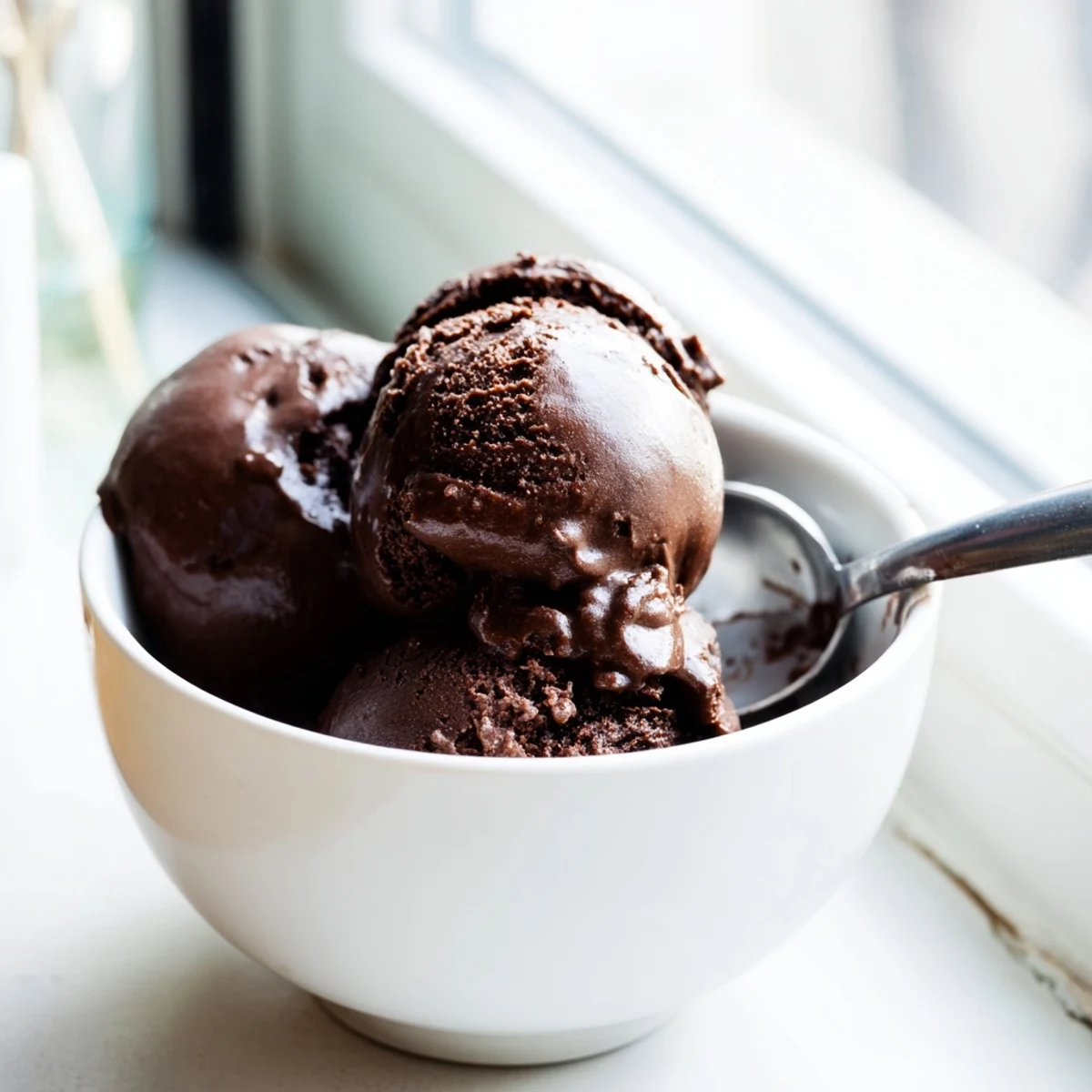
Save This indulgent frozen treat combines the velvety smoothness of traditional custard-based ice cream with the distinctive tang of active sourdough starter. The dark chocolate base features 70% cacao for intense depth, while the fermented starter adds subtle complexity that cuts through the richness.
The process involves creating a classic French custard with egg yolks and dairy, then incorporating chopped chocolate and cocoa powder before whisking in room-temperature sourdough starter. After an essential chilling period, the mixture churns into a beautifully textured dessert with 70% cacao intensity and gentle acidity.
Perfect for those seeking adventurous flavor combinations, this creation bridges the gap between traditional confectionery and artisanal fermentation techniques.
My ice cream maker sat unused for two years until a Friday night experiment changed everything. I had leftover sourdough discard on the counter and a half eaten bar of dark chocolate in the pantry, and somewhere between exhaustion and curiosity I decided to combine them. The result was a frozen dessert that tasted like brownie batter crossed with tangy frozen yogurt, and I have not looked at plain chocolate ice cream the same way since.
I brought a batch of this to a friends barbecue last summer and watched three self proclaimed picky eaters go back for seconds before asking what the secret ingredient was. Their faces when I said sourdough starter were priceless, a mix of suspicion and delight that turned into demands for the recipe.
Ingredients
- Whole milk (1 1/2 cups): Whole milk gives the base its creamy backbone, so do not be tempted to swap in low fat.
- Heavy cream (1 1/2 cups): This is what makes ice cream feel luxurious and smooth on the tongue.
- Granulated sugar (1/2 cup): The sugar amount is intentionally modest because the dark chocolate carries a lot of sweetness.
- Egg yolks (4 large): Yolks create the custard foundation that makes everything velvety.
- Salt (1/4 tsp): A small pinch amplifies the chocolate flavor more than you would expect.
- Dark chocolate 70% cacao (4 oz), chopped: Use good quality chocolate here since it is the star of the show.
- Unsweetened cocoa powder (1/4 cup): This deepens the chocolate flavor without adding extra sweetness.
- Active sourdough starter or discard (1/2 cup): Room temperature discard works beautifully and brings that signature tang.
Instructions
- Warm the dairy:
- Pour the milk, cream, and half the sugar into a saucepan and heat gently until you see steam rising but no bubbles forming.
- Build the yolk mixture:
- Whisk the egg yolks with the remaining sugar and salt in a bowl until the color lightens and the texture looks silky.
- Temper the yolks:
- Slowly pour the hot dairy into the yolks while whisking so the eggs warm gradually without scrambling.
- Cook the custard:
- Return everything to the saucepan over low heat and stir constantly until the mixture coats the back of a spoon like a thin ribbon.
- Melt in the chocolate:
- Take the pan off the heat and stir in the chopped chocolate and cocoa powder until the mixture is glossy and completely smooth.
- Strain and cool:
- Pour the custard through a fine sieve to catch any lumps, then let it sit until it reaches room temperature.
- Fold in the sourdough:
- Whisk the starter into the cooled base until no streaks remain and everything looks unified.
- Chill thoroughly:
- Cover the bowl and refrigerate for at least four hours, though overnight yields the best texture.
- Churn it:
- Pour the cold base into your ice cream maker and churn until it resembles soft serve.
- Freeze to finish:
- Transfer to a lidded container and freeze for at least two hours so it firms up properly.
 Save
Save The moment this ice cream became more than food was when my neighbor, who never bakes, knocked on my door with an empty container asking for a refill. Something about that tangy chocolate combination had turned a casual dessert into a small tradition between us.
Getting the Custard Right
Custard based ice cream rewards patience more than skill. The moment you rush the tempering step or crank the heat, you end up with tiny eggy lumps that no amount of straining can fully erase.
Choosing Your Sourdough
An unfed discard starter that has been sitting on your counter for a day or two actually works better than a freshly fed one because the tang has had time to develop.
Serving and Storing
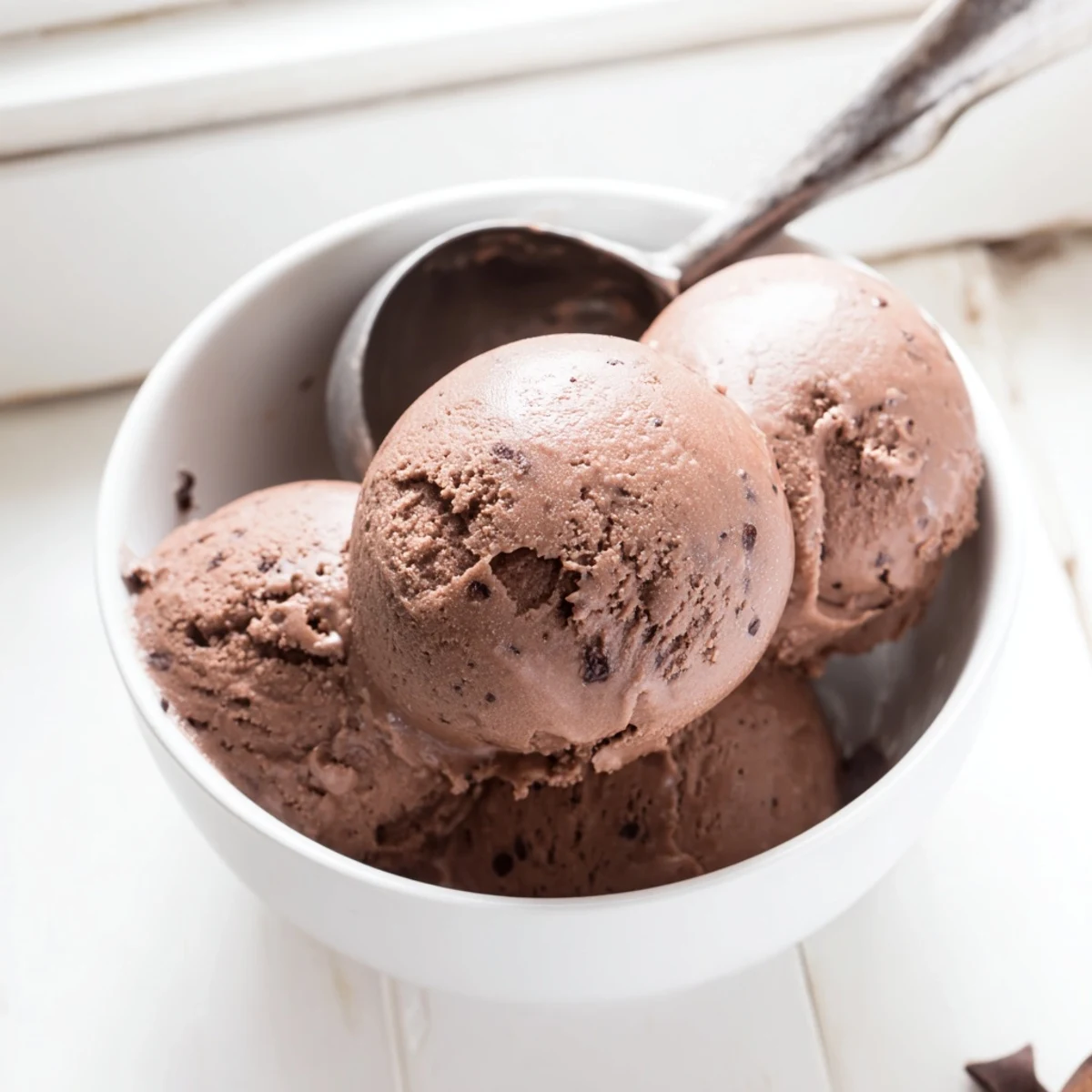
Let the ice cream sit at room temperature for five minutes before scooping so it softens just enough. This small step makes a huge difference in texture.
- A sprinkle of flaky sea salt on top transforms each bite.
- Fresh raspberries or sliced strawberries pair beautifully with the tang.
- Store it in the back of the freezer where the temperature stays most consistent.
 Save
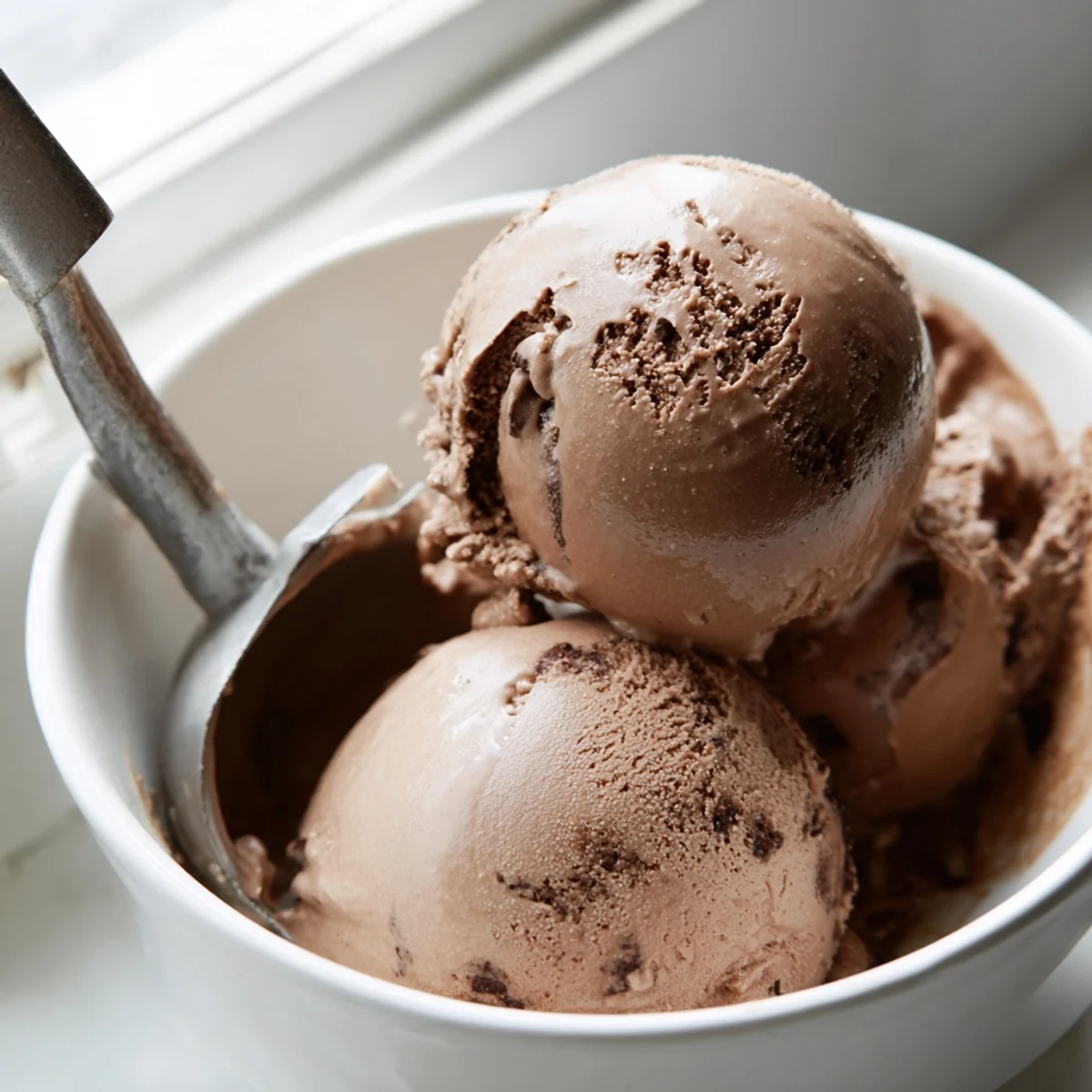
Save This ice cream is proof that the best recipes come from curiosity and a willingness to play with unexpected ingredients. Share it freely and watch people light up when they guess the secret.
Questions & Answers
- → What does sourdough add to ice cream?
-
The sourdough starter introduces subtle tangy notes and slight fermentation complexity that balances the richness of chocolate and cream, creating a more layered flavor profile.
- → Can I taste the sourdough flavor?
-
The sourdough flavor is subtle rather than overpowering. It provides gentle acidity and depth that enhances the chocolate without overshadowing the primary cocoa notes.
- → Should I use fed or unfed starter?
-
Unfed or discard starter works perfectly and adds the ideal tangy character. Fed starter also works but may result in a milder flavor contribution.
- → How long does this need to freeze?
-
After churning, transfer to a lidded container and freeze for at least 2 hours. For firmer texture more similar to store-bought, freeze for 4-6 hours or overnight.
- → Can I make this without an ice cream maker?
-
Yes, pour the chilled base into a shallow container and freeze. Every 30 minutes for the first 3 hours, vigorously whisk or mash with a fork to break up ice crystals, though the texture will be less smooth than churned versions.
- → What chocolate percentage works best?
-
Dark chocolate around 70% cacao provides ideal intensity. Higher percentages yield more bitterness, while lower percentages create a sweeter final result with less depth.