
 Save
Save This classic French vinaigrette blends 3 tbsp extra-virgin olive oil with 1 tbsp red wine vinegar, 1 tsp Dijon mustard and 1 tsp honey (optional). Whisk vinegar, mustard and honey, then stream in oil until emulsified. Season with salt and pepper. Customize with garlic, fresh herbs, lemon juice, or Greek yogurt for creaminess. Store in a sealed jar in the fridge up to one week; shake before use.
The summer my neighbor left a bag of garden tomatoes on my porch, I stood in the kitchen eating them like apples, juice running down my wrist, and realized I had nothing in the fridge worthy of dressing them. A quick riff through the pantry turned up olive oil, a dusty bottle of red wine vinegar, and a nearly empty jar of Dijon. That shameless little whisk job changed how I think about salad forever.
I brought a mason jar of this to a potluck once and three people asked for the recipe, which felt absurd because the whole thing is three ingredients and a fork.
Ingredients
- Extra virgin olive oil (3 tbsp): Use the good stuff here since there is nowhere to hide, and a grassy peppery oil makes all the difference.
- Red wine vinegar (1 tbsp): White wine vinegar works too, but red brings a mellow roundness that pairs beautifully with bitter greens.
- Dijon mustard (1 tsp): This is the emulsifier that holds everything together and adds a subtle heat at the back of your throat.
- Honey or maple syrup (1 tsp, optional): A touch of sweetness tames the acid and rounds out the flavor without making it taste sugary.
- Garlic clove, finely minced (1 small, optional): Rub the bowl with it first if you want a whisper of garlic rather than a shout.
- Salt: Season gradually and taste as you go because oversalted vinaigrette is a sad thing to fix.
- Freshly ground black pepper: Always freshly ground, the pre stuff tastes like nothing and you deserve better.
Instructions
- Build the base:
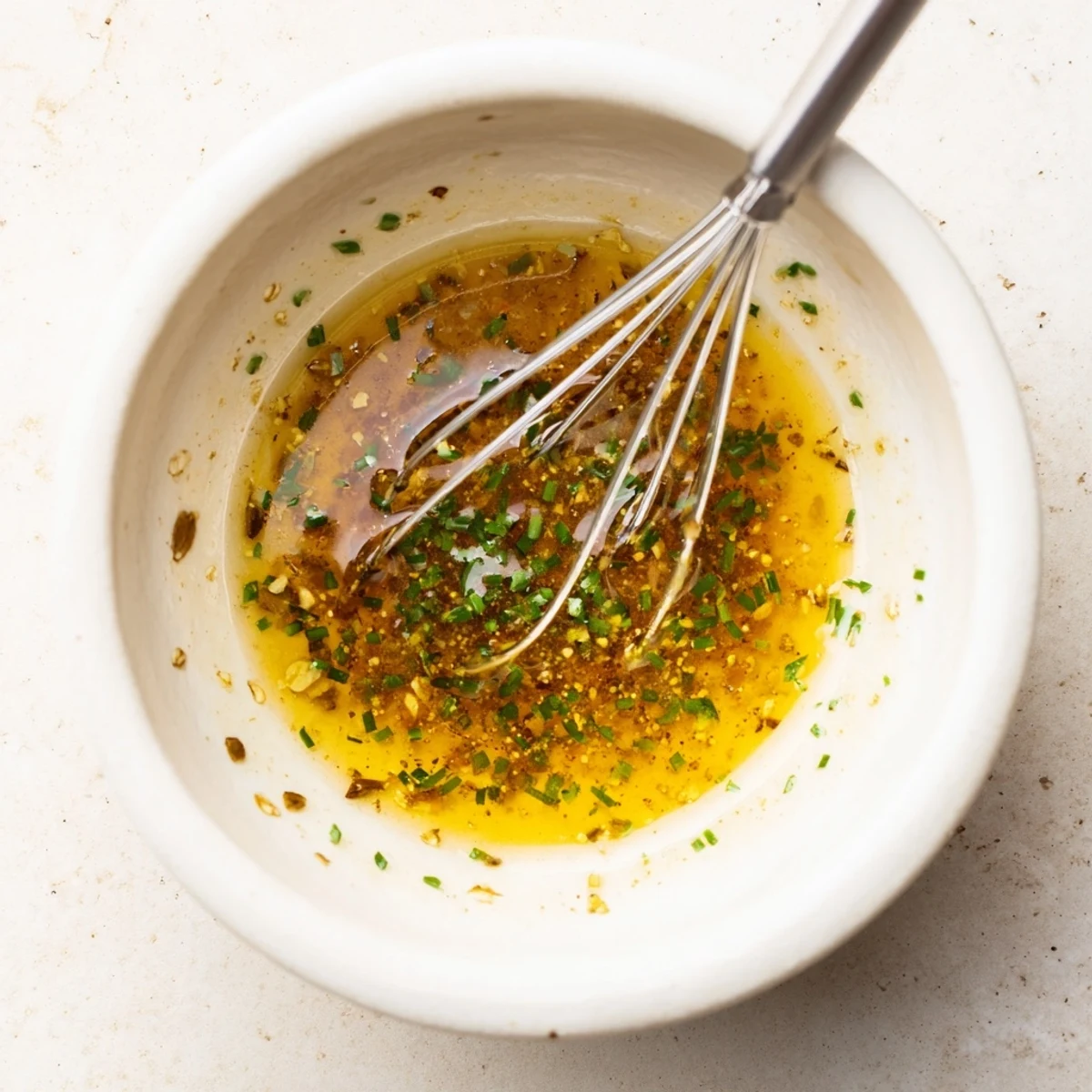
- In a small bowl, combine the vinegar, Dijon mustard, honey if you are using it, and the minced garlic, then whisk until the mixture looks unified and slightly creamy.
- Stream in the oil:
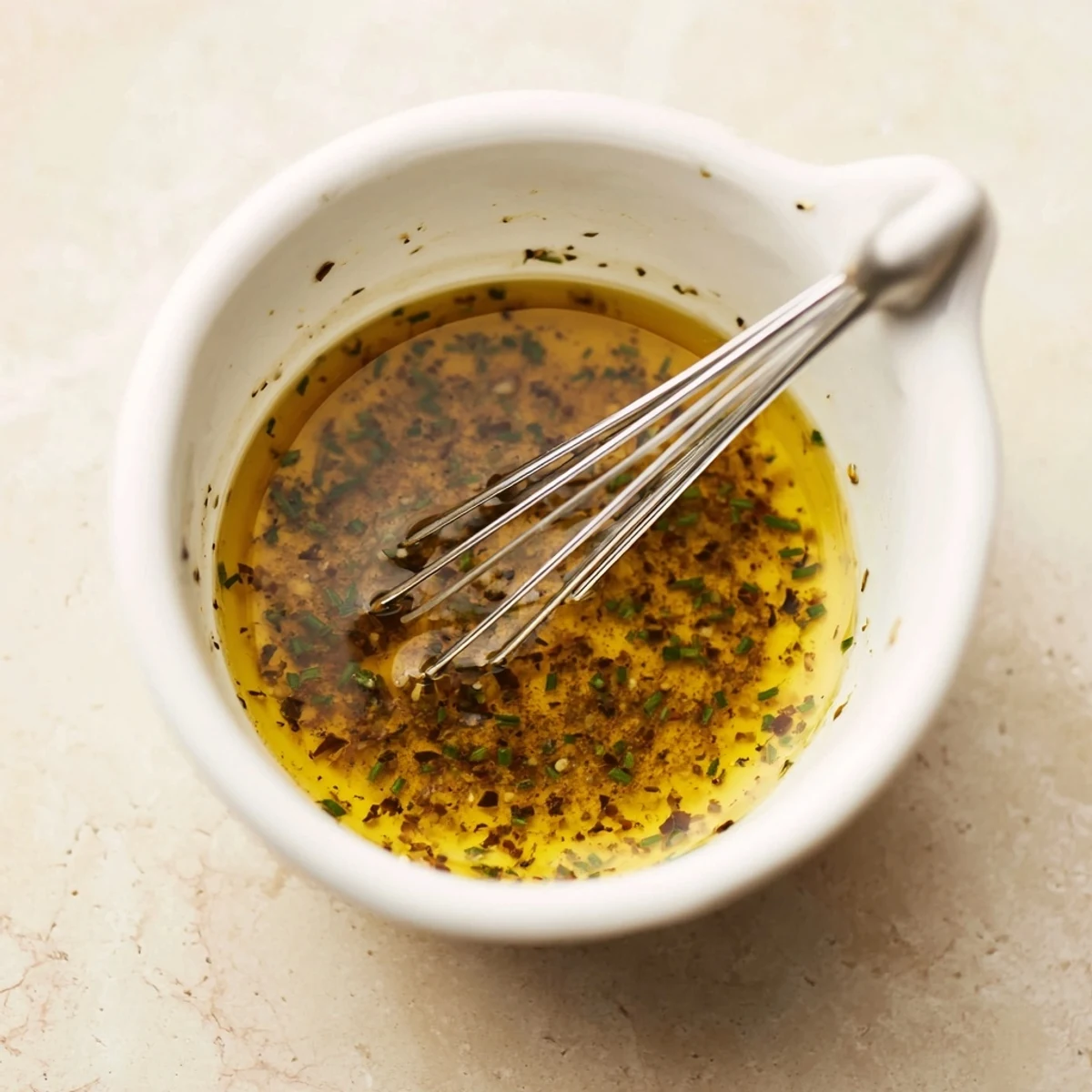
- Drizzle the olive oil in a slow thin stream while whisking like you mean it, watching the dressing turn cloudy and thick as it emulsifies into something silky.
- Season and taste:
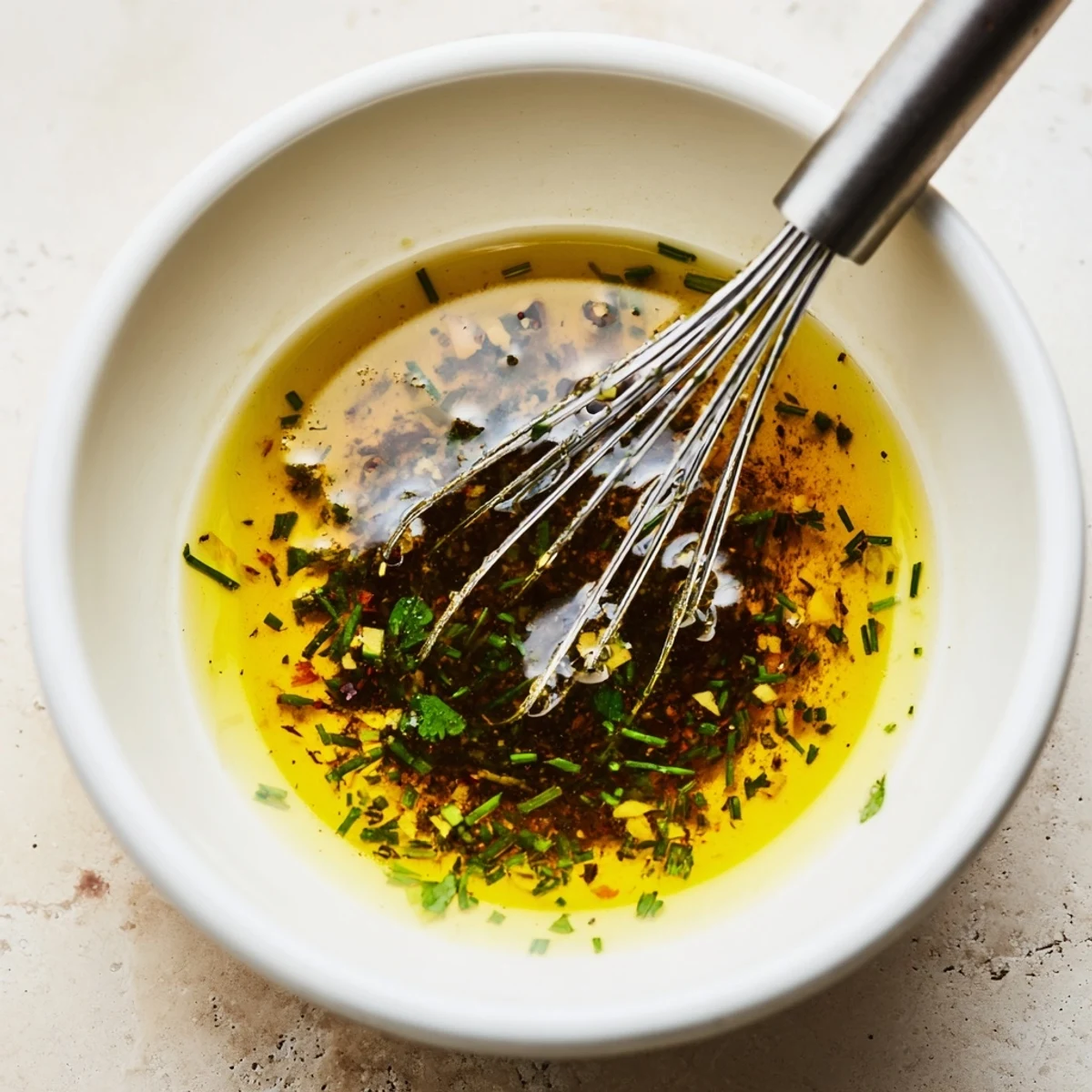
- Add salt and pepper, stir, then dip a lettuce leaf in rather than tasting from a spoon because that is how you will actually eat it.
- Use it or store it:
- Pour it over whatever needs brightening right now, or tuck it into a sealed jar in the fridge where it will keep happily for up to a week.
 Save
Save One rainy tuesday I tossed this with leftover roasted carrots and cold lentils and ate it standing at the counter, and it was the kind of meal that reminds you simplicity is its own reward.
Flavor Variations Worth Trying
Chopped tarragon turns it into something oddly elegant, a squeeze of lemon makes it brighter and more summery, and a spoonful of Greek yogurt transforms it into a creamy dressing that clings to everything.
Beyond the Salad Bowl
This vinaigrette doubles as a quick marinade for chicken thighs or firm fish fillets, and I have been known to drag crusty bread through the leftover puddles on my plate without a shred of shame.
A Few Things I Learned the Hard Way
Garlic behaves differently depending on how you cut it, and the mood of your vinaigrette shifts depending on the vinegar you choose, so taste your acid before you commit.
- Let the dressing sit for five minutes before serving so the flavors can settle and marry.
- Always use a clean spoon when tasting to avoid introducing anything unwanted into the jar.
- Shake the olive oil bottle before measuring since sediment at the bottom holds real flavor.
 Save
Save Keep this ratio in your back pocket and you will always be four minutes away from making something ordinary taste like you tried much harder than you did.
Questions & Answers
- → How do I achieve a stable emulsion?
-
Whisk the acid and mustard first, then add the oil in a thin, steady stream while whisking vigorously. A 3:1 oil-to-acid ratio and room-temperature ingredients help the vinaigrette hold together; using a jar or blender also improves stability.
- → Can I use lemon juice instead of vinegar?
-
Yes. Lemon provides a brighter, citrusy acidity—use the same proportions but taste and adjust. Lemon can be milder than red wine vinegar, so small tweaks may be needed.
- → How long does the vinaigrette keep?
-
Keep it refrigerated in a sealed container for up to one week. Separation is normal—shake or re-whisk before serving. Fresh minced garlic can shorten shelf life, so note that when storing.
- → How can I make a creamier version?
-
Stir in a spoonful of Greek yogurt or mayonnaise, or blend briefly with an immersion blender to thicken. A bit more mustard can also help bind the emulsion and add body.
- → Which herbs and flavors pair well?
-
Fresh parsley, tarragon, chives, basil, or minced shallot complement the vinaigrette. Add herbs at the end to preserve aroma, or infuse the oil beforehand for a deeper flavor.
- → Are there allergen concerns?
-
This preparation includes mustard. Check labels on mustard and vinegar brands for potential cross-contact or additional allergens if sensitivity is a concern.