
 Save
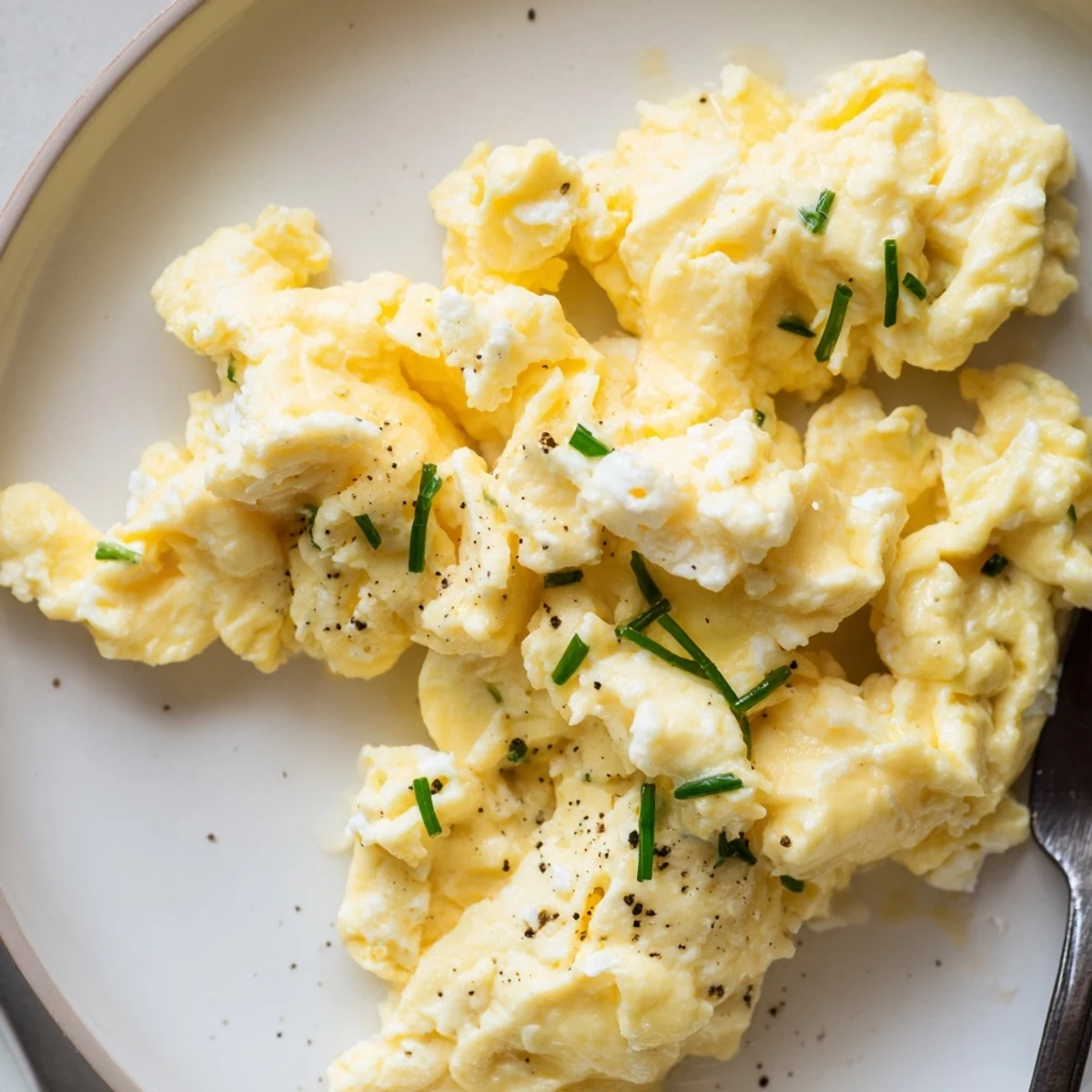
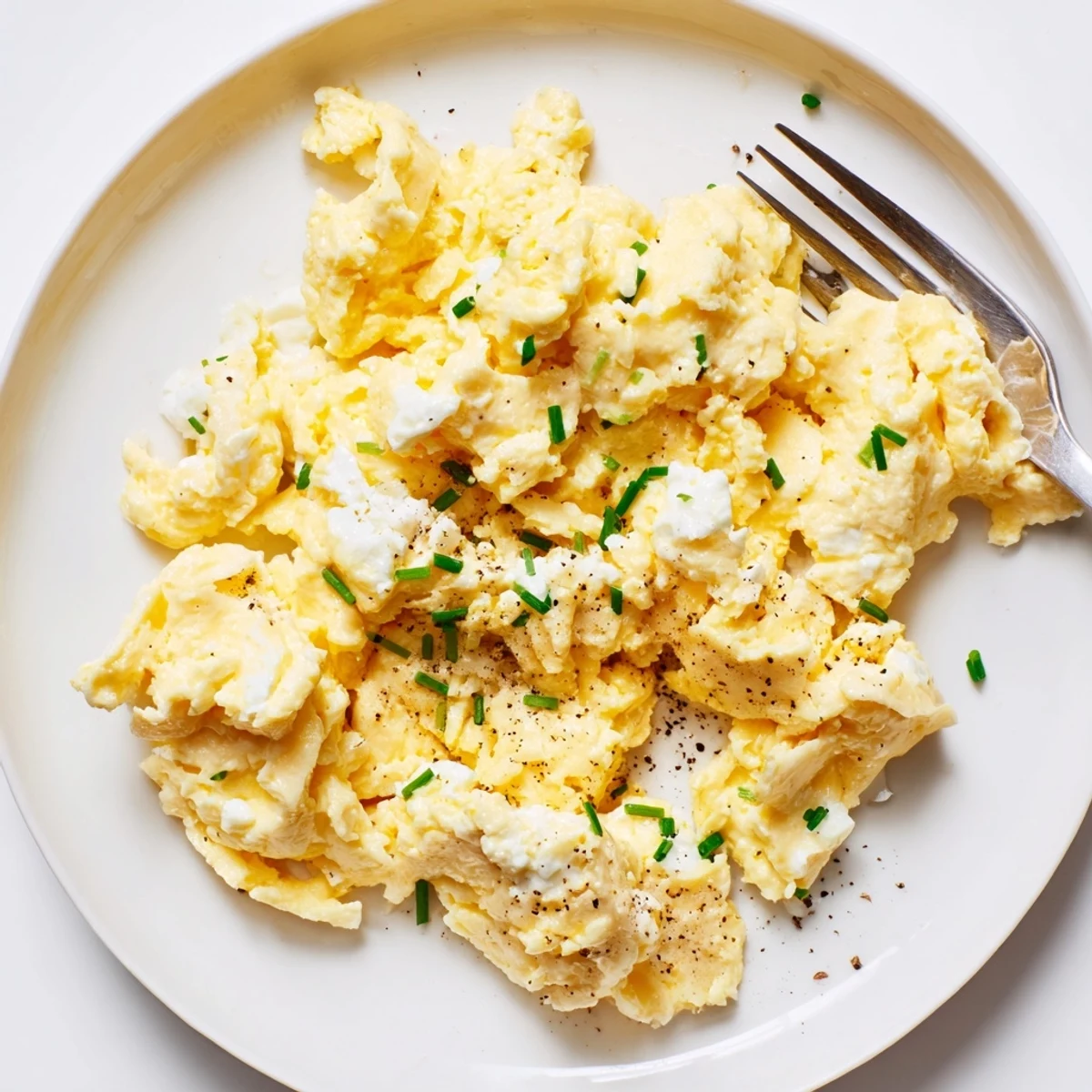
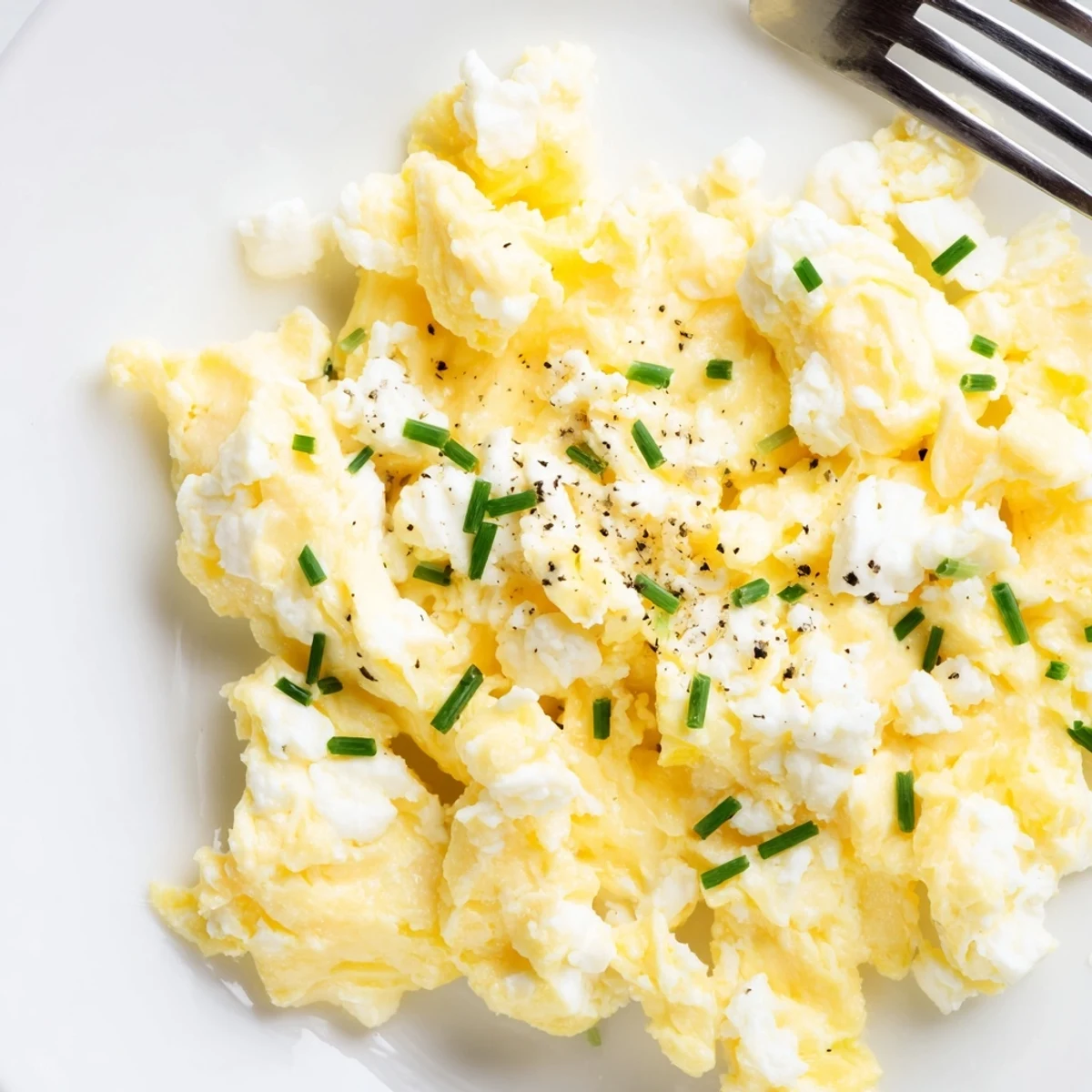
Save Light, creamy scrambled eggs are achieved by whisking eggs with salt and pepper, folding in cottage cheese and half the chives, then cooking gently in butter over medium-low heat. Stir slowly until curds form but remain soft, remove from heat early to finish with residual heat. Finish with remaining chives; add spinach or smoked salmon for variety.
The sound of a spatula scraping across a nonstick pan on a lazy Sunday morning is one of those small pleasures that makes breakfast feel like an event rather than a chore. I stumbled onto the idea of folding cottage cheese into scrambled eggs during a phase where I was obsessed with finding breakfasts that could keep me full until lunch without weighing me down. The curds melt into pockets of creamy tang that transform ordinary eggs into something you would happily order at a cafe. It takes roughly the same effort as plain scrambled eggs but tastes like you tried twice as hard.
My roommate walked into the kitchen halfway through me making this once and stood over my shoulder demanding to know what smelled so good before the eggs were even plated. We ended up eating straight from the pan with toast torn by hand because neither of us wanted to wait for plates.
Ingredients
- 4 large eggs: Fresh eggs make a noticeable difference here since the dish is so simple and every flavor counts.
- 1/2 cup cottage cheese: Full fat gives the richest result but low fat works beautifully if that is what you have on hand.
- 1 tablespoon unsalted butter: Butter adds a nutty warmth that olive oil simply cannot replicate in scrambled eggs.
- 2 tablespoons fresh chives: Snip them right before adding because their delicate onion flavor fades fast once cut.
- 1/4 teaspoon salt: A light hand with salt lets the natural sweetness of the eggs shine through.
- 1/8 teaspoon black pepper: Freshly cracked pepper adds a gentle warmth without overpowering the chives.
Instructions
- Whisk everything together:
- Crack the eggs into a medium bowl add salt and pepper and whisk until the yolks and whites are fully blended with no streaks remaining. Fold in the cottage cheese and about half the chives saving the rest for finishing.
- Melt the butter gently:
- Set your nonstick skillet over medium low heat and let the butter melt until it just starts to foam and bubble. You want it fragrant but not browned because brown butter will fight with the delicate egg flavor.
- pour and stir slowly:
- Slide the egg mixture into the pan and let it sit for about ten seconds before you start stirring. Use a flexible spatula to gently push the eggs from the edges toward the center creating soft curds as you go.
- Know when to pull the pan:
- Cook for two to three minutes until the eggs are mostly set but still glisten with a little moisture. Remove from heat while they still look slightly underdone because residual heat will finish the job perfectly.
- Finish and serve:
- Scatter the remaining chives over the top and slide the eggs onto warm plates immediately. They wait for no one so call everyone to the table before you plate.
 Save
Save I started making this for myself on busy weekdays and eventually began doubling it whenever friends stayed over because it feels indulgent without requiring any real culinary effort.
Quick Variations to Try
A handful of baby spinach wilted into the eggs during the last minute of cooking adds color and a slight earthiness that pairs beautifully with the creamy curds. Smoked salmon folded in at the end turns this into something elegant enough for a holiday brunch with almost no extra work.
What to Serve Alongside
Thick slices of sourdough toasted until golden and rubbed with a cut garlic clove make the perfect vehicle for scooping up every last bit of creamy egg. A simple side salad of arugula dressed with lemon juice cuts through the richness and makes the whole plate feel complete.
Storage and Reheating Advice
Scrambled eggs are always best eaten immediately but if you find yourself with leftovers they will keep in the refrigerator for up to one day. Reheat gently in a nonstick pan over low heat with a tiny splash of water to bring back some of that original creaminess.
- Avoid the microwave if possible because it tends to toughen the cottage cheese curds unevenly.
- Substitute ricotta for cottage cheese if you want a smoother more uniform texture throughout the eggs.
- Always use a nonstick pan because eggs stuck to stainless steel will ruin the delicate curd structure you worked to build.
 Save
Save Some mornings you just need breakfast to be easy warm and satisfying and this recipe exists for exactly those moments. Keep cottage cheese and chives in your fridge and you will always be ten minutes away from something genuinely delicious.
Questions & Answers
- → How do I keep the eggs moist and creamy?
-
Cook over medium-low heat and stir gently, removing the pan while eggs are still slightly underdone. The residual heat finishes them, and cottage cheese adds silkiness without overcooking.
- → Can I use low-fat cottage cheese?
-
Yes. Low-fat cottage cheese works but yields a less rich texture; for extra creaminess, stir in a splash of cream or a small knob of butter at the end.
- → How long should I cook the eggs?
-
Start over medium-low heat and cook 2–3 minutes, stirring occasionally until curds form but are still soft. Total active cooking time is about 3–4 minutes.
- → What flavorful add-ins pair well?
-
Fresh herbs, sautéed spinach, smoked salmon, or a pinch of grated hard cheese complement the cottage cheese and chives without overpowering the eggs.
- → Can I substitute ricotta for cottage cheese?
-
Yes. Ricotta gives a milder, creamier finish and a smoother texture; adjust salt to taste since textures and moisture differ.
- → How should leftovers be stored and reheated?
-
Cool quickly, store in an airtight container in the fridge up to 24–48 hours. Reheat gently over low heat or in a microwave with a short, low-power burst and a splash of milk to restore creaminess.