
 Save
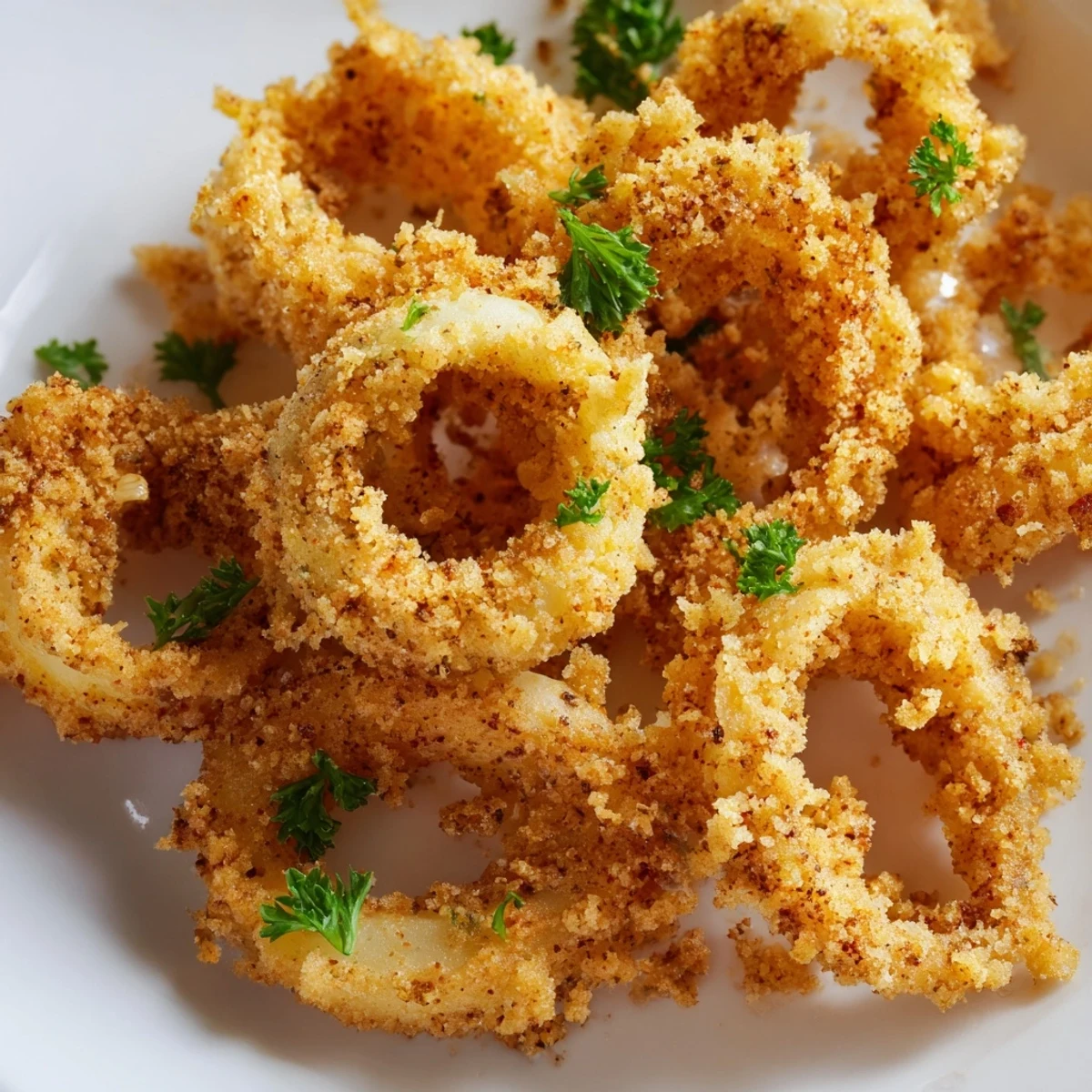
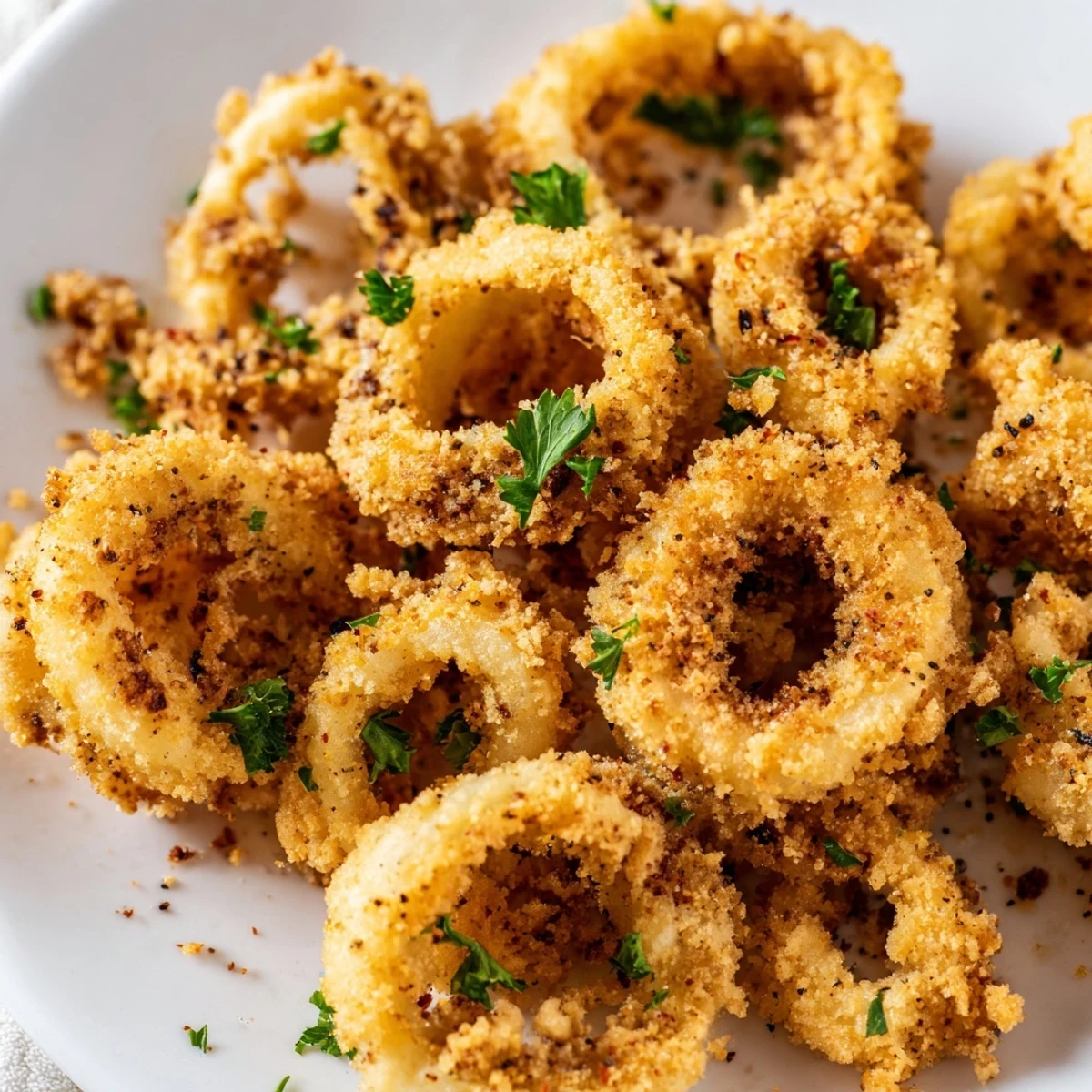
Save Enjoy tender calamari rings coated in a seasoned flour and cornmeal mixture, fried to a golden crisp. Served with fresh lemon wedges and optional parsley garnish, this dish offers a light, flavorful start perfect for sharing. Quick to prepare and simple to cook, it uses straightforward frying techniques to achieve a crispy texture. A pinch of paprika or cayenne can add extra flavor, and serving with aioli or tartar sauce complements the dish beautifully.
There's something about the first bite of perfectly fried calamari that takes me straight back to a small seaside restaurant where I watched a cook pull golden rings from bubbling oil with practiced ease. The way they glistened under the kitchen lights, still crackling slightly as they hit the paper towels, made me determined to master this at home. Years later, I still get that same thrill when I nail the timing—tender inside, shatteringly crisp outside. It's become my go-to when I want to impress without the stress.
I made this for a dinner party once and my friend Sarah kept reaching for just one more ring, then another, until she'd eaten half the batch before anyone else got a turn. I learned that night to always fry extra—not because of waste, but because watching someone's face light up when they taste something truly delicious is worth every drop of oil. The whole table got quieter, which is honestly the highest compliment a cook can get.
Ingredients
- Fresh calamari, cleaned and sliced into 1 cm rings: Start with the freshest you can find—ask your fishmonger to clean it for you if possible, which saves time and ensures it's handled properly.
- All-purpose flour: The foundation of your coating; it creates the initial seal that keeps moisture in.
- Cornmeal or fine semolina: This optional addition is actually worth using—it adds textural contrast and helps achieve that coveted crunch.
- Sea salt and freshly ground black pepper: Season generously; the coating needs bold flavor since calamari itself is mild.
- Paprika: A whisper of this adds warmth and a hint of color without overpowering.
- Vegetable oil for deep frying: Use an oil with a high smoke point; I prefer a neutral oil that won't compete with the delicate flavor of the calamari.
- Fresh lemon wedges: Essential, not optional—the acid brightens everything and cuts through the richness beautifully.
- Fresh parsley: A small handful scattered on top feels more intentional than a bare platter.
Instructions
- Pat your calamari completely dry:
- Moisture is the enemy of crispness—this single step makes the biggest difference. I use paper towels and press gently but thoroughly, letting them sit for a moment afterward.
- Build your coating blend:
- Mix flour, cornmeal if using, salt, pepper, and paprika in a shallow bowl and stir until combined. You want even distribution so every ring tastes seasoned.
- Coat the rings generously:
- Toss calamari in the mixture with your hands or two forks, making sure each piece gets covered. Give them a gentle shake over the bowl to remove excess flour—this prevents a thick, doughy crust.
- Heat your oil to the right temperature:
- Use a thermometer if you have one; 180°C (350°F) is the sweet spot. If you don't have one, test with a small piece of bread—it should brown in about 60 seconds.
- Fry in batches without crowding:
- Work in small batches so each ring has space to crisp up rather than steam. This usually means four to five batches, which takes maybe 10 minutes total, and gives you time to lower the temperature slightly between batches if needed.
- Fish them out and drain immediately:
- Use a slotted spoon to pull them from the oil and place on paper towels while they're still hot. They'll continue to crisp as they cool.
- Plate while warm and serve straight away:
- Arrange on a platter, scatter parsley over the top, tuck lemon wedges around the edges, and bring it to the table immediately.
 Save
Save I once served this at a casual summer gathering where my usually reserved neighbor actually stood at the kitchen counter talking to me while I fried, asking questions about the technique. By the end of the meal, she was asking for the recipe, and a few weeks later she texted me a photo of her own batch—not quite as crispy, but close enough that she was proud. Sharing food like this has a way of bringing people closer than almost anything else.
The Oil Temperature Secret
Getting the oil right is genuinely half the battle, and I've learned this through trial and error. If it's too cold, the coating absorbs oil and becomes heavy and greasy, which defeats the whole point. If it's too hot, the outside hardens before the inside has a chance to cook gently, leaving you with a hard shell around a rubbery center. The sweet spot at 180°C gives you a rapid, even cook that seals the coating while keeping the tender flesh inside—and using a proper thermometer removes all the guesswork.
Working with Fresh Calamari
Fresh calamari is delicate and straightforward to work with once you understand its quirks. The key is respecting the texture—it cooks incredibly fast, so the minute you see golden color, that's your cue to pull it out. I learned early on that frozen calamari can work too if fresh isn't available, but thaw it fully and pat it extra dry since it releases more water as it thaws. The rings should feel firm but tender when you handle them, never mushy or overly soft.
Serving Suggestions and Variations
Lemon is essential, but the beauty of this dish is how flexible it is for accompaniments. I've served it with a simple aioli made from mayo and garlic, a tangy tartar sauce, or even just a sprinkle of fleur de sel and fresh herbs. For dietary needs, rice flour swaps in perfectly for all-purpose flour and gives an equally crispy result—I use it about half the time now simply because I prefer the subtle texture it creates. If you're feeling adventurous, a tiny pinch of cayenne or smoked paprika in the coating adds warmth without changing the dish fundamentally.
- Serve within minutes of frying for maximum crispness and heat.
- A squeeze of lemon at the table beats pre-dressed calamari every time.
- Leftovers are sad—this is a dish meant to be eaten immediately and fully appreciated.
 Save
Save This recipe has become a comfort in my kitchen—reliable, quick, and genuinely delicious. When you nail it, you'll understand why people queue for this at seaside restaurants, and you'll want to make it again immediately.
Questions & Answers
- → What type of flour is best for coating calamari?
-
All-purpose flour is commonly used, but adding cornmeal or fine semolina can add an extra crunch to the coating.
- → How can I ensure calamari stays tender when cooking?
-
Patting the calamari dry before coating and frying it briefly at high heat prevents it from becoming rubbery.
- → What oil temperature is ideal for frying calamari?
-
Heat the oil to around 180°C (350°F) for quick frying to achieve a golden and crispy texture.
- → Can I add flavor to the breading mix?
-
Yes, adding spices like paprika or a pinch of cayenne can enhance the flavor without overpowering the calamari.
- → What are some good accompaniments for this dish?
-
Serve with fresh lemon wedges and consider dips like aioli or tartar sauce to complement the crispy calamari.