
 Save
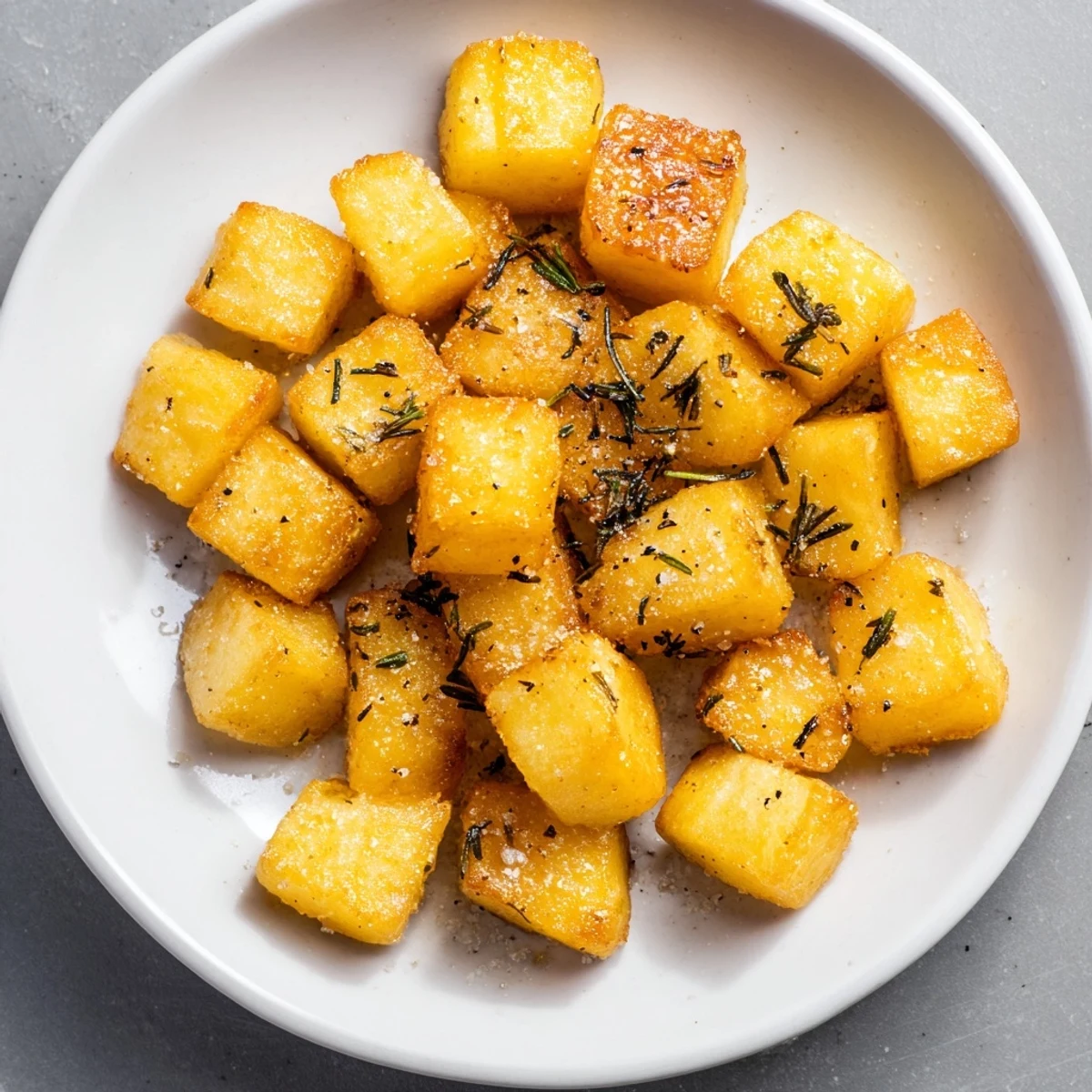
Save These golden, ultra-crispy potatoes are cooked to perfection by roasting in rich duck fat. The potatoes are parboiled until tender, then dried and gently shaken to create roughened edges that crisp up beautifully. Coated evenly with hot duck fat and seasoned with sea salt, black pepper, garlic, and rosemary, they develop an irresistible crunchy exterior and a soft interior. Perfect as a decadent side for Sunday roasts or festive meals, they offer a luxurious alternative to ordinary roasted potatoes.
I still remember the first time I made these potatoes for a dinner party—I was terrified of the hot duck fat, but the moment they emerged from the oven, golden and crackling, I understood why this simple side dish has graced British tables for generations. There's something magical about how potatoes transform when treated with such luxurious fat, and now I can't imagine a proper Sunday roast without them.
The moment I knew this recipe was a keeper was when my mother took one bite and asked for seconds. She's never asked for seconds of potatoes before. That's when I realized I'd stumbled onto something that bridges that gap between everyday cooking and truly memorable meals.
Ingredients
- Yukon Gold or Maris Piper potatoes: These varieties have the perfect starch and moisture balance—Yukon Golds are creamy inside while Maris Pipers get incredibly crispy on the outside, so pick whichever you can find or use a mix if you're feeling adventurous
- Duck fat: This is the secret ingredient that makes everything worthwhile, rendering out in the oven to create an almost honeyed coating
- Sea salt: I divide this intentionally—some goes in the parboiling water to season from within, and the rest goes on at the end for that crucial textural contrast
- Freshly ground black pepper: Add this at the very end so it doesn't burn and lose its subtle bite
- Fresh rosemary and garlic: Optional but honestly, the rosemary infuses the fat and makes your whole kitchen smell like a French bistro
Instructions
- Get Everything Ready:
- Heat your oven to 425°F and gather your potatoes—this is where you'll set yourself up for success. The oven needs time to reach its full heat so that duck fat gets properly shimmering.
- The Crucial Parboil:
- Cut your potatoes into 2-inch chunks and place them in cold salted water, then bring to a boil. You're looking for just 8 to 10 minutes here—the potatoes should be tender enough that a fork goes through with gentle resistance, but they should absolutely not be soft. Drain them carefully and let them steam for a moment. Now comes a trick that changed everything for me: gently shake the pot to roughen up those edges. Those rough edges are what become golden and crispy later.
- The Part Where Magic Happens:
- While your potatoes are resting, place the duck fat in your roasting pan and slide it into that screaming hot oven for about 5 minutes. You want it shimmer and move like water when you tilt the pan. Carefully—and I mean carefully—add those potatoes to the fat. You'll hear a gorgeous sizzle. Turn them gently with tongs to coat every surface, and if you're using rosemary and garlic, add them now so they infuse the fat.
- The Long Beautiful Roast:
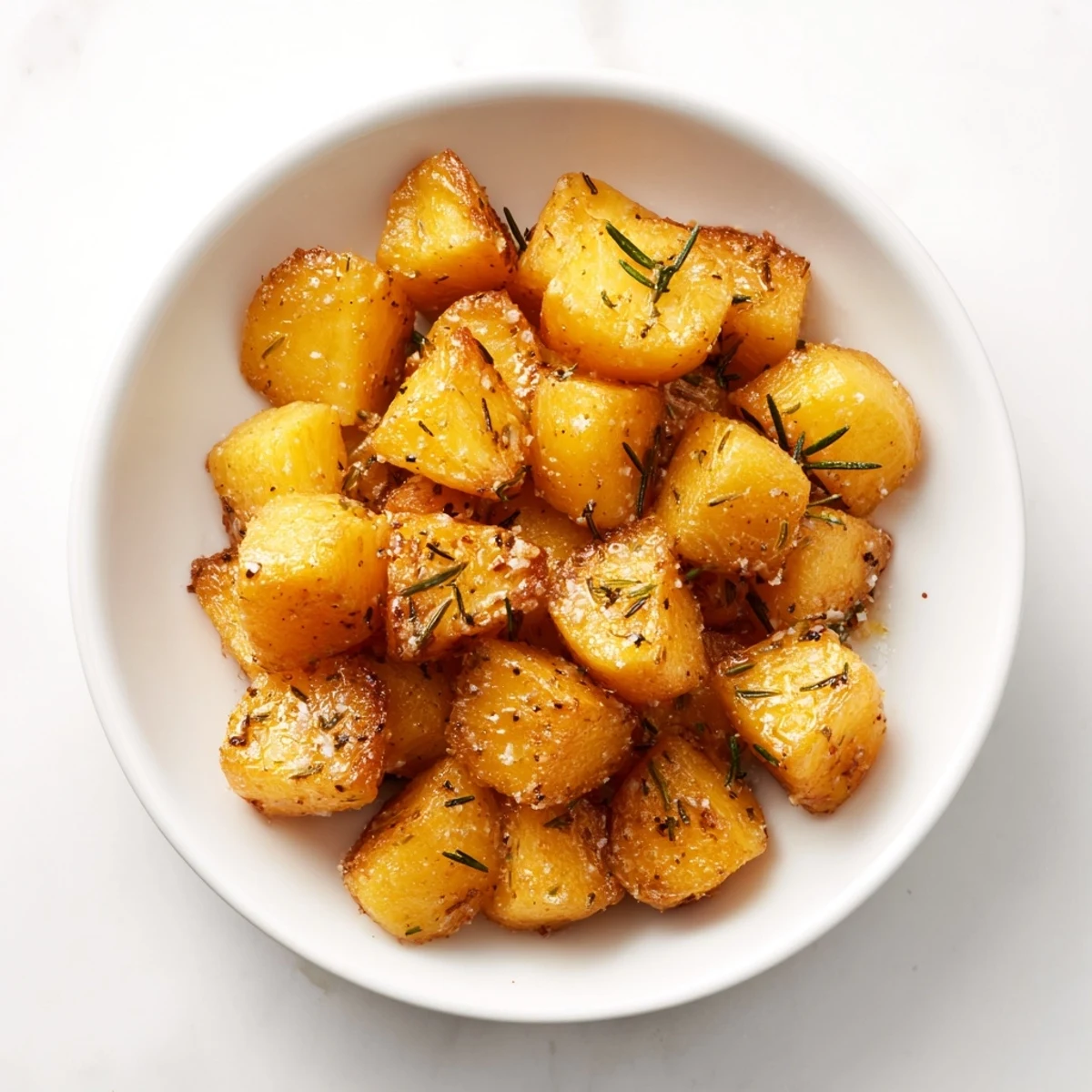
- Into the oven for 40 minutes, turning once halfway through. This is when you can step back and let the heat do its work. Peek at them around the 20-minute mark—you want to see them turning from pale gold to deep amber. When they're done, they should be so crispy that the fork almost doesn't want to go through, with that deep mahogany color that tells you they've been kissed by real heat.
- The Final Touch:
- Pull them out and immediately—while they're still sizzling—sprinkle them with that reserved salt and fresh black pepper. This is important because the heat helps the seasonings adhere and brings out their best flavor.
 Save
Save I served these at my sister's engagement celebration, and they disappeared faster than the champagne. That's when I understood that sometimes the simplest foods, treated with intention and quality ingredients, become the moments people remember. These potatoes weren't just a side dish that night—they were part of the celebration.
Keeping It Fresh
The honest truth is that these potatoes are best served immediately, straight from the oven when they're still crackling and warm. They don't reheat quite the same way—the texture mellows a bit—so I always plan to make them as close to serving time as possible. That said, if you have leftovers, they're lovely at room temperature with a salad the next day, and there's something almost nostalgic about cold crispy potatoes.
When You're Missing Something
Not everyone has duck fat on hand, and that's perfectly fine. Goose fat is an excellent swap if you have access to it. High-quality olive oil will work too, though the results will be different—less rich, more Mediterranean—and you'll need to adjust your heat slightly so the oil doesn't smoke. I've also heard of people using clarified butter for a lighter version, and while it lacks that distinctive duck fat flavor, it creates its own kind of delicious crispiness.
- If fresh rosemary isn't available, dried rosemary works—just use about a third of the amount since it's more concentrated
- Thyme, sage, or even a mixture of Italian herbs all work beautifully tossed on at the very end
- Some people like to add a hint of garlic powder if they skip the fresh cloves, which gives a subtle depth without the worry of burning
Serving Ideas That Clicked
These potatoes were born to sit alongside roast chicken or a magnificent prime rib, but I've found they're equally wonderful with herb-crusted fish, alongside a proper beef Wellington, or even as the star next to a vegetarian main like mushroom wellington. They're the kind of side dish that elevates everything around them, turning an ordinary dinner into something that feels intentional and special. I've even served them at room temperature as part of a picnic spread, and they held up beautifully.
Where This Dish Comes From
Potatoes cooked in duck fat are deeply rooted in both British and French cuisine, where both cultures have long traditions of celebrating these humble ingredients with quality cooking fats. In France, you'll find variations throughout Provence and the southwest, where duck and goose fat are kitchen staples. In Britain, these potatoes bridge the gap between rustic farmhouse cooking and the elegance of a proper Sunday roast. It's the kind of dish that speaks to how good food doesn't need to be complicated—it just needs intention, heat, and the right fat.
 Save
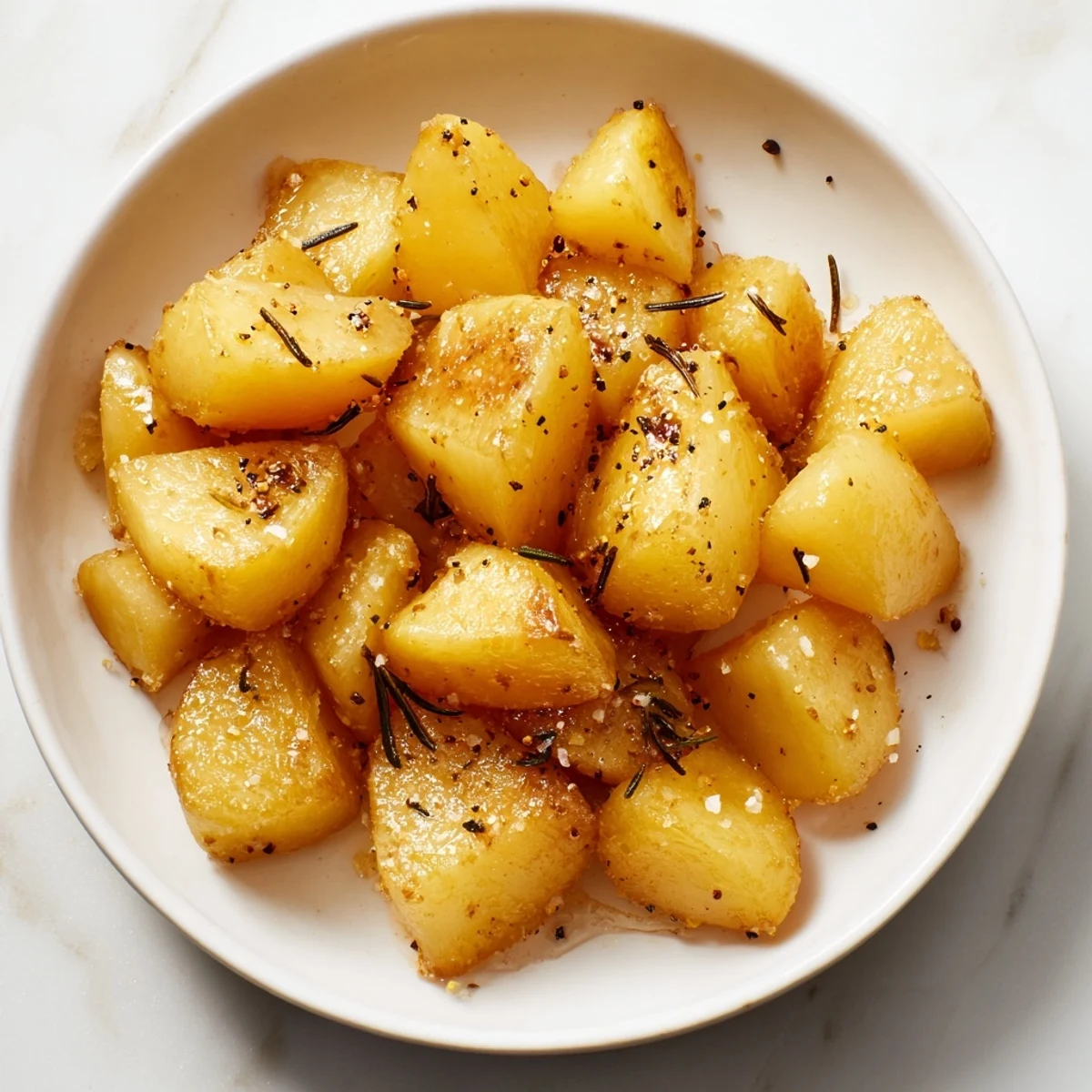
Save These potatoes remind me why cooking is worth the small effort—because turning duck fat, potatoes, and heat into something that makes people smile is one of life's quiet joys. Make them this week.
Questions & Answers
- → What is the best potato type for ultra-crispy results?
-
Yukon Gold or Maris Piper potatoes work best as they hold their shape and develop a crispy texture when roasted.
- → Why parboil the potatoes before roasting?
-
Parboiling softens the potatoes without fully cooking them, making the exterior rough and promoting maximum crispiness during roasting.
- → Can I substitute duck fat with another fat?
-
Yes, goose fat is a great alternative, or you may use high-quality olive oil for a lighter option, though results may vary.
- → How does shaking the potatoes in the pot help?
-
Shaking roughens the potato edges, which increases surface area and helps create a crispier crust when roasted.
- → What herbs enhance the flavor without overpowering?
-
Fresh rosemary and garlic add aromatic notes that complement the rich duck fat without overwhelming the potatoes.