
 Save
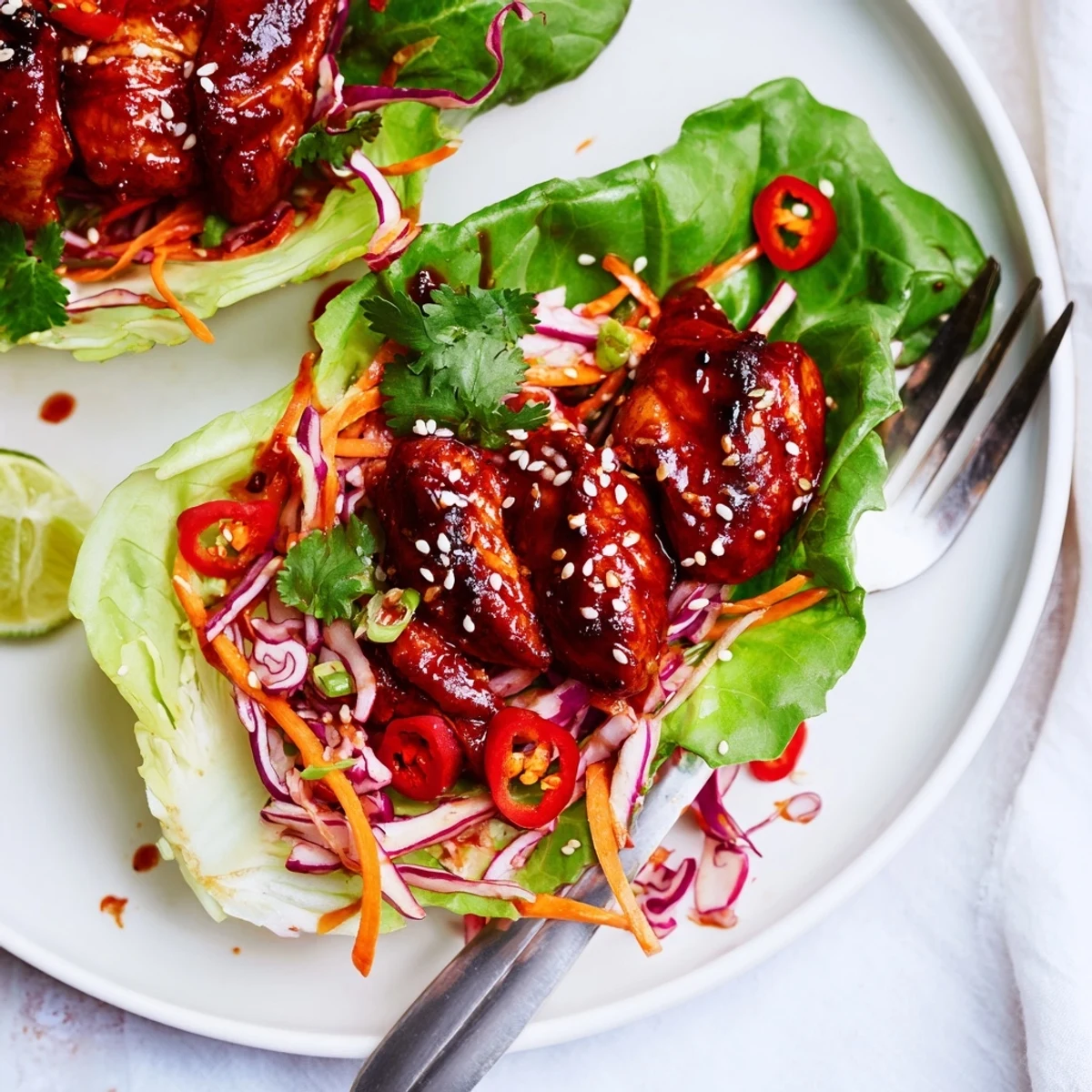
Save This vibrant Korean-fusion dish pairs gochujang-marinated chicken with a zesty crunchy slaw and crisp lettuce leaves. Marinate the chicken at least 15 minutes, then sear until caramelized in about 7–9 minutes. Toss napa and red cabbage with a rice-vinegar lime dressing for brightness and assemble just before serving to keep the leaves crisp. Swap tofu or tempeh to make it vegetarian and adjust gochujang to taste.
The sizzle of chicken hitting a screaming hot pan at eleven on a Tuesday night is, frankly, one of the best sounds in my kitchen. I had stumbled home late from work, starving and unwilling to settle for cereal, when a half empty jar of gochujang in the fridge door caught my eye. Forty minutes later I was standing at the counter, juice running down my wrist, eating the best lettuce wrap of my life straight off the cutting board.
I made these for my neighbor Dana last summer when her air conditioning broke and the last thing either of us wanted was a hot, heavy dinner. We sat on her back porch with a plate of wraps between us, fans buzzing, and she stopped mid sentence to say the slaw alone was worth learning the recipe for. We went through the entire batch and I had to make more slaw the next day just for leftovers.
Ingredients
- Chicken thighs (500 g, boneless and skinless): Thighs stay juicier than breast meat and hold the marinade better, so do not swap unless you want drier wraps.
- Gochujang (3 tbsp): This is the soul of the dish, bringing fermented depth and a slow, building heat that lingers pleasantly.
- Low sodium soy sauce (2 tbsp): Use tamari if you need gluten free, but either way you want the salt without overwhelming the chili paste.
- Sesame oil (1 tbsp for marinade, 1 tbsp for slaw dressing): Toasted sesame oil is non negotiable here, the raw stuff simply will not give you the same aroma.
- Honey (2 tbsp for marinade, 1 tbsp for slaw): It helps the chicken caramelize beautifully and balances the aggressive heat of the gochujang.
- Garlic (3 cloves, minced) and fresh ginger (1 tbsp, grated): Fresh is the only way here, jars of pre minced garlic taste flat and lifeless by comparison.
- Rice vinegar (1 tbsp for marinade, 2 tbsp for slaw): Adds brightness and tenderizes the chicken slightly while it marinates.
- Napa cabbage (2 cups, shredded): More tender and sweeter than green cabbage, it forms the soft base of your slaw.
- Red cabbage (1 cup, thinly sliced): Strictly for color and an extra layer of crunch that makes every bite more interesting.
- Carrot (1 medium, julienned) and radishes (4, thinly sliced): These two are your crunch boosters, and the radishes bring a peppery bite that cuts through the sweet chicken.
- Green onions (3, thinly sliced) and fresh cilantro (2 tbsp, chopped): Fold these in last so they stay vibrant and their flavors do not get lost.
- Lime juice (1 tbsp) and lime wedges for serving: A squeeze of lime at the end wakes up every single flavor on the plate.
- Large butter or romaine lettuce leaves (12): Butter lettuce cups more gently and has a sweetness that romaine lacks, but both work beautifully.
- Toasted sesame seeds (1 tsp for slaw, 1 tbsp for garnish) and sliced red chili: These are your finishing touches that make the wraps look as good as they taste.
Instructions
- Whisk together the marinade:
- In a bowl, combine gochujang, soy sauce, sesame oil, honey, garlic, ginger, and rice vinegar until smooth. It should smell pungent and slightly sweet, a deep red paste that coats the back of a spoon.
- Coat the chicken:
- Cut the chicken thighs into strips about half an inch wide and drop them into the marinade, tossing with your hands until every piece is slick and glossy. Let them sit for at least fifteen minutes, though two hours in the fridge makes a noticeable difference.
- Build the slaw:
- Toss the napa cabbage, red cabbage, julienned carrot, sliced radishes, green onions, and cilantro together in a large bowl. Whisk rice vinegar, lime juice, honey, sesame oil, and sesame seeds in a small bowl, then pour it over the vegetables and toss until everything glistens. Pop it in the fridge so the flavors marry while you cook.
- Cook the chicken:
- Heat a nonstick skillet or grill pan over medium high heat until it just starts to smoke, then add the chicken in a single layer without crowding. Let it cook undisturbed for three minutes so the edges caramelize, then stir occasionally for another four to six minutes until every piece is deeply glazed and cooked through.
- Assemble and serve:
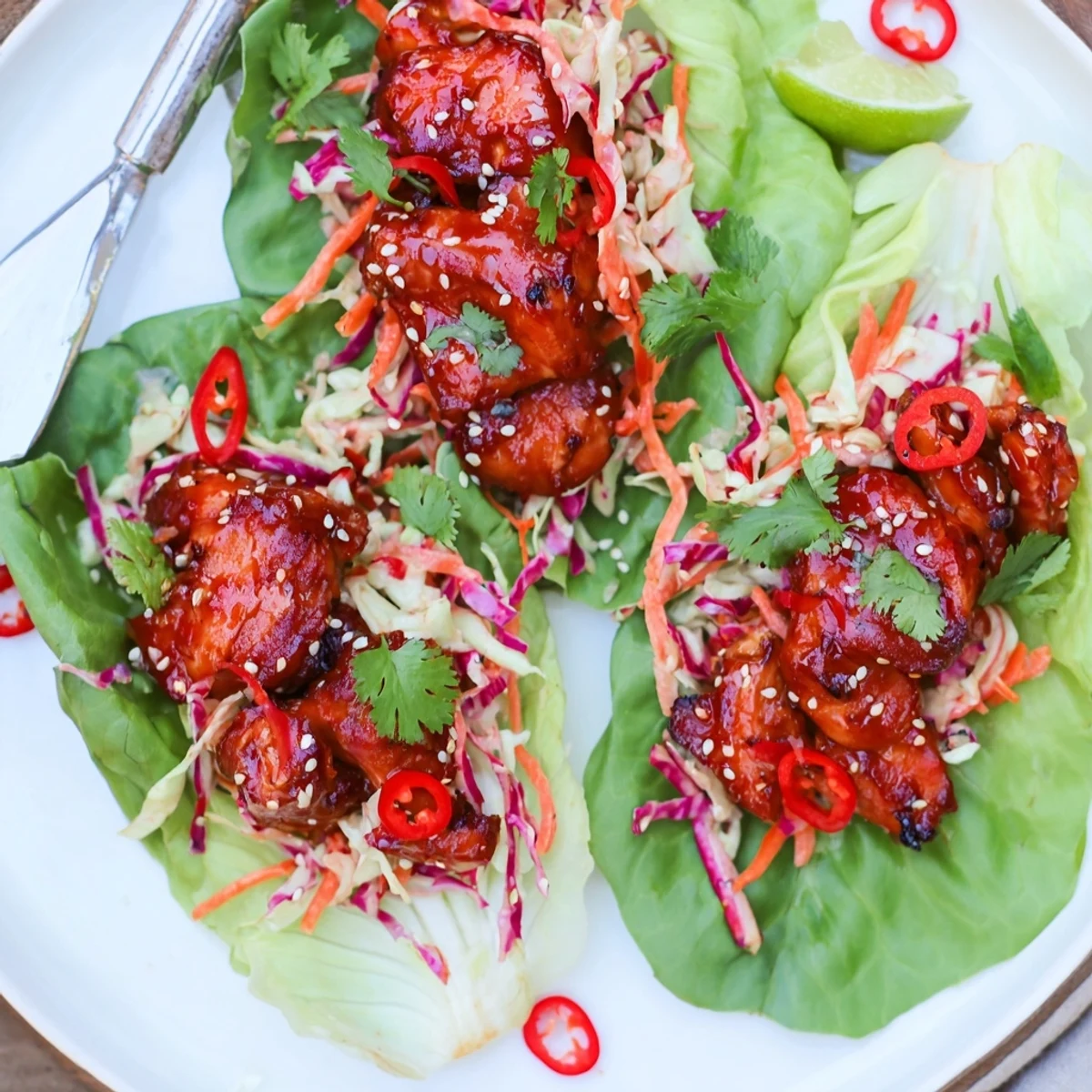
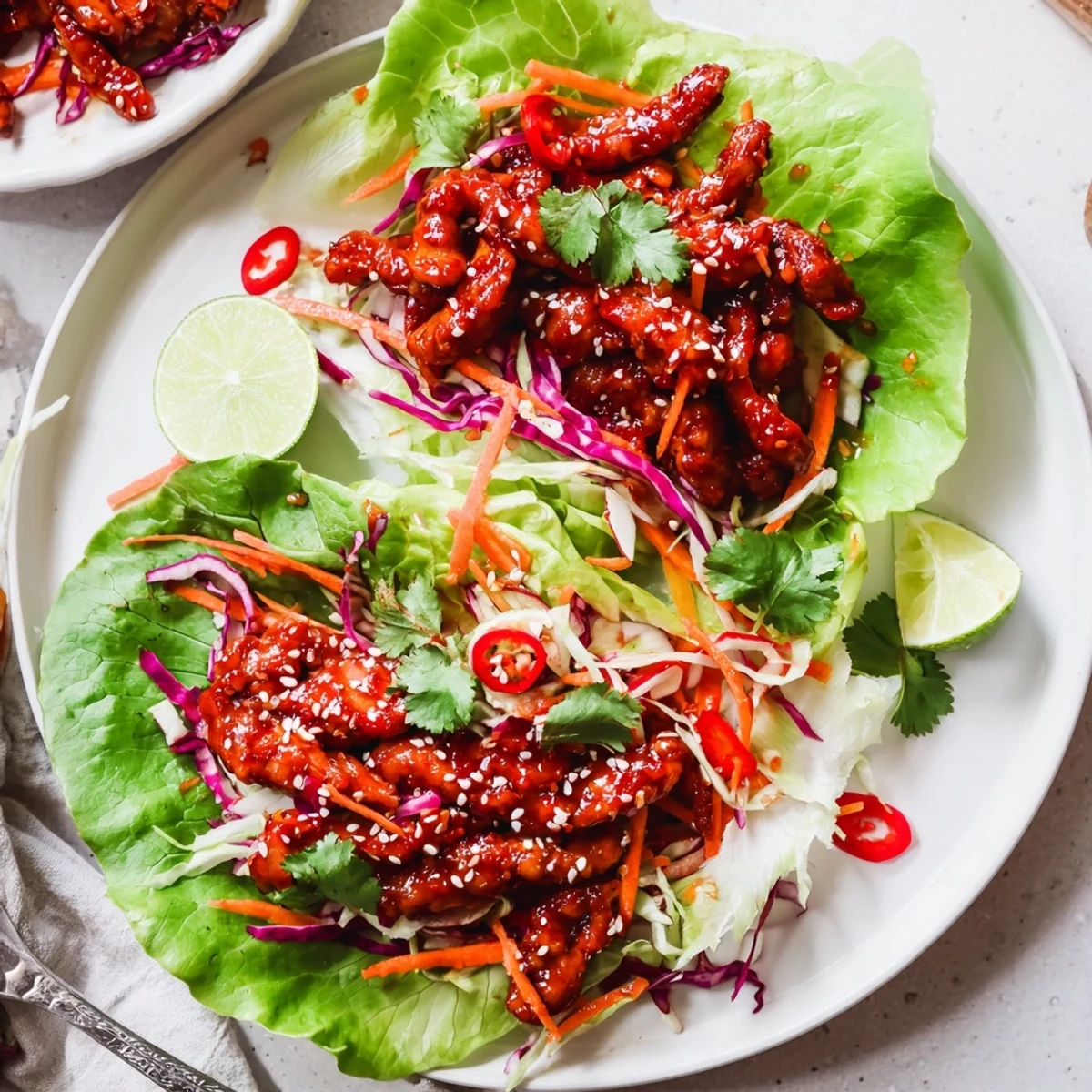
- Lay out your lettuce leaves on a platter and fill each one with a generous spoonful of chicken, a heap of slaw, a scatter of sesame seeds, and a few slices of chili if you are brave. Hand everyone a lime wedge and tell them to squeeze generously before folding and eating.
 Save
Save There is something about eating with your hands that turns a regular weeknight dinner into a tiny celebration. Everyone leans in, elbows on the table, comparing whose wrap is the most overloaded.
Making It Your Own
Once you have the base recipe down, start playing around with it based on what you have. Thinly sliced cucumber or a handful of bean sprouts folded into the slaw add a refreshing crunch that works beautifully in warmer months. I have also tossed in leftover pickled daikon from the back of the fridge and it was a revelation, sharp and tangy against the sweet chicken.
Drinks That Pair Well
A crisp, off dry Riesling is my go to because its acidity and hint of sweetness tame the gochujang heat without fighting it. On nights when wine feels too fussy, an ice cold lager or even a sparkling water with a squeeze of lime does the job perfectly. The goal is something clean and refreshing that lets the chicken stay the star.
Keeping Things Practical
You can prep the slaw and marinade a day ahead and keep them separately in the fridge, which makes the actual cooking time feel almost effortless. The slaw actually improves after a few hours of resting, though it will lose some crunch overnight so plan accordingly.
- Use tofu or tempeh instead of chicken for a vegetarian version that is just as satisfying.
- Scale the gochujang up or down based on your tolerance, starting with two tablespoons if you are sensitive to heat.
- Always double check your gochujang and soy sauce labels if cooking for someone with gluten or soy allergies.
 Save
Save Keep a stack of napkins nearby and do not try to be dainty about it. The mess is half the fun and the flavor is worth every sticky finger.
Questions & Answers
- → How long should the chicken marinate?
-
Marinate at least 15 minutes for quick flavor uptake; 1–2 hours in the fridge gives deeper flavor. Avoid very long acidic marinades to prevent the meat from becoming too firm.
- → Which lettuce works best for wrapping?
-
Butter lettuce or large romaine leaves are ideal—large, sturdy, and tender. Rinse and dry leaves thoroughly so they stay crisp when filled.
- → What can I use instead of gochujang?
-
Mix a chili paste like sriracha with a touch of miso or soy, honey, and sesame oil to mimic the sweet-spicy umami. For gluten-free, use tamari in place of regular soy sauce.
- → How do I make this vegetarian or vegan?
-
Replace chicken with firm tofu or tempeh. Press and slice tofu, marinate in the same sauce, then pan-sear or grill until caramelized for similar texture and flavor.
- → How can I keep the slaw extra crunchy?
-
Shred vegetables thinly, toss with dressing just before serving, or dress the slaw and refrigerate briefly. Add thin cucumber, bean sprouts, or toasted seeds for more crunch.
- → What’s the best way to store leftovers?
-
Store chicken and slaw separately in airtight containers for 2–3 days. Reheat chicken gently in a skillet to preserve caramelization and keep slaw chilled; assemble wraps just before eating.