
 Save
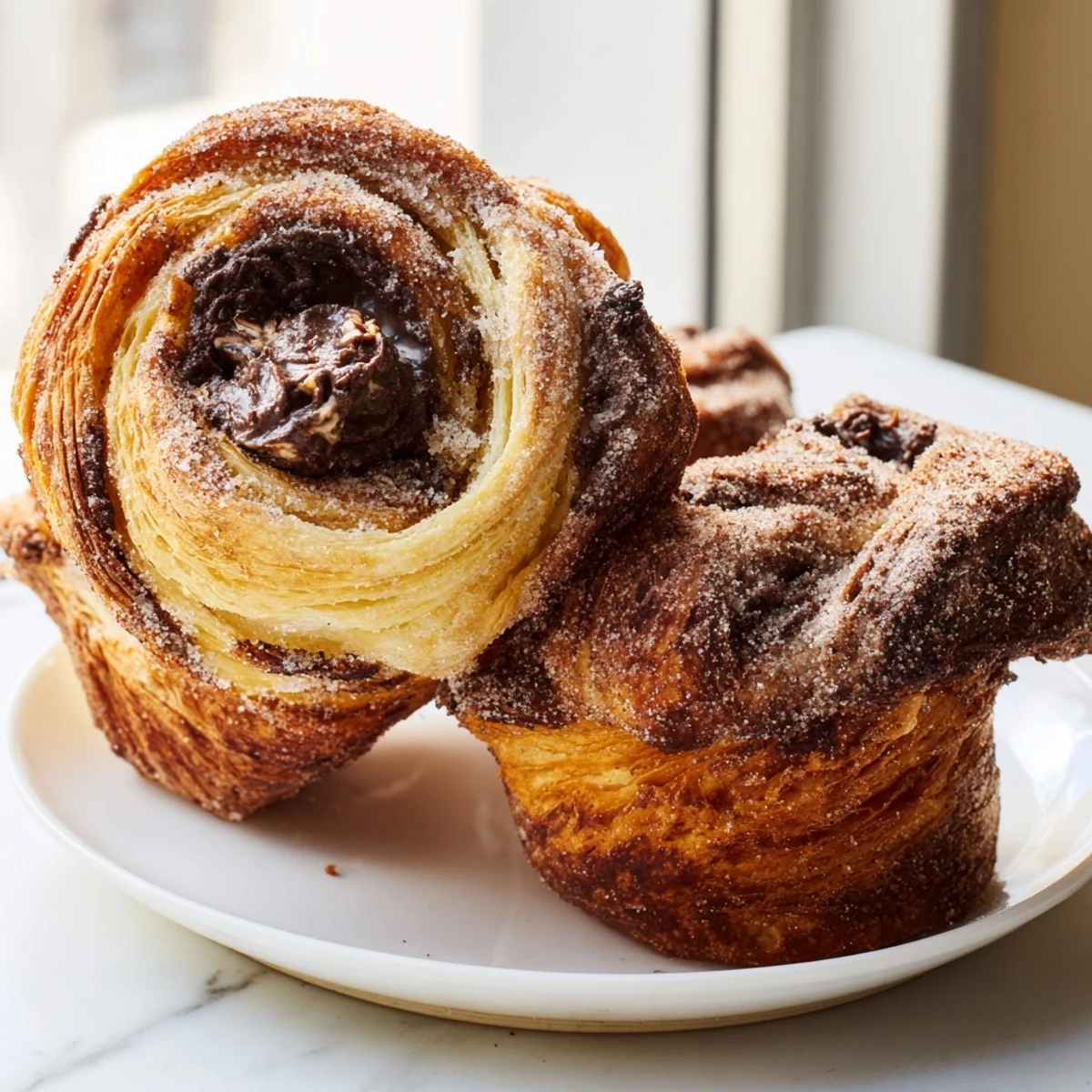
Save Cruffins bring together the best of croissants and muffins in one irresistible pastry. Made from laminated yeast dough layered with pure butter, they bake up golden and impossibly flaky in a standard muffin tin.
Once you master the basic folding technique, you can fill them with chocolate spread, fruit preserves, lemon curd, or pistachio paste. A roll in cinnamon sugar after baking adds a warm, fragrant finish.
Plan ahead for rising time — about two hours total — but the hands-on work is straightforward and deeply rewarding.
The kitchen smelled like a bakery in Paris the morning I accidentally invented my own cruffin disaster, flour dusting every surface and butter melting between my fingers before I could laminate properly. That first batch was lopsided and honestly a little ugly, but the taste, those torn flaky layers dissolving on my tongue, made me forget every mistake. Cruffins sit at the magical intersection where croissant meets muffin, and once you master them, you will never look at a regular pastry the same way. They are buttery, golden, and endlessly adaptable to whatever filling or craving strikes you.
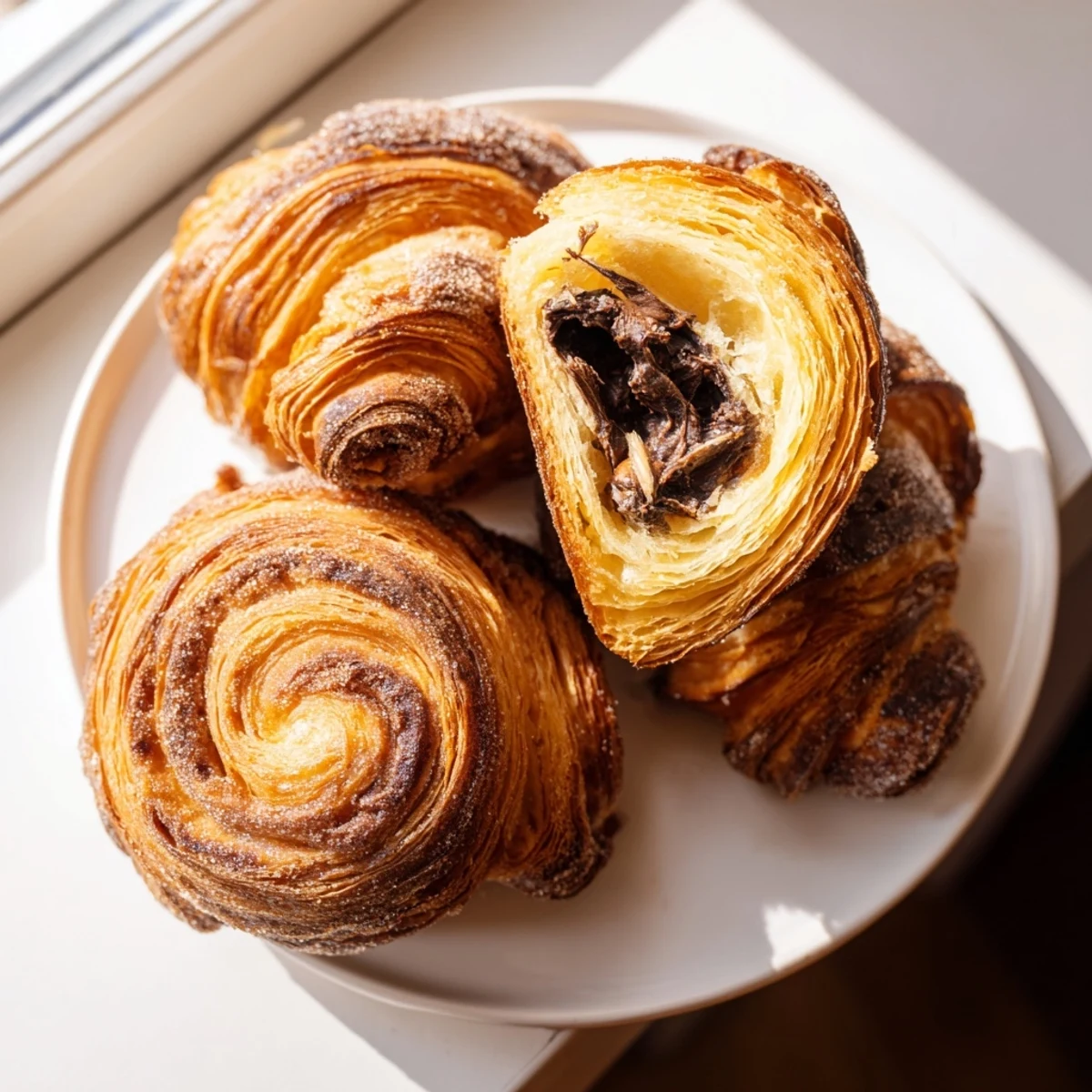
My sister walked in right as I pulled a tray of these from the oven, cinnamon sugar still glistening on their golden tops, and she stood speechless for a solid ten seconds before grabbing one and burning her mouth because she could not wait. That reaction alone is worth every minute of rolling and folding and chilling.
Ingredients
- 500 g all-purpose flour: Provides the sturdy structure needed to hold all those buttery layers without tearing during lamination.
- 60 g granulated sugar: Adds just enough sweetness to the dough without competing with your fillings or toppings.
- 10 g instant dry yeast: Gives the dough its initial rise and that subtle fermented flavor that makes laminated pastry taste so complex.
- 10 g fine sea salt: Essential for balancing the butter and sugar, never skip it or the pastry will taste flat.
- 250 ml warm milk: Should feel like a warm bath to your finger, not hot, or it will kill the yeast before it even starts working.
- 1 large egg: Enriches the dough with fat and protein, giving the final cruffins a tender crumb and a lovely golden color.
- 50 g unsalted butter, softened: This goes into the dough itself to make it pliable and easier to knead by hand or machine.
- 200 g unsalted butter, room temperature: This is your lamination butter, the hero ingredient, so buy the best quality European style butter you can find.
- 100 g sugar and 2 tsp cinnamon: For rolling the finished cruffins while they are still warm so the coating adheres perfectly.
- 120 g chocolate spread: One of my favorite fillings, it melts into the layers during baking and creates little pockets of richness.
- 100 g fruit preserves or jam: Raspberry or apricot work beautifully, just spread it thin or it will ooze out everywhere during baking.
Instructions
- Mix and knead the dough:
- Combine the flour, sugar, yeast, and salt in a large bowl, then pour in the warm milk mixed with the egg and stir until a shaggy dough forms. Add the softened butter and knead for about 8 to 10 minutes until the dough feels smooth and slightly tacky but no longer sticky.
- Let the dough rise:
- Cover the bowl with a damp towel or plastic wrap and leave it in a warm spot for about 1 hour until it has roughly doubled in size and feels airy when you poke it gently.
- Prepare the butter slab:
- Place the butter between two sheets of parchment paper and roll it into a neat rectangle roughly 20 by 25 cm, then chill it in the fridge until it is firm but still flexible enough to bend without cracking.
- Laminate with three folds:
- Roll the risen dough into a large rectangle about 40 by 30 cm, set the butter slab over one half, and fold the other half on top to enclose it completely. Roll it out gently, fold it into thirds like a letter, and chill for 20 minutes before repeating this rolling and folding process two more times.
- Shape the cruffins:
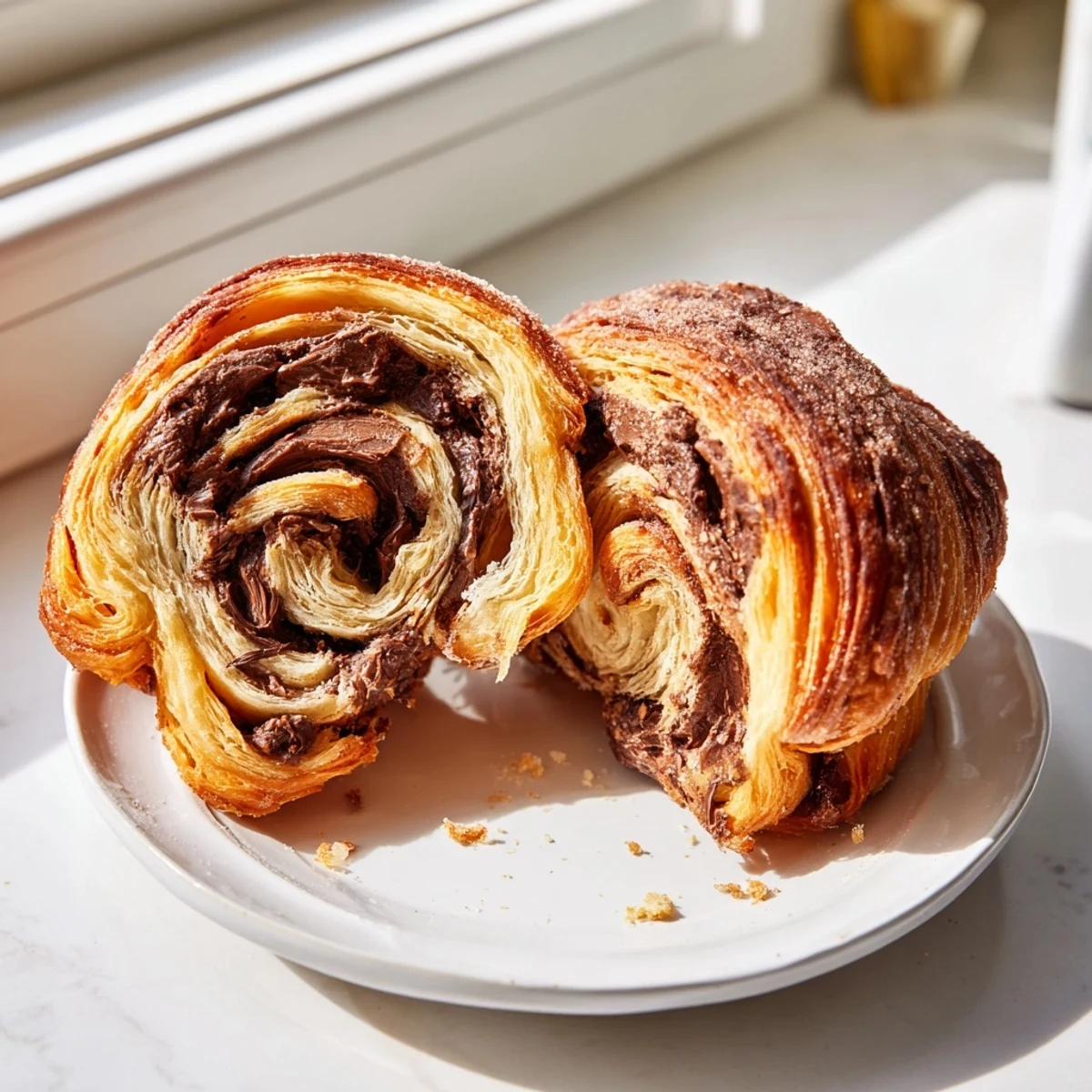
- Roll the laminated dough into a rectangle again and trim the edges so they are neat, then cut it into 12 even strips. Spread a thin layer of your chosen filling on each strip if desired, then roll each one tightly into a spiral, cut it lengthwise to reveal the layers, and twist each half into a loose knot before placing it cut side up into a greased muffin tin cavity.
- Give them a final rise:
- Cover the muffin tin loosely and let the shaped cruffins puff up for 45 to 60 minutes until they look swollen and have filled out their cavities noticeably.
- Bake until golden:
- Preheat your oven to 200 degrees Celsius, then bake the cruffins for 20 to 25 minutes until they are a deep golden brown and sound slightly hollow when tapped. The kitchen will smell absolutely incredible at this point.
- Finish and serve:
- Brush the warm cruffins with a little melted butter and roll them in cinnamon sugar while they are still hot so the coating sticks, then let them cool on a wire rack. Serve them plain or pipe extra filling like lemon curd or pastry cream into the center for a truly indulgent treat.
 Save
Save There is something almost meditative about the lamination process, the rhythm of rolling and folding and waiting, that makes these feel less like baking and more like a quiet morning ritual you come to crave.
Getting the Butter Temperature Right
The hardest lesson I learned was that butter temperature can make or break your entire batch of cruffins. You want the butter slab to feel like cold clay, firm enough that it does not squish when you press it but pliable enough that it rolls without cracking into pieces. If it shatters, let it sit at room temperature for five minutes, and if it feels greasy or soft, put it back in the fridge immediately. I once tried to rush this step on a hot summer day and ended up with a sticky mess that never recovered.
Choosing Your Fillings and Toppings
Half the joy of cruffins is experimenting with whatever you have tucked in your pantry. Pistachio paste paired with a dusting of powdered sugar feels elegant enough for a dinner party, while a smear of raspberry jam and a drizzle of glaze is pure weekend comfort. Nutella is the crowd pleaser that never fails, but a sharp lemon curd cuts through the richness in a way that keeps you reaching for another one. Caramel filling with chopped toasted hazelnuts on top is an extravagance worth trying at least once.
Tools That Actually Help
A stand mixer with a dough hook saves your arms during the initial kneading, but honestly your hands work fine if you are willing to commit ten minutes to it. Beyond that, a sturdy rolling pin, parchment paper, and a sharp knife or pizza cutter for cutting strips are really all you need.
- Grease your muffin tin generously or line it with paper liners to prevent the cruffins from sticking.
- A pastry brush is worth owning just for the melted butter step at the end.
- Always check your yeast is active by sprinkling a pinch into warm milk and waiting five minutes for bubbles before committing.
 Save
Save Share them warm, watch the faces around your table, and know that every fold and every minute of waiting was absolutely worth it.
Questions & Answers
- → Why is my cruffin dough not rising properly?
-
Yeast needs warmth to activate. Ensure your milk is warm to the touch (around 38°C) but not hot, which kills the yeast. Also check that your yeast isn't expired and that your rising environment is draft-free.
- → Can I prepare the dough the night before?
-
Yes, you can refrigerate the dough after the lamination step overnight. This actually improves flavor through slow fermentation. Let it come to room temperature for about 30 minutes before shaping.
- → Why does the butter leak out during baking?
-
Butter leakage usually means the dough and butter were at different temperatures when laminating. The butter should be pliable but cool — not soft or melting. Keep chilling the dough between folds as directed.
- → What is the best way to fill cruffins?
-
For filled cruffins, use a piping bag inserted into the center after baking. For rolled fillings, spread a thin, even layer on the dough strips before rolling. Avoid overfilling, which causes leakage during baking.
- → Can I freeze cruffins?
-
You can freeze unbaked shaped cruffins on a tray, then transfer to a bag. Bake from frozen, adding about 5 extra minutes. Baked cruffins freeze well too — reheat in a 170°C oven for 8 minutes to restore flakiness.
- → What butter should I use for lamination?
-
Use high-quality unsalted butter with at least 82% fat content. European-style butters like Kerrygold or Plugrá hold their shape better during folding and create more distinct, flaky layers.