
 Save
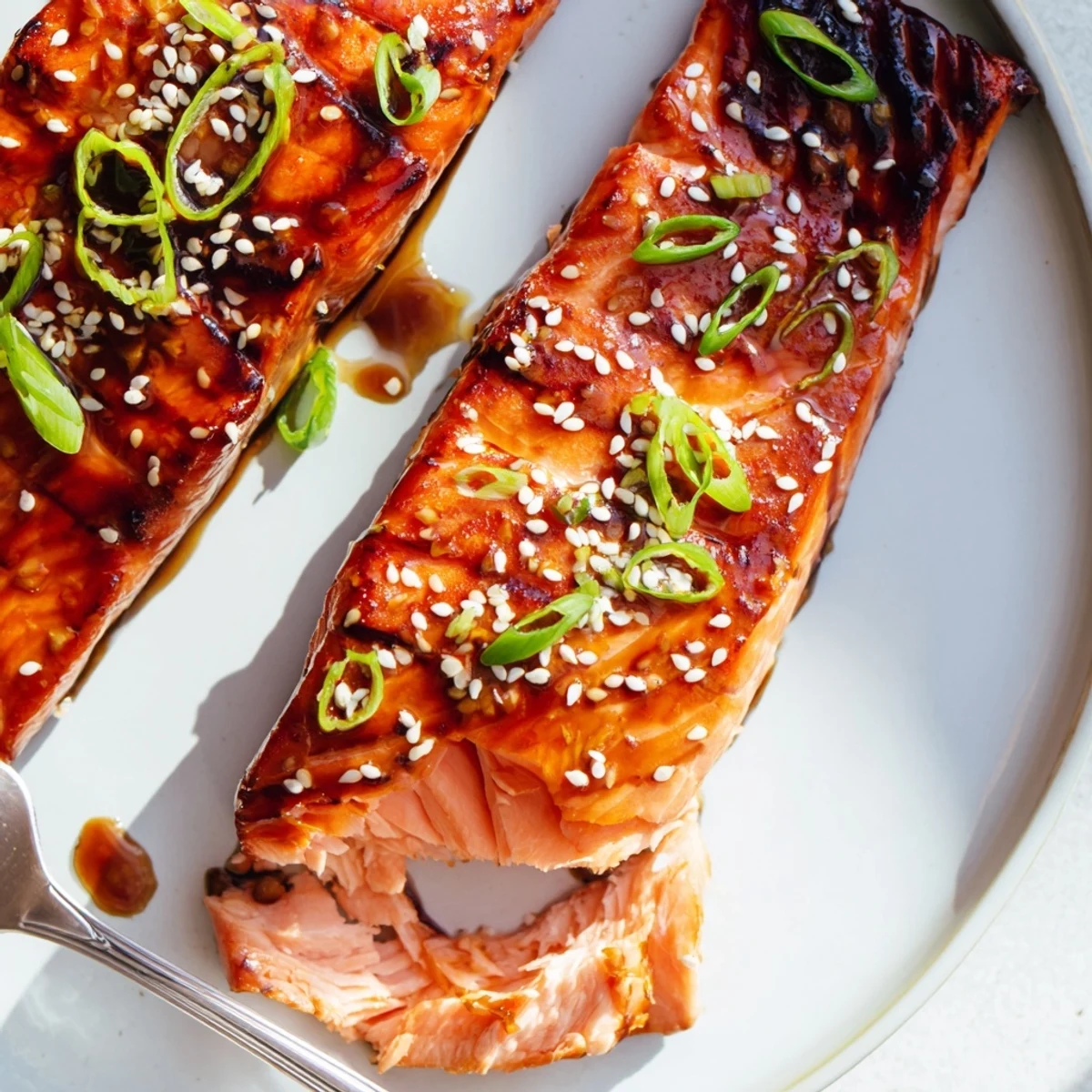
Save This Asian-inspired dish features tender skin-on salmon fillets baked to perfection and coated in a rich, homemade gluten-free teriyaki sauce made with tamari, pure maple syrup, rice vinegar, and sesame oil.
Ready in just 25 minutes from start to finish, it's an ideal weeknight dinner that doesn't sacrifice flavor for convenience. The sauce thickens beautifully with a simple cornstarch slurry, creating a glossy glaze that caramelizes in the oven.
Garnished with toasted sesame seeds and spring onions, this dish pairs wonderfully with steamed jasmine rice or sautéed vegetables for a complete, nourishing meal.
The sizzle of salmon hitting a hot pan is one of those sounds that instantly makes a kitchen feel alive. My friend Yuki introduced me to homemade teriyaki sauce during a cramped apartment dinner party where we barely had counter space but somehow produced something unforgettable. That night taught me that store-bought teriyaki could never compete with the real thing, especially when you need it gluten-free. This recipe captures that magic in under thirty minutes.
I started making this on busy Tuesday nights when my partner would walk through the door exhausted and needing something that felt like care on a plate. The smell of garlic and ginger simmering in tamari would drift through the hallway and somehow make the whole evening soften. Now it is the meal we reach for when takeout feels too heavy but effort feels too much.
Ingredients
- 4 skin-on salmon fillets (about 150g each): Skin-on holds together beautifully during baking and gives you that irresistible crispy edge underneath the glaze.
- 60 ml gluten-free tamari: Tamari delivers a deeper, rounder umami than regular soy sauce and keeps everything safely gluten-free.
- 60 ml pure maple syrup: Maple brings a mellow sweetness that caramelizes in the oven without burning as quickly as honey can.
- 2 tbsp rice vinegar: A splash of acidity cuts through the richness of the salmon and balances the sweetness perfectly.
- 1 tbsp sesame oil: Just a small amount infuses the entire sauce with that unmistakable toasty, nutty backbone.
- 2 cloves garlic, minced: Fresh garlic matters here because you want that sharp, fragrant punch blooming in the warm sauce.
- 1 tsp fresh ginger, grated: Grated ginger melts into the sauce and adds warmth without overwhelming any other flavor.
- 1 tsp cornstarch plus 2 tsp cold water: This simple slurry transforms a thin liquid into a velvety glaze that actually clings to the fish.
- 1 tsp toasted sesame seeds: They add a gentle crunch and visual finish that makes the dish look as good as it tastes.
- 2 spring onions, thinly sliced: Scatter these on at the end for a fresh, sharp contrast to the sweet, sticky glaze.
Instructions
- Build the sauce base:
- In a small saucepan, combine the tamari, maple syrup, rice vinegar, sesame oil, garlic, and ginger. Bring it to a gentle simmer over medium heat and let those aromatics open up for about a minute until your kitchen smells incredible.
- Thicken the glaze:
- Whisk the cornstarch and cold water together in a small bowl until smooth, then pour it into the simmering sauce while whisking constantly. Keep stirring for about two minutes until the sauce turns glossy and coats the back of a spoon, then pull it off the heat.
- Prep the oven and fish:
- Heat your oven to 200 degrees C (400 degrees F) and line a baking tray with parchment paper. Lay the salmon fillets skin-side down and brush each one generously with the teriyaki sauce, saving a little extra for serving.
- Bake until perfect:
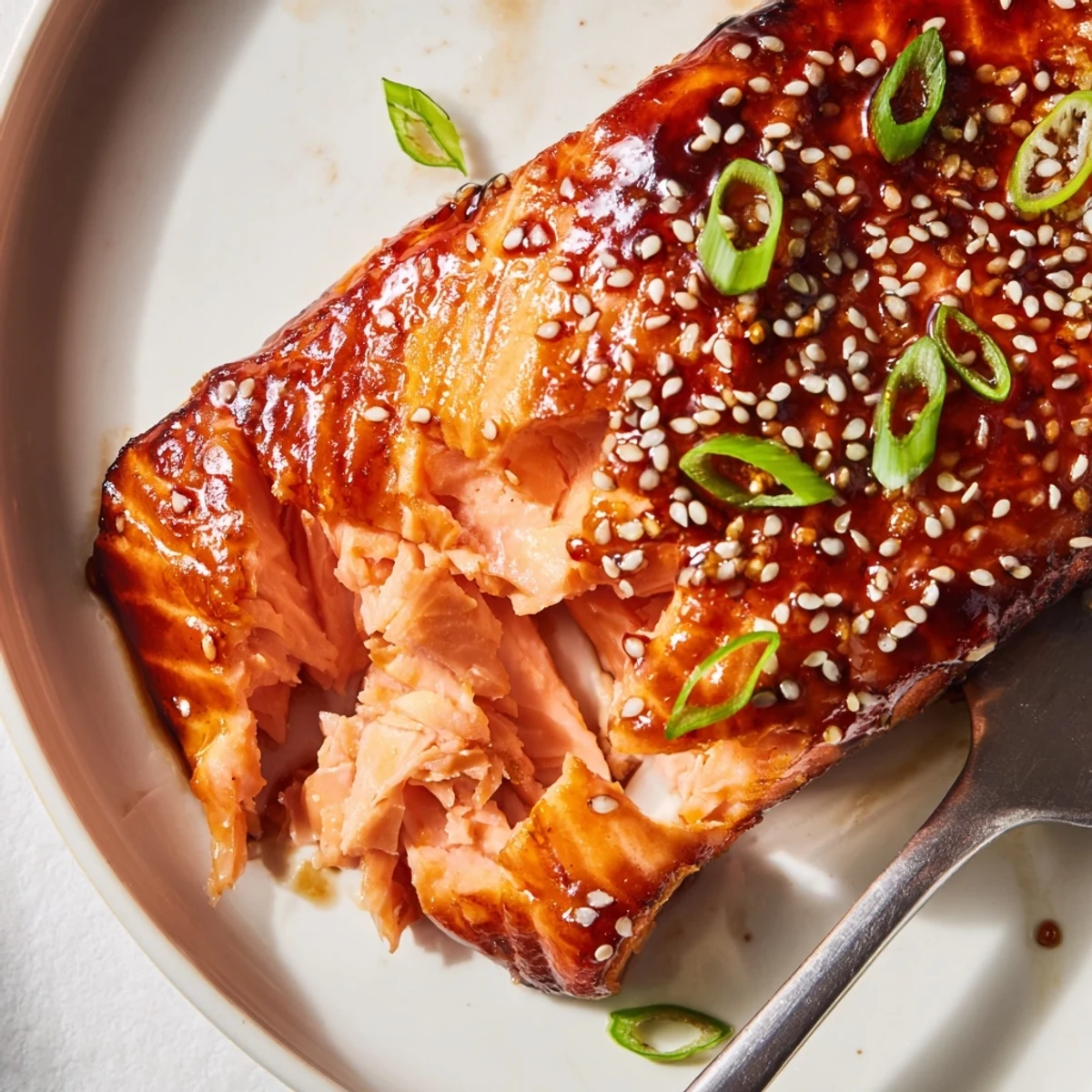
- Slide the tray into the oven and bake for twelve to fifteen minutes, until the thickest part of the fillet flakes easily when you press it gently with a fork. The glaze should be bubbling slightly and caramelized at the edges.
- Finish and serve:
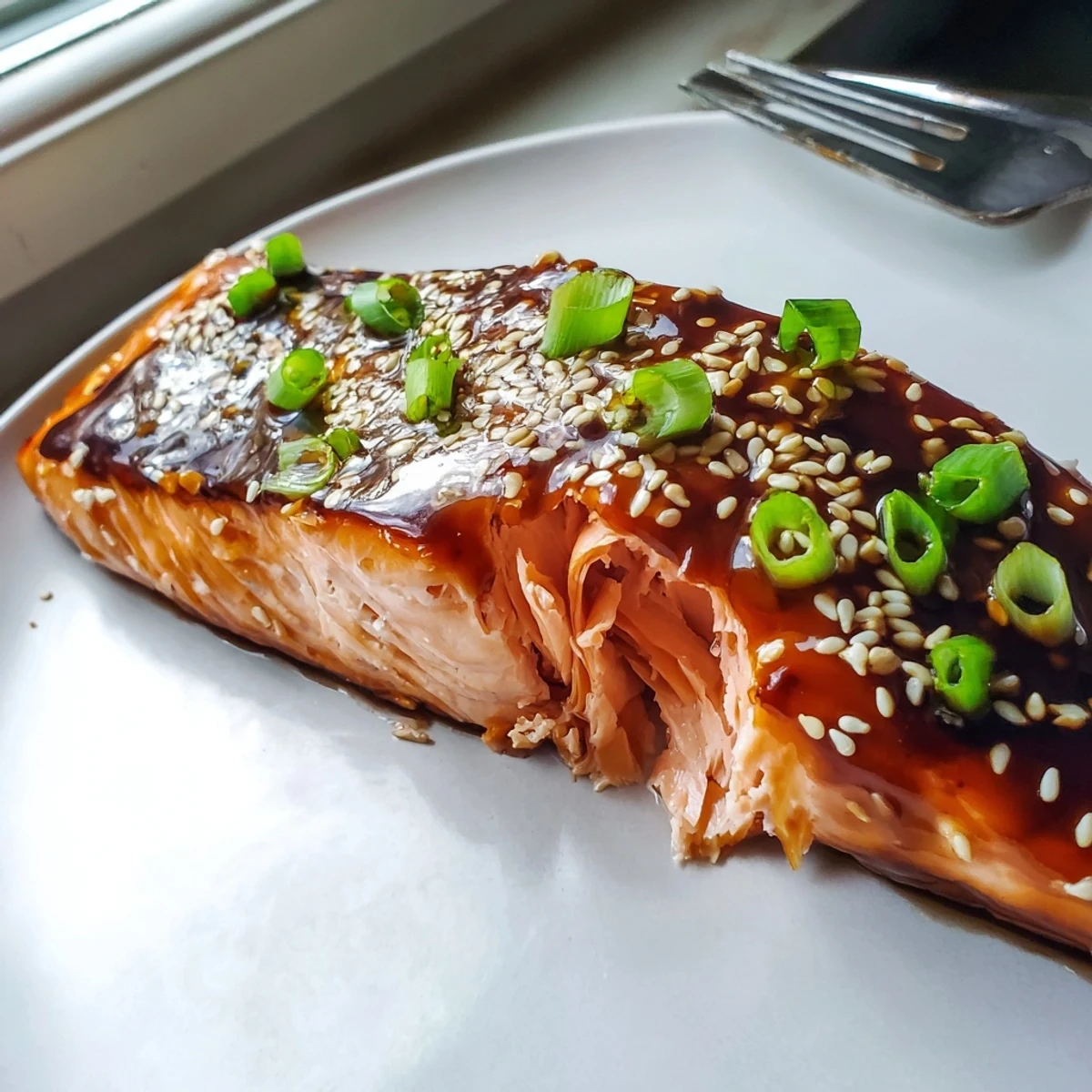
- Transfer the salmon to plates, drizzle with any reserved sauce, and scatter toasted sesame seeds and sliced spring onions over the top. Serve it right away while the edges are still crisp and the fish is meltingly tender.
 Save
Save One rainy evening I doubled this recipe for a small gathering and watched four adults go completely silent at the table after the first bite. That kind of quiet is the highest compliment a cook can receive.
What to Serve Alongside
Steamed jasmine rice is the obvious partner here because it soaks up every drop of that extra sauce pooling on the plate. A quick side of sautéed bok choy or snap peas with a squeeze of lime adds brightness and crunch without competing for attention.
Adjusting the Sweetness and Heat
If you prefer honey over maple syrup, it works beautifully but expect a slightly more floral sweetness and a darker, richer caramel color on the glazed fish. A pinch of red chili flakes stirred into the sauce right at the end gives the whole dish a slow, warming hum that builds with each bite.
Storage and Reheating Wisdom
Leftover salmon keeps well in an airtight container in the fridge for up to two days, though the skin softens overnight and loses its initial crispness. Reheat gently in a low oven rather than a microwave to preserve the texture of the fish.
- Store the extra sauce separately so you can drizzle it fresh over leftovers.
- Cold leftover salmon actually makes an excellent next-day lunch over a simple grain bowl.
- Always let the fish cool completely before covering and refrigerating to avoid condensation making it soggy.
 Save
Save Keep this one in your back pocket for the nights when you want something beautiful with almost no effort. A good glaze and a hot oven can carry the whole evening.
Questions & Answers
- → Can I use regular soy sauce instead of tamari?
-
You can, but tamari is the preferred choice for keeping this dish gluten-free. Regular soy sauce contains wheat. If gluten is not a concern for you, standard soy sauce works perfectly fine in the sauce mixture.
- → How do I know when the salmon is fully cooked?
-
The salmon is done when it flakes easily with a fork. This typically takes 12 to 15 minutes in a 200°C (400°F) oven. The internal temperature should reach 63°C (145°F) for optimal safety and texture.
- → Can I pan-sear the salmon instead of baking?
-
Absolutely. Sear the salmon skin-side down in an oven-safe skillet for about 4 minutes, then flip and cook another 3 to 4 minutes. Baste with the teriyaki sauce during the last minute of cooking for a beautiful glaze.
- → What can I substitute for maple syrup?
-
Honey is a great alternative that provides a slightly different sweetness profile. Brown sugar dissolved in a tablespoon of warm water also works well if you prefer a deeper, more caramel-like sweetness in the sauce.
- → How should I store leftovers?
-
Store leftover salmon in an airtight container in the refrigerator for up to 2 days. Reheat gently in the oven at 160°C (325°F) to avoid drying it out. The teriyaki sauce can be stored separately for up to a week refrigerated.
- → Is this dish suitable for meal prep?
-
Yes, the teriyaki sauce can be made up to 3 days in advance and stored in the refrigerator. Cook the salmon fresh when ready to serve for the best texture and flavor, as reheated salmon tends to dry out.