
 Save
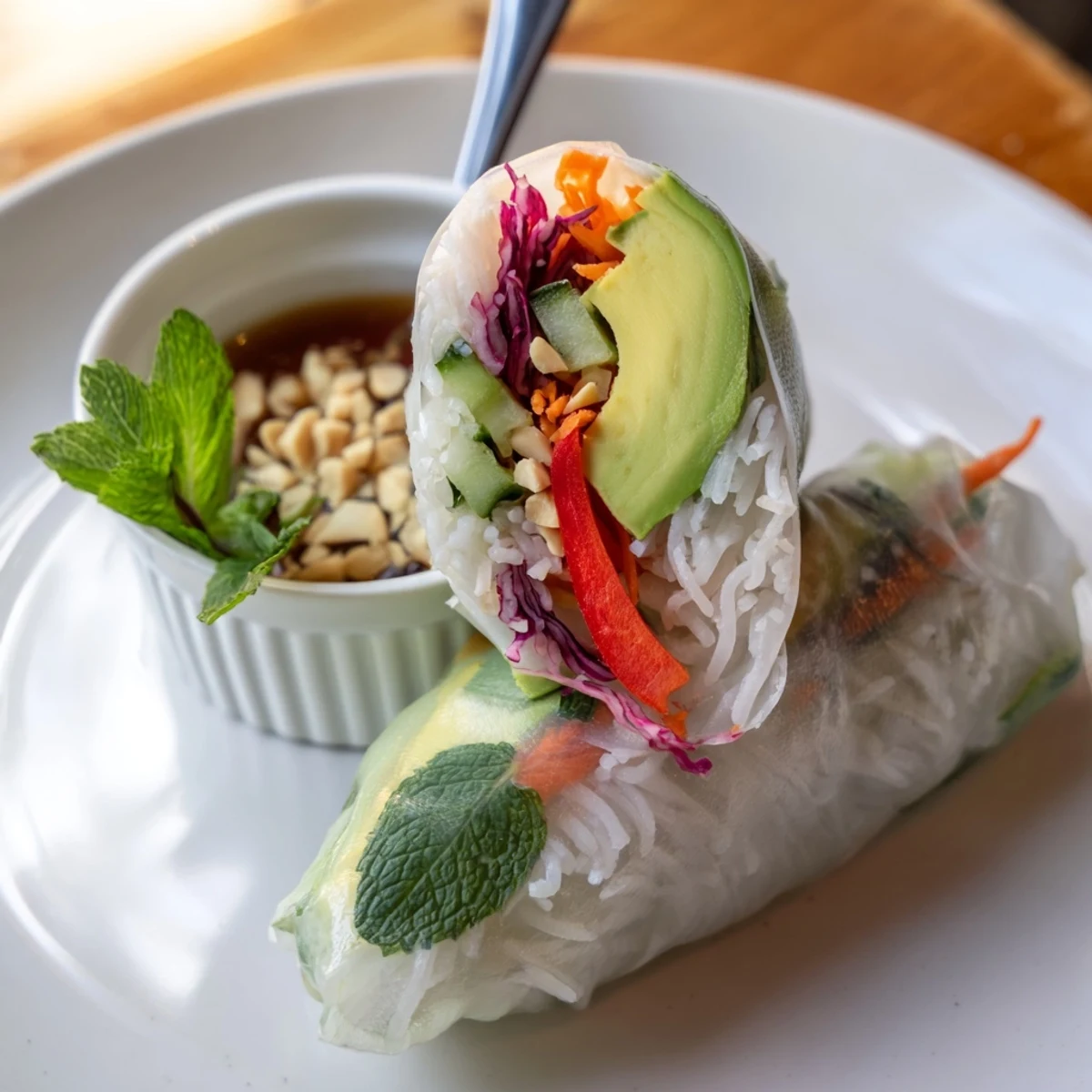
Save These gluten-free spring rolls combine julienned carrot, cucumber, red pepper, shredded cabbage, avocado and fresh herbs with rice vermicelli, all wrapped in soaked rice paper for a crisp, tender bite. Assemble on a damp surface, fold sides and roll tightly. Whisk tamari, rice vinegar, maple, sesame oil, ginger and garlic for a bright dipping sauce. Best served immediately; store covered with a damp towel for a few hours.
The summer my neighbors garden exploded with vegetables I found myself making spring rolls almost every other afternoon, standing at the counter with damp hands and a pile of rice paper wrappers, convinced each roll looked slightly less lopsided than the last. There is something meditative about the whole process, the way warm water transforms stiff translucent circles into soft pliable sheets ready to hold whatever colorful combination you dream up. These gluten free versions became my go-to because nobody at my table ever felt left out, and honestly the flavors are so vibrant nobody misses anything. The tangy ginger laced dipping sauce alone is worth turning on the stove for, except there is no stove required at all.
I brought a platter of these to a backyard potluck once and watched a friend who swears she hates cabbage eat three of them without coming up for air, which remains one of my proudest kitchen victories. The trick was tucking the cabbage next to the avocado so the creamy richness balanced every crunchy bite.
Ingredients
- 1 medium carrot, julienned: Cut these as thin and uniform as you can manage because skinny matchsticks fold neatly into the roll without tearing the wrapper.
- 1/2 cucumber, julienned: English cucumbers work best since the seeds are minimal and the skin is tender enough to leave on.
- 1 red bell pepper, julienned: The sweetness of red bell pepper is essential here, do not substitute green unless you want a sharper, more aggressive bite.
- 1 cup red cabbage, thinly shredded: This adds a gorgeous purple streak and a satisfying crunch that holds up even after a few hours in the fridge.
- 1 avocado, sliced: Tuck these in last right before rolling so they do not slide around and the slices stay intact.
- 1 cup fresh mint leaves: Mint is what makes these taste distinctly fresh and slightly sweet, so do not skip it or skimp on volume.
- 1 cup fresh cilantro leaves: If cilantro tastes like soap to you, substitute flat leaf parsley and add an extra squeeze of lime to the dipping sauce instead.
- 8 gluten free rice paper wrappers: Check the label carefully because some brands add wheat starch, and you want pure rice based wrappers for both texture and safety.
- 100 g rice vermicelli noodles: Cook these just until tender because overcooked noodles turn gummy and make the rolls heavy.
- 3 tbsp gluten free soy sauce or tamari: Tamari has a rounder, deeper flavor than regular soy sauce and naturally contains no wheat.
- 2 tbsp rice vinegar: This provides the bright acidic backbone that balances the richness of sesame oil and avocado.
- 1 tbsp maple syrup or honey: A touch of sweetness rounds out the sauce without making it cloying, and maple syrup keeps this fully plant based.
- 1 tsp toasted sesame oil: A little goes a long way, so measure carefully and use the toasted variety for maximum fragrance.
- 1 tsp grated fresh ginger: Grate it on a microplane directly into the sauce so the juices blend in without any fibrous chunks.
- 1 clove garlic, minced: Smash the clove with the flat side of your knife before mincing to release more flavor.
- 1 tbsp chopped peanuts, optional: Sprinkle these over the filling or on top of the sauce for crunch, but leave them out entirely for a nut free version.
Instructions
- Cook the noodles:
- Prepare the rice vermicelli according to the package directions, drain thoroughly, and rinse under cool water so they stop cooking and separate easily.
- Prep and arrange the vegetables:
- Julienne and slice all the vegetables, then lay everything out on a large platter or cutting board so you can assemble quickly without fumbling with wet hands.
- Soften the rice paper:
- Fill a wide shallow bowl with warm water and submerge one wrapper at a time for about ten to fifteen seconds until it feels flexible but still has slight structure, because it continues softening after you remove it.
- Build each roll:
- Lay the softened wrapper flat, place a modest bundle of noodles, vegetables, and herbs across the lower third keeping everything tight and compact, then add a few avocado slices on top.
- Roll them up:
- Fold the left and right sides inward over the filling, then roll firmly from the bottom toward the top, tucking the filling in with your fingers as you go to keep the shape neat.
- Whisk the dipping sauce:
- Combine the tamari, rice vinegar, maple syrup, sesame oil, grated ginger, minced garlic, and chopped peanuts in a small bowl and stir until everything is evenly blended.
- Serve and enjoy:
- Arrange the rolls on a plate with the seam side down, serve alongside the dipping sauce, and eat them as soon as possible while the wrappers are still silky and the vegetables are at their crispest.
 Save
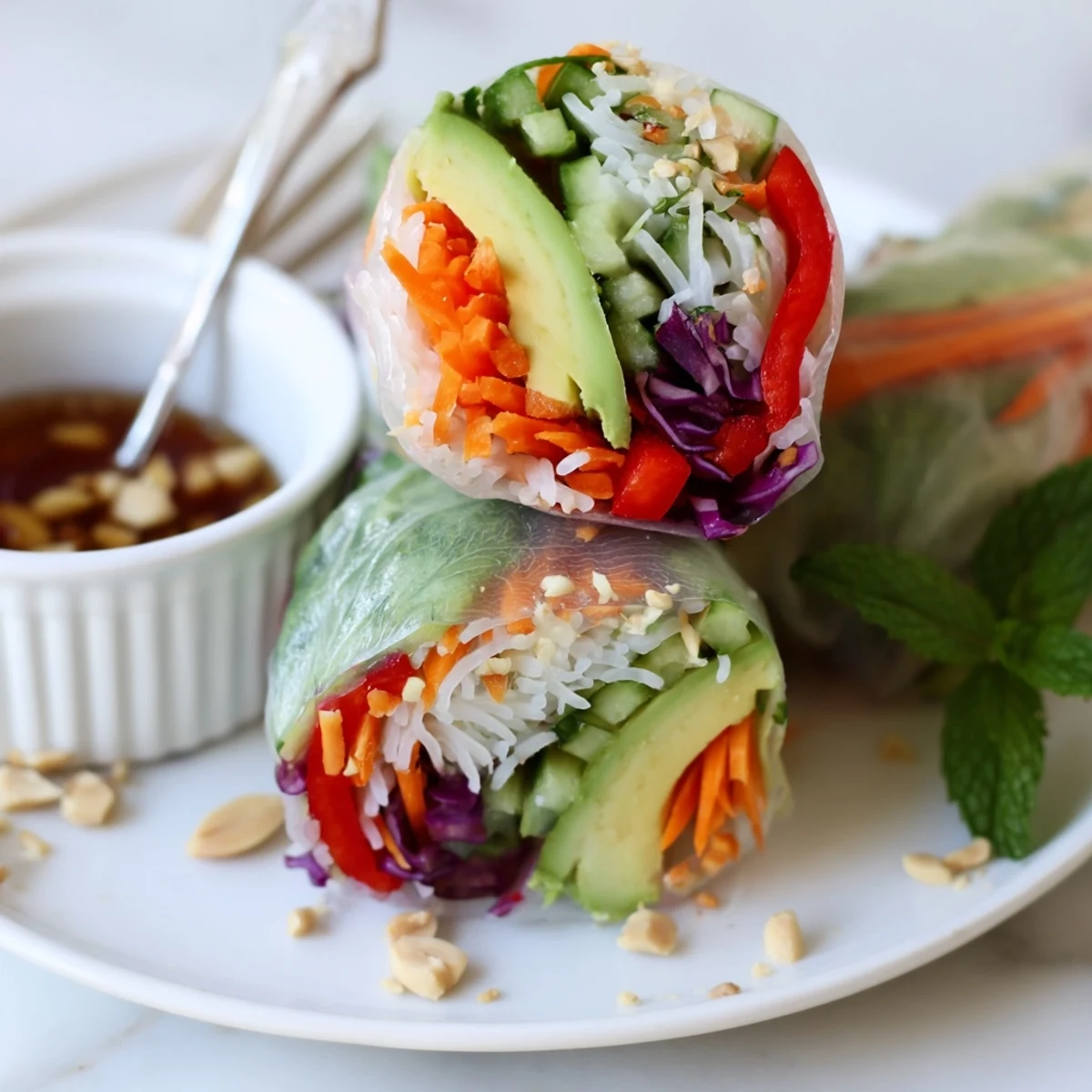
Save The afternoon I taught my daughter to roll these, she stuffed her first attempt with so much filling it burst open like a tiny vegetable explosion, and we laughed so hard we had to start over with fresh wrappers. Those imperfect, overfilled rolls somehow tasted the best of all.
Keeping Them Fresh
Spring rolls are at their peak within the first hour of making them, but if you need to hold them longer cover the platter with a damp paper towel and wrap the whole thing tightly in plastic before refrigerating. They will stay respectable for up to four hours this way, though the noodles may firm up slightly and the avocado will start to brown at the exposed edges.
Making It a Full Meal
To turn these from a snack into something more substantial, add pressed extra firm tofu cut into thin strips, or tuck in a few cooked shrimp if seafood is on the table. A handful of massaged kale or a smear of miso paste inside the roll adds depth without complicating the assembly process.
Tools That Actually Help
A sharp knife and a steady hand matter more than fancy equipment here, but a julienne peeler saves significant time if you are making these for a crowd. The most important tool is genuinely just a wide shallow bowl for soaking the rice paper, because a narrow one makes it impossible to submerge the wrappers evenly.
- Keep a clean damp kitchen towel on your work surface to wipe away sticky residue between rolls.
- Use your fingers rather than tongs to handle the softened rice paper so you can feel when it is ready.
- Remember that your first roll will probably be ugly, and that is completely normal and still delicious.
 Save
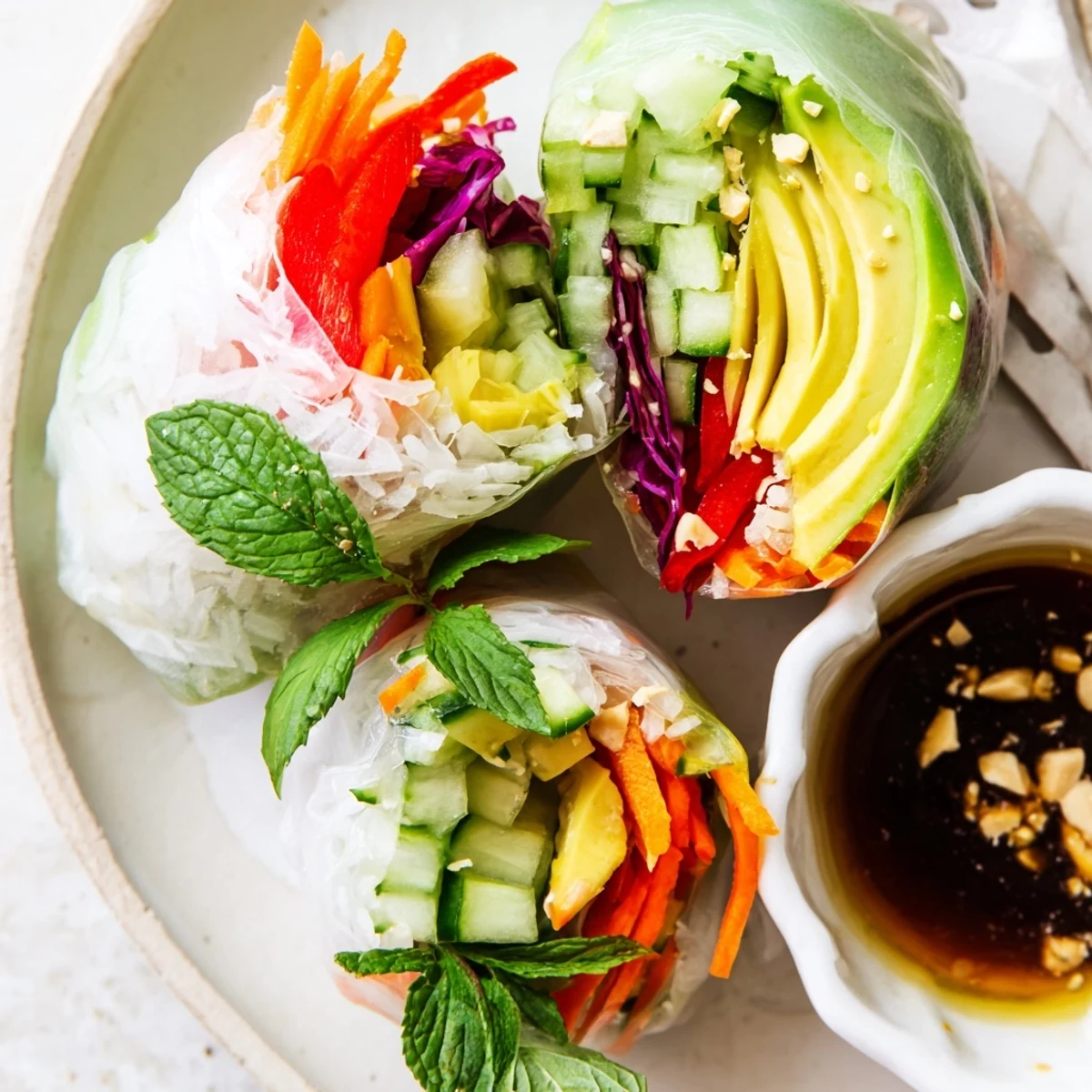
Save There is real joy in making something so colorful and fresh with nothing more than a bowl of warm water and a stack of vegetables. Share these with someone you like, and watch them disappear.
Questions & Answers
- → How long should rice paper be soaked?
-
Submerge each wrapper for about 10–15 seconds in warm water until pliable but still slightly firm. Over-soaking makes it sticky and prone to tearing.
- → How do I prevent rolls from falling apart?
-
Keep fillings compact and dry, place them on the lower third of the wrapper, fold the sides snugly, then roll tightly from the bottom like a burrito to create a secure seal.
- → What are good protein additions?
-
Add pan-fried tofu, grilled chicken, or cooked shrimp for extra protein. Pat proteins dry and slice thinly so they roll neatly with the vegetables.
- → Can I prepare these in advance?
-
Rolls are best fresh. If needed, place them on a tray covered with a damp towel and wrap lightly with plastic; refrigerate for a few hours but avoid stacking to prevent sticking.
- → How can I make the dipping sauce nut-free?
-
Omit chopped peanuts and use tamari or soy sauce with rice vinegar, maple syrup, sesame oil and grated ginger for a bright, nut-free dip.
- → Any tips for extra crunch?
-
Include lettuce leaves, bean sprouts or thinly sliced jicama for added crunch, and assemble them near the outside so the texture is noticeable in each bite.