
 Save
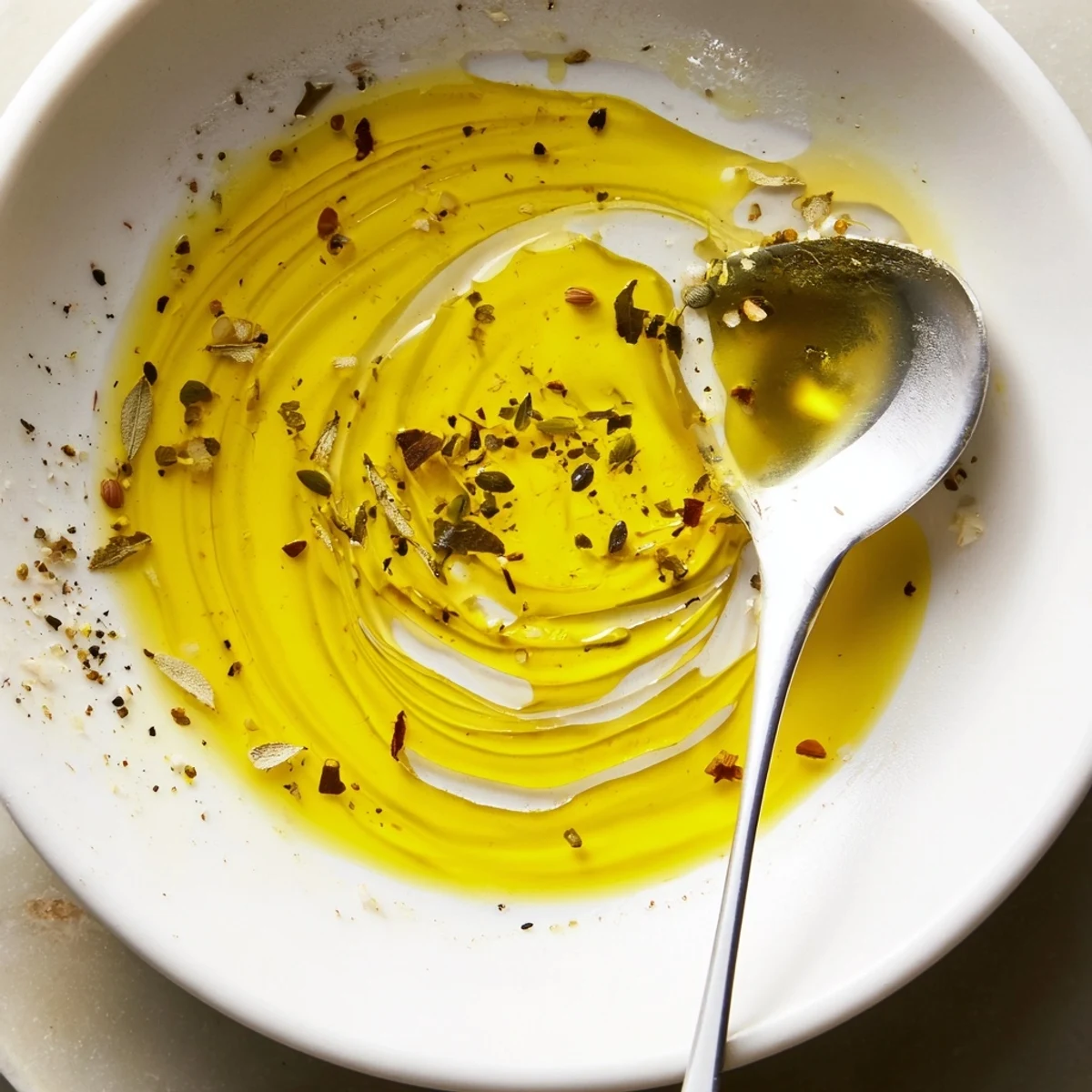
Save This Greek-style vinaigrette combines red wine vinegar, Dijon mustard, minced garlic, dried oregano, salt and pepper, whisked slowly into extra-virgin olive oil to form a smooth emulsion in minutes. Adjust sweet-tart balance with a touch of honey or lemon. For creamier texture, blend briefly. Store chilled and shake before using to dress greens, roasted vegetables or as a quick marinade.
The screen door was slamming shut behind me when I realized the salad was naked and dinner guests were arriving in twenty minutes. I rummaged through the pantry and found red wine vinegar, a nearly empty jar of Dijon, and a bottle of olive oil that had traveled back from a tiny shop in Crete three summers ago. That desperate bottle shaking turned into the dressing people now specifically request before they even sit down at my table.
My neighbor Dave once watched me whisk a batch together on the back porch and declared it better than anything from a restaurant, which is generous because Dave thinks every meal is the best meal hes ever had. Still, I make extra every time now because he legitimately eats it with a spoon when he thinks nobody is looking.
Ingredients
- Extra virgin olive oil (1/2 cup): This is the backbone so use something you would happily taste on its own, not that dusty bottle pushed to the back of the cabinet.
- Red wine vinegar (1/4 cup): It provides the sharp tangy punch that makes Greek dressing unmistakable so do not substitute with white vinegar.
- Dijon mustard (2 teaspoons): The real workhorse here because it emulsifies the dressing and adds a subtle heat that mustard alone never would.
- Dried oregano (1 teaspoon): Rub it between your palms before adding to wake up the oils and release far more flavor than just shaking it in.
- Garlic clove, finely minced (1): One clove is enough to announce itself without taking over the entire conversation.
- Sea salt (1/2 teaspoon): Start here and adjust upward because you can always add more but you cannot undo a salty dressing.
- Freshly ground black pepper (1/4 teaspoon): Pre ground tastes like nothing so invest the ten seconds it takes to crack it fresh.
- Honey or maple syrup (1 teaspoon, optional): A quiet sweetness that rounds off the acid beautifully especially if your vinegar is particularly sharp.
- Fresh lemon juice (1 tablespoon, optional): Adds brightness that works especially well in summer when everything feels heavy.
- Crushed red pepper flakes (pinch, optional): For those who want a flicker of heat without committing to anything spicy.
Instructions
- Build the flavor base:
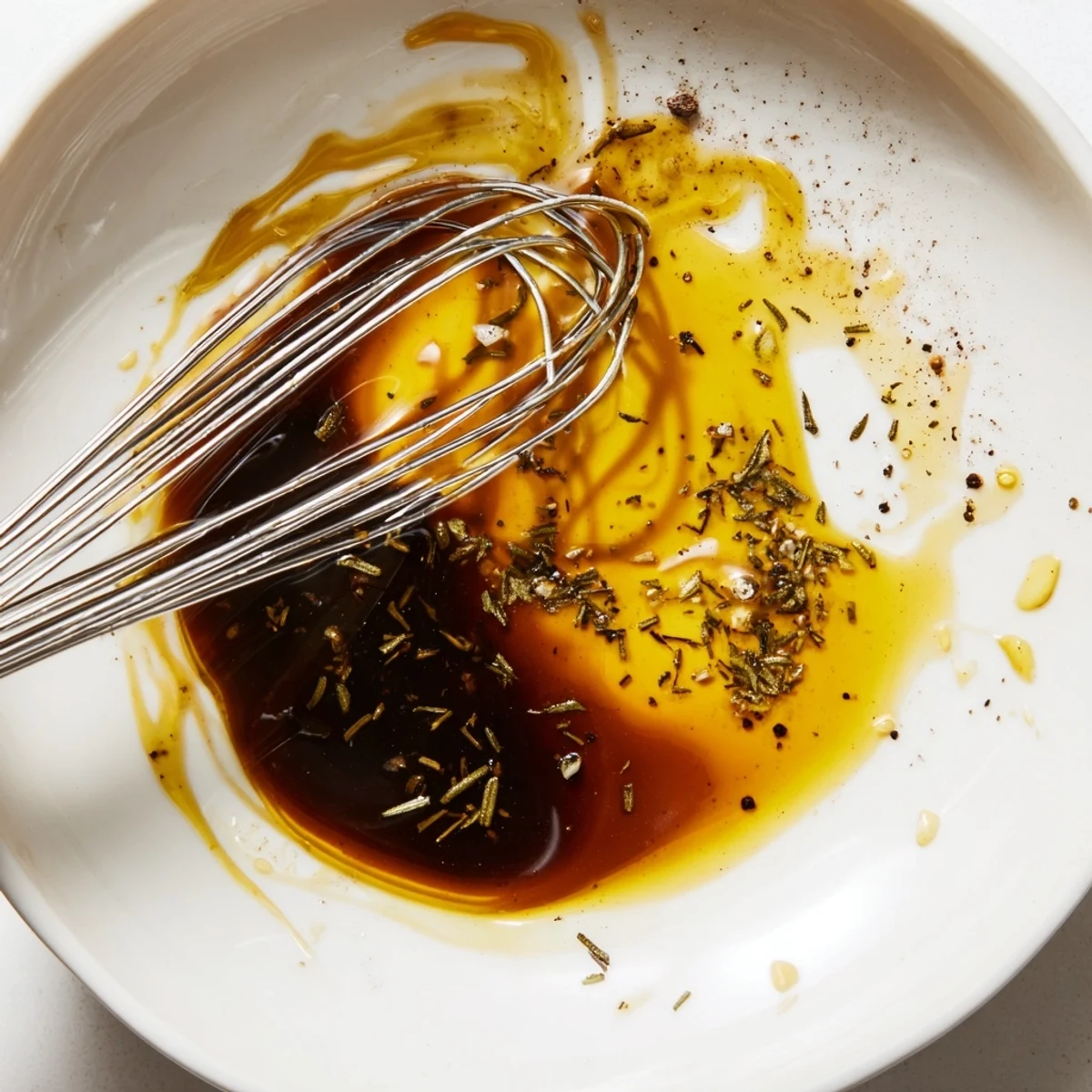
- In a medium bowl or measuring jug, whisk together the red wine vinegar, Dijon mustard, minced garlic, sea salt, black pepper, dried oregano, and any optional honey or lemon juice until the salt dissolves and everything smells like a Greek kitchen in the afternoon.
- Stream in the olive oil:
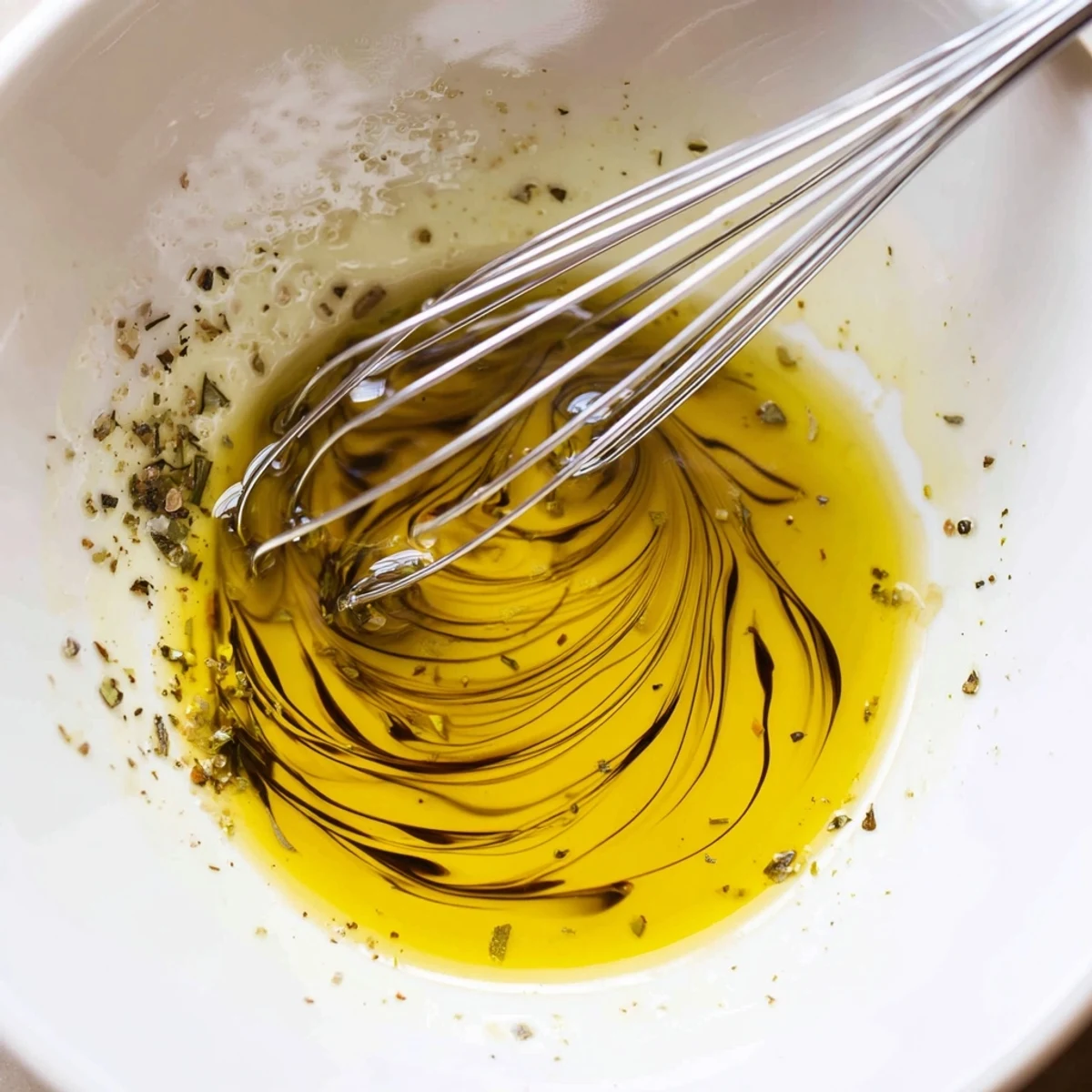
- Drizzle the olive oil in very slowly while whisking like you mean it, because this is the moment where the dressing transforms from separated liquid into something creamy and cohesive.
- Whisk until it comes together:
- Keep going until the dressing looks slightly thickened and unified, meaning no oil slick floating on top when you stop.
- Taste and adjust:
- Dip a leaf of whatever greens you have nearby into the dressing and taste it directly on the salad rather than from a spoon, because the context changes everything.
- Store and serve:
- Pour into a jar with a tight lid and refrigerate, then shake vigorously before each use since even the best emulsion will settle overnight.
 Save
Save I have started keeping a jar of this in the fridge at all times because it turns a random plate of cucumbers and tomatoes into a meal that feels intentional and cared for.
Storing It Right
The dressing will keep beautifully in a sealed jar in the refrigerator for up to two weeks, though the garlic flavor intensifies over time so taste before serving older batches.
Beyond the Salad Bowl
This dressing doubles as a marinade for chicken thighs, a drizzle over roasted potatoes, or even a quick sauce for grain bowls on nights when cooking feels like too much effort.
Tools That Make It Easy
You genuinely only need a bowl and a whisk, though a mason jar with a lid lets you shake everything together and store it without dirtying another dish.
- A garlic press saves time and produces a finer mince than most knives can manage.
- Use a measuring jug with a pour spout if you want to drizzle the oil with one hand while whisking with the other.
- Always label the jar with the date because old dressing looks exactly like fresh dressing until you taste it.
 Save
Save A good dressing quietly makes everything on the plate better, and this one has a way of becoming the thing people remember long after the meal is over.
Questions & Answers
- → How do I get a stable emulsion?
-
Whisk the mustard and vinegar first, then add the olive oil in a slow, steady stream while whisking vigorously. The mustard acts as an emulsifier to bind oil and vinegar for a smooth, slightly thickened dressing.
- → Can I swap the olive oil for another oil?
-
Yes. Use a neutral oil like avocado or light olive oil for a milder flavor, or a robust extra-virgin olive oil to keep a fuller, peppery profile. Oil choice will change mouthfeel and aroma.
- → How long does the dressing keep in the fridge?
-
Stored in a sealed jar, it will keep 5–7 days. Separation is normal—shake or whisk before serving. Discard if it develops off smells or cloudiness beyond normal separation.
- → How can I make the dressing creamier?
-
Blend the mixture briefly in a small blender or use an immersion blender to fully emulsify. Adding a tablespoon of crumbled feta or a teaspoon of Greek yogurt will also lend creaminess, though that introduces dairy.
- → What are good uses beyond salads?
-
Use it as a quick marinade for chicken, fish or vegetables, drizzle over grain bowls, or toss with roasted vegetables to add bright acidity and herbaceous notes.
- → Any tips on balancing flavors?
-
Taste as you go: add a pinch of salt to enhance flavors, a touch of honey or maple to tame sharp acidity, or a squeeze of lemon to lift brightness. Oregano and garlic can be adjusted for more herbal or pungent character.