
 Save
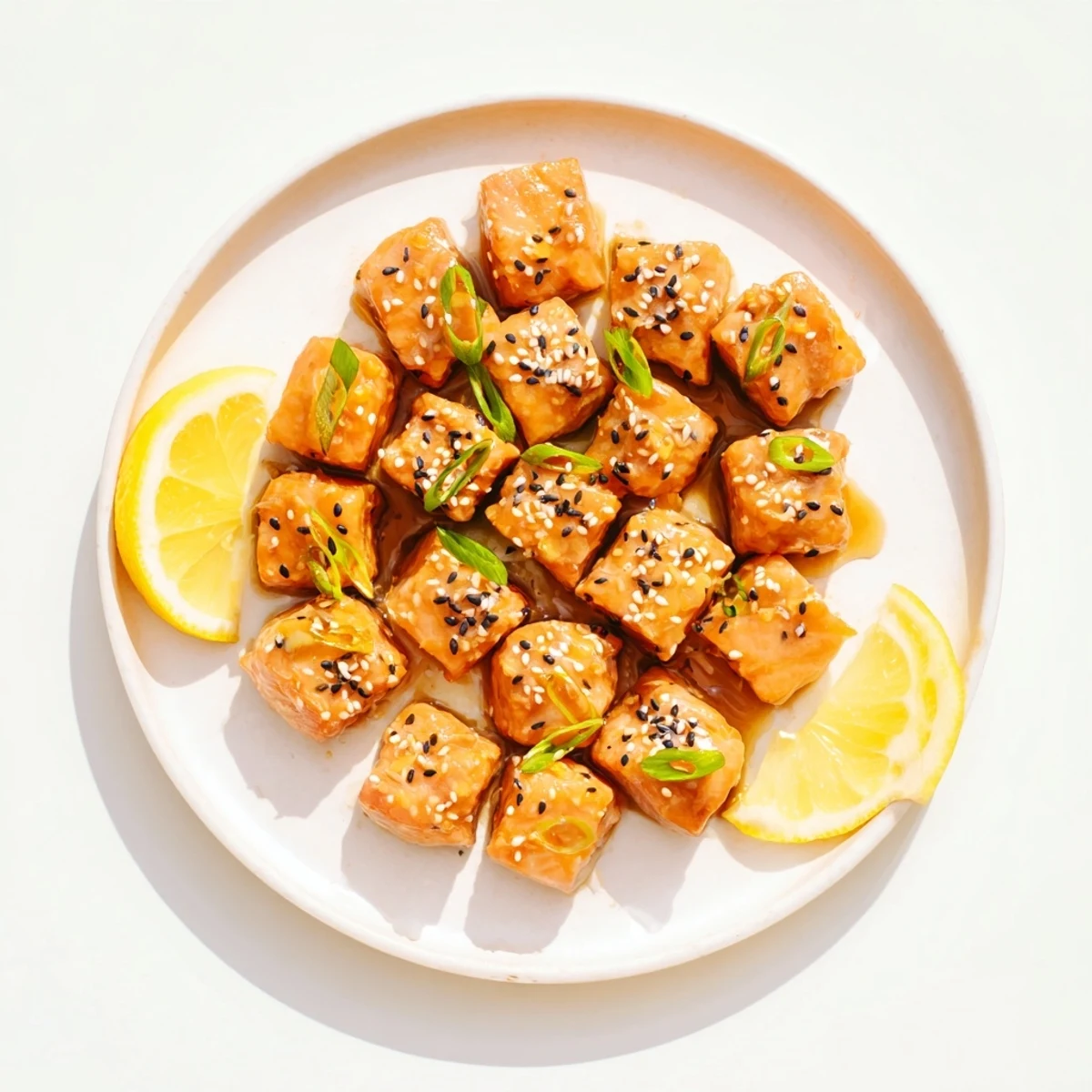
Save Tender salmon cubes are tossed in a honey, soy, olive oil, lemon and garlic mix, chilled briefly, then baked at 220°C (425°F) for 8 minutes. Simmer the reserved marinade to thicken, brush over the salmon and broil 2–4 minutes to caramelize edges. Garnish with sesame and green onion; serve over rice or salad. Store refrigerated up to 48 hours and use gluten-free soy sauce if needed.
The first time I tried making honey glazed salmon bites, the sweet smell mingling with savory soy sauce instantly made my kitchen feel like a bustling little bistro. I was convinced I’d burn the glaze or overcook the salmon, but curiosity got the best of me. There’s something playful about cubing salmon and watching each piece soak up that glossy marinade. The sizzle as they broiled promised I was onto something worthwhile.
I still laugh remembering how my brother, drawn by the smell, wandered in and attempted to snatch a bite before anything hit the platter. We ended up gathered around the oven, sampling a cube fresh from the tray—the sesame seeds popping and a squeeze of lemon brightening every bite. Even my friend who claims to dislike fish couldn’t resist.
Ingredients
- Salmon: Freshness makes all the difference here—the cubes cook fast, so I always check for pin bones and pat them dry for the best caramelization.
- Honey: Adds a floral sweetness and helps the glaze thicken; if it’s cold, a few seconds in warm water makes it easy to drizzle.
- Low-sodium soy sauce: Balances the honey without overpowering—I learned to always taste, as regular soy can make it too salty.
- Olive oil: Helps keep the salmon tender and the glaze silky, plus it encourages those perfect crispy edges.
- Fresh lemon juice: A splash right in the marinade lifts everything—don’t skip it, and zest is a fun addition if you’re citrus-obsessed.
- Garlic: Minced fine, it infuses the glaze with warmth; I use one clove for subtle flavor, two when I want a punch.
- Black pepper: A little freshly ground pepper helps balance the sweet and umami notes.
- Salt: Just enough to season—I’m careful if my soy sauce is on the salty side.
- Sesame seeds (optional): Toasted lightly, they add a nutty finish and crunch.
- Green onions (optional): Their freshness cuts through the richness beautifully—always slice them just before serving.
- Lemon wedges (optional): A squeeze over the hot salmon wakes up all the flavors.
Instructions
- Mix the Marinade:
- In a medium bowl, whisk together the honey, soy sauce, olive oil, lemon juice, garlic, pepper, and salt until smooth and glossy.
- Marinate the Salmon:
- Gently toss the salmon cubes in the marinade to fully coat, then cover and refrigerate for at least 10 minutes to let the flavors merge.
- Prep the Oven:
- Line your baking sheet with parchment paper and heat the oven to 220°C (425°F)—the salmon cooks quickly, so be ready!
- Arrange and Bake:
- Set the marinated cubes on the sheet with space around each piece, keeping the extra marinade for later, and bake for 8 minutes.
- Thicken the Glaze:
- While the salmon bakes, simmer the reserved marinade in a small saucepan for 2-3 minutes until syrupy and rich.
- Glaze and Broil:
- Brush the hot glaze over the baked salmon, then broil for 2-4 minutes until the edges begin to caramelize and the pieces glisten deeply.
- Garnish and Serve:
- Transfer to a platter, shower with sesame seeds and green onions, and serve with lemon wedges while the bites are still warm and sticky.
 Save
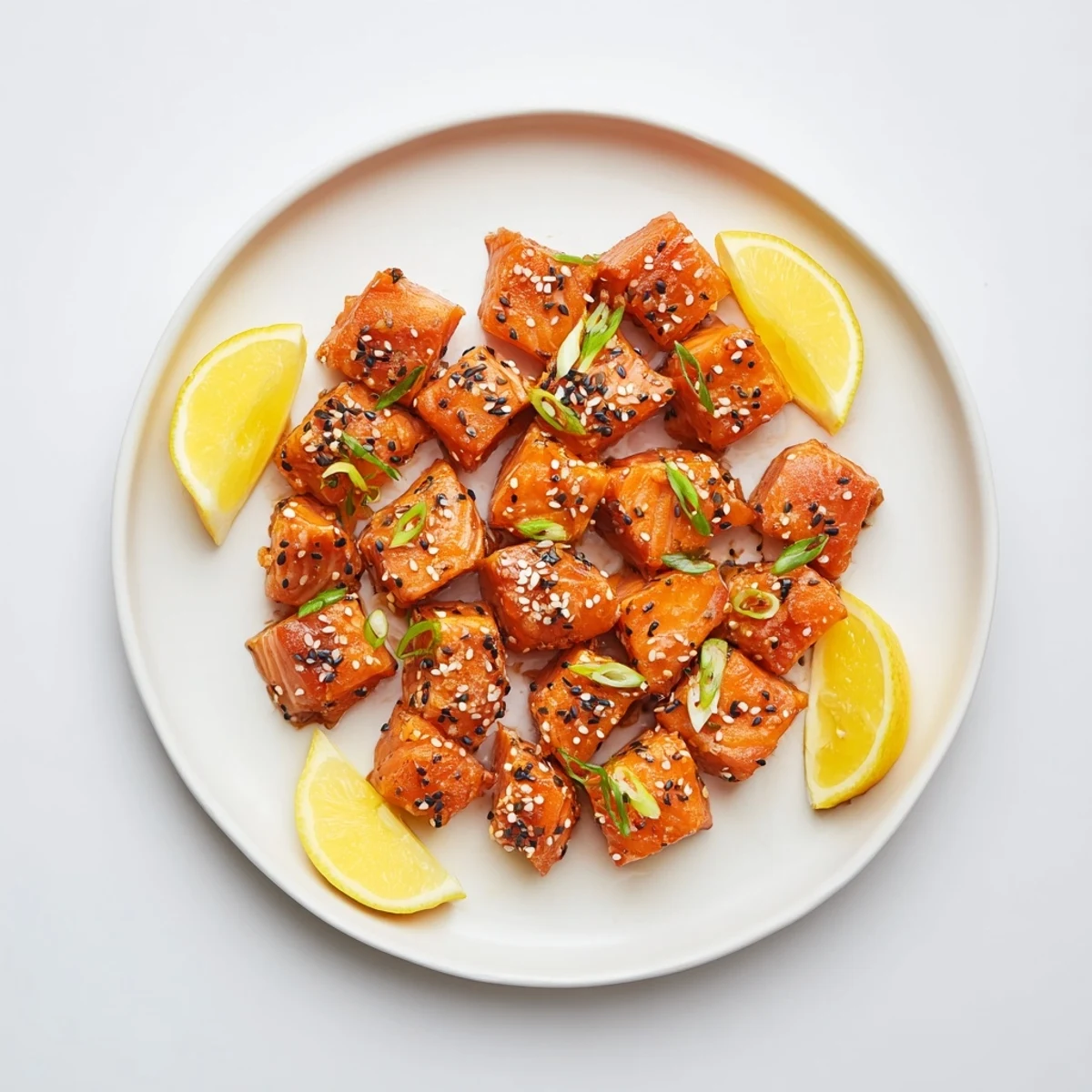
Save One evening, my neighbor dropped by unannounced, and these salmon bites became an impromptu appetizer that sparked stories around the kitchen island. It reminded me how food often creates a welcome pause on an otherwise frantic day.
Choosing and Prepping Salmon
Buying fillets without skin or bones spared me from unnecessary fuss on busy nights. If pieces aren’t uniform, the smaller cubes get irresistibly crispy—no one minds snagging those first.
Getting That Glaze Just Right
Patience is essential when simmering the leftover marinade; too hot, and the honey scorches, too low, and it stays runny. I swirl the pan gently and wait for tiny bubbles at the edge before pulling it off the heat.
Creative Serving Ideas
I’ve scattered these on rice bowls, tossed them into Saturday salads, and even tucked them into lettuce wraps for a hand-held snack. One night, I swapped in maple syrup and added a pinch of chili—my kitchen instantly woke up.
- Lemon zest adds zing if you want more citrus.
- Double the batch: these disappear fast at gatherings.
- Always save a few bites for yourself before they’re gone.
 Save
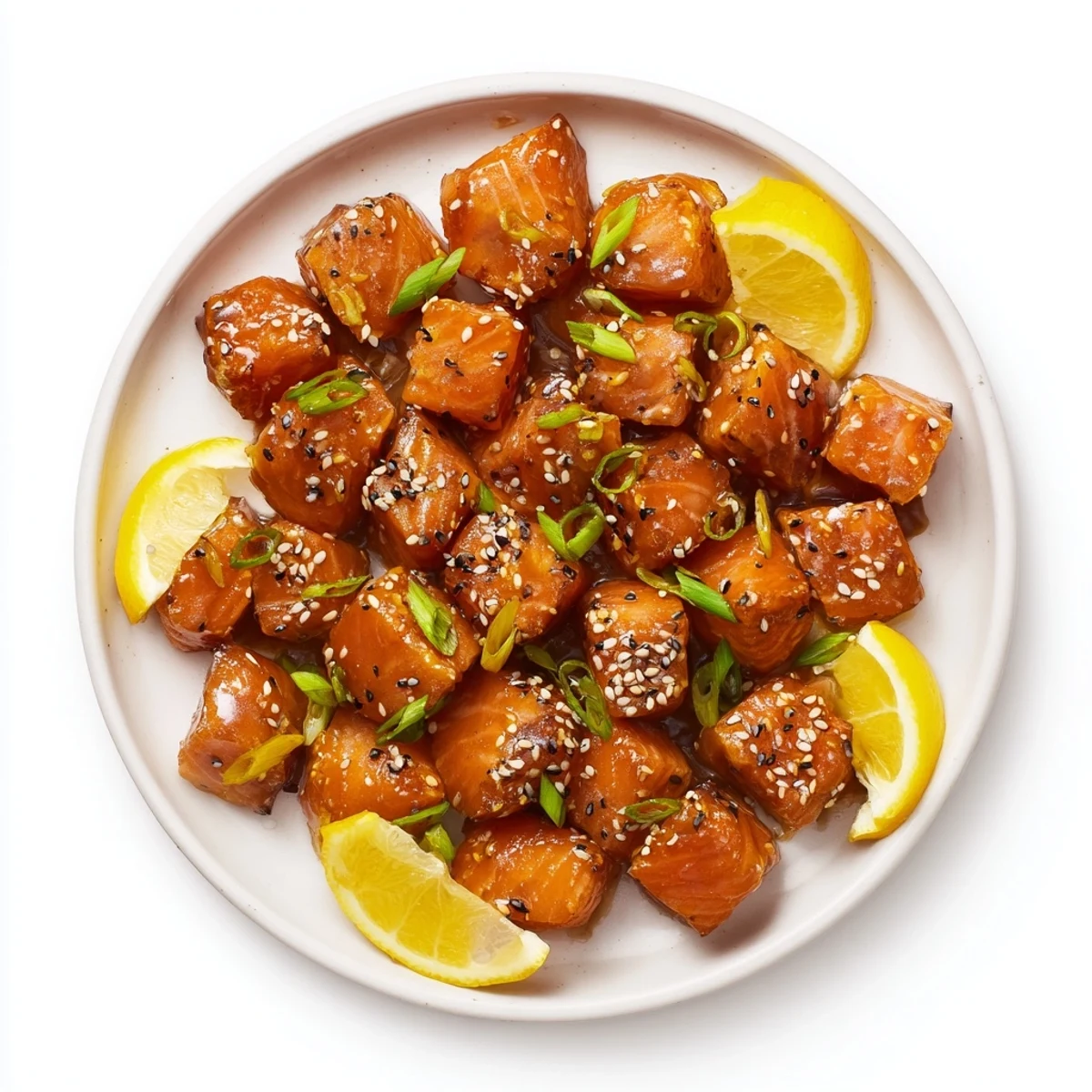
Save Hope these honey glazed salmon bites bring a bit of sticky-fingered joy to your table too. They’re as easy to make as they are to devour.
Questions & Answers
- → How can I tell when the salmon bites are done?
-
Look for opaque, flakey flesh and caramelized edges after broiling. For precise doneness aim for about 125–130°F (52–54°C) for moist salmon, or 145°F (63°C) if you prefer well done.
- → Can I substitute maple syrup for honey?
-
Yes. Maple syrup offers a deeper, less floral sweetness and caramelizes similarly. Adjust quantity to taste and remember maple is thinner, so simmer the glaze slightly longer if needed.
- → What is the best way to prevent the glaze from burning under the broiler?
-
Thicken the reserved marinade on the stove first and brush it on just before broiling. Keep the rack a bit lower from the element and watch closely—broiling only 2–4 minutes is usually enough to caramelize without charring.
- → How long can leftovers be kept and how should they be reheated?
-
Store cooled salmon in an airtight container in the fridge for up to 48 hours. Reheat gently in a low oven (around 275°F/135°C) or briefly in a skillet to avoid overcooking and to preserve moisture.
- → What are good serving suggestions and pairings?
-
Serve over steamed rice, a crisp salad, or alongside roasted vegetables. Garnish with sesame seeds, green onions and lemon wedges; a crisp white wine like Sauvignon Blanc complements the sweet-salty glaze.
- → Any tips for making this gluten-free or nut-free?
-
Use tamari or a certified gluten-free soy sauce to remove gluten. The dish is naturally nut-free; ensure any packaged soy sauce or condiments are from allergy-safe facilities if needed.