
 Save
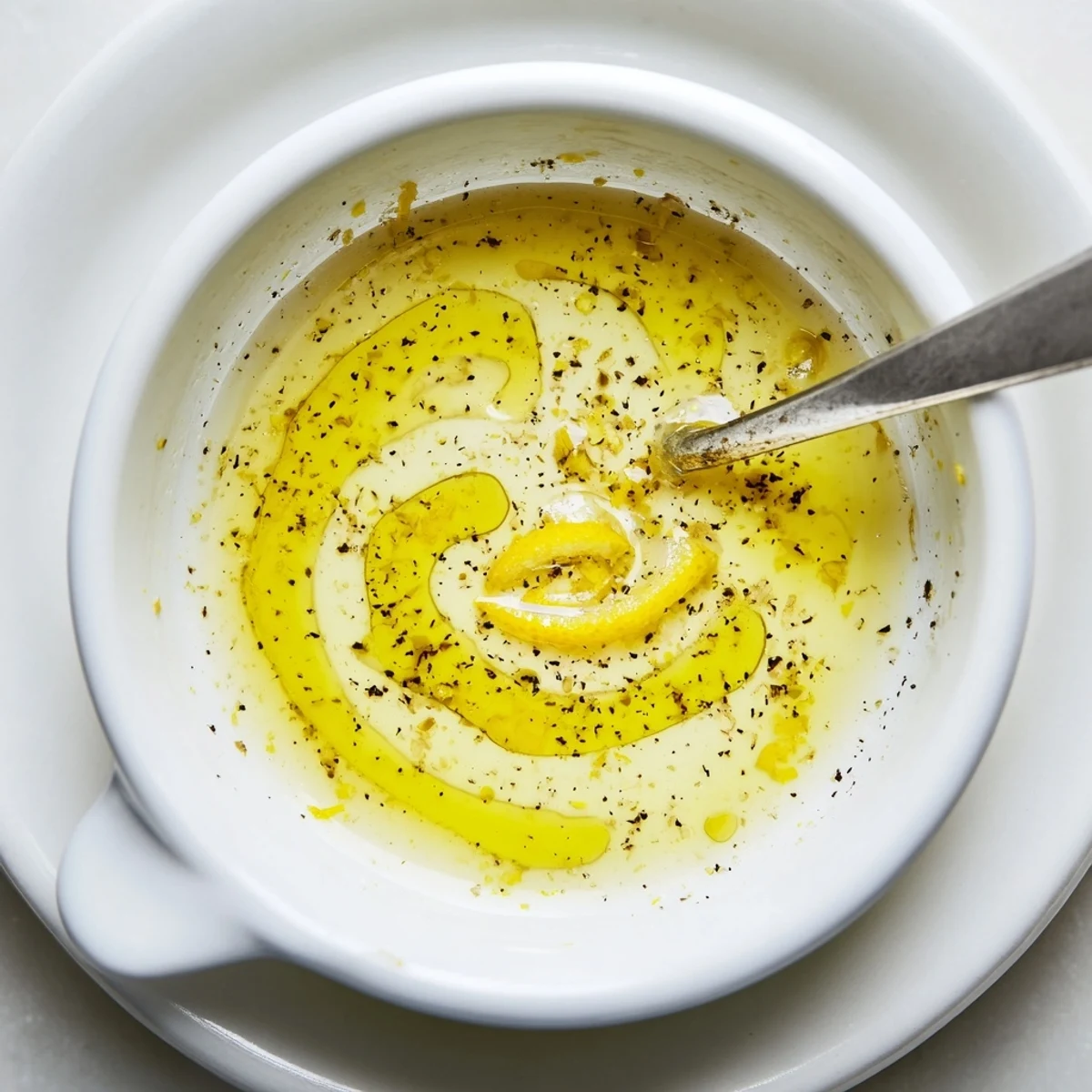
Save This simple vinaigrette combines freshly squeezed lemon juice with Dijon mustard, sea salt, and a touch of honey, then is slowly whisked together with extra-virgin olive oil until emulsified. Ready in five minutes, it brightens salads, steamed vegetables, and acts as a quick marinade for chicken or seafood. Store chilled up to one week and shake before using. Optional: add minced garlic or dried thyme for extra depth.
There is something almost unfairly simple about a good lemon vinaigrette, and this one, borrowed from Ina Garten's unfussy philosophy, proves that five minutes and a handful of pantry staples can outshine any bottled dressing on the shelf. The sharp pop of fresh lemon juice meeting fruity olive oil creates this bright, velvety emulsion that makes you wonder why you ever bothered with store bought. I started making it on a rainy Tuesday when the salad greens were wilting and dinner needed a lifeline, and it has been a weekly staple ever since.
I once brought a big wooden bowl of mixed greens tossed in this vinaigrette to a potluck, fully expecting it to be ignored next to the casseroles and sliders, and watched three people ask for the recipe before the main dishes were even touched. My neighbor Linda pulled me aside in the kitchen and whispered that she had been buying dressing for thirty years and felt genuinely foolish after tasting it.
Ingredients
- 1/4 cup freshly squeezed lemon juice (about 2 lemons): Fresh is nonnegotiable here, the bottled stuff tastes flat and throws off the whole balance.
- 1/2 cup extra virgin olive oil: Use the good bottle, the fruity one you save for finishing, because it is the backbone of every flavor in this dressing.
- 1 teaspoon Dijon mustard: This is the secret emulsifier that holds everything together and adds a gentle heat.
- 1 teaspoon sea salt: Start here and adjust at the end, underseasoned vinaigrette tastes like sadness.
- 1/2 teaspoon freshly ground black pepper: Fresh cracked makes a real difference, the preground stuff tastes like dust.
- 1 teaspoon honey (optional): A small spoonful rounds out the sharp edges and makes the dressing feel complete rather than one note.
Instructions
- Build the base:
- In a small bowl or a glass jar with a lid, combine the lemon juice, Dijon mustard, sea salt, pepper, and honey if you are using it. Give it a quick stir so the salt starts dissolving into the lemon juice, you will see the mixture loosen and brighten almost immediately.
- Stream in the oil:
- While whisking steadily, pour the olive oil in a thin slow stream, watching the liquid transform from separated and watery into something thick, glossy, and pale yellow. If using a jar, simply seal it tight and shake vigorously for about twenty seconds until you see the same creamy texture.
- Taste and adjust:
- Dip a lettuce leaf or a small spoon in and taste it with your actual greens, not alone on a spoon, because the salad itself changes how you perceive the seasoning. Add more salt or a squeeze more lemon if it tastes flat, or a tiny drizzle more honey if the acid feels aggressive.
- Store or serve:
- Pour it over your salad immediately, or tuck it into a sealed jar in the refrigerator where it will keep beautifully for up to one week. Shake it well before each use because it will separate as it sits and that is perfectly normal.
 Save
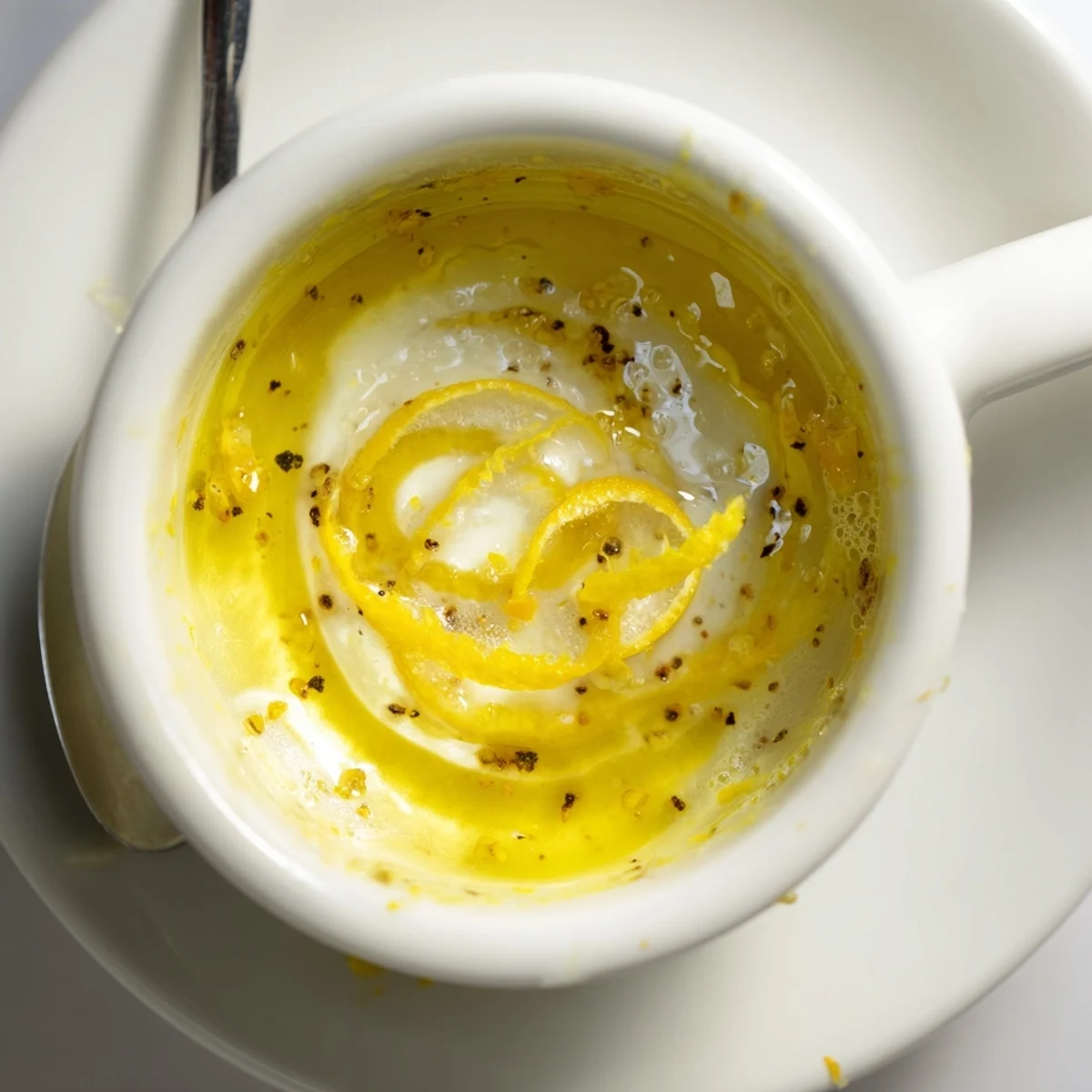
Save Somewhere along the way this little vinaigrette stopped being just a salad topping and became the thing I reach for when roasted vegetables need a finishing touch, when a grain bowl feels incomplete, or when a piece of grilled chicken wants something bright spooned over the top.
What to Dress With It
Beyond salads, try it drizzled over warm roasted potatoes, tossed with cold pasta and cherry tomatoes, or used as a quick marinade for shrimp before they hit the grill. The acidity tenderizes beautifully and the olive oil keeps everything moist during cooking. I have even splashed it over sliced avocado with flaky salt for a lazy afternoon snack that feels unexpectedly elegant.
Swaps and Substitutions
Maple syrup works perfectly in place of honey if you are keeping it vegan, and the flavor difference is barely noticeable. Red wine vinegar can stand in for half the lemon juice if you want a slightly deeper, more complex tang. If mustard is an issue for anyone at your table, a tiny spoon of mayonnaise can mimic the emulsifying effect, though the flavor profile shifts a bit.
A Few Last Thoughts
Keep your lemons at room temperature before juicing because you will get nearly twice as much liquid out of them. Always zest before you juice if you want to add an extra layer of lemon perfume to anything else you are cooking. This recipe doubles and triples without any trouble, so make a big batch and keep it in the fridge for the week.
- A microplane zester is your best friend for adding a little lemon zest directly into the jar.
- If your olive oil has been sitting open for months, start with a fresh bottle for the best result.
- Shake the jar instead of whisking if you are short on time or washing patience.
 Save
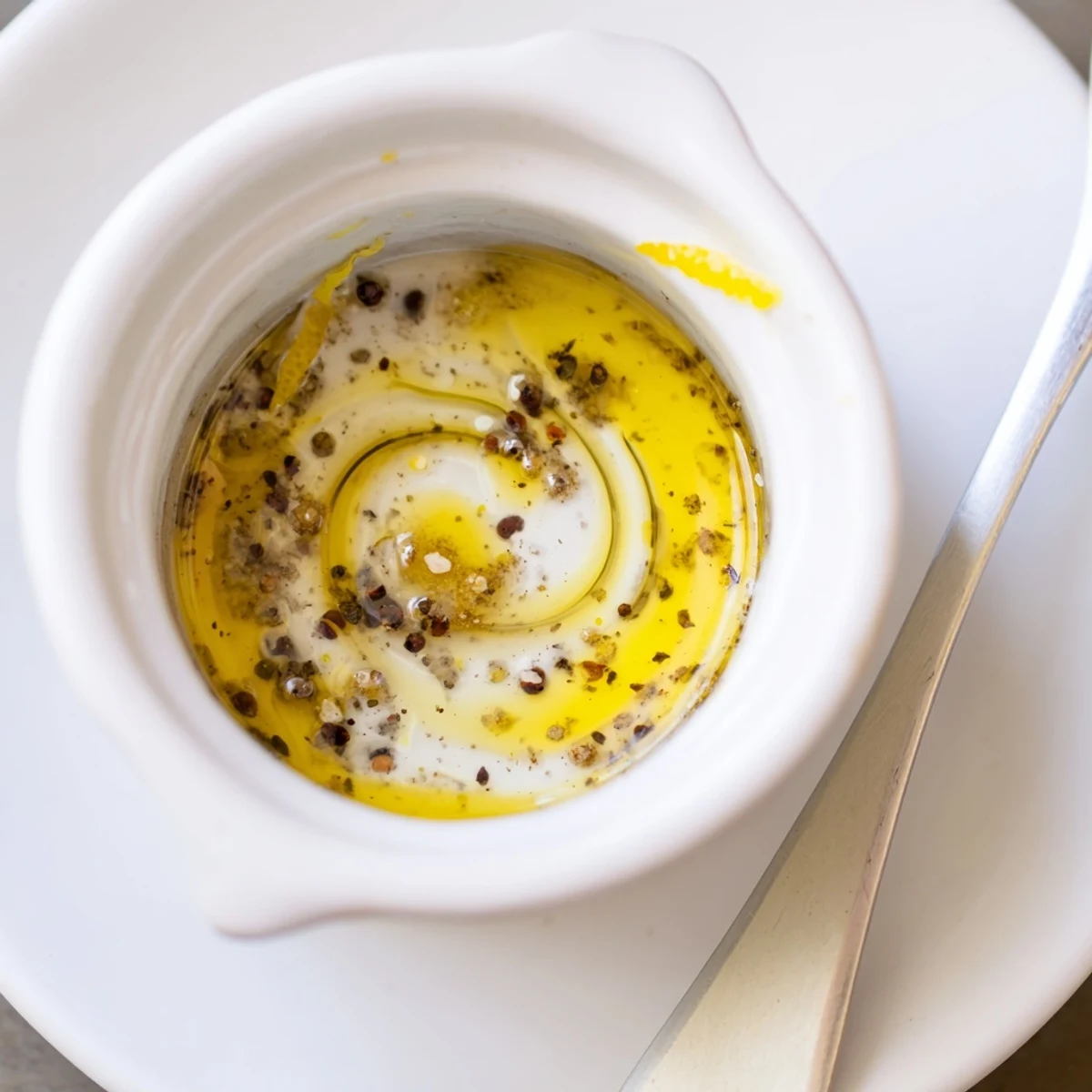
Save A jar of this in the fridge is like having a small luxury waiting for you at every meal, and once you start making it, the bottled stuff will never taste right again.
Questions & Answers
- → How do I get a stable emulsion?
-
Whisk the mustard, lemon juice, salt, pepper, and honey first, then drizzle the olive oil in slowly while whisking vigorously. Using a jar with a tight lid and shaking vigorously also creates a quick, stable emulsion.
- → Can I make this vegan?
-
Yes—substitute maple syrup or agave for the honey and proceed the same way. The flavor remains bright and balanced with the sweetener swap.
- → How long will the dressing keep?
-
Stored in a sealed container in the refrigerator, it keeps up to one week. Separation is normal; shake or whisk to recombine before using.
- → Is this suitable as a marinade?
-
Yes. The lemon and Dijon provide acidity and flavor that work well as a short marinade for chicken, shrimp, or firm fish—marinate for 15–30 minutes to avoid over-tenderizing delicate proteins.
- → How can I adjust the acidity or sweetness?
-
To reduce acidity, add a bit more olive oil or a small pinch of sugar/maple syrup. To brighten the dressing, add a splash more lemon juice. Taste and adjust in small increments.
- → Any suggestions for flavor variations?
-
Add a minced garlic clove, a pinch of red pepper flakes, or a teaspoon of chopped fresh herbs like thyme or oregano for extra depth. Swap honey for maple to make it fully plant-based.