
 Save
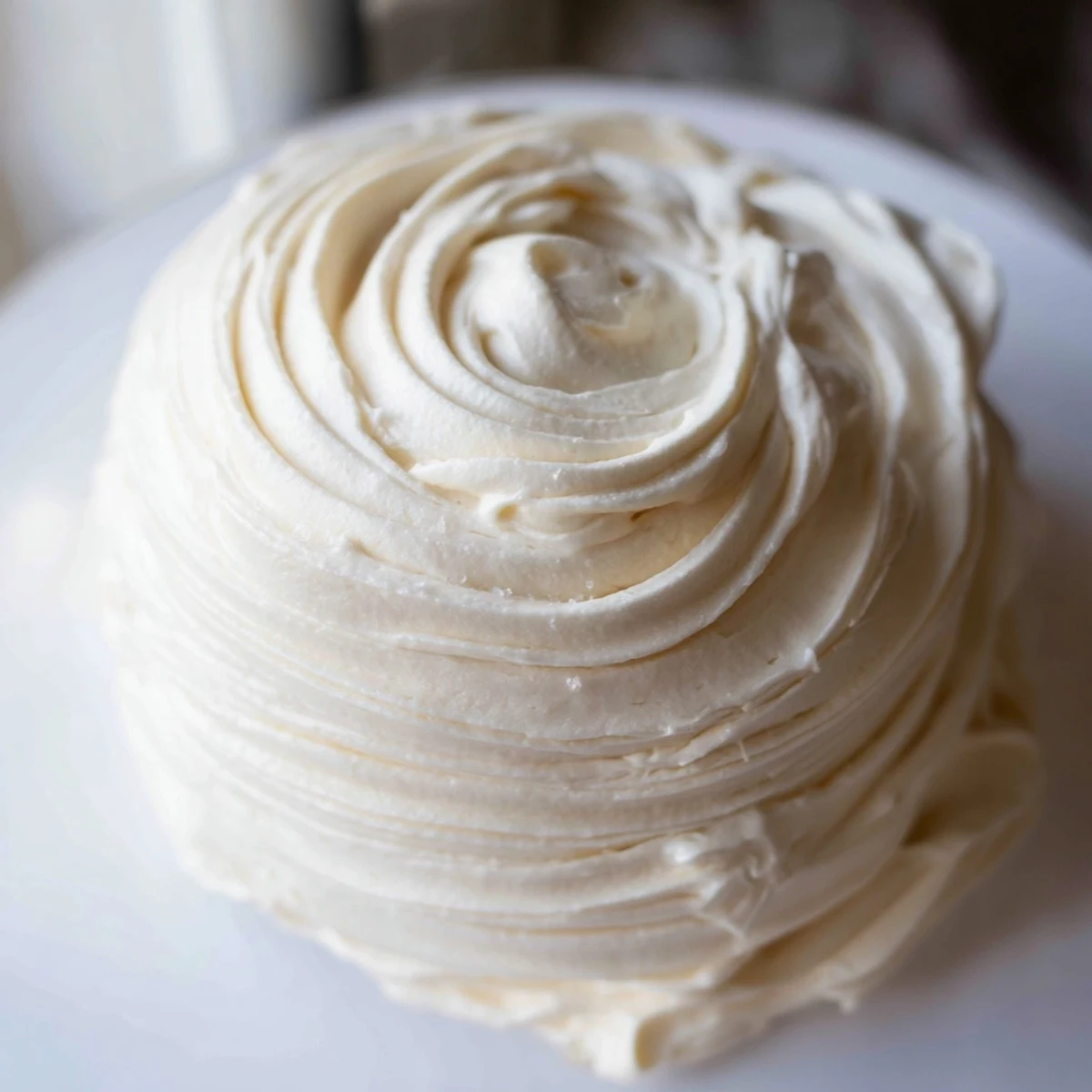
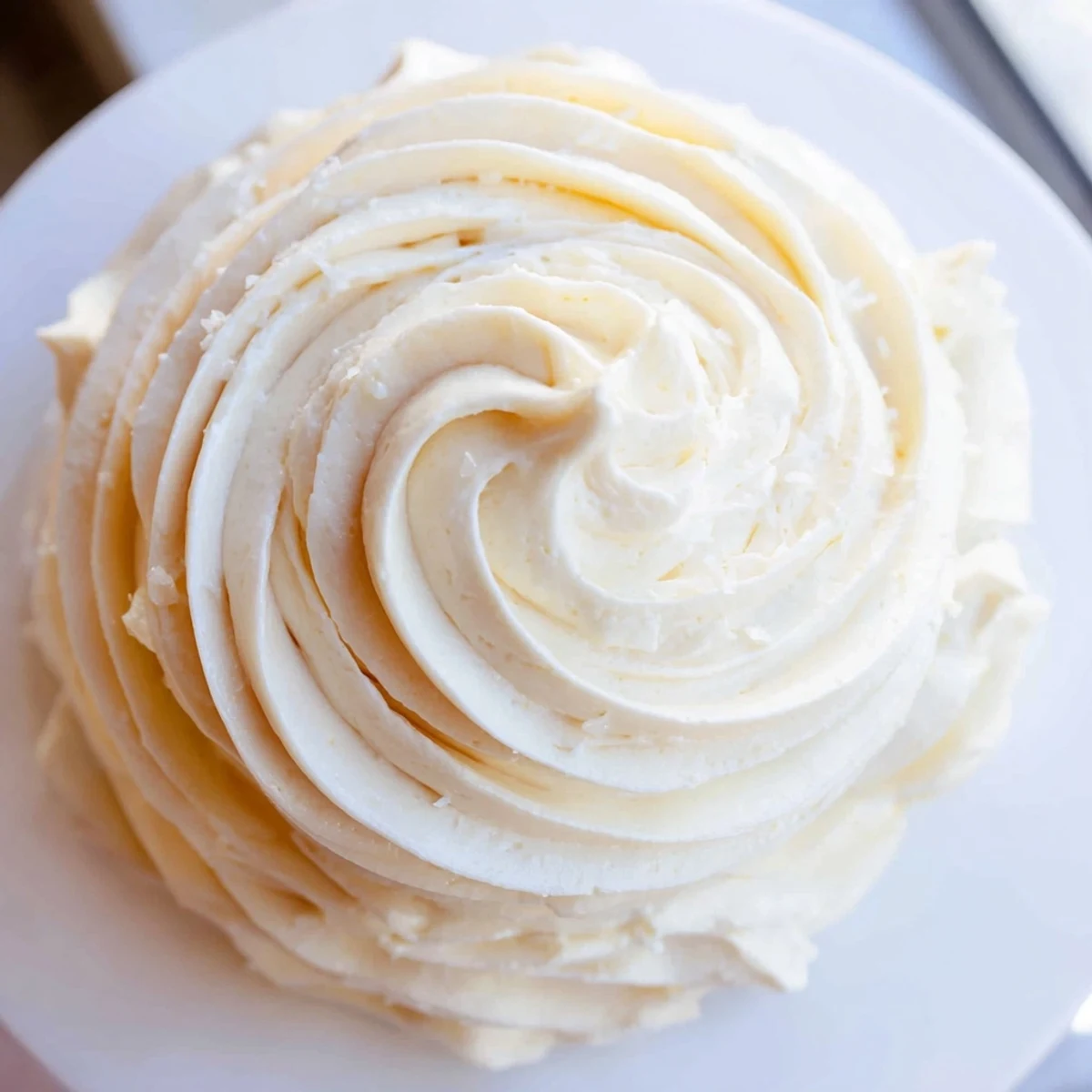
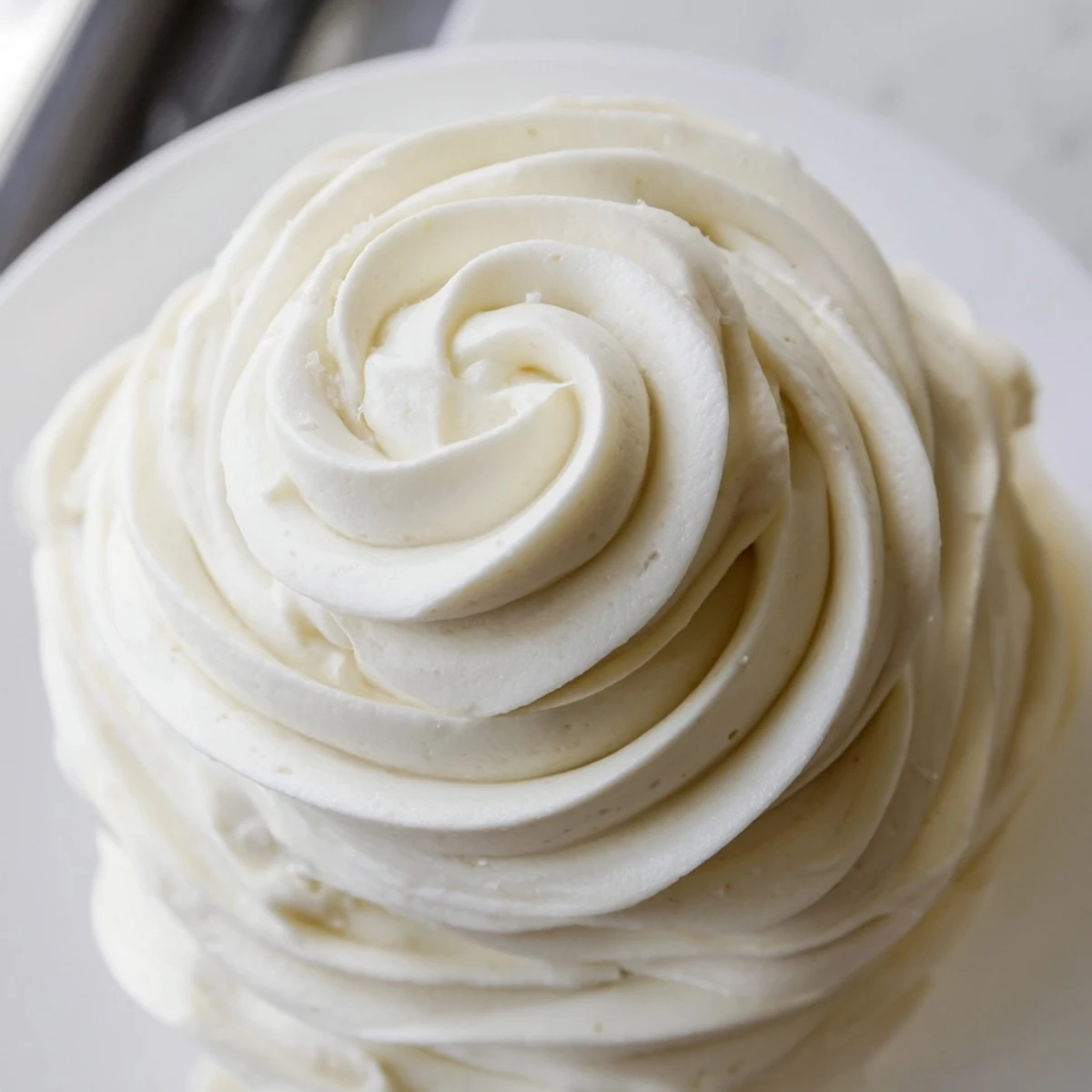
Save This Italian meringue buttercream delivers a silky, luxurious finish every time. Hot sugar syrup is streamed into whipped egg whites to form a glossy meringue, then room-temperature butter is beaten in until impossibly smooth.
The result is a stable, fluffy frosting that holds up beautifully on layered cakes and cupcakes, with a subtle sweetness that won't overwhelm your bakes. Once you master the technique, it becomes a go-to for any celebration-worthy dessert.
The sound of a candy thermometer clicking against the saucepan rim still transports me straight back to culinary school, where my hands shook pouring 118 degree syrup into spinning egg whites for the first time. Italian meringue buttercream is the frosty gold standard that separates a decent cake from one people remember. It demands patience, a steady nerve, and absolute trust that the ugly curdled phase will magically resolve. Once you see that impossible silkiness appear, you will never go back to American buttercream again.
I made a triple batch of this buttercream for my sisters wedding cake, standing in a borrowed kitchen at midnight with butter softenening on the counter and a single stand mixer doing its heroic best. The cake was three tiers of vanilla sponge, and every guest at the reception asked who we had hired to frost it. That moment of quiet pride, watching people scrape their plates clean, is why I keep coming back to this recipe.
Ingredients
- Granulated sugar (200 g): This is the backbone of your syrup, and plain white sugar gives you the cleanest result without introducing unwanted flavors.
- Water (60 ml): Just enough to dissolve the sugar before boiling, it will cook off entirely during the syrup stage.
- Egg whites (100 g, about 3 large): Room temperature whites whip to greater volume, so pull them out of the fridge at least an hour ahead.
- Cream of tartar (1/4 tsp, optional): A tiny pinch stabilizes the whites and gives you a wider margin of error during whipping.
- Unsalted butter (340 g, room temperature and cubed): The butter must be truly soft but not melting, and cubing it ahead ensures even incorporation without overbeating.
- Vanilla extract (1 tsp): Use the best quality you can afford because this buttercream has so few ingredients that every single one shows.
- Fine salt (a pinch): Salt is the quiet hero here, rounding out sweetness and making the vanilla taste more like itself.
Instructions
- Dissolve the sugar:
- Combine the sugar and water in a medium saucepan over medium heat, stirring gently just until no granules remain visible at the bottom of the pan.
- Cook the syrup:
- Increase the heat to medium high and let the syrup boil undisturbed until your candy thermometer reads 118 degrees Celsius, which usually takes about 7 to 10 minutes depending on your stove.
- Whip the egg whites:
- While the syrup climbs toward temperature, start whipping the egg whites with cream of tartar on medium speed until soft peaks droop gently when you lift the whisk.
- Pour in the hot syrup:
- With the mixer running on medium, slowly drizzle the hot syrup down the inside wall of the bowl in a thin steady stream, avoiding the spinning whisk so it does not splatter.
- Whip to a cool glossy meringue:
- Crank the mixer to high and let it run for about 10 minutes until the meringue is thick, bright white, and the outside of the bowl feels completely cool to your palm.
- Beat in the butter:
- Switch to medium speed and drop in one butter cube at a time, waiting until each disappears before adding the next, and do not panic if it looks like a separated mess at first.
- Finish with flavor:
- Add the vanilla extract and a pinch of salt, then beat on medium high for another minute or two until everything is smooth, creamy, and impossibly fluffy.
- Use or store:
- Frost your cake or cupcakes immediately, or transfer to an airtight container and refrigerate for up to a week, bringing it fully to room temperature and rewhipping before use.
 Save
Save There is something almost meditative about standing at the mixer for those ten long minutes, watching glossy meringue slowly lose its warmth, the hum of the motor filling the kitchen while the rest of the world quiets down.
Troubleshooting Common Problems
If your buttercream looks curdled like wet cottage cheese, the butter was likely too cold or added too quickly. Keep beating on medium high and be patient, because almost every batch passes through an ugly phase before turning gorgeous. A tablespoon of warm water beaten in at the very end can sometimes bring a stubborn mixture back from the brink.
Flavor Variations Worth Trying
This buttercream is a blank canvas that eagerly absorbs almost any flavor you want to fold in after the final whip. Melted and cooled dark chocolate transforms it into something rich and truffle like, while a few tablespoons of raspberry puree give it a tart fruity edge. Coffee extract, salted caramel, or even a spoonful of lemon curd can turn a basic batch into the star of an entirely different dessert.
Storage and Make Ahead Advice
Italian meringue buttercream freezes beautifully for up to three months if you wrap the container tightly in plastic film before lidding it. Thaw it overnight in the fridge, then let it sit on the counter until it reaches a soft room temperature before rewhipping for a minute or two. Once you see how easily it bounces back, you will always make extra on purpose.
- Never try to rewhip cold buttercream straight from the fridge because it will break and curdle all over again.
- If you are coloring it, use gel food colors rather than liquid ones so you do not thin the texture.
- Always cover the surface directly with plastic wrap to prevent a crust from forming during storage.
 Save
Save Master this buttercream once and you have a skill that will elevate every single cake you bake for the rest of your life. It is worth every minute of hovering over that candy thermometer.
Questions & Answers
- → Why is my Italian meringue buttercream looking curdled?
-
Don't panic — this is completely normal. Keep the mixer running on medium speed and the mixture will come together into a smooth, creamy buttercream within a few minutes.
- → Can I make Italian meringue buttercream ahead of time?
-
Yes, you can store it in an airtight container in the refrigerator for up to one week or freeze for up to two months. Before using, bring it to room temperature and rewhip until smooth and fluffy.
- → What temperature should the sugar syrup reach?
-
The sugar syrup should reach 118°C (244°F) on a candy thermometer. This is essential for creating a stable meringue that whips up glossy and holds its structure when combined with butter.
- → Why does the butter need to be at room temperature?
-
Room-temperature butter incorporates smoothly into the meringue without seizing or causing temperature shocks. Cold butter will create lumps, while melted butter will make the frosting too runny to hold shape.
- → Can I flavour Italian meringue buttercream?
-
Absolutely. Once the buttercream is fully whipped, you can fold in melted and cooled chocolate, fruit purée, coffee extract, or other flavourings. Add them gradually and taste as you go to find the right balance.
- → How do I fix buttercream that is too soupy?
-
Pop the bowl in the refrigerator for 10–15 minutes to firm up the butter, then whip again at medium-high speed until it reaches a thick, spreadable consistency.