
 Save
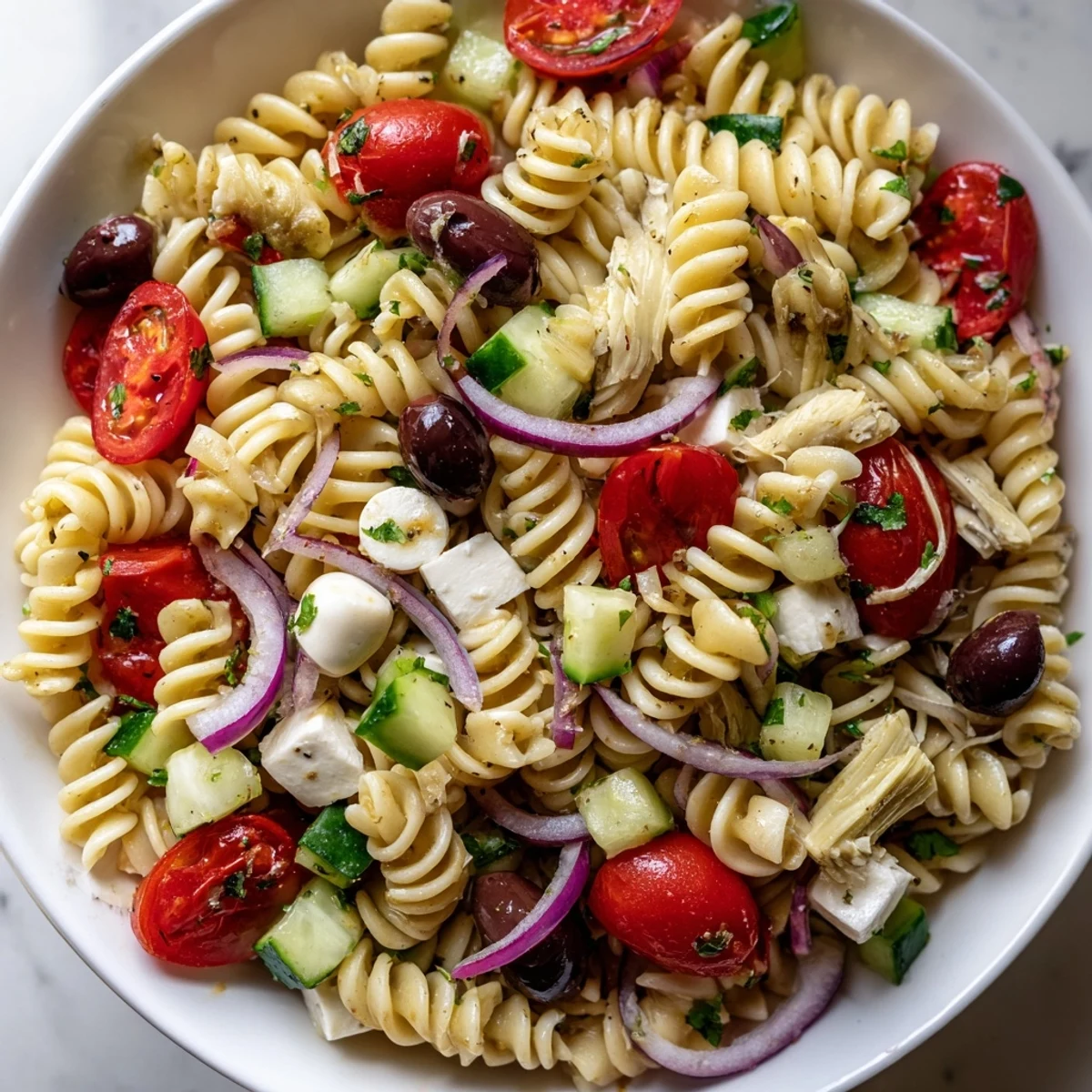
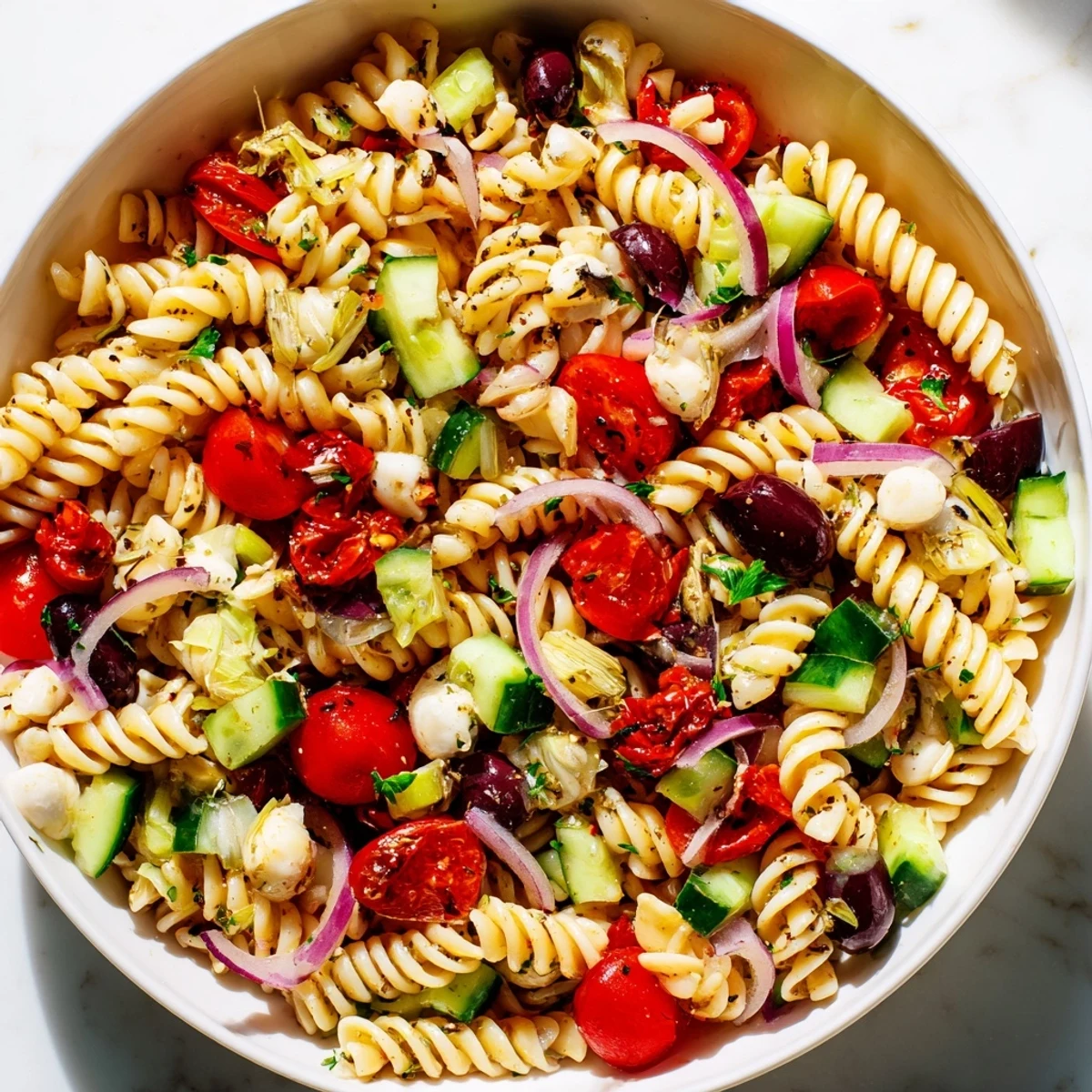
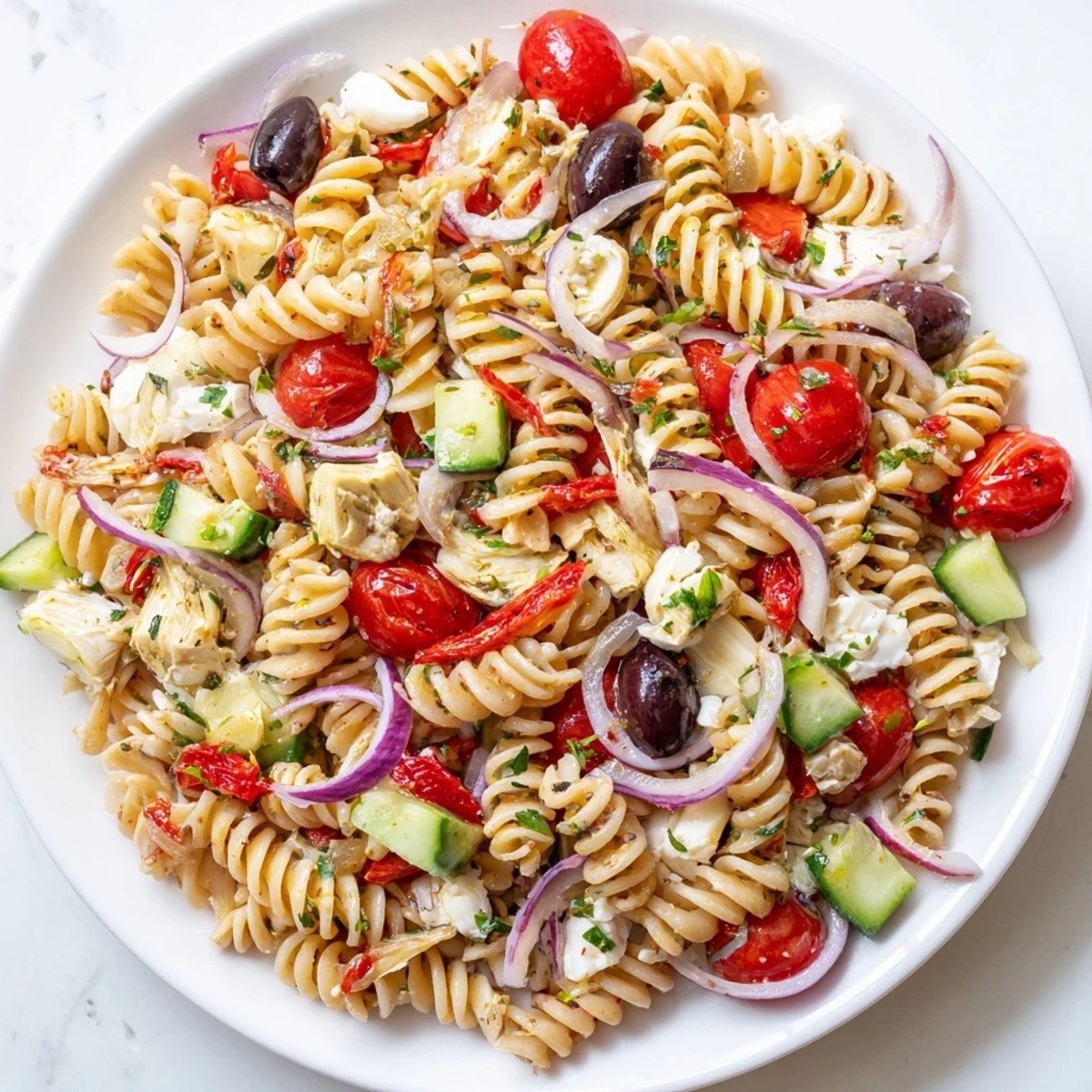
Save This vegetarian Italian pasta salad brings together al dente short-cut pasta with a colorful medley of cherry tomatoes, cucumber, bell pepper, black olives, and marinated artichoke hearts.
Tossed with creamy mozzarella pearls, fresh basil, and a tangy homemade vinaigrette made from extra-virgin olive oil, red wine vinegar, and Dijon mustard, it delivers bold Mediterranean flavors in every bite.
Ready in just 30 minutes with only 20 minutes of prep, it's an effortless dish ideal for picnics, potlucks, or a light weeknight dinner. Chill for 30 minutes before serving to let the flavors meld beautifully.
The summer my neighbor Luca brought over a tupperware of his mothers pasta salad, I stood at the kitchen counter eating it cold straight from the container with a fork. Something about the sharp bite of red wine vinegar mingling with tender pasta and crunchy vegetables made me abandon every polite instinct I had. I called her that same afternoon and asked for the recipe, and she laughed and said there was no recipe, just whatever the garden gave you that day.
I have made this for backyard birthdays, beach coolers, and one memorable potluck where three people asked for the recipe before I even set the bowl down. My sister now texts me every Fourth of July asking if I am bringing the pasta salad, and honestly that is the only reason I get invited places.
Ingredients
- 300 g short cut pasta (fusilli, penne, or farfalle): The shape matters more than you think because fusilli and farfalle catch the dressing in every fold and ridge.
- 1 cup cherry tomatoes, halved: Let them sit cut side up for five minutes before tossing so their juices concentrate.
- 1 cup cucumber, diced: English cucumbers work best since you avoid the watery seed core.
- 1 small red onion, thinly sliced: Soak the slices in ice water for ten minutes to tame the sharp bite.
- 1 cup bell pepper (red or yellow), diced: Roasting it first adds a smoky depth but raw keeps the crunch honest.
- 1/2 cup black olives, pitted and sliced: Kalamata olives bring a briny saltiness that regular canned olives never achieve.
- 1/2 cup marinated artichoke hearts, quartered: The oil from the jar can replace some of your olive oil in the dressing.
- 1/4 cup sun dried tomatoes, sliced: Oil packed ones are softer and blend into the salad better than dry packed.
- 100 g fresh mozzarella pearls: Tear them in half right before adding so the creamy interior absorbs the dressing.
- 1/4 cup fresh basil leaves, chopped: Tear it with your fingers instead of cutting to keep the edges from bruising black.
- 2 tbsp fresh parsley, chopped: Flat leaf parsley adds a grassy freshness that dried parsley simply cannot touch.
- 4 tbsp extra virgin olive oil: Use the good stuff here since it is the backbone of the dressing.
- 2 tbsp red wine vinegar: This is the acidity that makes everything taste alive and bright.
- 1 tbsp lemon juice: Fresh squeezed only because the bottled version tastes flat and metallic.
- 1 tsp Dijon mustard: It emulsifies the dressing so the oil and vinegar stay married.
- 1 garlic clove, minced: Mash it into a paste with the flat of your knife for a smoother distribution.
- 1 tsp dried oregano: Rub it between your palms before adding to wake up the essential oils.
- 1/2 tsp salt and 1/4 tsp black pepper: Season in layers, tasting after each addition, because the cheese and olives already bring salt.
Instructions
- Cook the pasta with intention:
- Boil the pasta in well salted water until just al dente, tasting a piece a minute before the package says to. Drain and rinse immediately under cold running water until completely cool so the pasta stops cooking and holds its shape.
- Build the vegetable base:
- Toss the cooled pasta into a large mixing bowl with the cherry tomatoes, cucumber, red onion, bell pepper, black olives, artichoke hearts, and sun dried tomatoes. Give everything a gentle fold so the colors start mingling before the dressing even arrives.
- Whisk the dressing alive:
- In a small jar or bowl, combine the olive oil, red wine vinegar, lemon juice, Dijon mustard, garlic, oregano, salt, and pepper then shake or whisk vigorously until the mixture looks creamy and unified. Taste it on a piece of pasta and adjust the salt or acid until it sings.
- Marry it all together:
- Pour the dressing over the pasta and vegetables, then add the torn mozzarella, basil, and parsley. Toss with your hands or a large spoon, coaxing rather than stirring aggressively, until every surface glistens.
- Let patience do the work:
- Taste one more time for seasoning, then cover and refrigerate for at least thirty minutes before serving. The flavors deepen and settle into something far more satisfying than when it was first mixed.
 Save
Save There is something about carrying a big bowl of this to a picnic table that makes people pull up a chair before you have even set it down. It has nothing to do with fancy technique and everything to do with how generosity looks when you hand someone food made with attention.
Making It Your Own
I have thrown in leftover grilled zucchini, swapped the mozzarella for crumbled feta, and once folded in a full can of drained chickpeas when I needed this to feed six instead of four. The salad forgives almost anything as long as the dressing ratio stays roughly the same.
What to Serve Alongside
A glass of cold Pinot Grigio and a crusty baguette are really all this needs to become a complete meal. On hotter evenings I skip the bread entirely and just pour sparkling water with a fat lemon wedge, letting the salad carry the whole dinner.
Storing and Transporting Like a Pro
This keeps beautifully for up to three days in a sealed container in the refrigerator, making it ideal for meal prep or making ahead before a gathering. Just give it a good toss before serving because the dressing settles.
- Avoid freezing because the vegetables will weep and turn mushy when thawed.
- Transport in a cooler with ice packs if heading outdoors because the cheese does not love direct sun.
- Make a separate small container of extra dressing to refresh the salad right before serving.
 Save
Save Keep this recipe close because it will bail you out of more last minute gatherings than anything else in your repertoire. Good food shared with good people is really the whole point of cooking, and this bowl delivers every single time.
Questions & Answers
- → Can I make Italian pasta salad ahead of time?
-
Yes, this pasta salad actually tastes better when made ahead. You can prepare it up to 24 hours in advance and store it covered in the refrigerator. The dressing continues to marinate the vegetables and pasta, deepening the flavors. Give it a good toss before serving and add a drizzle of olive oil if it seems dry.
- → What type of pasta works best for this salad?
-
Short-cut pasta shapes like fusilli, penne, farfalle, or rotini are ideal because they hold the dressing well and mix evenly with the vegetables. Their ridges and curves catch the vinaigrette, ensuring every bite is flavorful. Avoid long strands like spaghetti or linguine, which are harder to toss and serve as a salad.
- → How do I keep the pasta from getting mushy?
-
Cook the pasta just until al dente, then immediately drain and rinse under cold water to halt the cooking process. This firm texture holds up well when tossed with the dressing and vegetables. Slightly undercooking the pasta by one minute less than the package instructions is also a great trick for pasta salads.
- → Can I add protein to make it more filling?
-
Absolutely. Canned chickpeas or white beans blend seamlessly with the Italian flavors and keep it vegetarian. For a non-vegetarian version, grilled chicken, salami, or canned tuna are excellent additions. Add about one cup of your chosen protein to maintain the balance of ingredients.
- → How long does leftover pasta salad last in the fridge?
-
Stored in an airtight container, leftover Italian pasta salad stays fresh for 3 to 5 days in the refrigerator. The acid in the vinaigrette helps preserve the vegetables. Before serving leftovers, let it sit at room temperature for about 15 minutes and toss gently, as the dressing may have settled at the bottom.
- → What can I substitute for mozzarella?
-
Crumbled feta cheese is a fantastic alternative that adds a salty, tangy note. Cubed provolone or small balls of burrata also work beautifully. For a dairy-free version, try marinated tofu cubes or simply omit the cheese and add extra olives and sun-dried tomatoes for richness.