
 Save
Save Omurice is a beloved Japanese comfort dish that combines savory fried rice with a silky, soft-cooked omelette. The fried rice is seasoned with ketchup and soy sauce, then studded with tender chicken, onions, carrots, and peas for a satisfying filling.
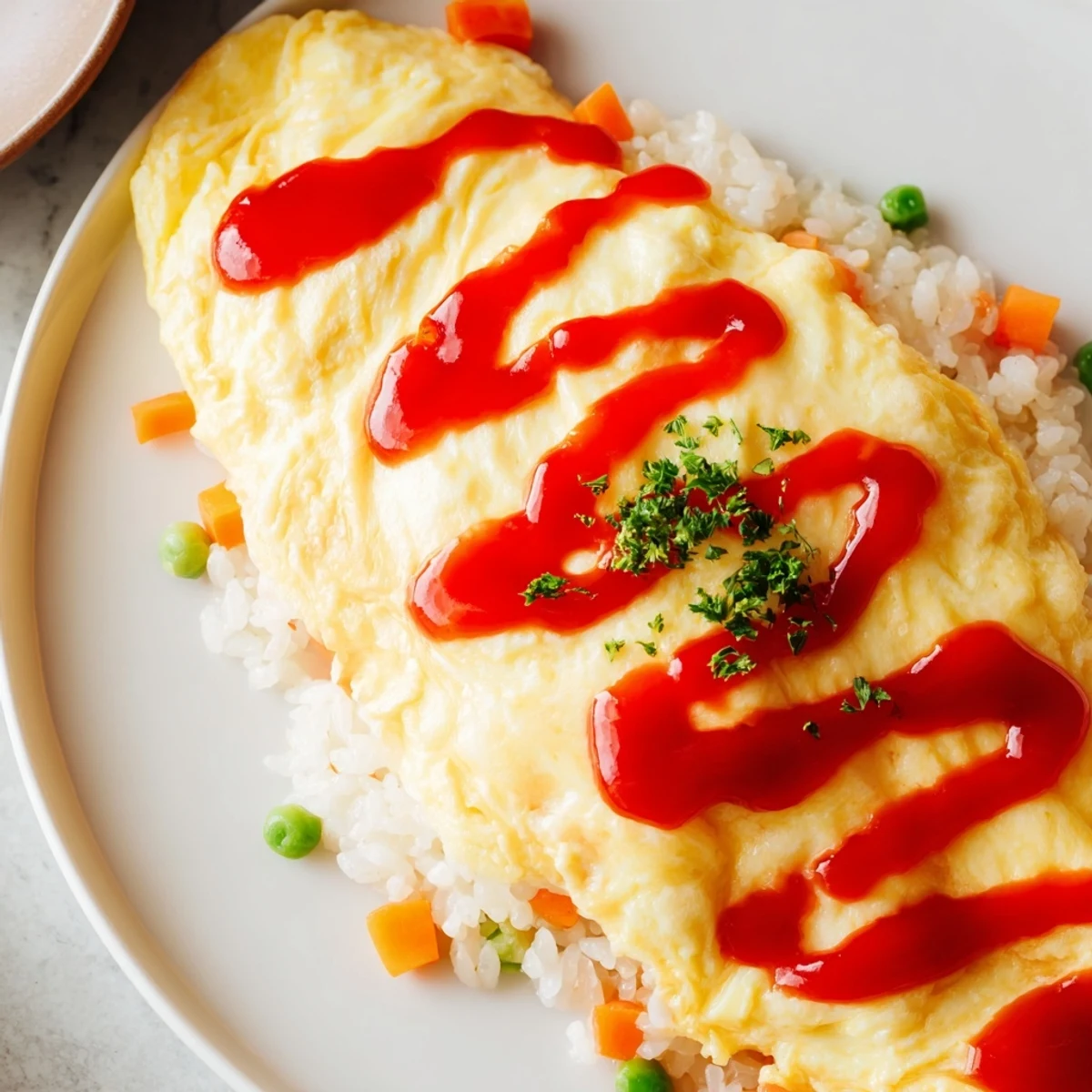
The key to a great omurice lies in the omelette — cooked gently until the edges set while the center remains slightly runny, then draped over a mound of seasoned rice. A final drizzle of ketchup on top ties everything together.
Ready in just 30 minutes, this dish makes a perfect weeknight dinner or a cozy weekend lunch. It's versatile too — swap the chicken for ham, bacon, or tofu, and add vegetables like mushrooms or bell peppers to make it your own.
The sizzle of chicken hitting a hot pan on a lazy Sunday morning is one of those sounds that instantly makes a kitchen feel alive, and omurice is the kind of dish that turns that sound into something magical. My first encounter with it was at a tiny Tokyo cafe where the chef slid a trembling omelette over rice with the confidence of someone who had done it ten thousand times. I burned my first three attempts at home before realizing the secret was patience, not speed. Now it is my go to meal when I want something comforting without spending hours at the stove.
I once made this for my neighbor who had never tried Japanese home cooking, and she stood in my kitchen eating it straight off the plate with a fork, refusing to even sit down. She called her sister mid bite to describe it. Something about the savory sweet rice wrapped in creamy egg just makes people lose their composure in the best way.
Ingredients
- 2 cups cooked Japanese short grain rice (preferably cold): Day old rice is essential here because fresh rice holds too much moisture and turns gummy instead of frying up with that satisfying separate texture.
- 100 g boneless chicken breast or thigh, diced: Thigh meat stays juicier but breast works beautifully if that is what you have on hand.
- 1/4 cup onion, finely chopped: Finely is the key word because large chunks disrupt the cohesive texture that makes fried rice so satisfying.
- 1/4 cup carrot, finely diced: The tiny orange dots of carrot add sweetness and a pop of color that makes the rice look as good as it tastes.
- 1/4 cup frozen peas: No need to thaw them because they warm through almost instantly in the hot pan.
- 2 tbsp ketchup: This is not as strange as it sounds because the ketchup caramelizes and transforms into a tangy glaze that coats every grain of rice.
- 1 tbsp soy sauce: Just enough to add depth and umami without overpowering the gentle sweetness of the ketchup.
- Salt and pepper: A pinch of each is all you need to tie the flavors together.
- 1 tbsp vegetable oil: Use a neutral oil so the chicken and vegetables can shine without competing flavors.
- 4 large eggs: Fresh eggs make a noticeable difference in how smoothly the omelette sets and how rich the color turns out.
- 2 tbsp milk: A splash of milk keeps the eggs tender and prevents them from drying out as they cook.
- 2 tsp unsalted butter: Butter gives the omelette a silky finish that vegetable oil simply cannot replicate.
- Extra ketchup for drizzling: Some people write messages on top with it and honestly that is half the fun.
- Chopped parsley (optional): A sprinkle of green at the end makes the whole plate look finished and fresh.
Instructions
- Brown the chicken:
- Heat the vegetable oil in a large skillet over medium heat and add the diced chicken, cooking until every piece has lost its pink color and picked up a light golden edge. Listen for that gentle crackle because that sound tells you the heat is exactly where it needs to be.
- Build the rice base:
- Toss in the onions and carrots, sauteeing until the onions turn translucent and their sweetness blooms into the pan. Add the frozen peas and stir for about a minute just until they brighten in color and warm through.
- Fry the rice:
- Add the cold rice and use a spatula or paddle to break apart any stubborn clumps, pressing and folding until every grain is separate and evenly coated with the juices from the pan. The rice should sizzle gently and start to smell toasty.
- Season and shape:
- Pour in the ketchup and soy sauce, stirring thoroughly until the rice takes on a uniform warm orange hue and every grain is coated. Season with salt and pepper to taste, then remove from heat and divide the rice into two oval mounds on serving plates.
- Prepare the omelette:
- In a bowl, whisk together two eggs, one tablespoon of milk, and a small pinch of salt until the mixture is smooth and uniform with no streaks of white remaining. Heat one teaspoon of butter in a nonstick pan over medium low heat until it foams and just begins to sizzle.
- Cook and drape:
- Pour the egg mixture into the pan and swirl to coat the bottom evenly, then stir gently with a spatula while tilting the pan so the edges set but the center remains softly runny and custardy. Slide the omelette directly onto one of the rice mounds, letting it drape naturally over the shape, then repeat the entire process for the second serving.
- Finish and serve:
- Drizzle extra ketchup over each omurice in whatever pattern makes you happy, scatter with parsley if you are using it, and serve immediately while the omelette is still trembling and warm.
 Save
Save There was a rainy evening last autumn when I made omurice for myself after a long difficult week, and the simple act of sliding that golden omelette over warm rice made everything feel manageable again. Food does not always need to be fancy to be healing.
Making It Your Own
The beauty of omurice is how forgiving it is once you understand the basic technique. I have tossed in leftover corn, swapped chicken for cubed tofu on nights I wanted something lighter, and even folded shredded cheese into the rice when I was feeling indulgent. Each version still delivers that same comforting embrace. Think of the recipe as a framework rather than a rulebook.
What to Serve Alongside
A bowl of miso soup on the side turns this into a proper Japanese meal that fills the table without filling you with heaviness. A simple green salad with a light sesame dressing also works wonders, cutting through the richness of the egg and balancing the plate. In summer I skip the soup entirely and just serve it with cold pickled cucumbers. The contrast of temperatures and textures makes every bite more interesting.
Getting the Omelette Right Every Time
The omelette is where most people stumble, but it really comes down to two things: low heat and a nonstick pan you trust. If the pan is too hot the bottom sets before you can swirl the eggs, and you end up with a rubbery disc instead of something soft and foldable. Take a breath, turn the heat down lower than you think you need, and give the eggs time to set gently. Your patience will be rewarded with that perfect creamy texture.
- Use a pan that is at least eight inches wide so the omelette is thin enough to drape without cracking.
- Butter adds flavor but a quick spray of oil underneath ensures no sticking in stubborn spots.
- Never walk away from the pan once the eggs are in because thirty seconds of inattention can ruin the texture.
 Save
Save Omurice is proof that the most memorable meals often come from the humblest ingredients treated with a little care. Make it once and it will quietly become part of your regular rotation without even asking permission.
Questions & Answers
- → What type of rice works best for omurice?
-
Japanese short-grain rice is ideal because it's slightly sticky and holds together well when stir-fried. Day-old cold rice works best since fresh rice can become mushy. If you only have fresh rice, spread it on a tray and refrigerate for at least 30 minutes before cooking.
- → How do I get the omelette soft and fluffy?
-
Whisk the eggs thoroughly with a splash of milk to incorporate air. Cook over medium-low heat in a nonstick pan with butter. Gently stir the eggs as they cook, stopping when the edges are set but the center is still slightly runny — residual heat will finish cooking it as you slide it over the rice.
- → Can I make omurice ahead of time?
-
You can prepare the fried rice filling in advance and refrigerate it for up to 2 days. However, the omelette should be made fresh right before serving to maintain its soft, delicate texture. Reheat the rice, shape it into mounds, and cook the omelette at the last minute.
- → What can I substitute for ketchup in the fried rice?
-
If you prefer not to use ketchup, try a combination of tomato paste with a pinch of sugar, or use tonkatsu sauce for a deeper, slightly tangy flavor. Some variations use demi-glace sauce for a richer, more elevated version of the dish.
- → Is omurice gluten-free?
-
Traditional omurice is not gluten-free because the soy sauce used in the fried rice typically contains wheat. To make it gluten-free, simply substitute regular soy sauce with tamari or a certified gluten-free soy sauce. Check all other condiment labels as well.