
 Save
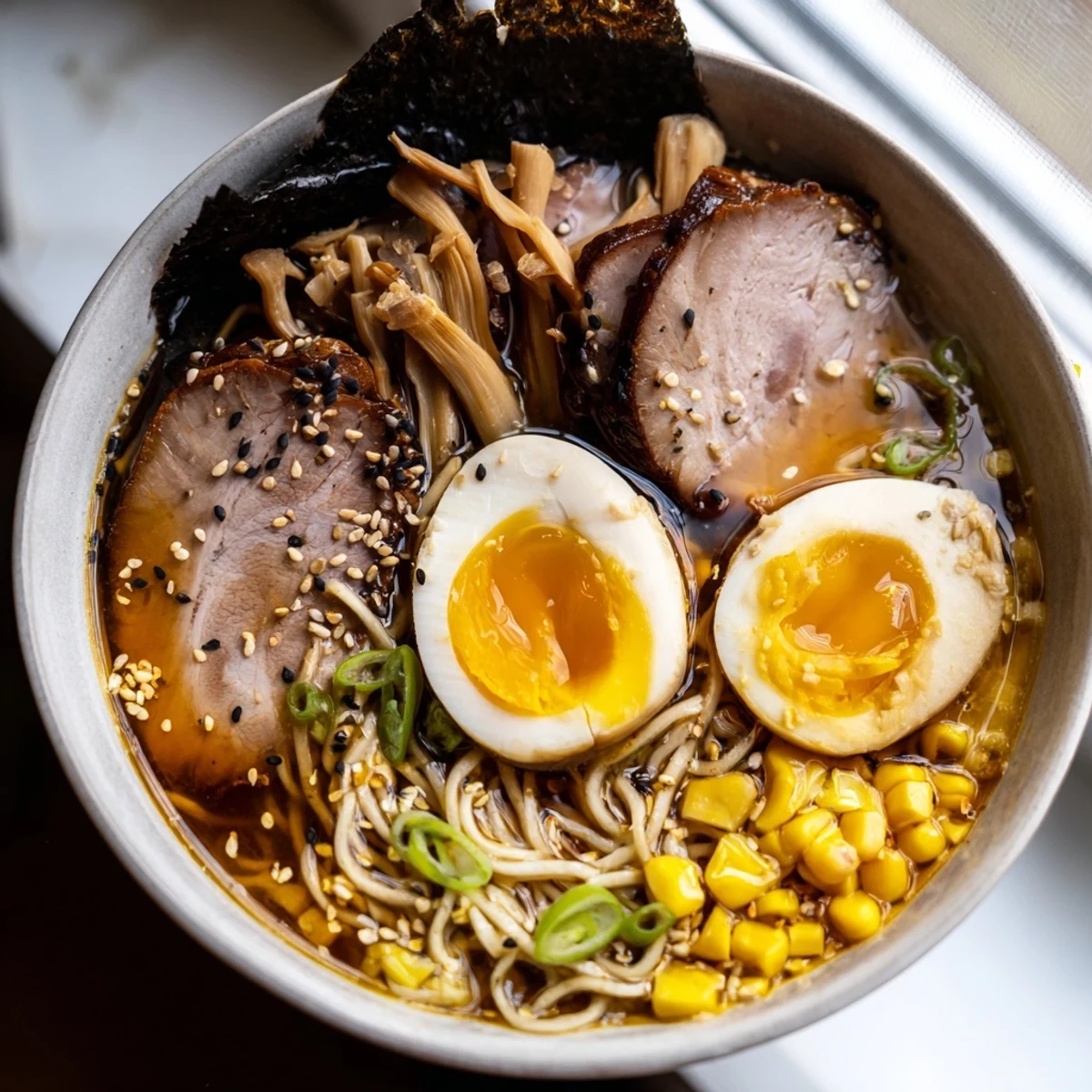
Save This Japanese ramen brings together a deeply flavored miso-infused broth with fresh springy noodles and a vibrant array of toppings. The broth simmers with garlic, ginger, soy sauce, and mirin for a rich umami base that coats every strand.
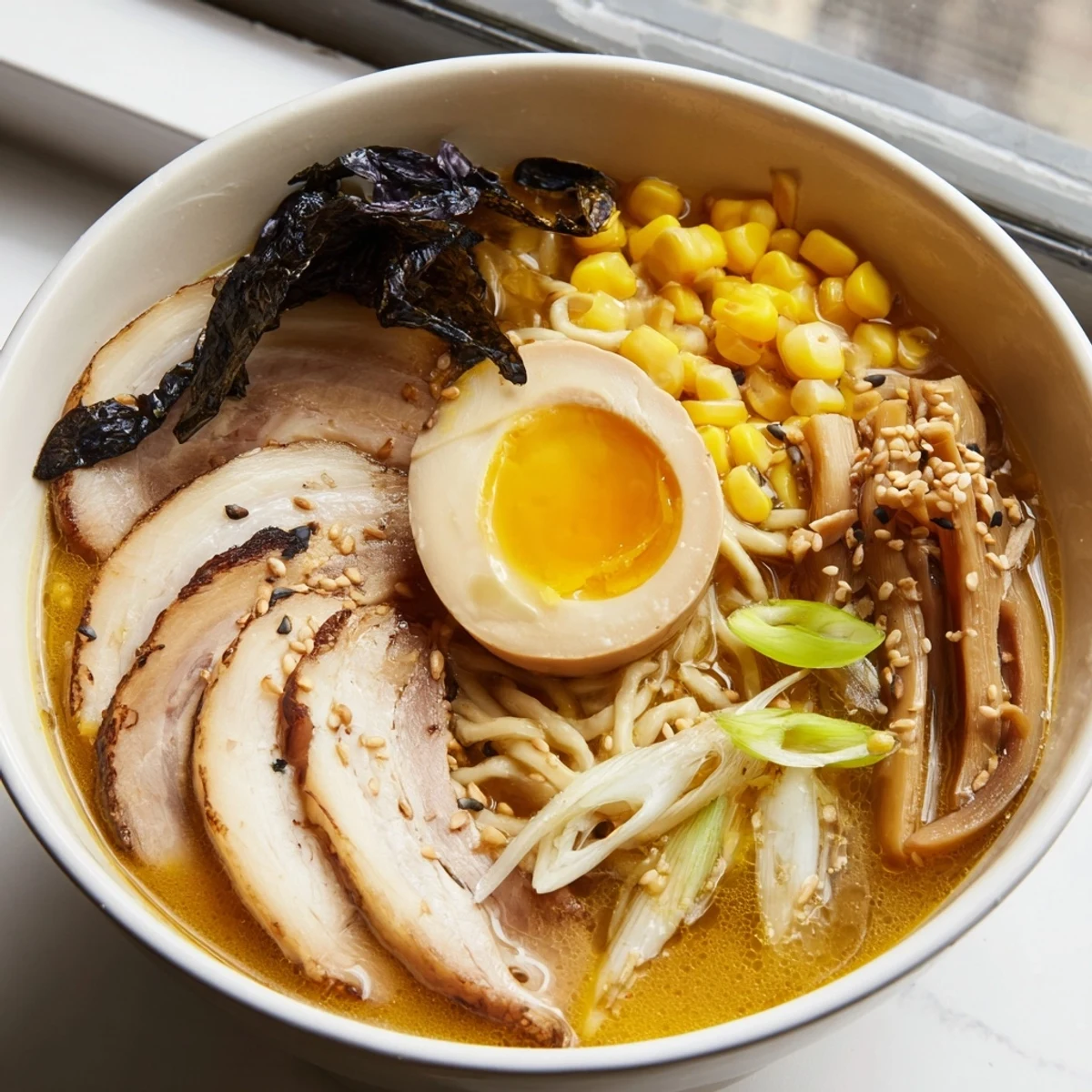
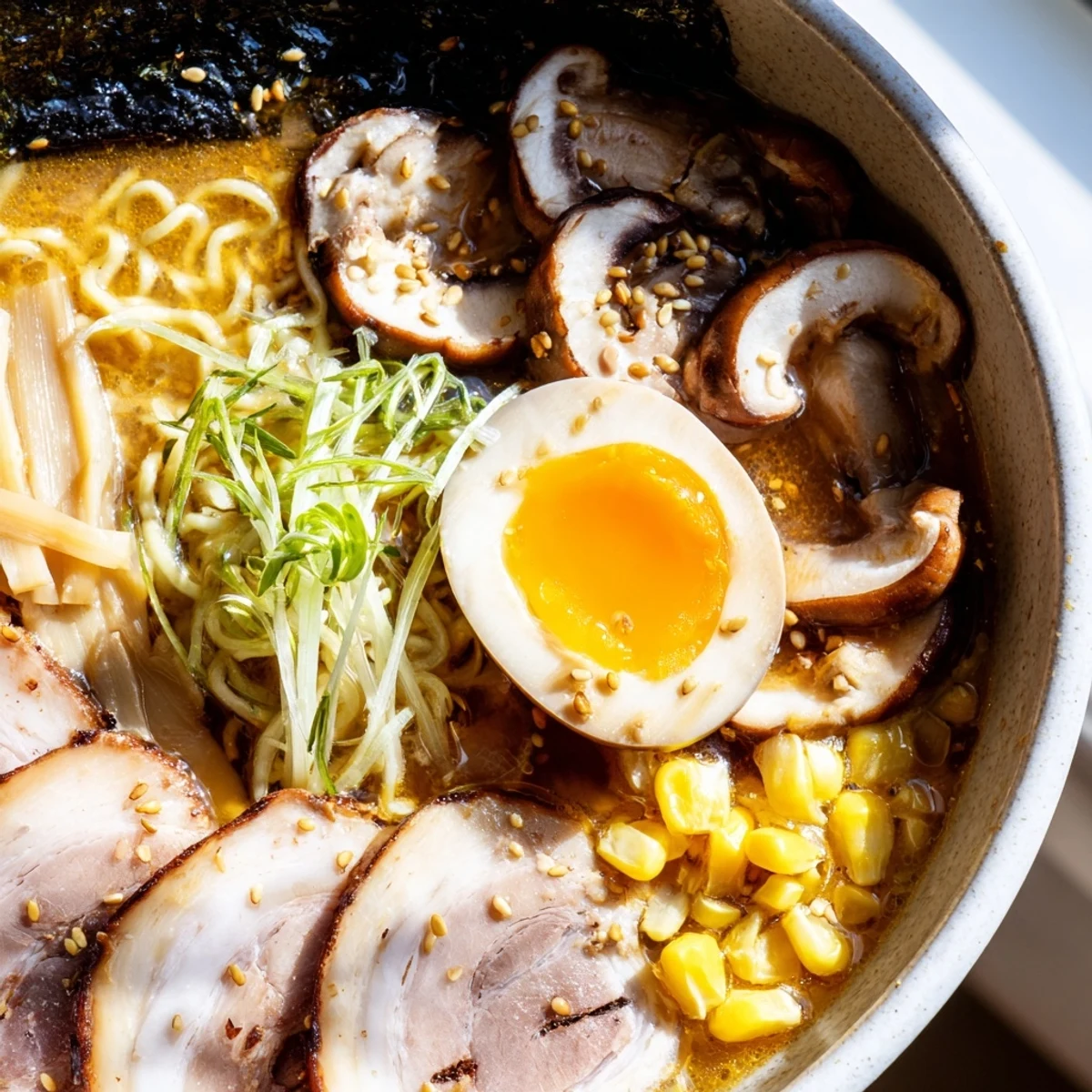
Topped with silky soft-boiled eggs, sliced pork belly or chicken, earthy shiitake mushrooms, crisp bamboo shoots, and nori strips, each bowl is a balanced meal. Garnished with spring onions and toasted sesame seeds for a satisfying finish.
Steam fogged up my kitchen window on a rainy Tuesday while a pot of miso scented broth burbled away on the back burner, and I realized I had been standing there grinning at absolutely nothing for a solid minute. That is the quiet power of ramen. It turns an ordinary evening into something worth savoring.
My neighbor knocked on the door that night asking if I had burned something, and I handed her a bowl through the doorway instead of answering. She stood in the hallway slurping noodles in her coat, and we have been trading recipes ever since.
Ingredients
- Chicken or pork broth (1.5 liters): Use the richest broth you can find because this is the backbone of everything.
- Soy sauce (2 tbsp): Adds salt and umami depth without overpowering the miso.
- Miso paste (1 tbsp): Dissolve it fully before adding more because a little goes a long way and clumps are unpleasant.
- Sesame oil (2 tsp): Blooming garlic and ginger in this oil fills your kitchen with an aroma that makes everyone hungry instantly.
- Garlic (2 cloves, minced): Fresh garlic makes a difference you can actually taste.
- Ginger (1 thumb sized piece, sliced): Thick slices are best since you will strain them out later.
- Mirin (1 tbsp): A subtle sweetness that rounds out the salty and savory notes.
- Fresh ramen noodles (400 g): Fresh noodles have a springy chew that dried noodles cannot replicate.
- Soft boiled eggs (2, halved): Six minutes in gently boiling water gives you that jammy golden center.
- Cooked pork belly or chicken breast (200 g, sliced): Pork belly renders into something silky but chicken works beautifully too.
- Shiitake mushrooms (100 g, sliced): They soak up broth like little sponges and add earthy depth.
- Nori (1 sheet, cut into strips): Tuck it against the bowl edge so it stays crisp until you eat it.
- Spring onions (2, thinly sliced): Scatter these last for a sharp fresh bite.
- Bamboo shoots (100 g): They bring crunch and a mild tang that balances the richness.
- Corn kernels (to taste): Unexpected but their sweetness pops against the savory broth.
- Toasted sesame seeds (to garnish): A final sprinkle that makes the bowl look like it came from a shop window.
Instructions
- Build the broth:
- Heat sesame oil in a large pot over medium heat until it shimmers, then add garlic and ginger, stirring until the fragrance hits you. Pour in the broth, soy sauce, miso paste, and mirin, whisking the miso until it disappears into the liquid, then let everything simmer gently for twenty minutes before straining out the solids.
- Cook the noodles:
- Follow the package timing closely because overcooked ramen noodles turn mushy and sad. Drain them well and divide among four deep bowls right away.
- Prepare your toppings:
- Soft boil your eggs for exactly six minutes, then plunge them into cold water so the yolks stop cooking at that perfect custard stage. Slice your meat and vegetables while the eggs cool, arranging everything in small piles so assembly feels effortless.
- Assemble each bowl:
- Ladle the hot broth over the noodles until they are just submerged, then arrange pork or chicken, eggs, mushrooms, nori, spring onions, bamboo shoots, and corn in sections around the bowl. Finish with a generous shower of sesame seeds and serve immediately while the steam is still rising.
 Save
Save Somewhere between the second and third bowl that night my neighbor stopped calling it soup and started calling it therapy. I understood exactly what she meant.
What to Pair With Ramen Night
A cold Japanese lager or a small cup of sake cuts through the richness and refreshes your palate between bites. If you prefer non alcoholic options, iced barley tea has a toasted quality that complements the broth beautifully.
Making It Vegetarian
Swap the meat broth for a deep mushroom or vegetable stock and replace the pork with pressed tofu that has been pan fried until golden. The miso and soy sauce carry enough umami that you will not miss the meat at all.
Handling Leftovers and Storage
Store broth and noodles separately in the refrigerator because noodles left in liquid become a starchy, unappetizing mess by morning. Reheat the broth until steaming and cook fresh noodles to combine, which tastes almost better than the first night.
- Keep toppings in separate containers so nothing gets soggy.
- Broth freezes well for up to three months in airtight containers.
- Always taste the reheated broth and adjust soy sauce before serving.
 Save
Save Ramen is not just dinner, it is an act of care poured into a bowl and handed to someone you love. Make it once and it will become part of your kitchen story forever.
Questions & Answers
- → Can I make ramen broth ahead of time?
-
Yes, the broth actually tastes better the next day as the flavors deepen. Store it in an airtight container in the refrigerator for up to 3 days, or freeze for up to a month. Reheat gently before assembling your bowls.
- → What type of noodles work best for ramen?
-
Fresh ramen noodles deliver the best texture with a satisfying chew. If unavailable, dried ramen noodles or even thin udon noodles can work as substitutes. Cook them separately and drain well before adding to the broth.
- → How do I achieve the perfect soft-boiled egg for ramen?
-
Gently lower eggs into boiling water and cook for exactly 6 minutes. Transfer immediately to an ice bath to stop the cooking. Peel carefully and halve just before serving. For extra flavor, marinate peeled eggs in soy sauce and mirin for a few hours.
- → Can I adapt this for vegetarian or vegan diets?
-
Absolutely. Swap the chicken or pork broth for a rich vegetable or mushroom stock. Replace the meat with marinated tofu or tempeh, and skip the egg or use a plant-based alternative. The miso and soy sauce still provide plenty of umami depth.
- → What toppings pair well with ramen besides the ones listed?
-
Popular additions include bean sprouts, fresh spinach, corn kernels, kimchi, sliced naruto fish cakes, chili oil, and pickled red ginger. Toppings can be mixed and matched based on personal preference and what you have available.
- → How should I store leftover ramen?
-
Store the broth, noodles, and toppings separately in the refrigerator. Keeping them together causes the noodles to absorb too much liquid and become mushy. Reheat the broth first, then add fresh or reheated noodles and toppings.