
 Save
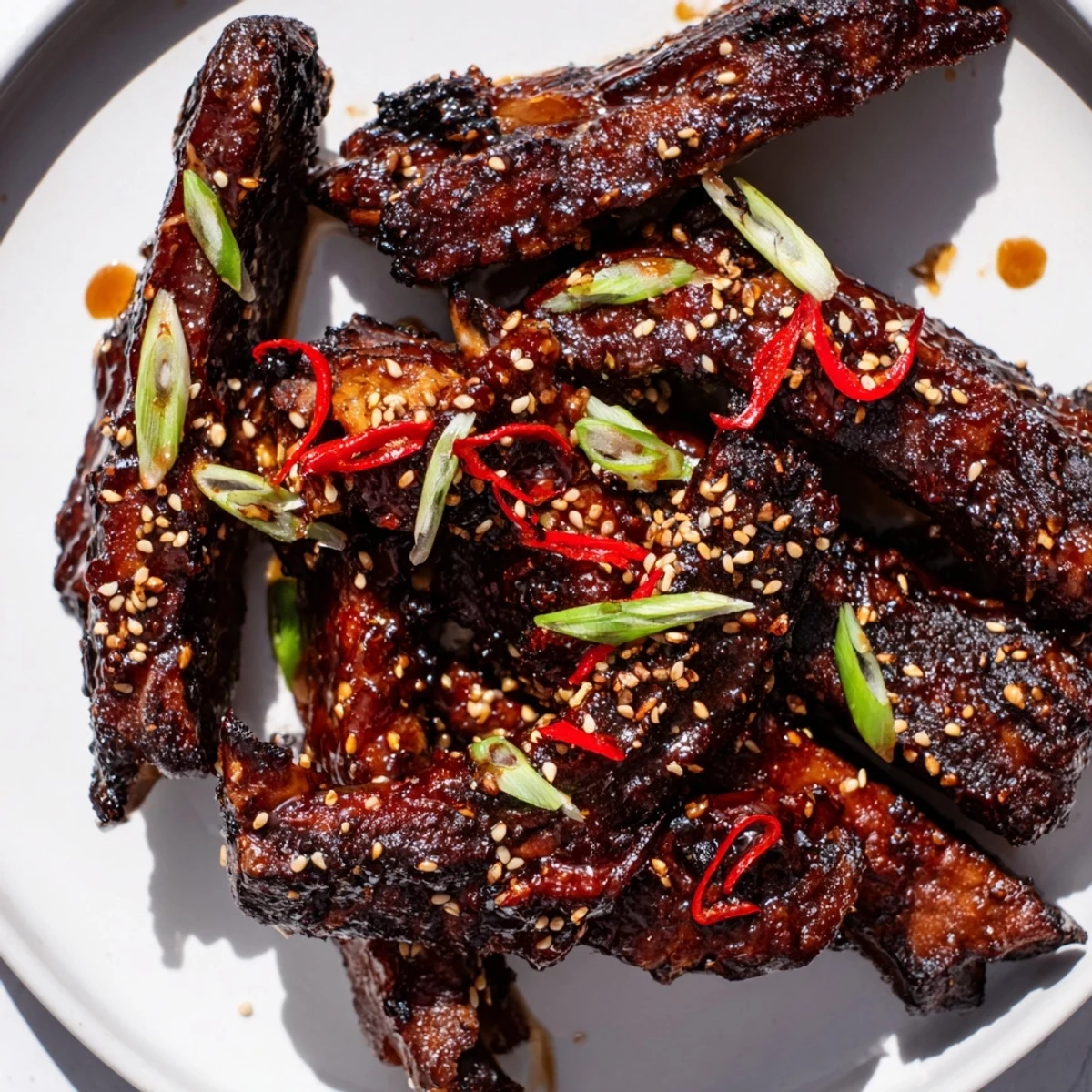
Save Succulent lamb ribs get a bold Korean BBQ treatment with a gochujang-forward marinade built from soy sauce, sesame oil, honey, garlic, and ginger. The ribs roast low and slow before hitting a hot grill for that irresistible caramelized char.
A final squeeze of fresh yuzu juice cuts through the richness with its unique floral citrus punch, while toasted sesame seeds and sliced spring onions add texture and freshness.
Plan ahead—the marinade works best with at least an hour of resting time, though overnight yields the most flavorful results.
The sizzle of lamb ribs hitting a screaming hot grill is a sound that permanently lives rent free in my head, thanks to one chaotic Sunday afternoon when I decided Korean BBQ and Japanese citrus should finally meet. Smoke billowed out of my tiny kitchen window, the fire alarm sang its opinions, and my neighbors probably questioned my life choices. But that first bite, sticky with gochujang glaze and brightened by yuzu, silenced every critic at the table including myself.
I dragged a table out to the balcony that evening, platters of ribs arranged between bowls of steamed rice and whatever kimchi I had fermenting in the back of the fridge. Friends gathered around with beer bottles sweating in the humid air, reaching across each other, juice running down wrists. Nobody used plates, and I think that is the highest compliment any batch of ribs can receive.
Ingredients
- 1.5 kg lamb ribs: Ask your butcher for lamb ribs specifically, not a rack of lamb, because the higher fat content and looser bone structure are what make this dish sing.
- 4 tablespoons soy sauce: Gluten-free tamari works beautifully here and lets the sesame and chili flavors come forward more clearly.
- 2 tablespoons gochujang: This is the soul of the marinade, providing fermented depth and a gentle heat that builds slowly rather than burning.
- 2 tablespoons sesame oil: Toasted sesame oil is nonnegotiable, it is the bridge between the Korean and Japanese flavor profiles.
- 2 tablespoons honey: Honey helps the marinade caramelize under high heat and balances the salt and spice perfectly.
- 4 garlic cloves, minced: Fresh garlic only, the jarred stuff lacks the pungency needed to stand up to lamb.
- 2 tablespoons freshly grated ginger: Grate it finely so it melts into the marinade rather than catching on the meat in stringy clumps.
- 1 tablespoon rice vinegar: A subtle acid that tenderizes the meat and rounds out the sweetness before the yuzu even enters the picture.
- 1 tablespoon brown sugar: Works alongside honey for a layered sweetness and deeper browning.
- 1 teaspoon black pepper: Freshly cracked makes a real difference here, preground tastes flat against the bold marinade.
- 2 spring onions, finely chopped: These go into the marinade raw and soften during cooking, releasing a mild onion sweetness.
- 1 fresh yuzu or 3 tablespoons yuzu juice: Yuzu has a floral, almost mandarin like perfume that regular citrus cannot replicate, but a half lemon half lime blend gets you close.
- 1 tablespoon toasted sesame seeds: Toast them yourself in a dry pan for 90 seconds and you will never go back to the untoasted version.
- 2 spring onions, thinly sliced: Reserved for garnish, these add a crisp, fresh bite against the rich meat.
- 1 red chili, finely sliced: Optional but recommended for anyone who enjoys a little visual drama and an extra flicker of heat.
Instructions
- Build the marinade:
- In a large bowl, combine the soy sauce, gochujang, sesame oil, honey, garlic, ginger, rice vinegar, brown sugar, pepper, and chopped spring onions. Stir until the mixture looks like a thick, glossy paste with no dry pockets of sugar or gochujang hiding in corners.
- Coat the ribs:
- Place the lamb ribs in a large resealable bag or a shallow dish and pour every last drop of marinade over them. Massage the marinade into every surface and crevice, then seal and refrigerate for at least one hour, though overnight transforms the flavor entirely.
- Set up for roasting:
- Preheat your oven to 160 degrees Celsius, line a baking sheet with foil, and place a wire rack on top. Arrange the ribs on the rack in a single layer and pour any leftover marinade into a small saucepan for basting.
- Roast low and slow:
- Roast the ribs for one hour, pulling them out halfway through to baste generously with the reserved marinade. The kitchen will start smelling like a Korean barbecue joint and that is exactly how you know things are on track.
- Char and caramelize:
- Crank up your grill or broiler to high and transfer the ribs directly onto the grate or a hot pan. Cook for three to five minutes per side until the sugars blacken slightly at the edges and the fat renders into crispy golden pockets.
- Finish with yuzu and garnish:
- Pull the ribs off the heat and immediately squeeze fresh yuzu juice over the entire batch while they are still sizzling. Scatter toasted sesame seeds, sliced spring onions, and chili over the top and serve right away with extra yuzu wedges alongside.
 Save
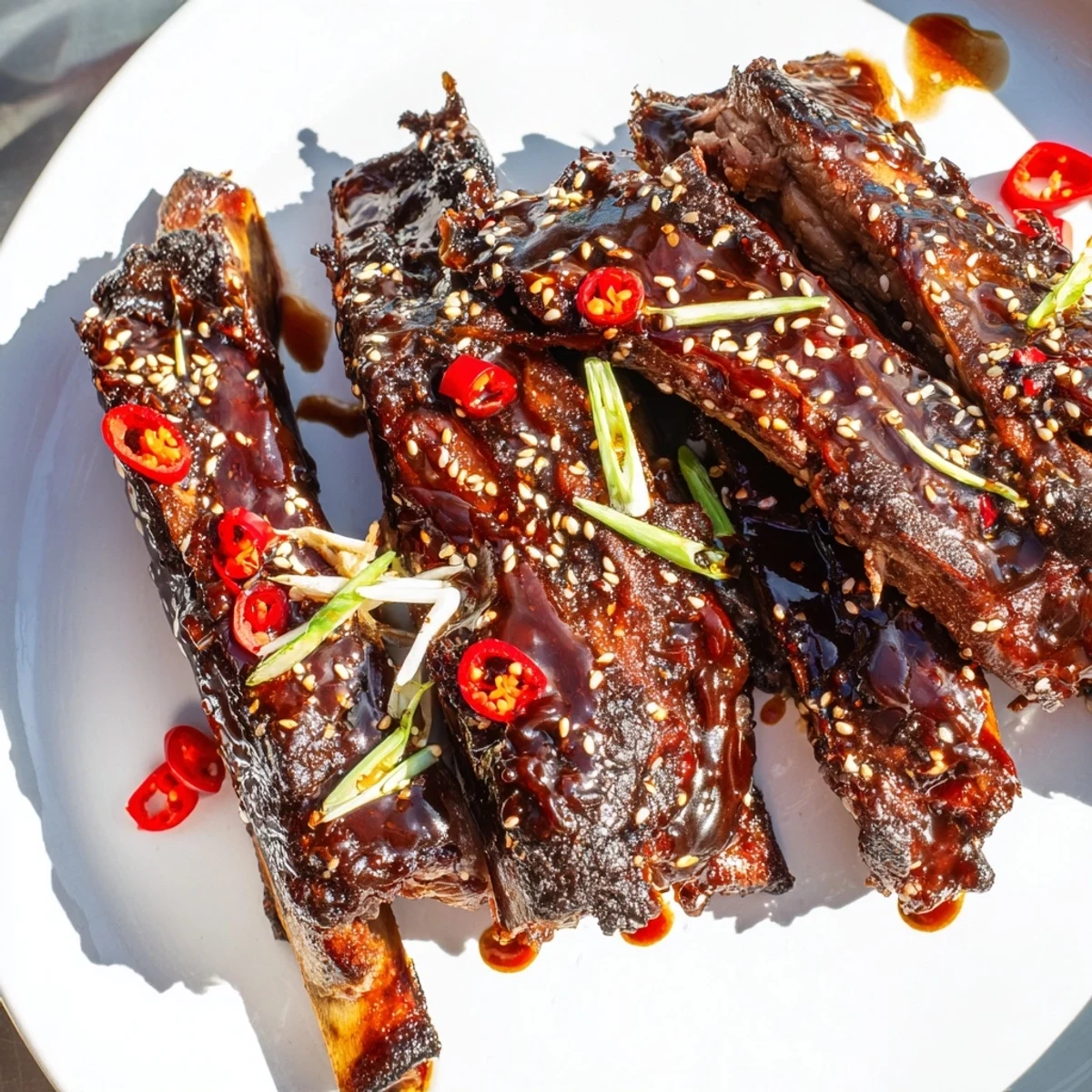
Save There is something about eating ribs with your hands, grease glistening on your fingers, yuzu scent still hanging in the air, that strips away any pretense and leaves only satisfaction. I have served these at dinner parties and weeknight suppers, and every single time the room goes quiet after the first bite.
Serving Ideas That Actually Work
Steamed white rice is the obvious pairing and for good reason, it absorbs the sticky marinade like a sponge and cools the spice. A mound of barely dressed kimchi on the side provides crunch and fermentation tang that echoes the gochujang in the ribs. Grilled king oyster mushrooms or charred zucchini rounds out the spread if you want to pretend this meal includes vegetables.
Handling Lamb Ribs Like a Pro
Lamb ribs carry more fat than pork or beef ribs, which makes them forgiving but also means you need to render some of it out during the long roast. If your ribs seem particularly fatty, trim the thickest white caps of external fat before marinating, but leave the marbling intact for flavor. The final grill step is your chance to crisp up whatever remains, so do not rush it.
When You Cannot Find Yuzu
Bottled yuzu juice lives in most Asian grocery stores and works perfectly well when fresh fruit is out of season. If you cannot source either, mix equal parts lemon and lime juice with a tiny pinch of orange zest for an approximation that still lifts the dish beautifully.
- Frozen yuzu juice concentrate is another option and often more flavorful than shelf stable bottles.
- Never substitute orange juice alone since it lacks the tartness and floral complexity.
- Always add the citrus after cooking, never before, because the heat destroys the delicate aroma you are paying for.
 Save
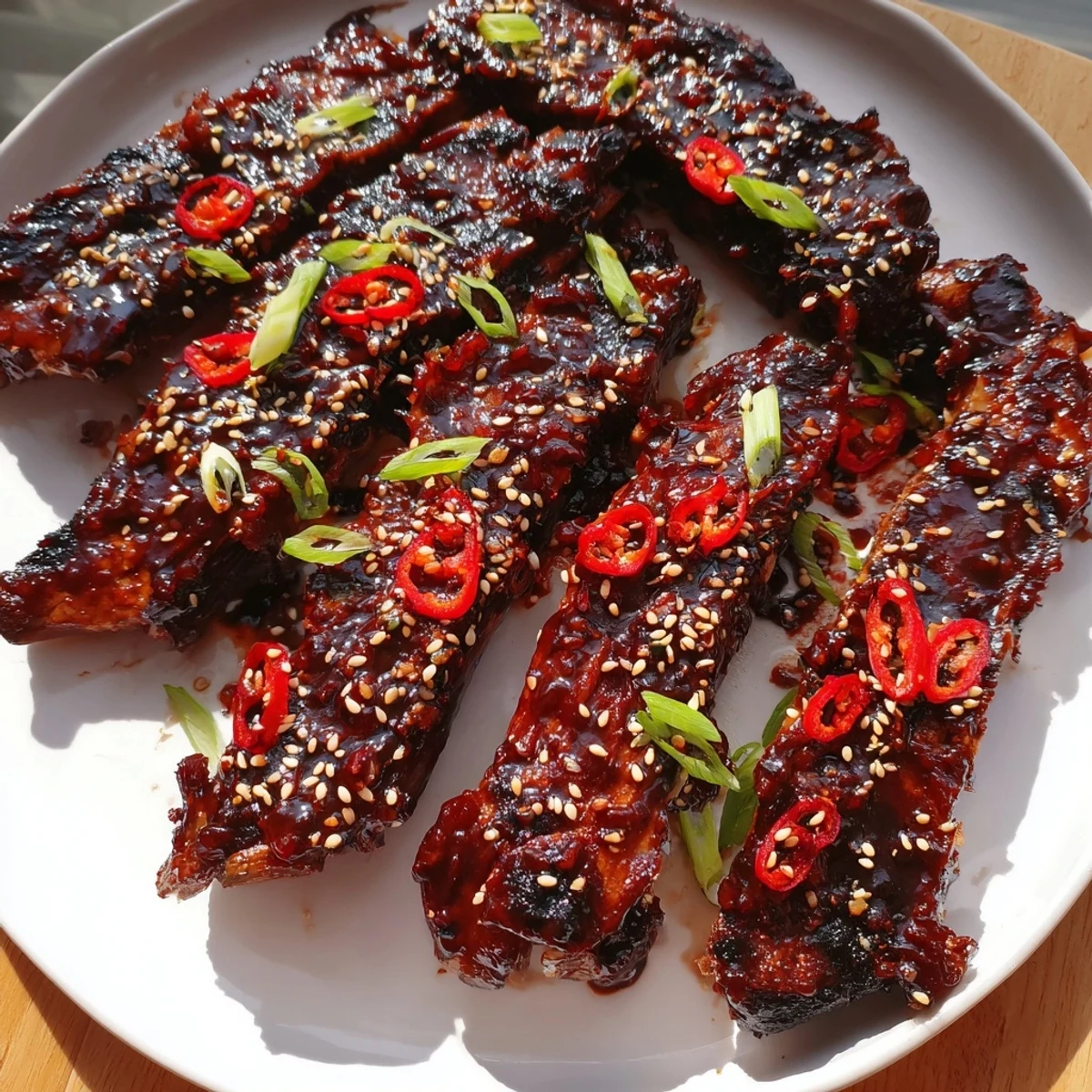
Save Keep napkins nearby, pour something cold, and do not be surprised when everyone reaches for seconds before you have even sat down. These ribs have a way of making people forget their manners in the best possible way.
Questions & Answers
- → Can I substitute yuzu with another citrus?
-
Yes, a blend of equal parts lemon and lime juice closely mimics yuzu's aromatic tartness. Meyer lemon alone also works as a milder alternative.
- → How long should I marinate the lamb ribs?
-
Minimum one hour in the refrigerator, but overnight marination yields deeper flavor penetration and more tender meat. Turn the bag occasionally for even coating.
- → Can I cook these ribs entirely on the grill?
-
For best results, start with the oven method to ensure tenderness, then finish on a hot grill for charring. Skipping the oven step may result in tougher meat unless you use a very low indirect grill setup for 1-2 hours.
- → What does gochujang contribute to the marinade?
-
Gochujang provides a complex heat with natural sweetness and umami depth. It's the backbone of Korean BBQ flavor—adjust the quantity to control spice level.
- → Is this dish gluten-free?
-
It can be. Use tamari or certified gluten-free soy sauce, and verify your gochujang brand is wheat-free, as some traditional versions contain gluten.
- → What should I serve with these lamb ribs?
-
Steamed jasmine or short-grain rice, quick-pickled vegetables, kimchi, or grilled bok choy all complement the bold flavors. A simple cucumber salad with sesame dressing also balances the richness well.