
 Save
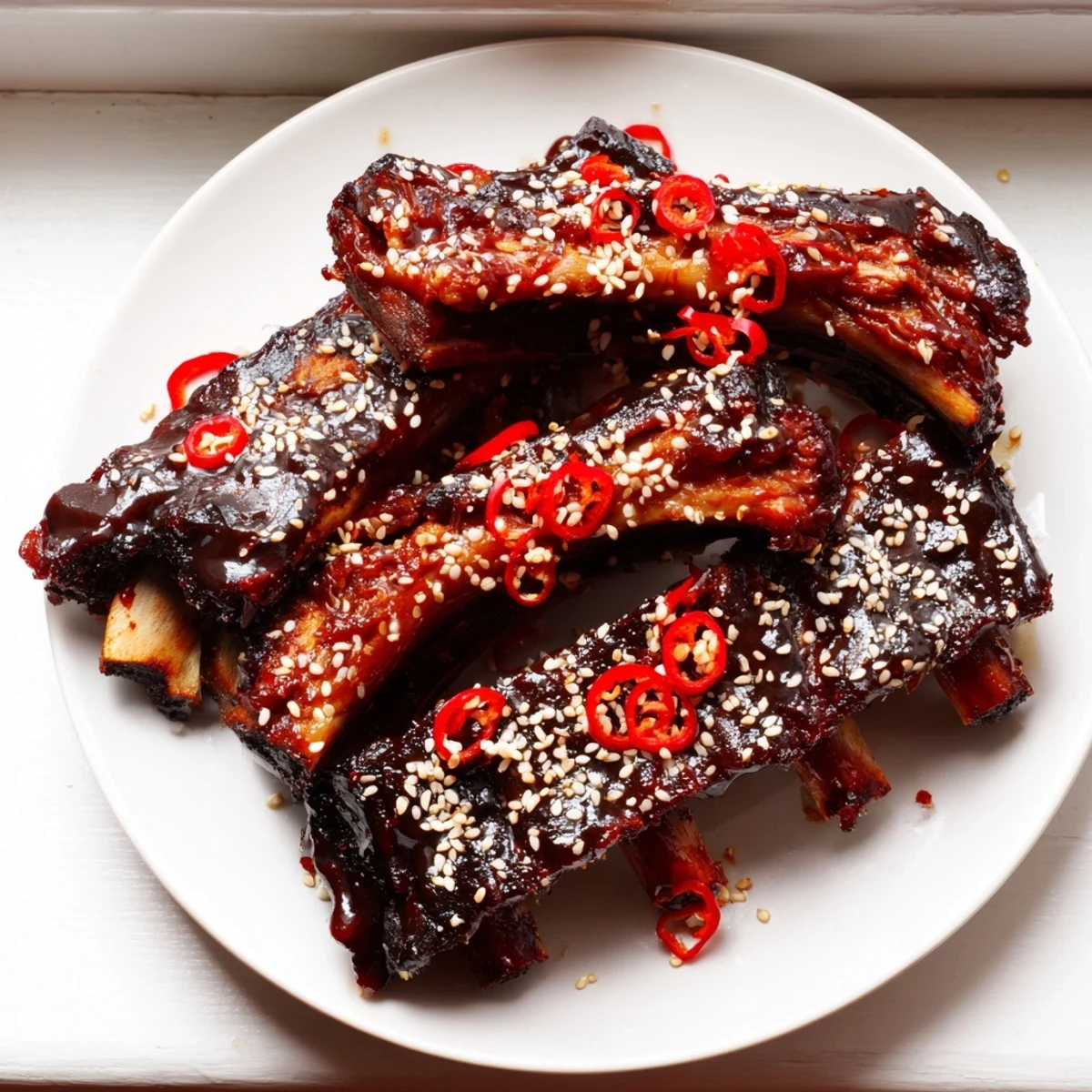
Save These Korean BBQ lamb ribs are coated in a bold marinade of gochujang, soy sauce, sesame oil, honey, garlic, and ginger, then slow-roasted and finished on a hot grill for irresistibly caramelized, charred edges.
A generous squeeze of fresh yuzu juice cuts through the richness with its unique floral citrus brightness, while toasted sesame seeds and sliced spring onions add texture and freshness to every bite.
Plan ahead for marinating—at least one hour, or ideally overnight—to let the flavors fully penetrate the meat. Serve with steamed rice, kimchi, or grilled vegetables for a complete Korean fusion spread.
The smell of gochujang hitting a hot grill will stop a conversation dead in its tracks, and these Korean BBQ lamb ribs proved that at my last rooftop cookout. A neighbor wandered over the fence asking what on earth I was making, and honestly I could barely answer over the sizzle. Lamb ribs are an underrated cut, tender and fatty in all the right ways, and they soak up Korean flavors like they were born for it. That final squeeze of yuzu over the charred glaze is the kind of thing that makes you close your eyes and just breathe.
I made these for my friend Mina who swears she does not eat lamb, and she was licking sauce off her fingers by the second rib. We sat on mismatched patio chairs with a giant bowl of steamed rice between us and barely said a word because our mouths were too full. She now texts me every few weeks asking when the lamb ribs are coming back.
Ingredients
- 1.5 kg lamb ribs: Ask your butcher for breast ribs, they have the ideal ratio of meat to fat and cost far less than a rack.
- 4 tablespoons soy sauce: Use a good quality one, ideally Korean or Japanese, and gluten-free if that matters to your table.
- 2 tablespoons gochujang: This is the backbone of the flavor, so grab a tub from a Korean grocer rather than a watered down supermarket version.
- 2 tablespoons sesame oil: Toasted sesame oil specifically, the darker kind that smells like roasted nuts the second it hits the bowl.
- 2 tablespoons honey: This helps the marinade caramelize into that gorgeous sticky glaze under the broiler.
- 4 garlic cloves, minced: Do not skimp here, raw garlic in the marinade mellows beautifully during the long roast.
- 2 tablespoons freshly grated ginger: Fresh ginger adds a warmth that dried powder simply cannot replicate.
- 1 tablespoon rice vinegar: A subtle acidity that tenderizes the meat while balancing the sweetness.
- 1 tablespoon brown sugar: Works alongside the honey for deeper caramel color and molasses depth.
- 1 teaspoon black pepper: Freshly cracked is nonnegotiable, it adds a gentle heat that lingers behind the chili.
- 2 spring onions, finely chopped: These melt into the marinade and leave little bursts of mild onion sweetness in every bite.
- 1 fresh yuzu or 3 tablespoons yuzu juice: If you cannot find fresh yuzu, a blend of lemon and lime juice gets you remarkably close.
- 1 tablespoon toasted sesame seeds: Scatter these on at the very end for a nutty crunch that makes the dish look finished.
- 2 spring onions, thinly sliced: Keep these raw for the garnish, their sharp green freshness contrasts the rich glazed meat.
- 1 red chili, finely sliced: Optional, but the thin red ribbons across the glossy ribs are stunning and add a slow building warmth.
Instructions
- Build the marinade:
- Whisk together the soy sauce, gochujang, sesame oil, honey, garlic, ginger, rice vinegar, brown sugar, pepper, and chopped spring onions in a large bowl until it forms a thick glossy paste. Taste it on your fingertip and you will immediately understand why these ribs are going to be incredible.
- Coat the ribs:
- Place the lamb ribs in a large resealable bag or shallow dish and pour every last drop of marinade over them, massaging it into every fold and crevice. Leave them in the fridge for at least an hour, though overnight is the move if you can plan that far ahead.
- Set up the slow roast:
- Preheat your oven to 160 degrees Celsius, line a baking sheet with foil, and set a wire rack on top so the heat circulates underneath the ribs. Arrange them in a single layer and pour any leftover marinade into a small saucepan for basting.
- Roast low and slow:
- Let the ribs roast for one full hour, pulling them out halfway through to baste with the reserved marinade so the flavor builds in layers. Your kitchen will start to smell absolutely unreal around the forty minute mark.
- Char and caramelize:
- Crank up the grill or broiler to high and transfer the ribs directly onto the grate or a hot pan, cooking three to five minutes per side until the glaze blisters and chars in spots. Watch them closely because the honey in the marinade goes from perfectly caramelized to burnt in seconds.
- Finish with yuzu and garnishes:
- Pull the ribs off the heat, squeeze fresh yuzu juice liberally over the top, and scatter on the sesame seeds, sliced spring onions, and chili if using. Serve immediately with extra yuzu wedges on the side and watch everyone reach for seconds before they finish their first.
 Save
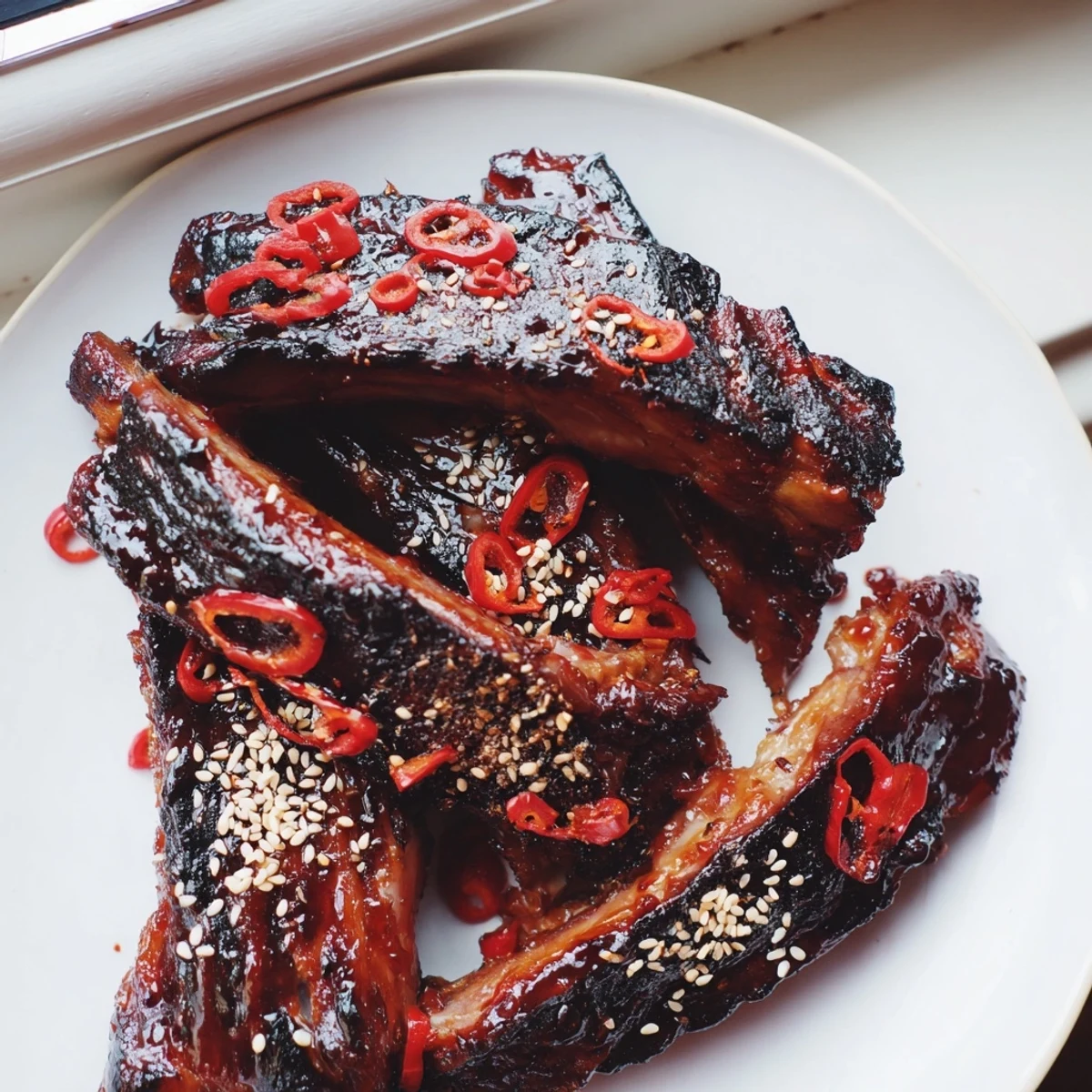
Save There is something deeply satisfying about pulling a tray of glossy charred ribs off the grill and watching people crowd around the cutting board before you even have a chance to plate them. Those ribs turned a random Tuesday night into the kind of evening that gets talked about months later.
What to Serve Alongside
Steamed white rice is the obvious choice and honestly all you need to soak up the sticky marinade that pools on the plate. A simple plate of kimchi and maybe some quick pickled cucumbers add crunch and acidity that keep the richness in check.
Handling the Yuzu
Fresh yuzu can be tricky to track down depending on where you live, but Japanese and specialty Asian grocers often stock them in winter months. If you find them, buy extra because the zest is incredible stirred into mayonnaise or shaken into a cocktail.
Storing and Reheating Leftovers
Leftover ribs reheat beautifully under the broiler for two minutes per side, which actually improves the char. They also make an absurdly good next day lunch shredded over a bowl of rice with a drizzle of any remaining yuzu juice.
- Store leftover ribs in an airtight container in the fridge for up to three days.
- Reheat under the broiler or in a hot skillet rather than the microwave to keep the glaze intact.
- Never discard the leftover juices from the pan because they make an incredible quick sauce for fried rice the next day.
 Save
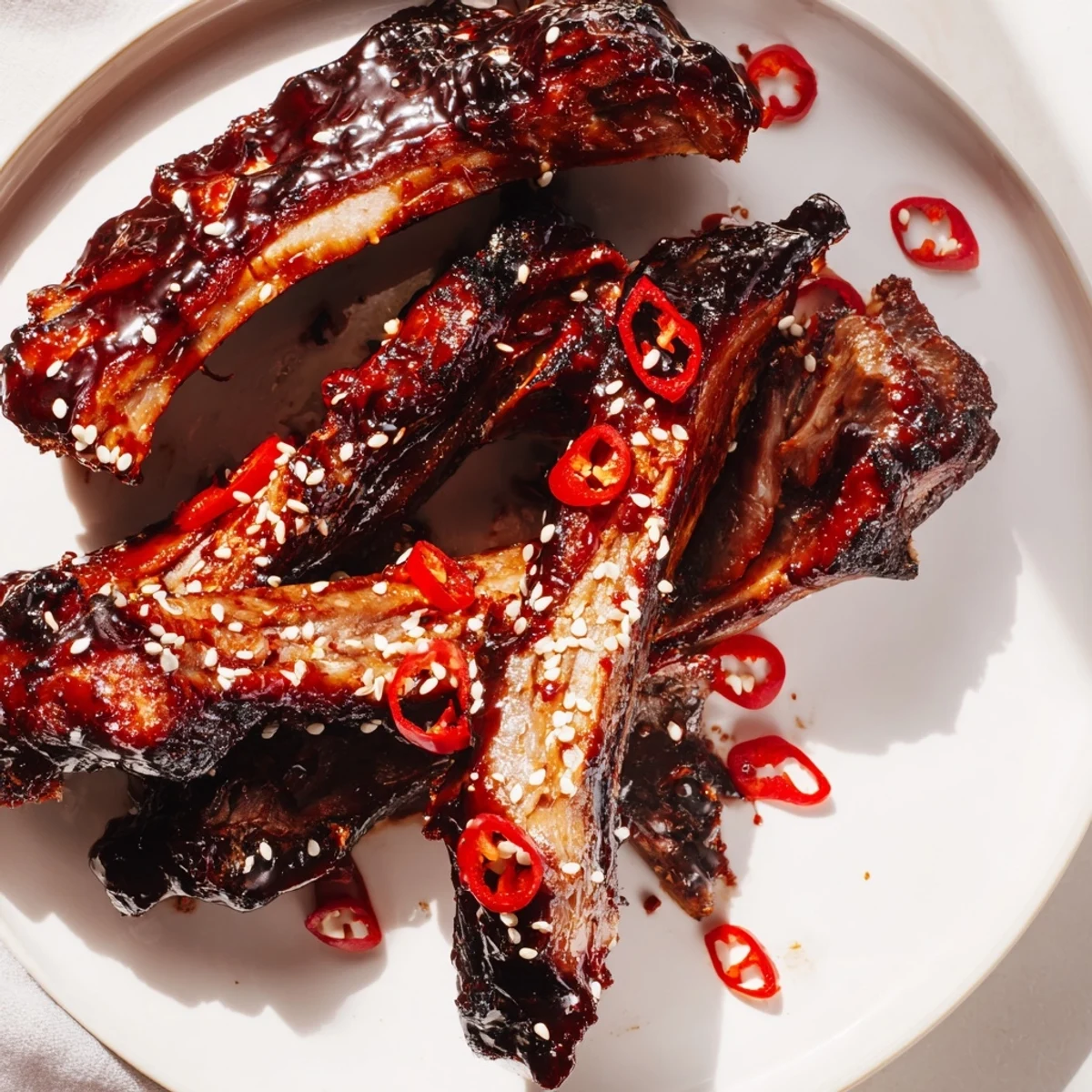
Save These ribs are messy, sticky, fragrant, and unapologetically bold, and that is exactly what dinner should feel like sometimes. Make them once and they will become the dish everyone requests.
Questions & Answers
- → What cut of lamb works best for Korean BBQ ribs?
-
Lamb ribs, also called lamb breast ribs, are ideal because they have enough fat and connective tissue to become tender and flavorful during the slow-roasting process. You can also use lamb shoulder ribs if breast ribs are unavailable.
- → Can I substitute yuzu with another citrus?
-
Yes, if you cannot find fresh yuzu or yuzu juice, a 50/50 blend of lemon and lime juice makes an excellent substitute. It won't replicate yuzu's unique floral notes exactly, but it provides a similarly bright, aromatic acidity.
- → How long should I marinate the lamb ribs?
-
At minimum, marinate the ribs for 1 hour at room temperature. For the deepest flavor, marinate them overnight (8-12 hours) in the refrigerator. The longer rest allows the gochujang, soy sauce, and aromatics to fully penetrate the meat.
- → Can I cook these ribs entirely on the grill instead of oven-roasting?
-
You can, but the two-step method of roasting then grilling yields the best results. Slow-roasting at 160°C tenderizes the meat, while a quick finish on a hot grill creates caramelized, slightly charred edges. Grilling alone risks burning the sugary marinade before the meat cooks through.
- → Is this dish gluten-free?
-
It can be. Use a certified gluten-free soy sauce or tamari in the marinade. Also check your gochujang label, as some brands contain wheat. With those two swaps, the entire dish becomes gluten-free.
- → What should I serve with Korean BBQ lamb ribs?
-
Steamed white rice is a natural pairing to soak up the bold, sticky marinade. Kimchi, pickled radish, or grilled vegetables like zucchini and eggplant round out the meal beautifully. A simple cucumber salad with sesame dressing also works well.