
 Save
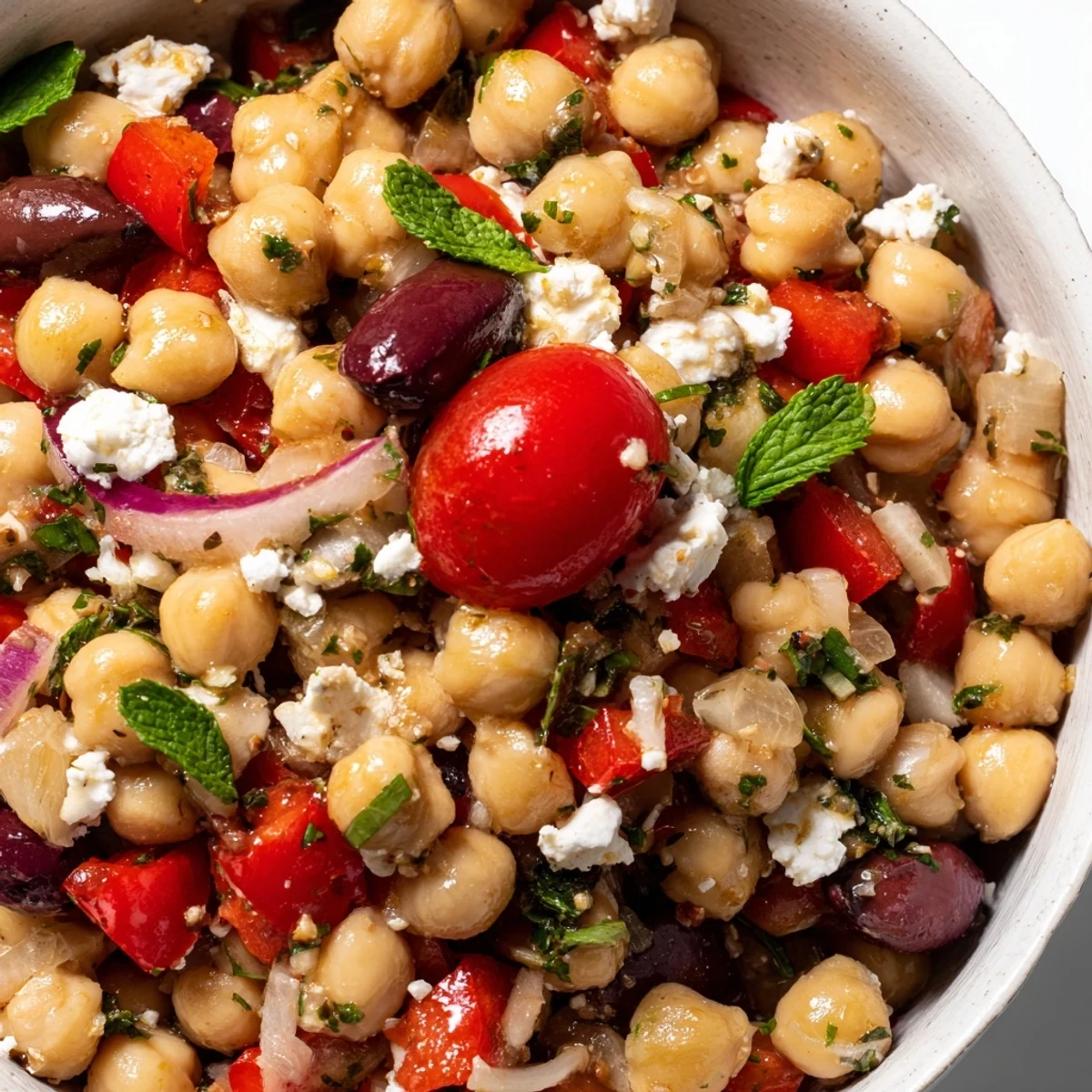
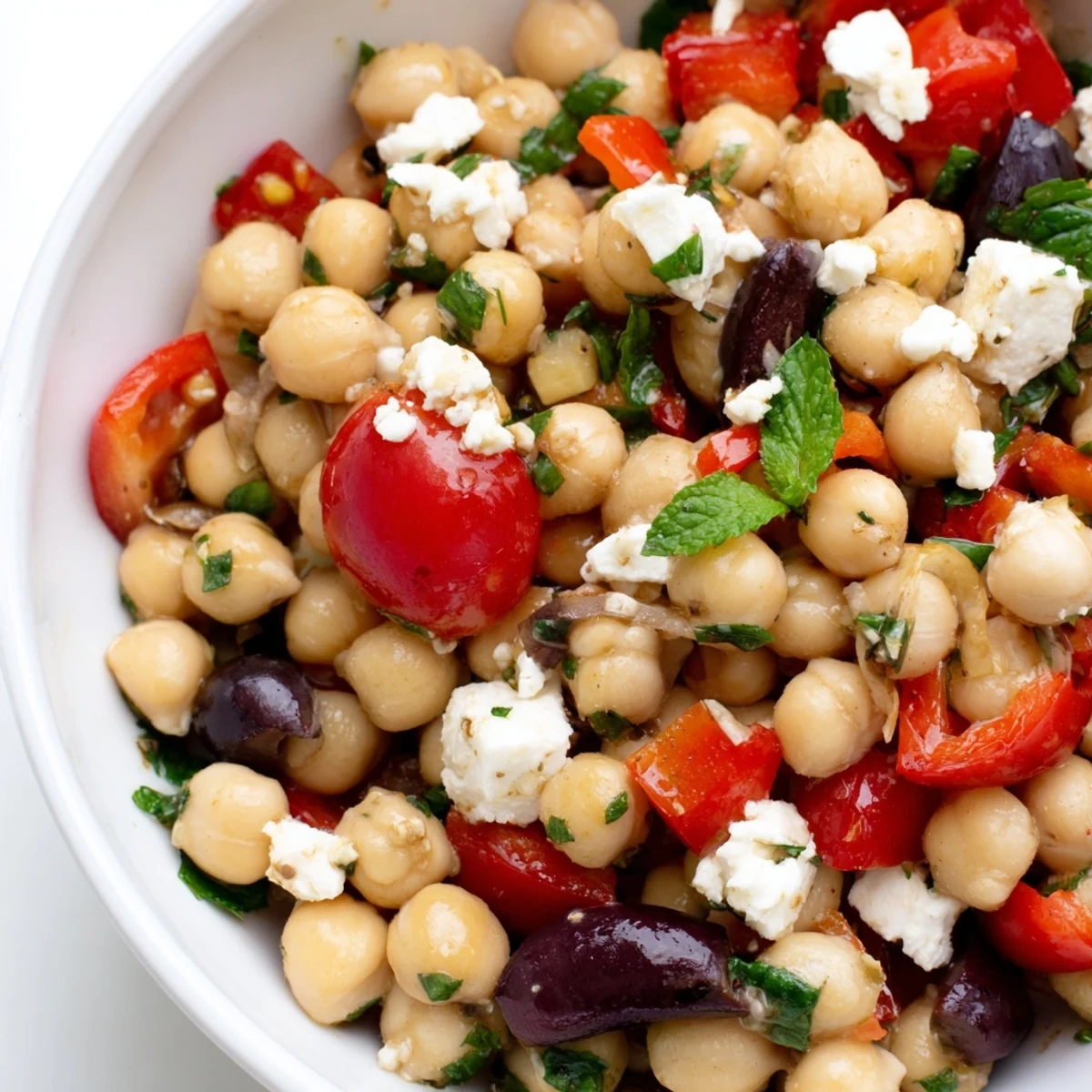
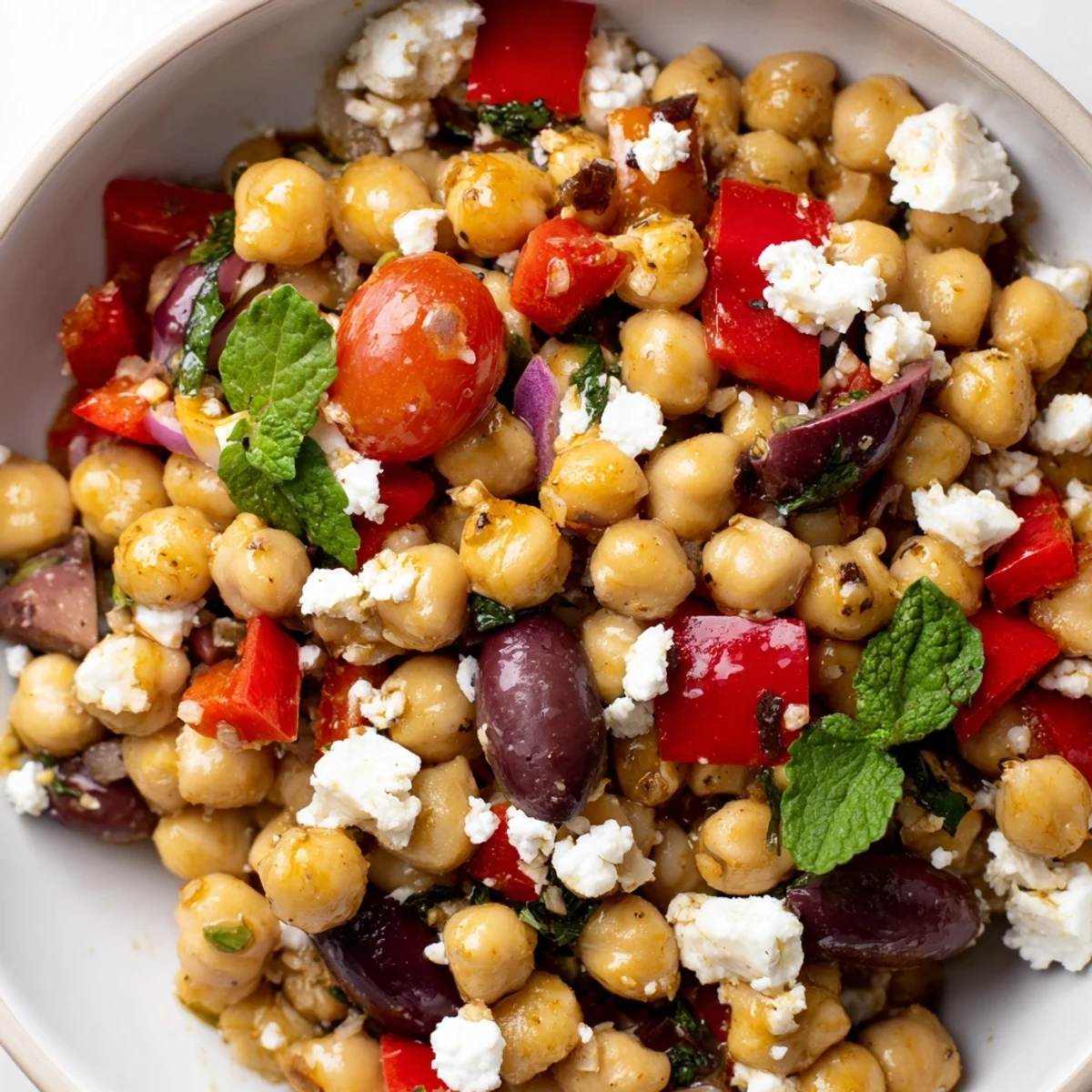
Save This Mediterranean-inspired salad combines tender chickpeas with cherry tomatoes, cucumber, red pepper, and Kalamata olives. A bright lemon vinaigrette with garlic and oregano brings a refreshing tang, while parsley and mint add herbal notes. Optional feta cheese adds creaminess, balanced by fresh veggies and zesty dressing. Perfect as a light lunch or side, it can be chilled to meld flavors or customized with avocado or white beans for variety.
There's something about the smell of fresh lemon mixed with oregano that instantly transports me to a sun-drenched Greek island, even when I'm just standing in my kitchen on an ordinary Tuesday. This Mediterranean chickpea salad came into my life during a summer when I was trying to eat lighter but didn't want to sacrifice flavor, and somehow this simple combination became the dish I'd make on repeat. What started as a quick lunch turned into something I'd pack for picnics, bring to potlucks, and make whenever I needed to feel a little closer to the sea. It's one of those rare recipes that tastes like it took hours, but honest work starts and finishes in your bowl.
I made this salad for my sister one afternoon when she arrived unannounced, exhausted from a long drive, and she ate almost the entire bowl sitting on my back porch while we caught up. She asked for the recipe before she even finished eating, and now she makes it every week—that moment when someone loves something you've made enough to claim it as their own is the whole reason we cook.
Ingredients
- Chickpeas: Drain and rinse them well to wash away the can liquid and any starch—this keeps your salad from turning murky and lets the vinaigrette cling properly to each bean.
- Cherry tomatoes: Halve them and choose ones that are still slightly firm; soft ones will break down into the dressing and lose their fresh bite.
- Cucumber: Dice it into roughly the same size as your chickpeas so everything feels balanced with each bite.
- Red bell pepper: This adds both sweetness and color; dice it small enough that it flavors every forkful without dominating the salad.
- Red onion: Finely diced keeps it from overwhelming, and the sharp flavor mellows slightly as the salad sits.
- Kalamata olives: Pit them yourself if you can—they taste fresher and you avoid the metallic tang of pre-pitted ones in brine.
- Feta cheese: Crumble it by hand just before serving so the pieces stay distinct and don't dissolve into the dressing; omit entirely if you're vegan or pair it with a plant-based alternative.
- Fresh parsley and mint: These herbs are what lift the whole salad into something special—don't skip them or use dried herbs as a substitute.
- Extra-virgin olive oil: This is the backbone of your vinaigrette, so use one you actually enjoy tasting on its own.
- Fresh lemon juice: Always squeeze it fresh; bottled lemon juice tastes tinny and won't give you that bright, living flavor you're after.
- Garlic: One small clove minced fine is enough to perfume the vinaigrette without making it sharp.
- Dried oregano: This is non-negotiable for the Mediterranean flavor; crush it between your palms as you add it to wake up the oils.
Instructions
- Gather and prepare your vegetables:
- Wash everything and pat it dry—any excess water will dilute your vinaigrette. Work methodically, cutting as you go, so the vegetables don't sit around and start to wilt or turn brown at the edges.
- Combine the base:
- In your large bowl, tumble together the chickpeas, tomatoes, cucumber, pepper, onion, olives, feta, and herbs. This is the moment where the salad starts to look like something alive and colorful, and you know you're onto something good.
- Make the vinaigrette:
- In a smaller bowl or even a jar with a lid, whisk together the oil, lemon juice, minced garlic, oregano, salt, and pepper until it emulsifies slightly and looks cohesive. Taste it on a piece of cucumber—it should make your mouth water.
- Bring it together:
- Pour the vinaigrette over the salad and toss gently with two forks or a spatula, making sure every piece gets coated without bruising the tomatoes or breaking apart the feta. This is worth taking a minute to do carefully.
- Rest and serve:
- You can eat it right away while everything is crisp, or cover it and let it sit in the fridge for 30 minutes so the flavors have time to become friends. Both ways are delicious, just for different reasons.
 Save
Save There was a moment when I realized this salad had become more than just a recipe—it was my answer to the question "what should I bring?" for nearly every gathering. It's substantial enough to stand on its own but kind enough to share space on a plate with almost anything else, and somehow it always makes people feel cared for.
How to Make It Your Own
The beauty of this salad is that it holds its shape and flavor through small changes, so feel free to swap things around based on what's in your kitchen or what you're hungry for. If you find avocado calling to you, dice it and toss it in just before serving so it doesn't turn brown. White beans work just as well as chickpeas if that's what you have, and sometimes I add a handful of arugula or spinach to make it more substantial. Even a handful of toasted pine nuts or walnuts adds a different kind of richness if you want something with more texture.
Timing and Storage
The best part of this salad is that it genuinely gets better after a few hours as the flavors settle into each other, but you can eat it immediately if you're hungry. It keeps well in a covered container in the fridge for up to three days, though the vegetables will gradually soften and the herbs will fade—so if you're making ahead, store the dressing separately and dress it fresh on the day you plan to eat it. Bring it to room temperature for about 15 minutes before serving if it's been chilled, so you can taste all the layers properly.
Serving Suggestions
This salad shines as a light lunch on its own, but it also makes a perfect side for grilled fish, roasted chicken, or lamb—really anything that benefits from something bright and fresh alongside it. Warm pita bread torn into pieces is excellent for scooping, or serve it alongside grilled halloumi or feta if you want to lean harder into the Mediterranean theme. For a heartier meal, you could pile it onto a bed of greens or serve it as a grain bowl base with couscous or farro underneath.
- Pack it in a mason jar with the dressing on the bottom and delicate ingredients on top for easy, leak-free lunch carrying.
- Make a double batch on Sunday and you'll have lunch ready for at least two days during the week.
- It's flexible enough to make with whatever produce looks good at the market that day.
 Save
Save This is the kind of salad that tastes like a choice instead of a compromise, which is why it keeps appearing at my table. It's proof that good food doesn't need to be complicated—just fresh, honest, and made with a little bit of attention.
Questions & Answers
- → What makes the dressing flavorful?
-
The lemon vinaigrette blends fresh lemon juice, garlic, olive oil, oregano, salt, and pepper, creating a bright, tangy finish that complements the veggies.
- → Can feta cheese be substituted or omitted?
-
Yes, omit feta for a vegan version or use plant-based alternatives to maintain creaminess without dairy.
- → How long should the salad be chilled for best flavor?
-
Chilling the salad for about 30 minutes allows the vinaigrette to meld with the ingredients, enhancing the overall taste.
- → Are there recommended add-ins for variation?
-
Diced avocado adds creaminess, and substituting white beans for chickpeas offers a different texture and flavor profile.
- → What tools are needed to prepare this salad?
-
A large mixing bowl, small bowl or jar for the vinaigrette, whisk or fork, chef's knife, and cutting board are essential.