
 Save
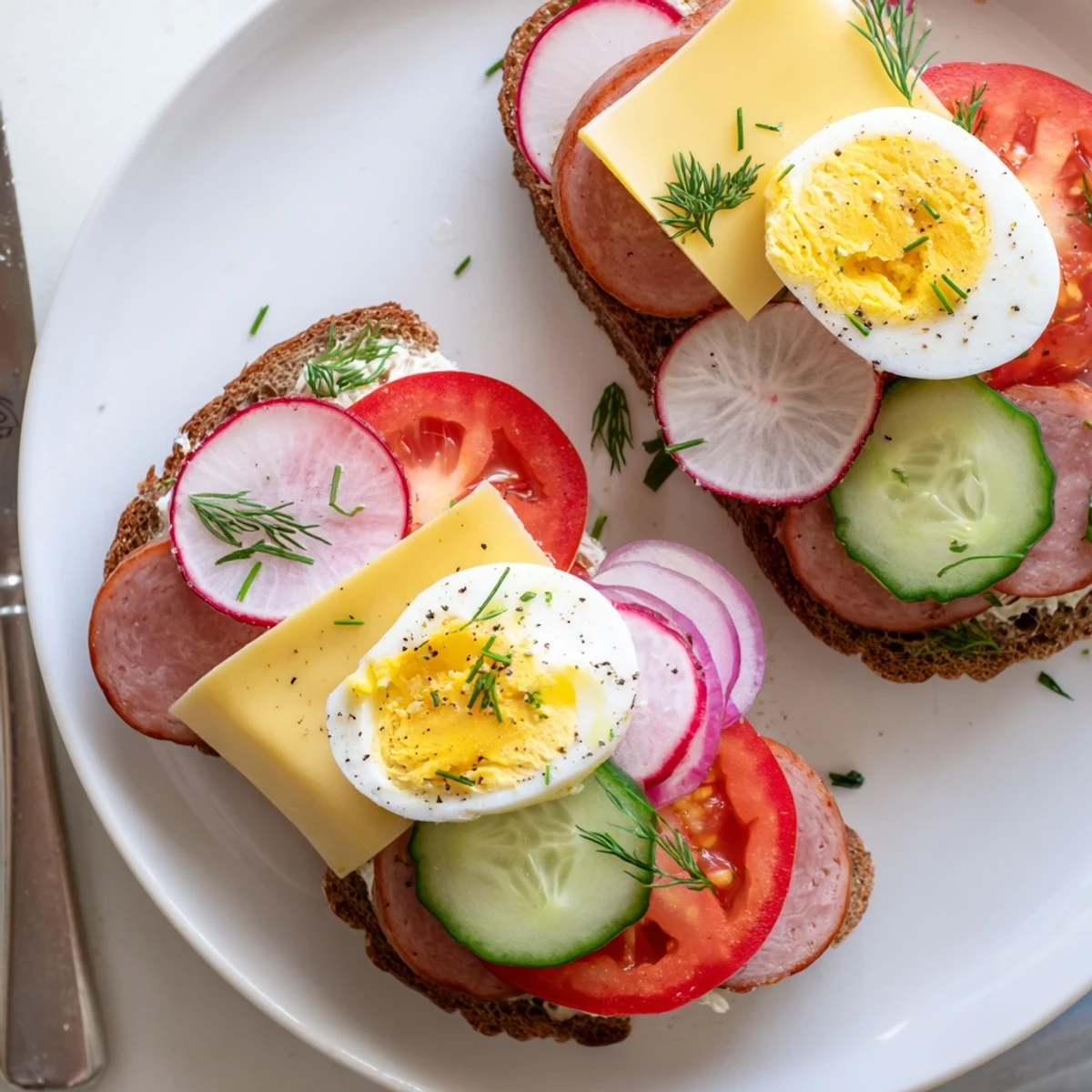
Save Open faced Polish sandwiches, known as kanapki, are a beloved staple of Polish cuisine built on slices of rye bread or baguette. Each piece is spread with butter or cream cheese, then layered with proteins like kielbasa, smoked ham, or hard-boiled egg, finished with slices of yellow cheese.
Toppings shine with fresh vegetables including tomato, cucumber, radish, and red onion, all seasoned with salt, pepper, and fresh herbs like chives or dill. Ready in just 15 minutes with no cooking required, they work beautifully as a breakfast, light lunch, or party appetizer.
My babcia always had a plate of kanapki waiting on the kitchen counter, no matter the hour you walked through her door. She never measured anything or followed a recipe, just layered whatever the garden and fridge offered onto thick slices of rye with practiced hands. The smell of fresh dill and radishes still pulls me right back to that small kitchen in Chicago. This is my attempt to capture that effortless generosity on a plate.
I made a massive platter of these for a friend's housewarming party once, expecting them to be a side dish, and they vanished before the main course even came out of the oven.
Ingredients
- 8 slices rye bread or baguette: A dense, sour rye is traditional and holds up beautifully under layers of toppings without sagging.
- 3 tbsp unsalted butter, softened: Let it sit at room temperature for at least thirty minutes so it spreads without tearing the bread.
- 2 tbsp cream cheese: Optional, but it adds a cool tang that pairs especially well with smoked meats.
- 4 slices kielbasa or smoked ham: Good quality Polish kielbasa from a deli counter makes all the difference here.
- 4 slices cooked egg: Hard boil them just until the yolk is set but still bright yellow, never gray.
- 4 slices yellow cheese such as Edam or Gouda: Mild cheeses work best because they do not compete with the stronger toppings.
- 1 tomato, thinly sliced: A serrated knife gives you clean cuts without squishing the flesh.
- 1 small cucumber, thinly sliced: English or Persian cucumbers have fewer seeds and a nicer crunch.
- 1/4 red onion, thinly sliced: Soak the slices in ice water for ten minutes if you want a milder bite.
- 8 radishes, thinly sliced: Their peppery snap is what makes these sandwiches feel genuinely Polish.
- Fresh chives or dill, chopped: Fresh herbs are nonnegotiable, dried will not give you the same bright finish.
- Salt and freshly ground black pepper: Season generously right before serving so the vegetables stay crisp.
Instructions
- Prepare your foundation:
- Lay all eight bread slices flat on a clean cutting board or countertop. If you are using a baguette, slice it on a slight diagonal for a wider surface area to hold more toppings.
- Spread the base:
- Using a butter knife, spread each slice with a thin, even layer of softened butter, cream cheese, or a combination of both. Go all the way to the edges so every bite carries that richness.
- Layer your proteins and cheeses:
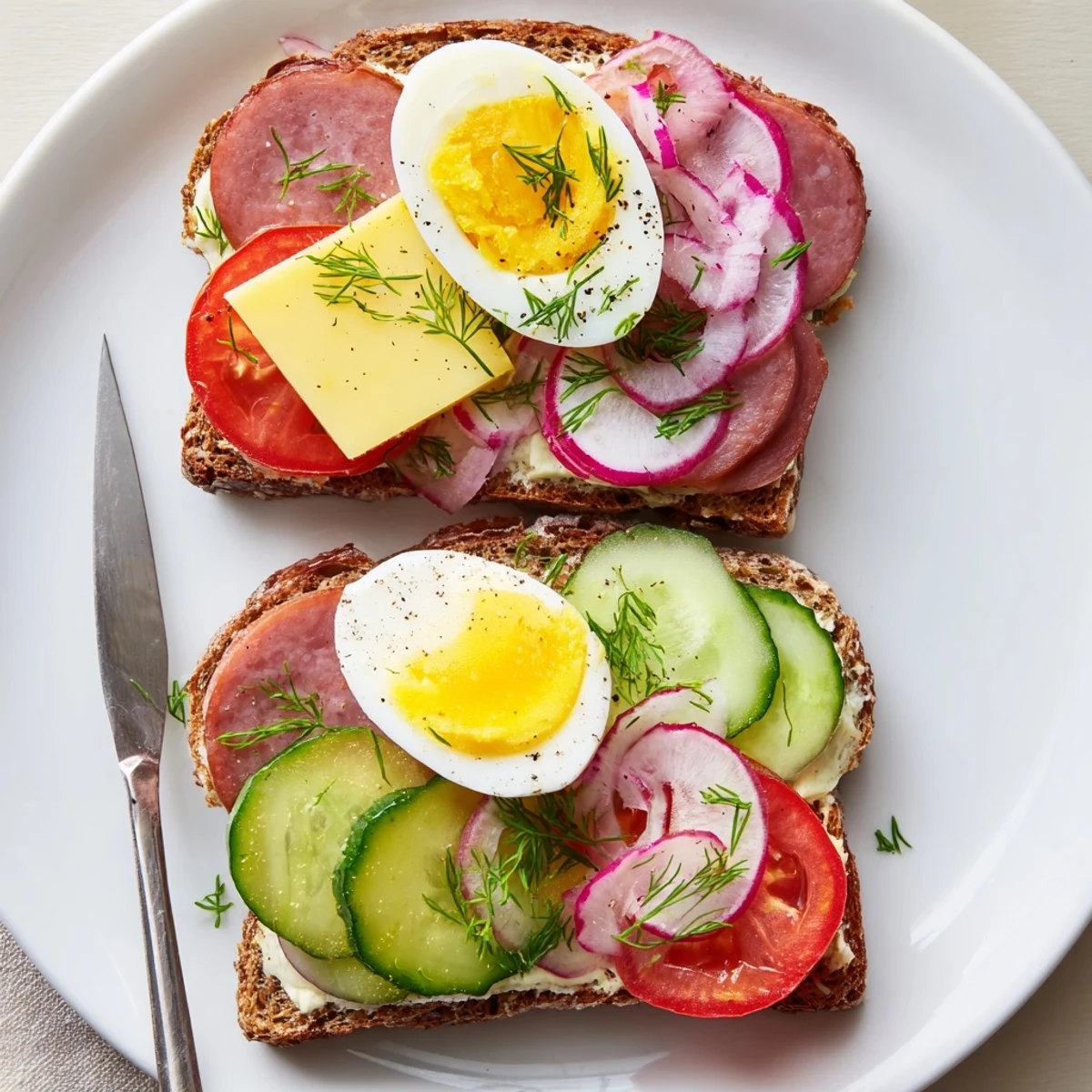
- Arrange kielbasa, ham, egg slices, or cheese on each piece of bread, choosing one or two per sandwich. Fold the meats slightly instead of laying them flat for a more inviting look.
- Add the fresh vegetables:
- Layer on tomato, cucumber, red onion, and radish slices in whatever combination appeals to you. Let some edges hang over the bread for that abundant, overflowing look babcia always achieved.
- Finish with herbs and seasoning:
- Scatter chopped chives or dill across the tops of all the sandwiches, then season with salt and pepper. Serve immediately while the bread is still fresh and the vegetables are at their crispest.
 Save
Save There is something deeply satisfying about arranging a platter of these for people you love, watching them pick and choose their favorites.
Bread Makes or Breaks This
After years of making kanapki with every bread I could find, I can tell you that a proper Polish rye from an actual bakery is worth seeking out. Supermarket rye often tastes like disappointment dressed up in caraway seeds. If you cannot find good rye, a sturdy sourdough loaf with a tight crumb works as a worthy standin.
Topping Combinations That Work
Some pairings have stood the test of time for good reason. Kielbasa with mustard, egg, and a scatter of chives is a classic that never fails. Ham and cheese topped with cucumber and dill tastes like a Polish deli in sandwich form. My personal favorite is egg, radish, and a generous amount of black pepper on buttered rye, simple but perfect.
Serving and Storing Advice
Kanapki are best treated as an immediate pleasure, assembled and eaten without delay. If you need to prepare ahead, keep all your components separate and sliced in the refrigerator, then build them right before guests arrive. Leftover components keep well for two to three days when stored properly in airtight containers.
- Cover any assembled sandwiches loosely with a damp paper towel if they must sit for a few minutes.
- A squeeze of lemon juice on avocado or apple slices prevents browning if you decide to add those.
- Always taste your bread before building, stale or stale tasting bread cannot be hidden no matter how good the toppings are.
 Save
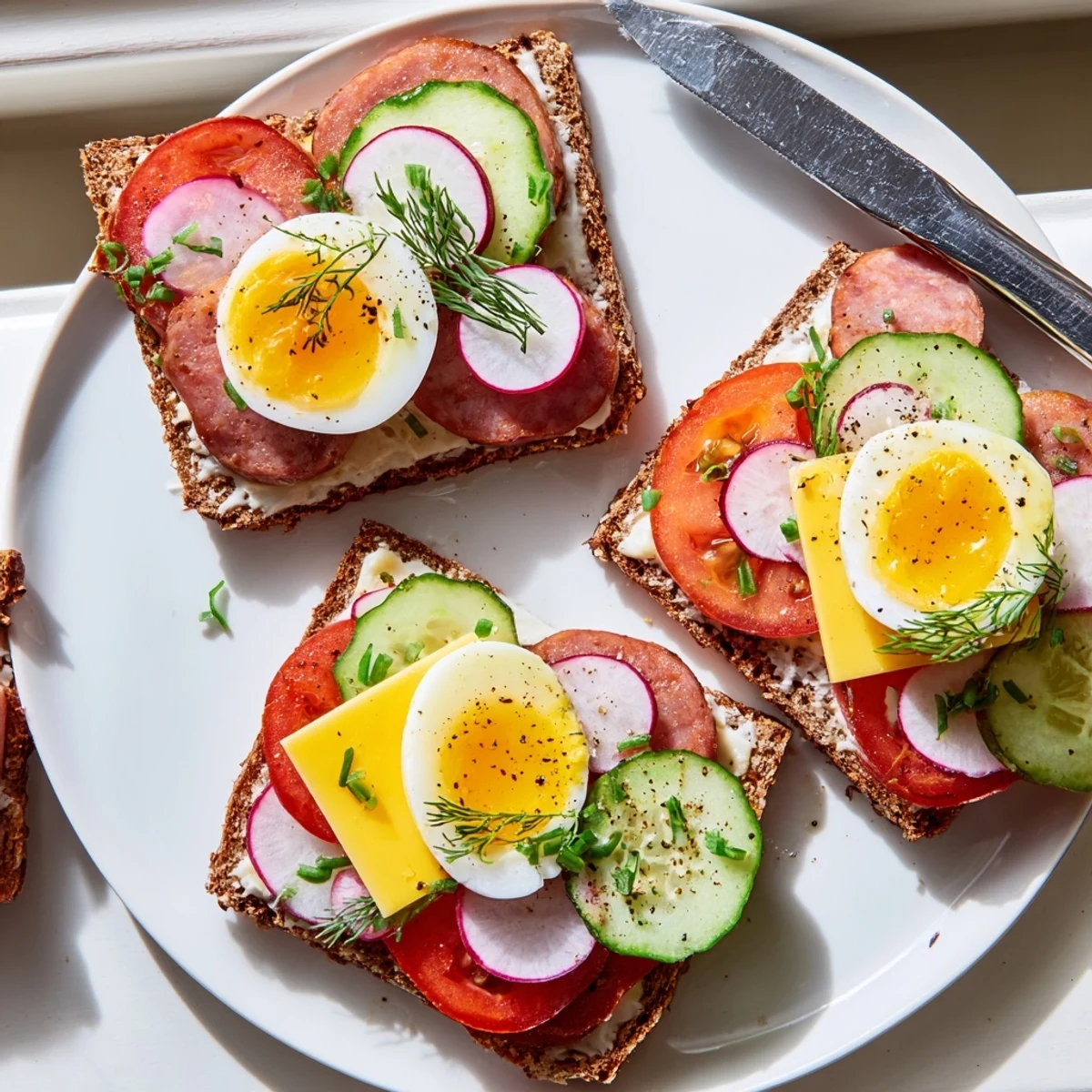
Save Keep a plate of these in the refrigerator during summer months and you will never be caught without something wonderful to offer unexpected visitors. That is the Polish way, after all.
Questions & Answers
- → What type of bread works best for kanapki?
-
Traditional Polish kanapki are made with dense rye bread, which holds up well under toppings without becoming soggy. A fresh baguette, sourdough, or wholegrain loaf are also excellent alternatives that provide a sturdy base.
- → Can kanapki be prepared ahead of time?
-
For the best texture, assemble kanapki shortly before serving. You can prepare all toppings and spreads in advance and store them separately in the refrigerator, then build the sandwiches right before your guests arrive.
- → What are traditional Polish toppings for kanapki?
-
Classic toppings include kielbasa, smoked ham, hard-boiled egg slices, yellow cheese like Edam or Gouda, pickled herring, and fresh vegetables such as tomato, cucumber, radish, and onion. Fresh dill or chives are essential finishing herbs.
- → Are kanapki served warm or cold?
-
Kanapki are typically served cold or at room temperature, making them ideal for buffets, picnics, and gatherings. No cooking is involved, so they come together quickly with minimal effort.
- → How do I keep the bread from getting soggy?
-
Spread a layer of butter or cream cheese on the bread first to create a moisture barrier. Also, pat wet vegetables like tomato slices dry with a paper towel before placing them on the bread, and serve promptly after assembling.
- → What drinks pair well with Polish kanapki?
-
Kanapki pair wonderfully with hot black tea, which is the traditional Polish accompaniment. A cold crisp lager, light beer, or even a glass of sparkling water with lemon also complements the savory toppings beautifully.