
 Save
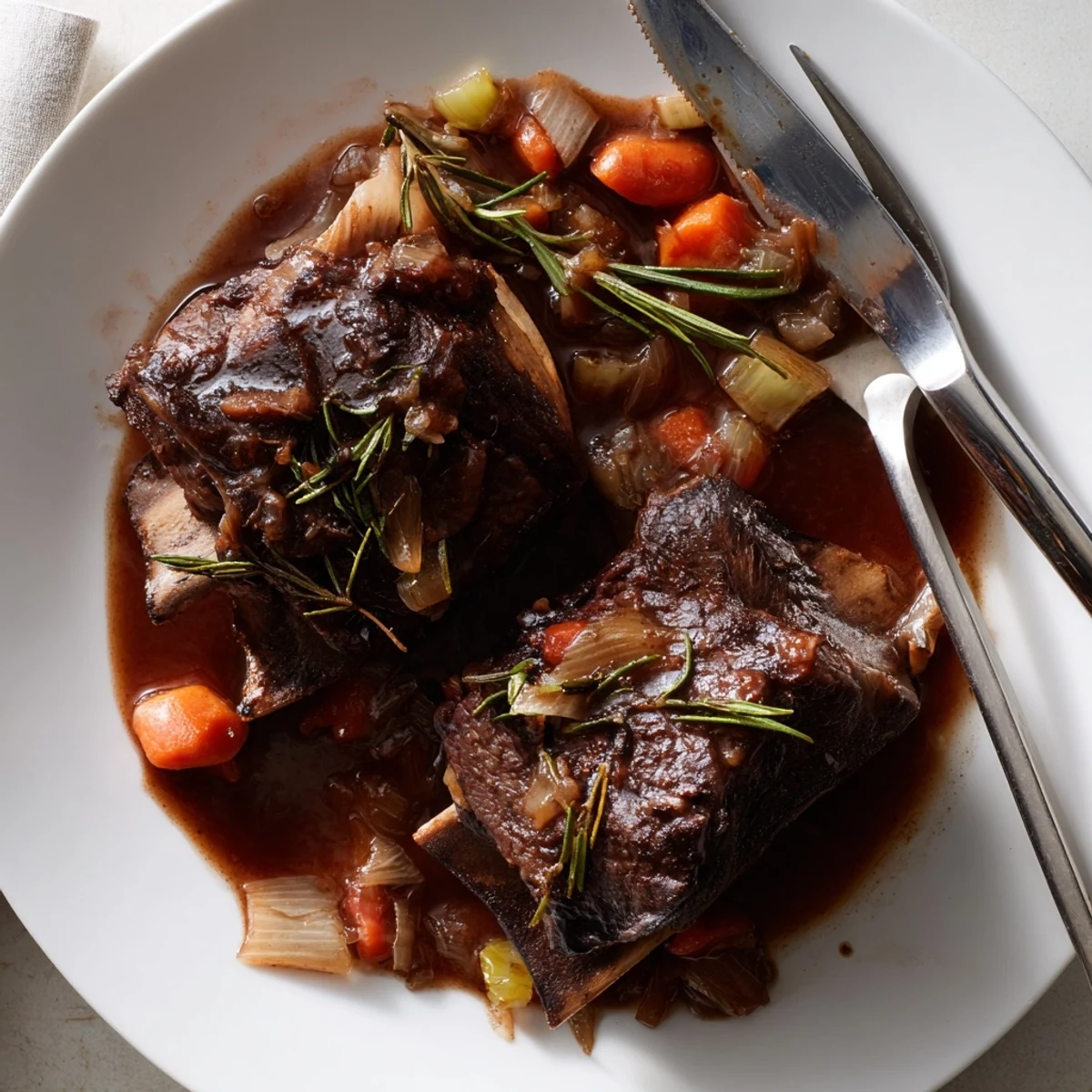
Save These oven-braised beef short ribs are seared to develop a deep crust, then slowly cooked in a rich braising liquid of red wine, beef broth, tomato paste, and aromatic vegetables.
The low and slow oven method breaks down the connective tissue over 2.5 to 3 hours, resulting in fork-tender meat that literally falls off the bone.
Fresh thyme, rosemary, and bay leaves infuse the sauce with herbal fragrance, while the reduced wine creates a deeply concentrated, savory glaze.
This classic French-inspired dish pairs beautifully with creamy mashed potatoes, polenta, or crusty bread to soak up every drop of the luscious sauce.
The smell of red wine hitting a hot pan is my definition of Sunday. There is something deeply satisfying about the low rumble of a Dutch oven lid settling into place, knowing you have hours of unhurried time ahead while the oven does all the real work. Short ribs taught me that patience in the kitchen always tastes better than rushing. This is the dish that converted my husband from a steak only dinner into someone who asks for braised meat by name.
I made these for my parents anniversary one February, and my father actually set down his phone and closed his eyes after the first bite. The house smelled so good that the neighbors texted to ask what was cooking. That is the power of wine, aromatics, and low slow heat working together. Now every cold weather gathering in our home begins with these ribs.
Ingredients
- Bone in beef short ribs (4 lbs): The bones are everything here, they release collagen that gives the sauce its silky, coat the back of a spoon texture.
- Salt and freshly ground black pepper: Season the ribs more boldly than you think necessary, much of it melts into the braise.
- Olive oil (2 tbsp): A neutral oil works but olive oil adds a subtle fruitiness that rounds out the richness of the beef.
- Onion, carrots, and celery: This classic mirepoix builds the aromatic foundation, chop them rough because they will melt down completely.
- Garlic (4 cloves, minced): Add it after the vegetables soften so it sweetens rather than turning bitter.
- Tomato paste (2 tbsp): A small amount adds remarkable depth and helps the sauce achieve that deep garnet color.
- Dry red wine (2 cups): Use something you would actually drink, a Cabernet or Merlot works beautifully, never cook with wine you would not pour into a glass.
- Beef broth (2 cups): Low sodium gives you more control over the final seasoning of the sauce.
- Fresh thyme, rosemary, and bay leaves: Fresh herbs make a noticeable difference here, dried will work in a pinch but the aroma will not fill your kitchen the same way.
Instructions
- Get the oven ready and season the meat:
- Preheat to 325 degrees and pat those ribs completely dry with paper towels before seasoning generously with salt and pepper, because dry meat sears better and wet meat just steams.
- Build the crust:
- Heat olive oil in your Dutch oven over medium high until it shimmers, then sear the ribs on every side until deeply browned, about 3 to 4 minutes per side, and do not rush this step because that dark crust is pure flavor.
- Soften the vegetables:
- Transfer the ribs to a plate and drop the onion, carrots, and celery into the same pot with all those rendered juices, stirring until they soften and pick up color, about 5 minutes, then add the garlic for just one minute more.
- Add the tomato paste and wine:
- Stir in the tomato paste and let it cook for a minute until it darkens slightly, then pour in all the wine at once, scraping up every last browned bit from the bottom because that fond is liquid gold, and let it boil until reduced by half.
- Bring it all together:
- Nestle the ribs back in, pour in the broth, tuck in the herb sprigs and bay leaves, bring it to a gentle simmer on the stovetop, then cover tightly and slide the whole pot into the oven.
- Let time do the work:
- Braise for 2 and a half to 3 hours, and you will know they are done when a fork slides through the meat like warm butter and it literally falls away from the bone.
- Finish the sauce and serve:
- Lift the ribs and vegetables onto a platter, toss out the spent herbs, skim the surface fat from the braising liquid, and if you want a thicker sauce just set the pot over medium heat on the stove for a few minutes until it coats a spoon, then ladle it generously over the ribs.
 Save
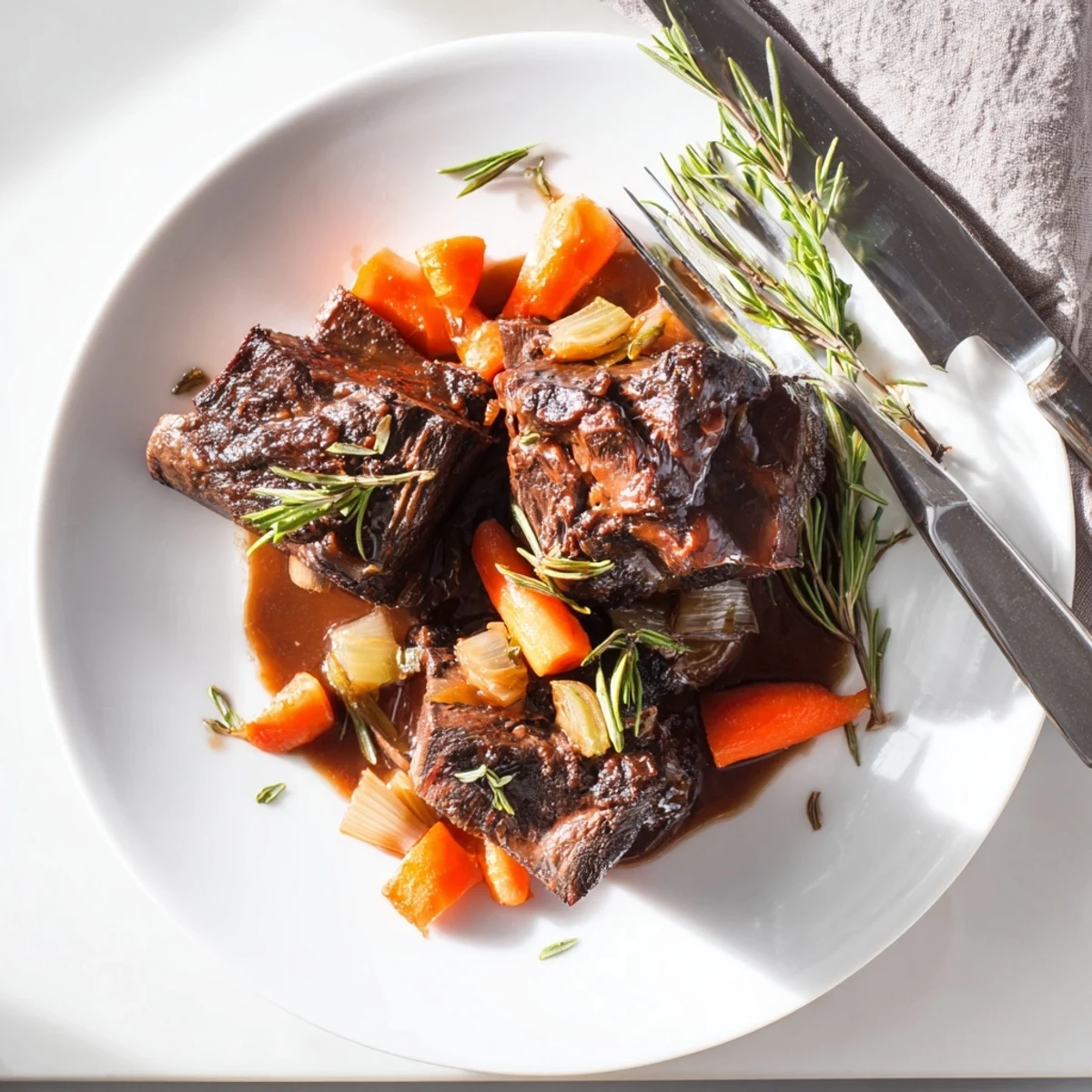
Save One rainy evening I pulled these from the oven and my daughter wandered into the kitchen asking if we could eat by candlelight. We did, and the ribs disappeared in contented silence, punctuated only by the sound of bread soaking up sauce. Those are the evenings that make cooking feel like the most worthwhile thing a person can do.
Serving Ideas That Really Work
Creamy mashed potatoes are the classic pairing and for good reason, they create the perfect bed for soaking up every drop of that wine sauce. Soft polenta is equally brilliant and feels slightly more rustic. A thick slice of crusty bread on the side is honestly all you need if you want to keep things simple.
Making It Ahead
If you are cooking for guests, make these ribs a full day ahead and refrigerate them in their sauce overnight. The fat solidifies on top and lifts off easily the next day, and the meat reheats gently in the sauce over low heat on the stove. The flavors deepen and meld in a way that same day cooking simply cannot match.
Smart Swaps and Adjustments
Chicken broth steps in seamlessly if you do not have beef broth on hand, and adding a handful of sliced mushrooms to the vegetable mix brings an earthy dimension that pairs wonderfully with the wine. The recipe is more forgiving than it sounds, so trust your instincts and taste as you go.
- If you cannot find bone in ribs, boneless work but reduce the braise time by about 30 minutes.
- Any dry red wine you enjoy drinking will perform well here, just avoid anything too sweet or heavily oaked.
- Always check your broth and wine labels if cooking for someone with dietary restrictions, hidden allergens can sneak in unexpectedly.
 Save
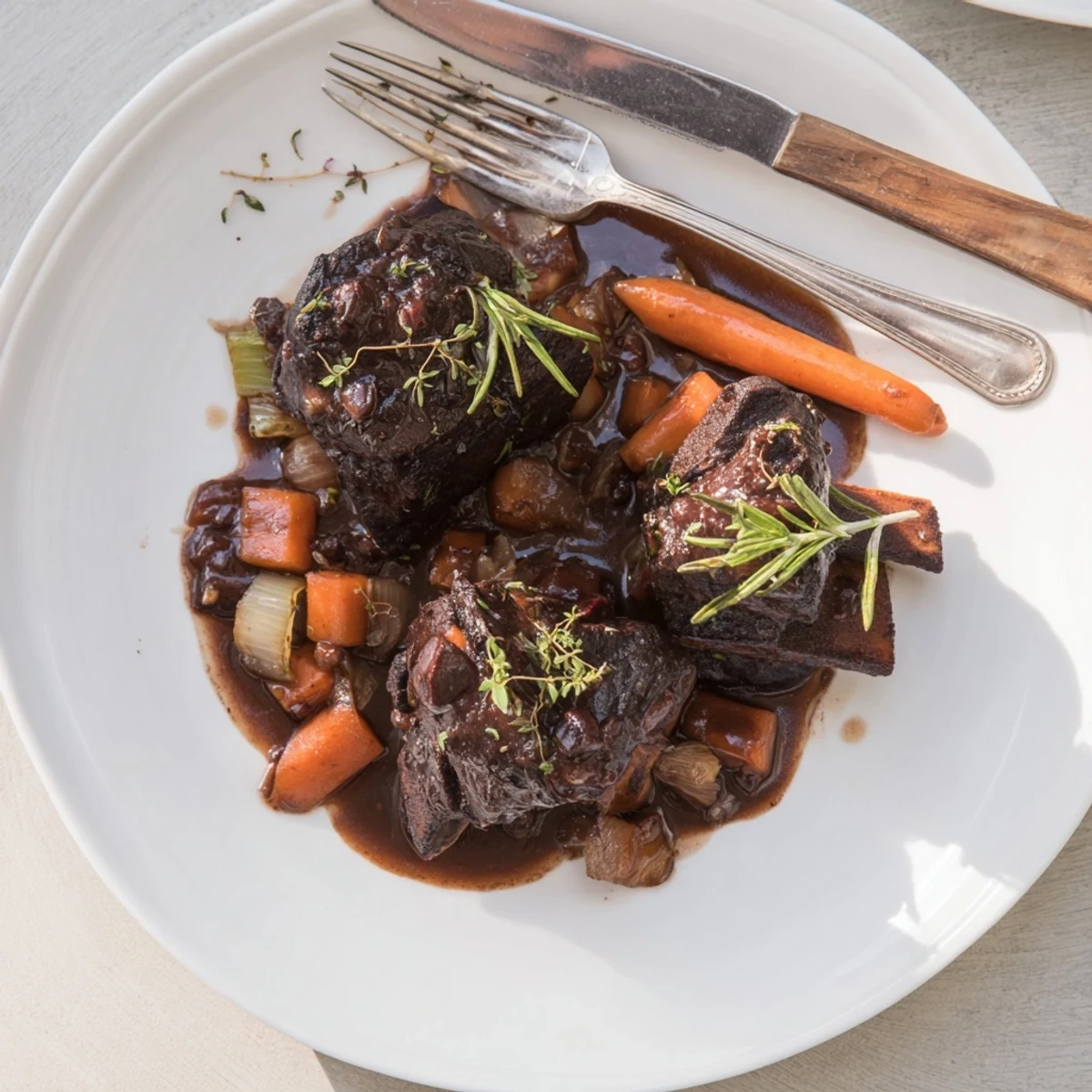
Save Some recipes become staples because they are easy, and others earn their place because they make people close their eyes and smile when they eat. These short ribs do both.
Questions & Answers
- → What cut of beef works best for braising?
-
Bone-in beef short ribs are ideal for braising because the bone adds richness and flavor to the sauce while the connective tissue breaks down into silky, tender meat. Boneless short ribs or chuck roast can also work well.
- → Can I make this without red wine?
-
Yes, you can substitute the red wine with additional beef broth combined with a tablespoon of balsamic vinegar or lemon juice to add acidity and depth. The flavor profile will be slightly different but still delicious.
- → Why do the ribs need to braise for so long?
-
Short ribs contain a lot of connective tissue and collagen that requires low, slow heat to break down. The 2.5 to 3 hour braise at 325°F allows the tough fibers to transform into gelatin, making the meat fork-tender and rich.
- → Can I prepare this a day ahead?
-
Absolutely. In fact, the flavors deepen and improve overnight. Let the ribs cool completely, refrigerate in their sauce, then gently reheat on the stovetop or in a 325°F oven until warmed through. The fat also solidifies on top, making it easy to remove before reheating.
- → What should I serve with braised short ribs?
-
Creamy mashed potatoes, buttery polenta, or egg noodles are classic choices that soak up the rich sauce. Crusty bread, roasted root vegetables, or a simple green salad also make excellent accompaniments.
- → Do I need a Dutch oven for this?
-
A Dutch oven is preferred because it goes seamlessly from stovetop searing to oven braising, and its heavy lid traps moisture. Any heavy ovenproof pot with a tight-fitting lid will work. Avoid lightweight pots that may allow steam to escape.