
 Save
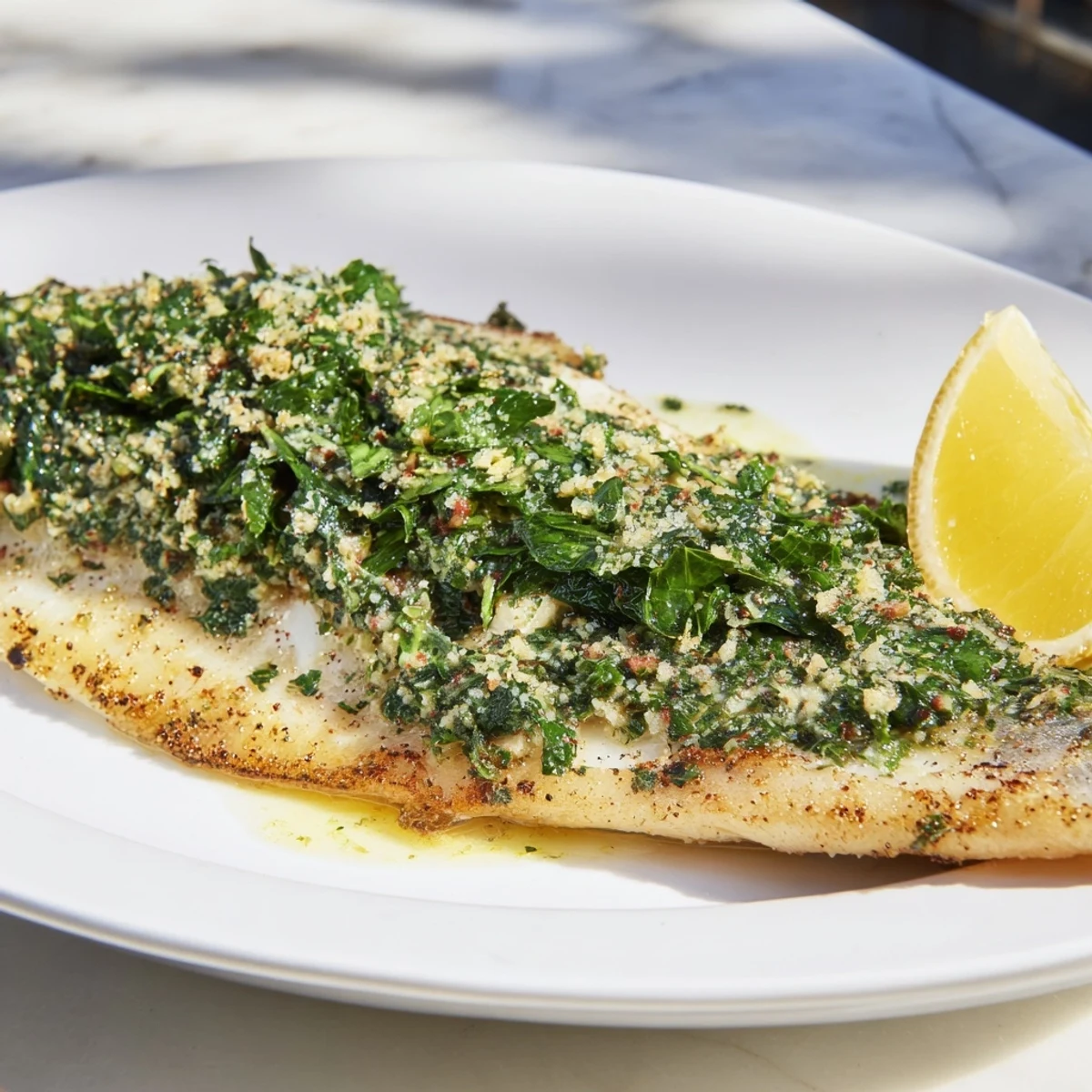
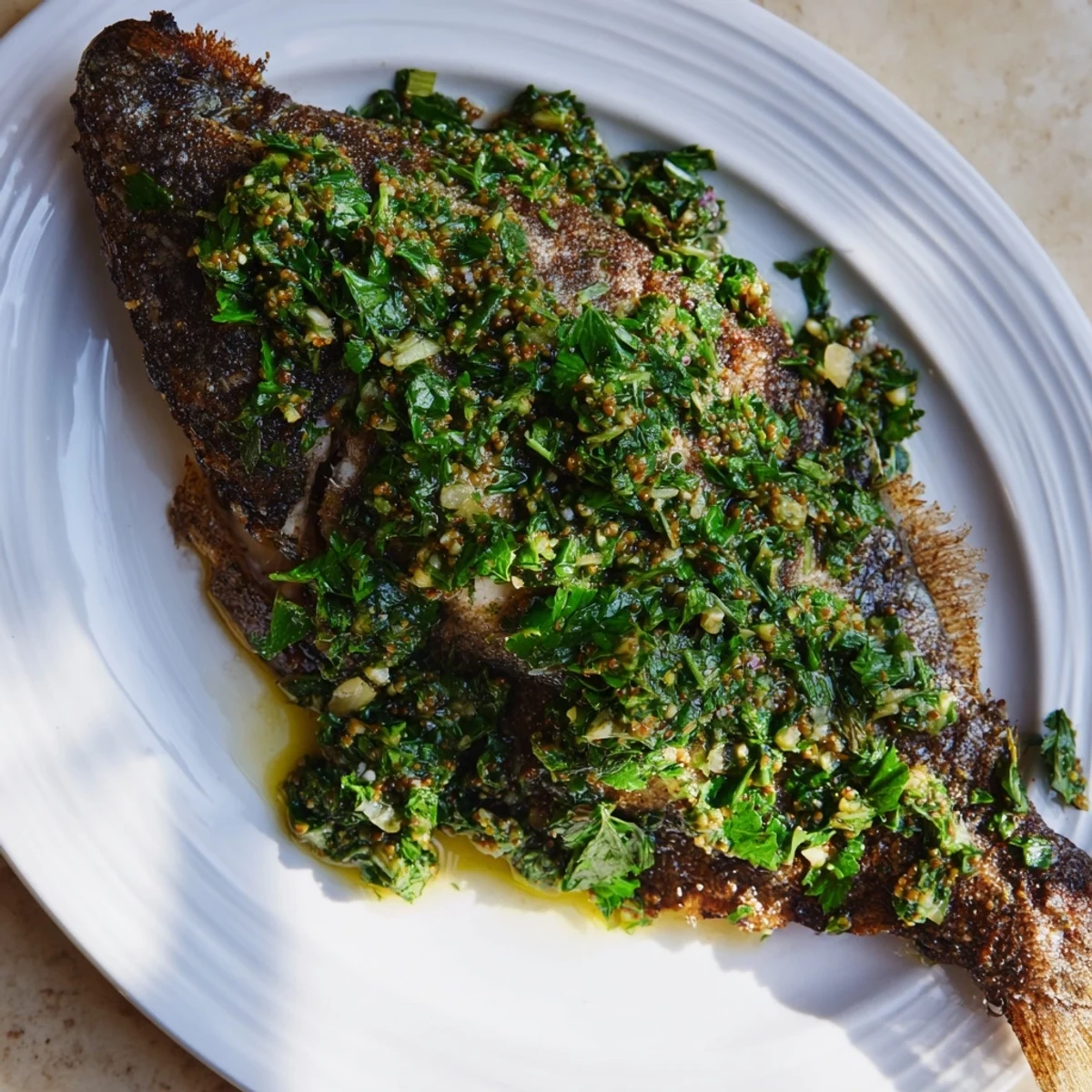
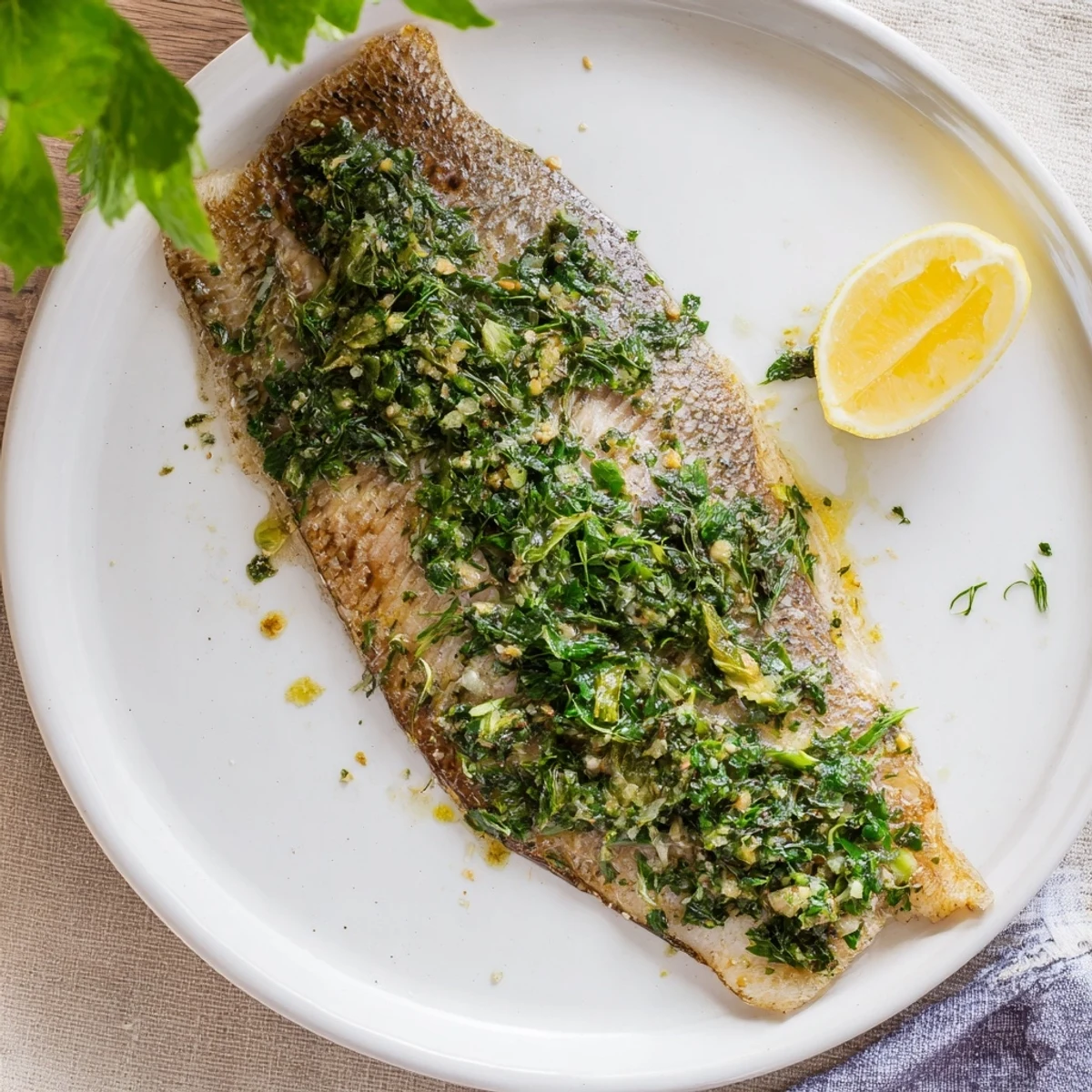
Save This dish features perfectly pan-seared sea bass fillets with crisp, golden skin complemented by a vibrant salsa verde made from parsley, basil, mint, capers, and lemon zest. The salsa’s fresh herbs and bright acidity elevate the mild sea bass, creating a balanced plate ideal for light, elegant dining. Quick to prepare and bursting with Mediterranean flavors, it pairs beautifully with steamed potatoes or roasted vegetables, bringing brightness and texture to every bite.
My neighbor brought me fresh sea bass one spring afternoon, still cold from the fishmonger, and I panicked because I'd never cooked it before. I remembered a salsa verde I'd tasted at a tiny coastal restaurant years ago and decided to trust my instincts. The skin crisped beautifully, the herbs sang, and I've been making it this way ever since.
I made this for my sister's birthday dinner on the patio, and she said it tasted like vacation. We ate slowly, soaking up every bit of that green sauce with crusty bread, and nobody wanted the night to end. It's become my go-to when I want something special without spending all day in the kitchen.
Ingredients
- Skin-on sea bass fillets: The skin is where all the magic happens, it crisps up like a savory cracker if you leave it alone in the pan.
- Olive oil for searing: Use regular olive oil here, not extra virgin, because it can handle the heat without smoking.
- Flat-leaf parsley: The backbone of the salsa, it brings a grassy freshness that curly parsley just can't match.
- Fresh basil and mint: These two make the salsa sing, basil adds sweetness and mint gives it a cool, unexpected lift.
- Capers: Tiny bursts of brine that cut through the richness of the fish and oil.
- Anchovy fillets: They dissolve into the sauce and add deep umami, not fishiness, trust me on this.
- Dijon mustard: It holds the salsa together and adds a subtle sharpness that balances the herbs.
- Red wine vinegar: Bright acidity that wakes up every other flavor in the bowl.
- Extra virgin olive oil for salsa: This is where you use the good stuff, it makes the sauce silky and luxurious.
- Lemon zest: A little citrus spark that ties the whole dish together.
Instructions
- Mix the salsa verde:
- Chop everything finely and stir it all together in a bowl until it looks like a vibrant, chunky emerald sauce. Let it sit while you cook the fish so the flavors can get to know each other.
- Dry and season the fish:
- Pat the fillets completely dry with paper towels, moisture is the enemy of crispy skin. Season both sides with salt and pepper, being generous with the skin side.
- Heat the pan:
- Get your skillet nice and hot over medium-high heat, then add the olive oil and let it shimmer. You'll hear a satisfying sizzle when the fish hits the pan.
- Sear skin-side down:
- Lay the fillets in carefully, skin down, and press gently with a spatula for the first 30 seconds to keep them flat. Let them cook undisturbed for 4 to 5 minutes until the skin is golden and releases easily.
- Flip and finish:
- Turn the fillets over gently and cook for just 2 to 3 minutes until the flesh turns opaque and flakes with a fork. Don't overcook or it'll turn dry and sad.
- Plate and top:
- Transfer the fish to plates, spoon that gorgeous green salsa over the top, and add a lemon slice. Serve it right away while the skin is still crackling.
 Save
Save One evening I served this to friends who claimed they didn't like fish, and they scraped their plates clean and asked for the recipe. It reminded me that good cooking isn't about complicated techniques, it's about respecting a few simple ingredients and letting them shine.
What to Serve Alongside
I love pairing this with tiny steamed potatoes tossed in butter and sea salt, or roasted asparagus with a squeeze of lemon. A crisp white wine or sparkling water with cucumber makes it feel like a real occasion, even on a weeknight.
How to Store and Use Leftovers
The fish is best eaten fresh, but leftover salsa verde keeps in the fridge for up to a week in a sealed jar. I've spooned it over grilled chicken, scrambled eggs, roasted vegetables, even stirred it into pasta with a splash of pasta water.
Adjustments and Swaps
If you can't find sea bass, try branzino, snapper, or even salmon, anything with skin that can crisp. You can skip the anchovies if you're nervous, but I'd add a pinch of extra salt to make up for the savory depth.
- Swap mint for tarragon if you want a more French vibe.
- Use lime instead of lemon for a slightly sweeter, tropical twist.
- Add a pinch of red pepper flakes to the salsa if you like a little heat.
 Save
Save This dish taught me that restaurant-quality food doesn't require fancy equipment or years of training, just patience and a little trust. I hope it becomes one of your favorites too.
Questions & Answers
- → How do I achieve crispy skin on the sea bass fillets?
-
Pat the fillets dry before cooking and press them gently skin-side down in a hot pan with olive oil. Avoid moving them while cooking to ensure crispness.
- → Can I omit anchovies in the salsa verde?
-
Yes, skipping anchovies results in a milder salsa without sacrificing the vibrant herb flavors.
- → What herbs are used in the salsa verde?
-
Parsley, fresh basil, and mint combine to create the bright, fresh base of the salsa verde.
- → What sides complement this sea bass dish?
-
Steamed new potatoes or roasted seasonal vegetables pair well with the bright, herby flavors of the fish and salsa.
- → How long does the preparation and cooking take?
-
Preparation and cooking each take about 15 minutes, making the total time approximately 30 minutes.