
 Save
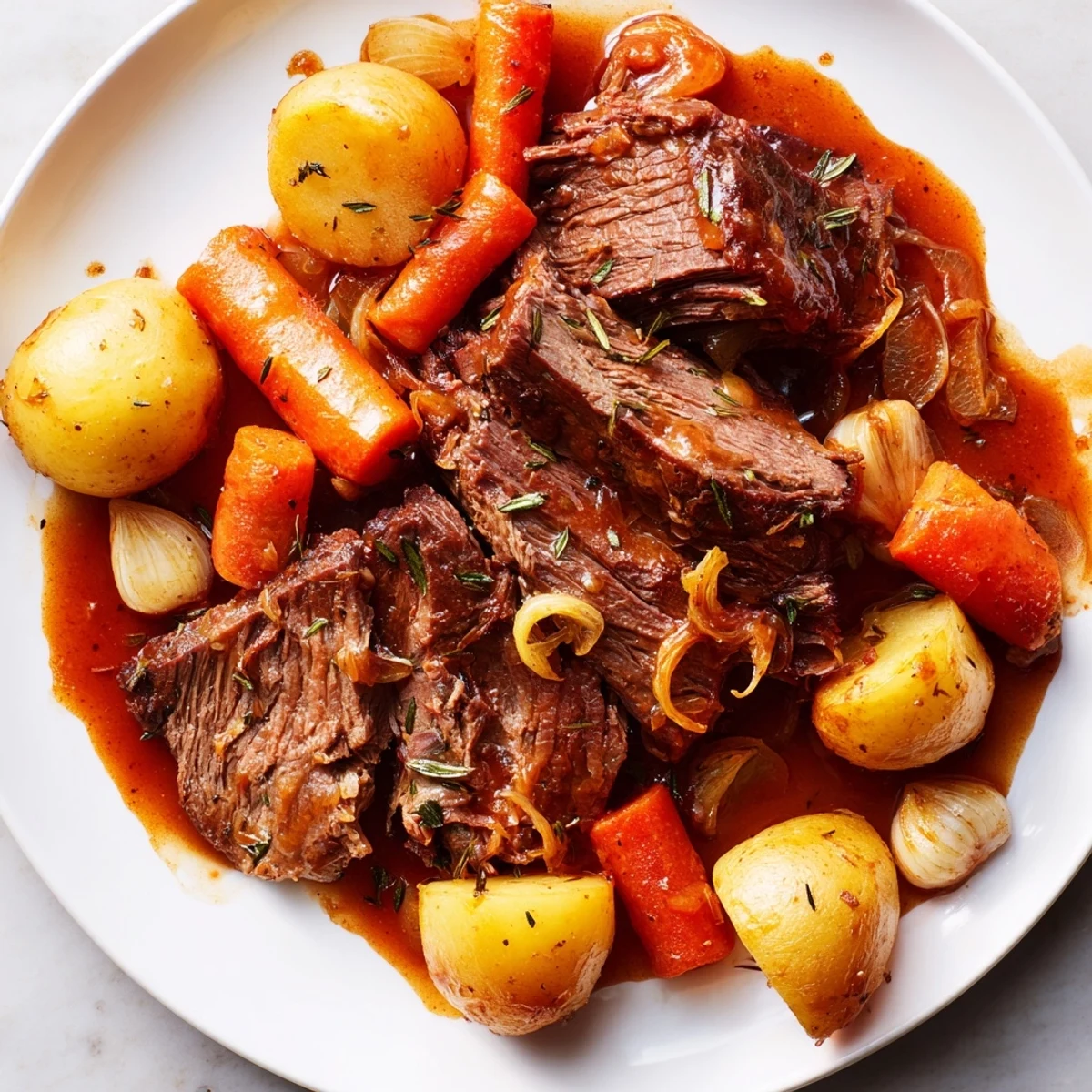
Save This classic American pot roast features a 3 to 4 pound beef chuck roast seared to perfection, then slow-braised in the oven at 325°F for nearly 3 hours alongside carrots, Yukon gold potatoes, celery, and onions.
The cooking liquid combines beef broth, dry red wine, and tomato paste, infused with thyme, rosemary, and bay leaves for deep, savory flavor.
Each fork-tender serving delivers 41 grams of protein and pairs beautifully with pan juices drizzled over the tender vegetables.
The screen door would slam shut just as my grandmother pulled her cast iron Dutch oven from the oven, and the whole kitchen would fill with this deep, savory aroma that made your stomach growl before you even saw what was inside. She never used a recipe, just her hands and her instincts, and somehow that roast came out perfect every single Sunday. I spent years trying to recreate it, burning my first three attempts before I understood that patience, not talent, was the real secret. This recipe is the one that finally got me there.
One January evening, my power went out for six hours right in the middle of cooking this roast, and I finished it on a camp stove in my garage while my neighbor stood in the doorway holding a flashlight and a bottle of Cabernet. We ate it sitting on overturned buckets, and honestly it was one of the best meals I have ever had. That pot roast does not care about your kitchen situation, it just wants low heat and time.
Ingredients
- 1 (3 to 4 pound) beef chuck roast: Chuck is the only cut you should use here because the marbling breaks down during the long braise and creates that pull apart tenderness everyone craves.
- 3 large carrots, peeled and cut into 2 inch pieces: Cut them thick so they hold their shape through hours of cooking without turning to mush.
- 4 medium Yukon gold potatoes, quartered: Yukon golds stay creamy inside while absorbing the braising liquid like little sponges.
- 2 celery stalks, cut into 2 inch pieces: Celery disappears into the background but adds a subtle earthy sweetness you would miss if it were gone.
- 1 large yellow onion, sliced: The onion caramelizes in the pot and forms the flavor backbone of the entire dish.
- 4 garlic cloves, smashed: Smashing instead of chopping gives you mellow, sweet garlic flavor that permeates the broth without bitterness.
- 2 cups beef broth: Use a good quality broth and check the label for gluten if that matters to you, because the cheap stuff tastes like salt water.
- 1 cup dry red wine: This is optional but the acid in wine does something magical to the beef that broth alone cannot replicate.
- 2 tablespoons tomato paste: A small amount adds umami depth and helps the sauce develop a rich, deep color.
- 2 teaspoons kosher salt and 1 teaspoon black pepper: Season generously on all sides of the meat before searing for the best crust.
- 1 teaspoon dried thyme and 1 teaspoon dried rosemary: These two herbs are the classic pot roast pairing and they infuse the entire pot with warmth.
- 2 bay leaves: Do not forget to remove these before serving because biting into a bay leaf is an unpleasant surprise.
- 2 tablespoons olive oil: Just enough to get a hard sear on the meat before the slow braise begins.
Instructions
- Get the oven ready:
- Preheat your oven to 325 degrees Fahrenheit and make sure the rack is positioned in the lower third so your Dutch oven fits comfortably with the lid on.
- Season and sear the meat:
- Pat the chuck roast completely dry with paper towels and season all over with salt and pepper. Heat olive oil in your Dutch oven over medium high heat until it shimmers, then sear the roast for 3 to 4 minutes per side until you get a deep golden brown crust all over, and do not rush this step because that crust is where flavor lives.
- Build the vegetable base:
- Remove the roast and set it aside on a plate. In the same pot with all those beautiful browned bits, add the onions, carrots, and celery, sauteing for about 5 minutes until the onions soften and pick up some color.
- Add garlic and tomato paste:
- Stir in the smashed garlic and tomato paste, cooking for just one minute until everything smells incredible and the paste darkens slightly.
- Deglaze with wine:
- Pour in the red wine and scrape up every last bit from the bottom of the pot because that fond is concentrated flavor. Let the wine reduce by half, which takes about 2 to 3 minutes, and you will notice the sharp alcohol smell mellow into something rich and inviting.
- Bring it all together:
- Nestle the roast back into the pot, then tuck the potatoes, thyme, rosemary, and bay leaves around it. Pour in the beef broth so it comes about halfway up the sides of the meat, then bring everything to a gentle simmer on the stovetop.
- Braise low and slow:
- Cover with the lid and transfer the whole pot to the oven. Let it braise undisturbed for 2.5 to 3 hours, and you will know it is done when a fork slides into the meat with zero resistance, like cutting through warm butter.
- Rest and serve:
- Remove the roast and vegetables to a serving platter, discard the bay leaves, and skim off any excess fat from the pan juices. Slice or shred the beef and ladle everything with those rich juices, because that sauce is liquid gold.
 Save
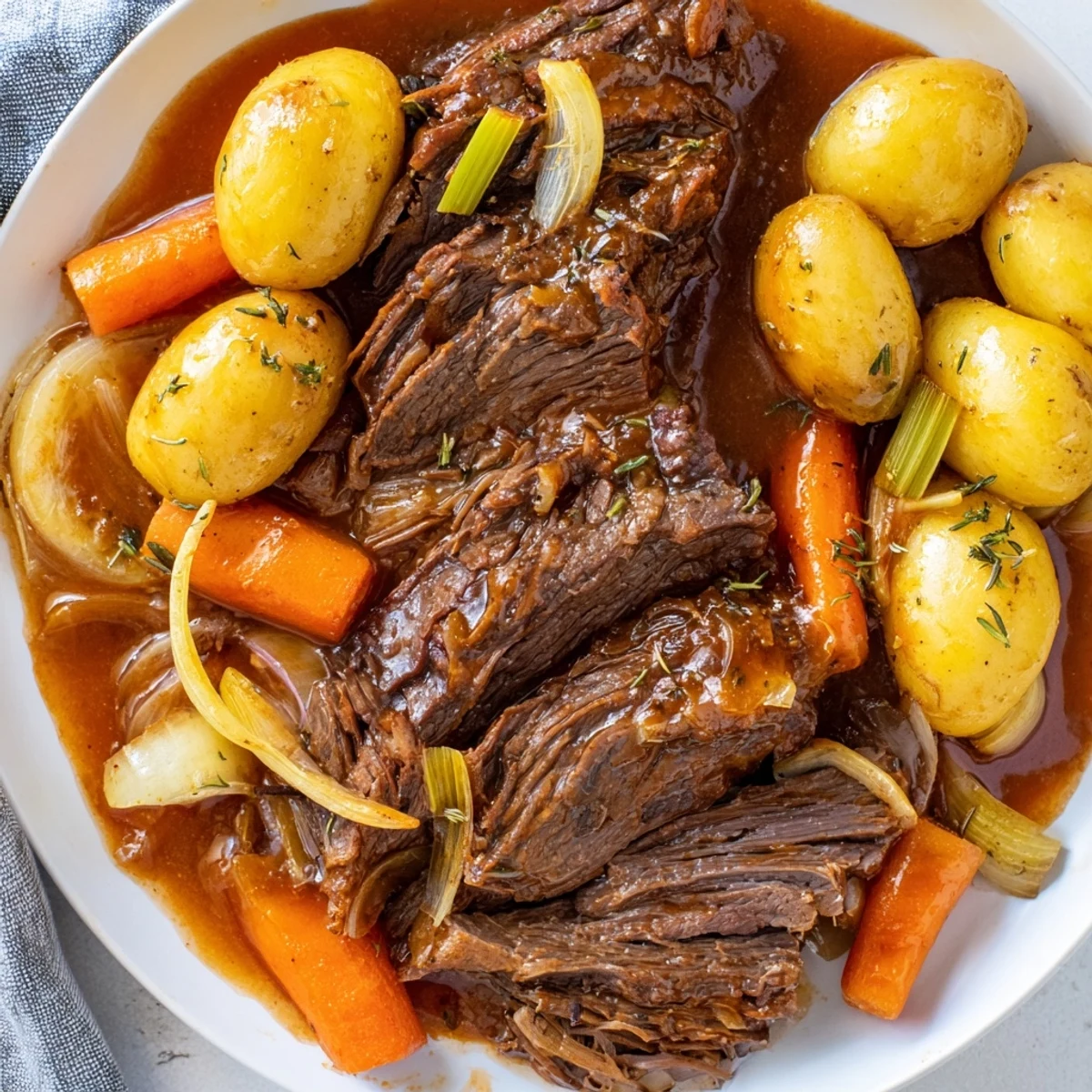
Save The moment this dish transcends ordinary dinner is when you watch someone take their first bite and their eyes close without permission. That involuntary reaction is the highest compliment a home cook can receive.
Choosing the Right Cut
Not all roasts are created equal, and I learned this the hard way when I tried making pot roast with a lean sirloin that dried out like shoe leather. You need a cut with connective tissue and fat that will slowly melt into gelatin during the long cook, and chuck is king for exactly this reason. Round roast looks similar but lacks the marbling, and brisket works but has a different texture and needs even more time.
Making It Your Own
Once you have the basic technique down, this recipe becomes a canvas for whatever you have on hand or whatever mood strikes you. I have tossed in parsnips on a whim and mushrooms when I needed to use them up, and both additions were stellar. The wine is flexible too, so use whatever you enjoy drinking because the flavor concentrates as it cooks down.
Serving and Storing
Pot roast is one of those rare dishes that actually tastes better the next day, which makes it perfect for planning ahead or intentional leftovers. The sauce thickens as it sits and the flavors meld overnight into something even more cohesive and satisfying.
- Store the meat and vegetables in the braising liquid in the refrigerator so nothing dries out.
- Reheat gently on the stovetop over low heat rather than using the microwave for the best texture.
- Frozen leftovers keep beautifully for up to three months, just thaw overnight in the fridge before reheating.
 Save
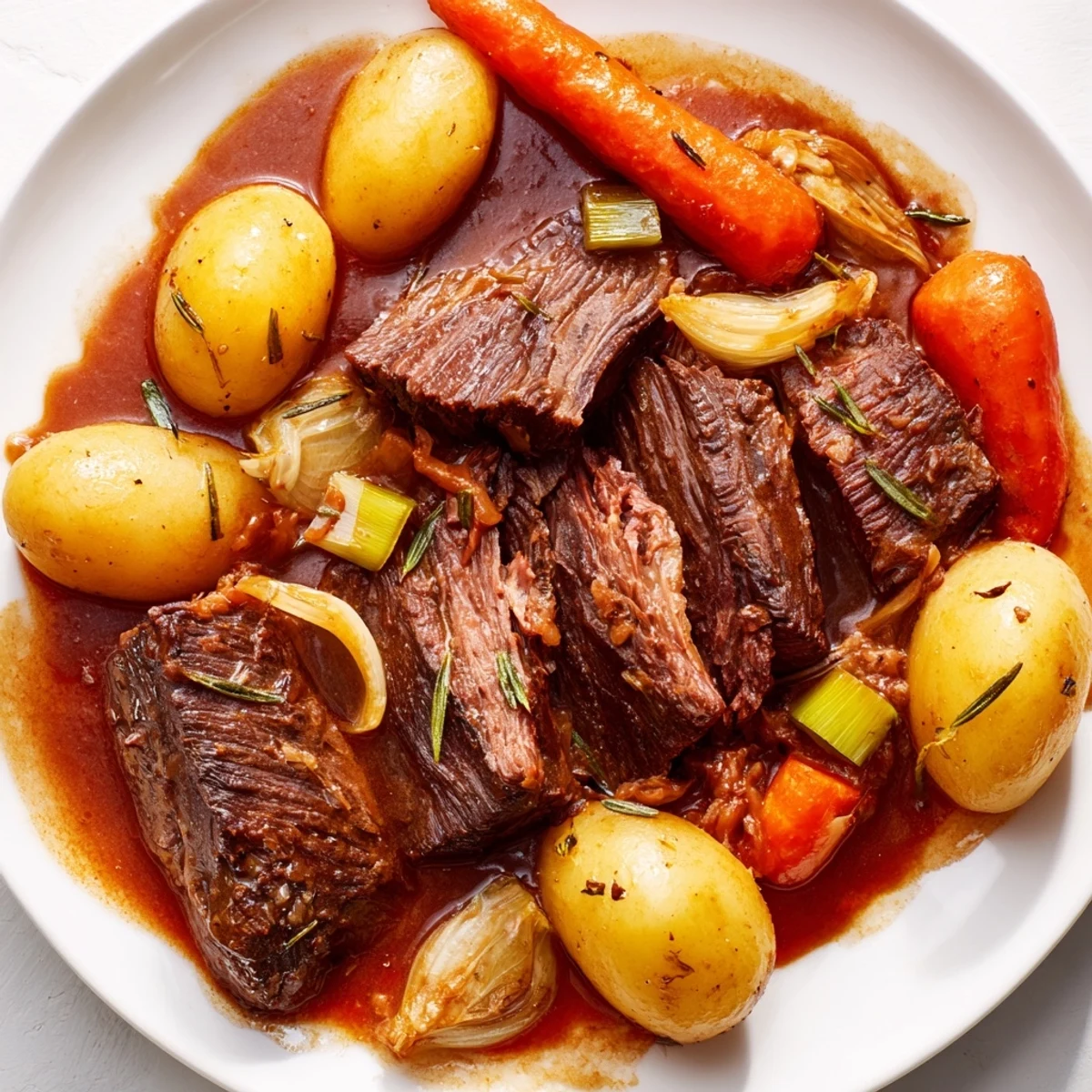
Save Some recipes feed people, and this one gathers them. Make it on a cold evening with people you love nearby, and let the oven do the rest.
Questions & Answers
- → What cut of beef works best for pot roast?
-
Beef chuck roast is the ideal choice because its marbling and connective tissue break down during slow cooking, resulting in tender, flavorful meat that shreds easily with a fork.
- → Can I make this without red wine?
-
Yes, simply substitute the wine with an equal amount of additional beef broth. The dish will still develop rich flavor from the tomato paste, herbs, and caramelized vegetables.
- → How do I know when the pot roast is done?
-
The roast is ready when it is fork-tender, meaning a fork slides in and out of the meat with almost no resistance. This typically takes 2.5 to 3 hours at 325°F in the oven.
- → Can I add other vegetables to the pot?
-
Absolutely. Mushrooms and parsnips are excellent additions that complement the existing root vegetables. Add them at the same time as the potatoes for even cooking.
- → How can I thicken the pan juices into a gravy?
-
After removing the roast and vegetables, simmer the pan juices on the stovetop and whisk in a slurry of 1 tablespoon cornstarch mixed with 2 tablespoons cold water until it reaches your desired consistency.