
 Save
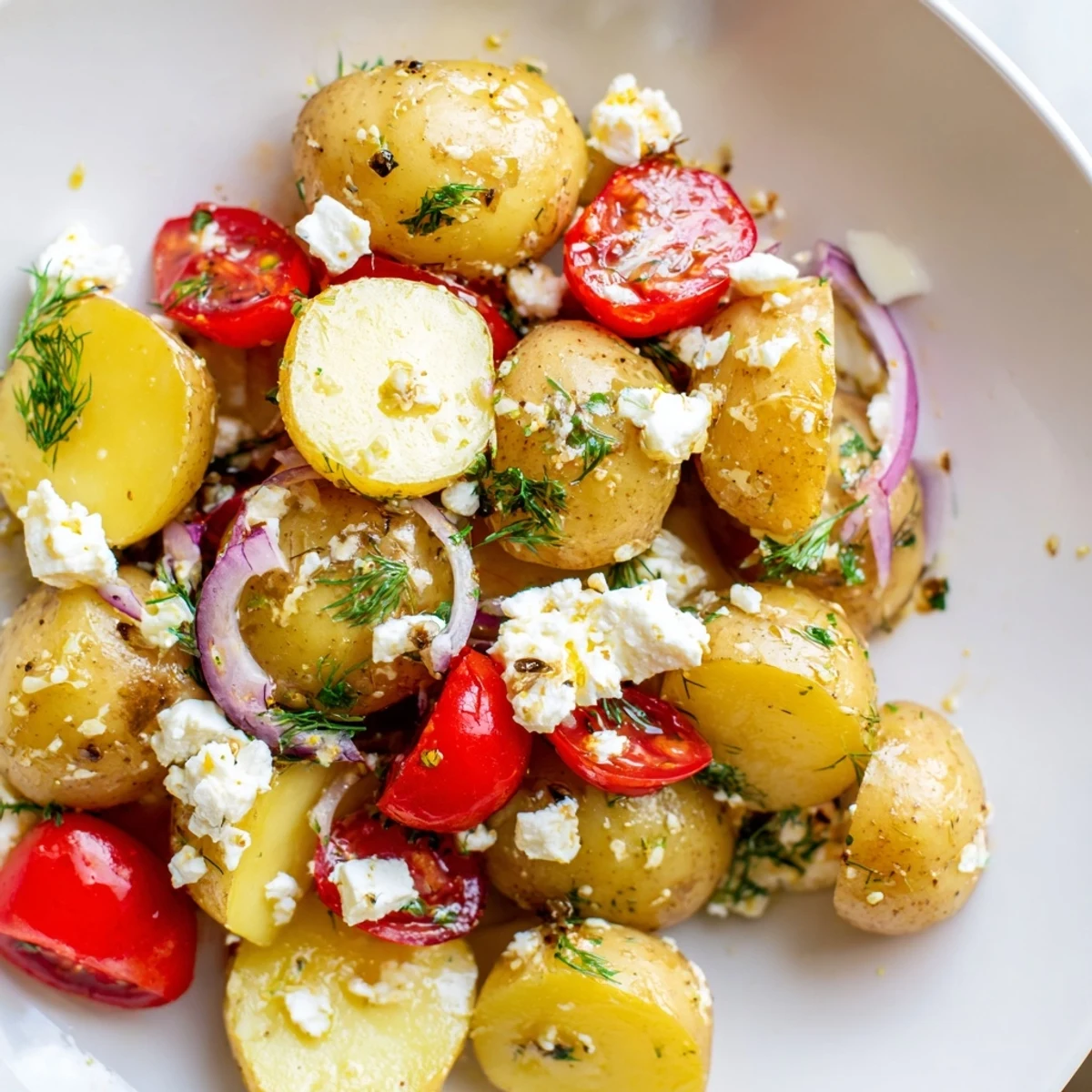
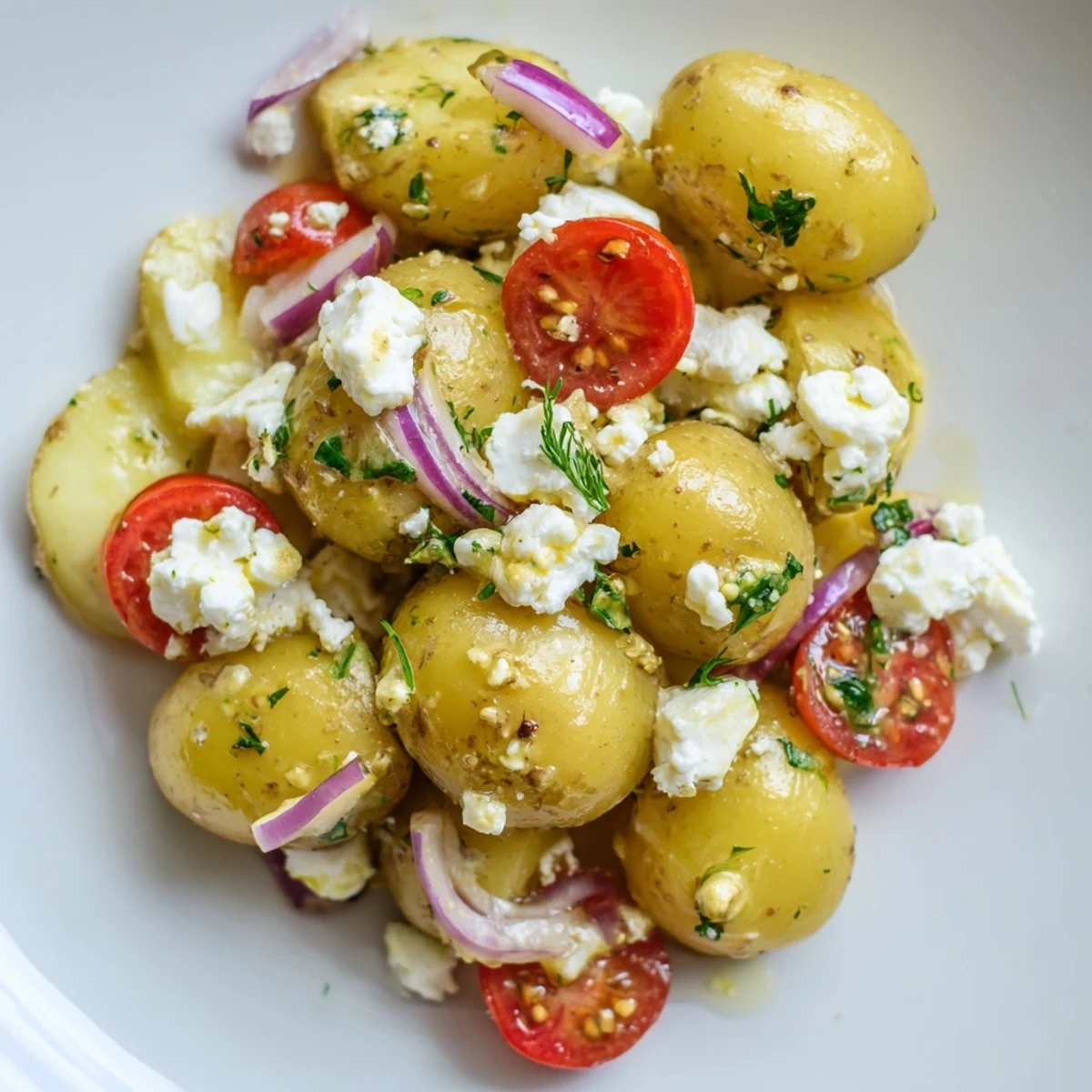
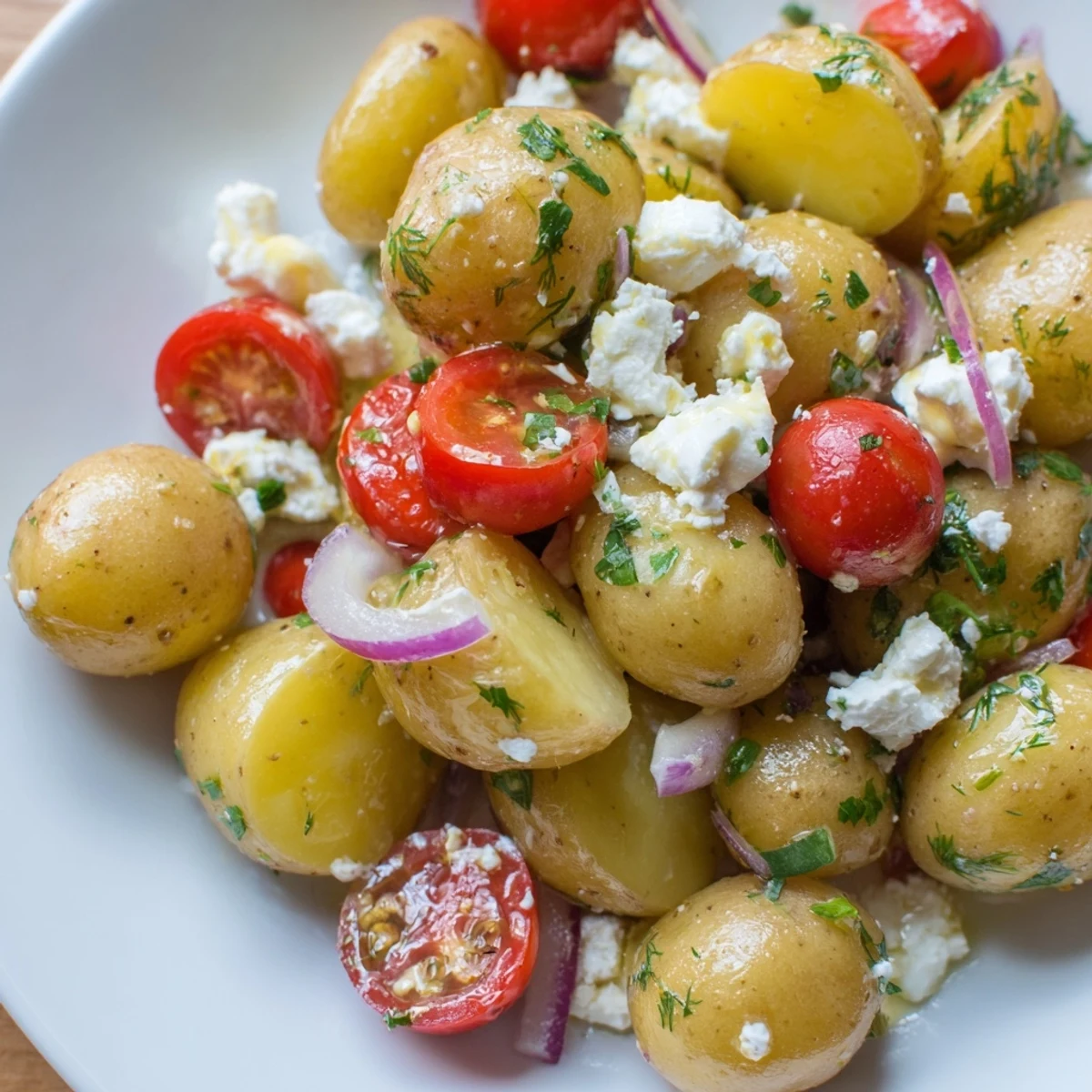
Save This Mediterranean-inspired potato and feta salad combines tender baby potatoes with crumbled feta cheese, juicy cherry tomatoes, and a vibrant mix of fresh parsley and dill.
The warm potatoes are dressed while still hot, allowing them to soak up olive oil and freshly squeezed lemon juice for maximum flavor. A tangy Dijon mustard and garlic dressing ties everything together beautifully.
Ready in just 35 minutes, it works wonderfully as a barbecue side, a light lunch, or part of a mezze spread. It's naturally vegetarian and gluten-free, serving four generously.
The summer my neighbor Elena brought over a bowl of something that smelled like a Greek hillside, I was standing in my kitchen trying to figure out what to do with a bag of forgotten baby potatoes. One bite of that tangy, herb flecked salad and I practically demanded the recipe on the spot. She laughed, handed me a lemon from her tree, and told me the secret was dressing the potatoes while they were still warm. I have been making this salad ever since, tweaking it each time until it became the dish everyone asks me to bring to gatherings.
I once made a triple batch of this for a rooftop potluck, fully expecting leftovers, and watched people scrape the bowl clean before the grilled chicken even came off the coals. My friend Marco called it the potato salad that ruined all other potato salads, and honestly I understood exactly what he meant.
Ingredients
- 700 g baby potatoes: Scrubbed and left whole if small, halved if larger, Yukon Golds work beautifully too because their creamy texture holds up without turning mushy.
- 100 g cherry tomatoes: Halved so their sweetness mingles with the dressing, and try to find ripe ones because pale tomatoes will drag the whole dish down.
- 1 small red onion: Thinly sliced and soaked in cold water for five minutes if you find raw onion too sharp, a trick I learned from Elena that changes everything.
- 150 g feta cheese: Crumbled by hand rather than cut with a knife, because rough crumbles melt into the salad in the most satisfying way and give you those salty little surprises in every bite.
- 3 tbsp fresh parsley: Chopped just before adding to keep the flavor bright, and flat leaf parsley is the only way to go here.
- 2 tbsp fresh dill: The herb that makes this taste unmistakably Mediterranean, so do not skip it or try to substitute dried unless you absolutely must.
- 4 tbsp extra virgin olive oil: Split between the initial potato coating and the dressing, and use the good stuff because you will taste every drop.
- 2 tbsp freshly squeezed lemon juice: Poured over warm potatoes so they drink it in like a sponge, and one decent lemon should give you exactly what you need.
- 1 tsp Dijon mustard: Acts as the emulsifier that holds the dressing together and adds a subtle warmth without screaming mustard.
- 1 garlic clove: Minced finely so it distributes evenly without overpowering anyone, and smash it with the flat of your knife first to release the oils.
- Salt and freshly ground black pepper: Added to taste at two different stages, because seasoning in layers is what separates a good salad from a great one.
Instructions
- Cook the potatoes:
- Drop the scrubbed potatoes into a large pot of well salted boiling water and let them cook for 15 to 20 minutes until a fork slides through the center with zero resistance. Drain them gently and spread them out so they cool just enough to handle without burning your fingers.
- Cut and coat while warm:
- Chop the potatoes into generous bite sized pieces and tumble them into your biggest salad bowl, then immediately pour over half the olive oil and all the lemon juice. Toss gently with your hands or a large spoon, letting each piece glisten and start absorbing that bright acidity.
- Build the salad:
- Scatter the halved cherry tomatoes and drained red onion slices over the potatoes, then shower everything with the chopped parsley and dill. Do not toss yet, just let it all sit there looking like a painting you are about to mess up in the best way.
- Whisk the dressing:
- In a small bowl, whisk together the remaining olive oil, Dijon mustard, minced garlic, a good pinch of salt, and several grinds of black pepper until the mixture looks creamy and unified. Pour it over the salad and fold everything together with a gentle hand so the potatoes stay intact.
- Add the feta and finish:
- Crumble the feta over the top using your fingers, letting the chunks fall where they may, then fold it through once or twice so it distributes without disappearing completely. Taste a potato right now and add more salt or pepper if it needs it, then serve however you like.
 Save
Save There is something quietly wonderful about a dish that tastes better at room temperature than it does piping hot, like it was designed for the pace of real life. I have eaten this standing over the kitchen counter, sitting on a blanket at the park, and once balanced on my lap during a very bumpy road trip.
Serving Ideas
This salad is a natural beside anything grilled, but it also holds its own as a light lunch with nothing more than crusty bread and a glass of cold white wine. I have piled it onto toasted sourdough for a sort of deconstructed sandwich, and that was a very good decision at two in the afternoon on a lazy Saturday.
Making It Your Own
Toss in a handful of kalamata olives or capers if you want briny pops of salt throughout, or swap the dill for fresh mint if you are leaning toward a brighter flavor profile. Roasted red peppers, cucumber chunks, or even a handful of arugula folded in at the last minute are all welcome additions that never feel like cheating.
Storage and Leftovers
Keep it covered in the fridge for up to three days, though honestly it rarely lasts that long in my house. The potatoes firm up when chilled and the flavors deepen overnight, making leftovers something you actually look forward to. A few things to keep in mind as you go:
- Bring it back to room temperature for about twenty minutes before serving if it has been in the fridge, because cold olive oil seizes up and mutes the flavor.
- If the salad seems dry the next day, a tiny drizzle of olive oil and a squeeze of lemon will bring it right back to life.
- Give it one last gentle toss before serving because the dressing always settles to the bottom overnight.
 Save
Save Some recipes earn a permanent spot in your rotation because they ask so little and give so much back, and this potato and feta salad is exactly that kind of quiet hero. Make it once and you will find yourself reaching for it every time the weather turns warm or you need something reliable to share.
Questions & Answers
- → Can I make potato and feta salad ahead of time?
-
Yes, this salad actually tastes better after resting for a few hours as the flavors meld together. You can prepare it up to a day in advance and store it covered in the refrigerator. Bring it to room temperature before serving for the best flavor.
- → What type of potatoes work best for this salad?
-
Baby potatoes or Yukon Gold varieties are ideal because they hold their shape well after boiling and have a creamy, buttery texture. Waxy potatoes resist breaking apart when tossed with the dressing and other ingredients.
- → Should I serve this salad warm or cold?
-
This salad is versatile and delicious served warm, at room temperature, or chilled. Serving it while the potatoes are still warm helps them absorb the dressing more effectively, but the flavors remain excellent even after refrigeration.
- → What can I substitute for feta cheese?
-
Goat cheese crumbles work as a tangy alternative to feta. For a dairy-free version, try marinated tofu cubes seasoned with lemon juice and nutritional yeast. Ricotta salata is another excellent Mediterranean-style substitute with a similar crumbly texture.
- → How long does leftover potato feta salad last in the fridge?
-
Store leftovers in an airtight container in the refrigerator for up to 3 days. The texture may change slightly as the potatoes absorb more dressing, but the flavor will remain delicious. Give it a gentle toss before serving again.
- → What main dishes pair well with this Mediterranean salad?
-
This salad pairs beautifully with grilled fish, roasted chicken, lamb kebabs, or falafel. It also works well alongside other Mediterranean dishes like hummus, tabbouleh, or stuffed grape leaves for a complete mezze-style spread.