
 Save
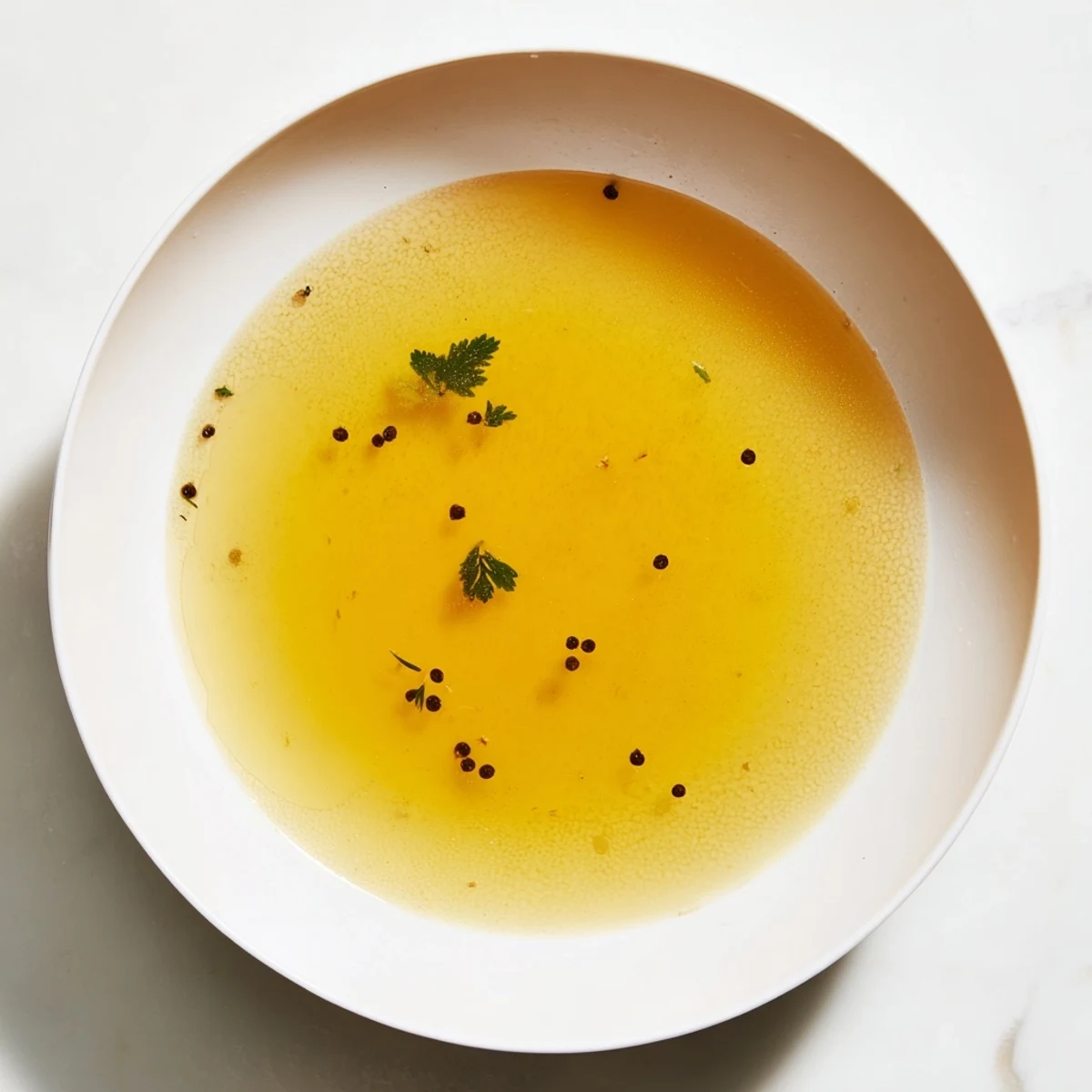
Save This deeply flavored stock is created by roasting marrow and knuckle beef bones along with carrots, celery, onions, and herbs to build a rich, savory base. The slow simmering process extracts maximum flavor and gelatin, resulting in a nutrient-rich liquid perfect for enhancing soups, stews, and sauces. Roasting develops complexity, while gentle simmering ensures clarity. Cooling and skimming fat creates a clean finish that can be refrigerated or frozen for versatile use.
I still remember the first time I truly understood what makes a great stock. I was standing in my kitchen on a cold winter morning, the smell of roasting bones and caramelized vegetables filling the air, and I realized this wasn't just cooking—it was building flavor from the ground up. That moment changed how I approached every soup, stew, and sauce I've made since. A proper beef stock is like liquid gold in the kitchen, the foundation that transforms simple ingredients into something truly memorable.
I made this stock for the first time for my partner's birthday dinner, when I was determined to make everything from scratch. Watching their face light up when they tasted the beef consommé I'd created using this exact method—that's when I knew I'd discovered something special worth mastering.
Ingredients
- Beef bones (1.5 kg marrow and knuckle bones): These are your flavor engine—marrow bones release gelatin that gives the stock body and richness, while knuckle bones add depth. Don't skip the roasting; it's what separates real stock from weak broth
- Beef shank or stew meat (500 g, optional): This adds meatiness and richer flavor if you want an even more substantial stock. I use it when I'm making something special
- Carrots (2 large, roughly chopped): Chop them rough—you want maximum surface area for caramelization, and you'll be discarding them anyway
- Celery stalks (2, roughly chopped): This is your umami secret; celery adds a subtle sweetness and depth that people can't quite identify but absolutely taste
- Onions (2 medium, quartered): Keep the papery skin on—it adds color and flavor compounds that are pure gold
- Leek (1, cleaned and roughly chopped): This is optional, but it brings a subtle sweetness that makes the stock taste more refined
- Garlic (1 head, halved horizontally): Halving it lengthwise lets the cut sides caramelize beautifully and release their sweet, mellow flavor
- Tomato paste (2 tbsp): This is the secret weapon—it adds color, umami, and a subtle acidity that rounds everything out
- Bay leaves (2): Aromatic foundations that whisper flavor rather than shout it
- Black peppercorns (1 tsp whole): Whole peppercorns stay subtle; ground pepper would muddy your beautiful clear stock
- Fresh thyme (5 sprigs or 1 tsp dried): That herbal, almost minty note that makes stock taste like comfort
- Parsley stems (10): Everyone throws these away, but they're packed with flavor and completely different from the leaves
- Salt (1 tsp, optional): Go light here—you can always add more later, but you can't take it out
- Cold water (4 liters): Starting with cold water and slowly bringing it to a simmer is the key to clarity; hot water makes the stock cloudy
Instructions
- Roast your bones and meat:
- Preheat your oven to 220°C (425°F) and arrange the beef bones and shank in a single layer on a roasting pan. Let them roast for 30 to 40 minutes, turning them halfway through. You're looking for deep golden-brown color—this is where all the magic happens. Your kitchen will smell incredible, and that's your signal you're on the right track.
- Add the vegetables for color:
- Now scatter your roughly chopped carrots, celery, onions, and leek around the bones. The heat is intense, so these vegetables will caramelize and char slightly—that's exactly what you want. Roast everything together for another 15 minutes until the vegetables have taken on rich color at the edges.
- Build your flavor base:
- Transfer the bones and vegetables to your largest stockpot. Go back to the roasting pan, spoon off any excess fat (save a little—it helps with flavor), and place it over medium heat. Add your tomato paste and let it sit for a minute, then pour in about 1 cup of water and scrape up all those browned, flavorful bits stuck to the bottom. This is called deglazing, and it's like capturing liquid gold. Pour everything into your stockpot.
- Add your aromatics and liquid:
- Now add your halved garlic head, bay leaves, peppercorns, thyme sprigs, parsley stems, and salt. Pour in your remaining cold water until everything is just covered. The cold water is important—it will slowly extract all the flavors as it heats.
- Bring to a gentle simmer:
- Turn the heat to medium and let it slowly come to a gentle simmer. This is patience work—don't rush it. As it heats, you'll see foam and impurities rise to the surface. Grab a ladle and skim these off carefully. This step is what gives you a clear, beautiful stock. Keep skimming for the first 20 minutes or so.
- Let it simmer low and slow:
- Reduce your heat to low and let the stock simmer gently, uncovered, for at least 4 hours. If you have time, 8 hours is even better—the flavor just keeps deepening. Occasionally skim any foam that rises and add a splash of water if needed to keep ingredients submerged. This is the hardest part: resisting the urge to rush it.
- Strain and cool:
- After your time is up, remove the pot from heat and carefully pour everything through a fine-mesh sieve into a large bowl. Discard all the solids—they've given you everything they have. To cool it quickly (which prevents bacterial growth), place the bowl in an ice bath and let the stock come down to room temperature, stirring occasionally.
- Finish and store:
- Once chilled, you'll notice fat has solidified on top. Skim this off with a spoon—or leave a little for flavor if you prefer. Your stock is now ready to use, or transfer to containers for the refrigerator (up to 5 days) or freezer (up to 3 months). For convenience, freeze it in ice cube trays so you have little flavor bombs ready whenever you need them.
 Save
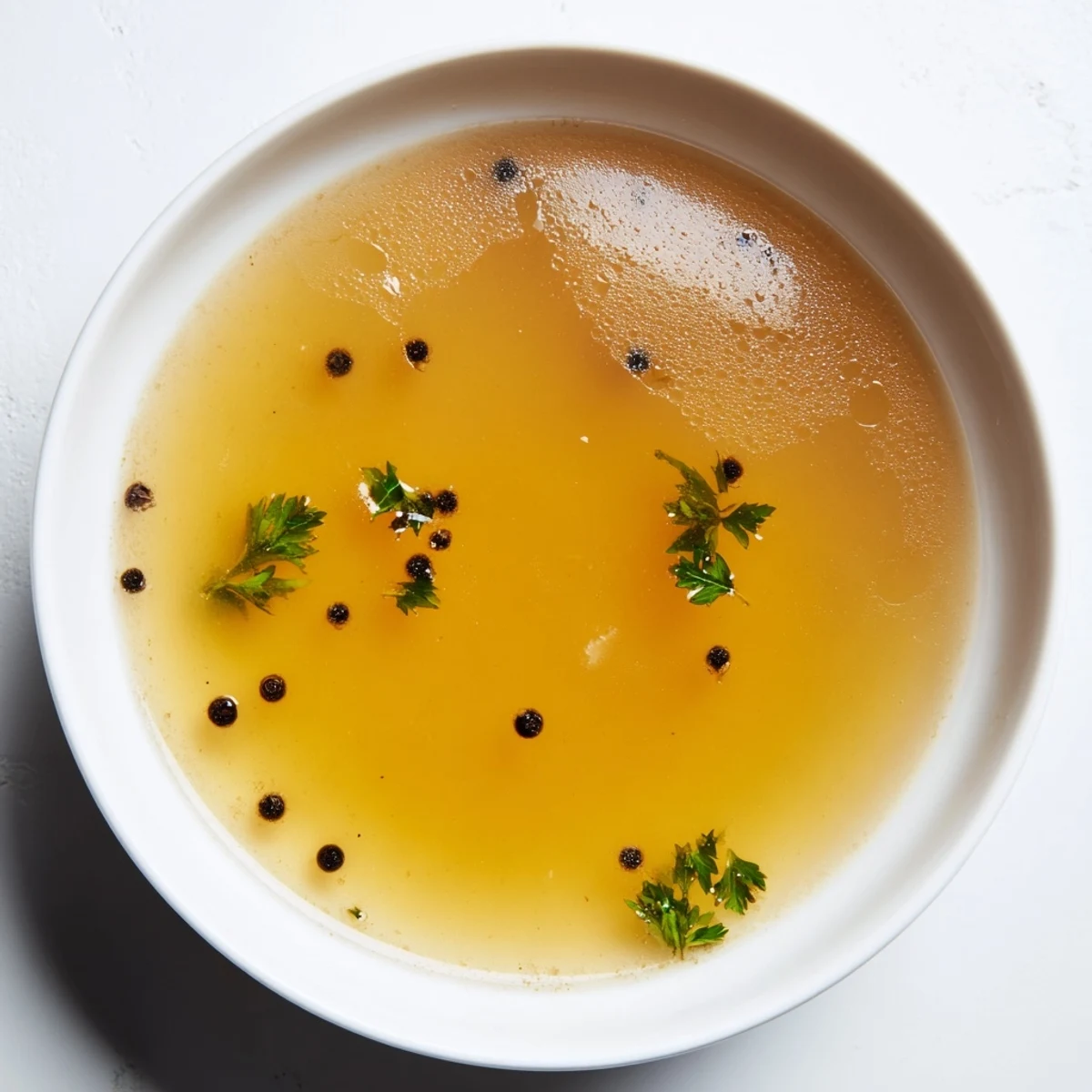
Save There's something almost meditative about tending to stock as it simmers. I've spent entire afternoons reading beside the stove, occasionally peeking in to skim foam, and by the time the hours are up, I feel like I've made something sacred—a gift I'm giving to future meals.
Why Roasting Changes Everything
The magic really does happen in that first roasting step. When you heat bones and vegetables to high temperature, the amino acids and sugars undergo the Maillard reaction—a chemical transformation that creates hundreds of new flavor compounds. This is why your roasted stock tastes infinitely better than if you just threw everything in a pot with cold water. It's the difference between simmering and truly cooking. The roasting pan drippings, the caramelized vegetable edges, the deepened colors—these are all signs of flavor being created, not just extracted.
The Clarity Question
If you want a stock that's absolutely crystal clear and gorgeous, the gentle simmer is non-negotiable. I learned this the hard way by impatient boiling. The key is that aggressive heat breaks down proteins in a way that makes them emulsify with the fat, turning everything opaque and gray. A gentle simmer—where you see just a few lazy bubbles breaking the surface—keeps those proteins suspended rather than fully broken down, giving you that restaurant-quality clarity. It's slower, but it's worth every minute.
Storage and Clever Uses
Once you have this liquid gold, you'll start seeing it as the foundation for everything. I freeze mine in ice cube trays because having little portions ready means I'll actually use it instead of reaching for store-bought. Pop a cube into a pan before sautéing vegetables, or thaw a few for the base of tomorrow's soup. It transforms simple meals into something that tastes like you've been cooking all day. Here are my favorite ways to make the most of it:
- Freeze in ice cube trays for portion control, then pop cubes into a freezer bag for months of convenient flavor
- Use as a base for French onion soup, beef stews, and consommés that will genuinely impress people
- Keep some in the fridge for quick pan sauces that taste impossibly rich and complex
 Save
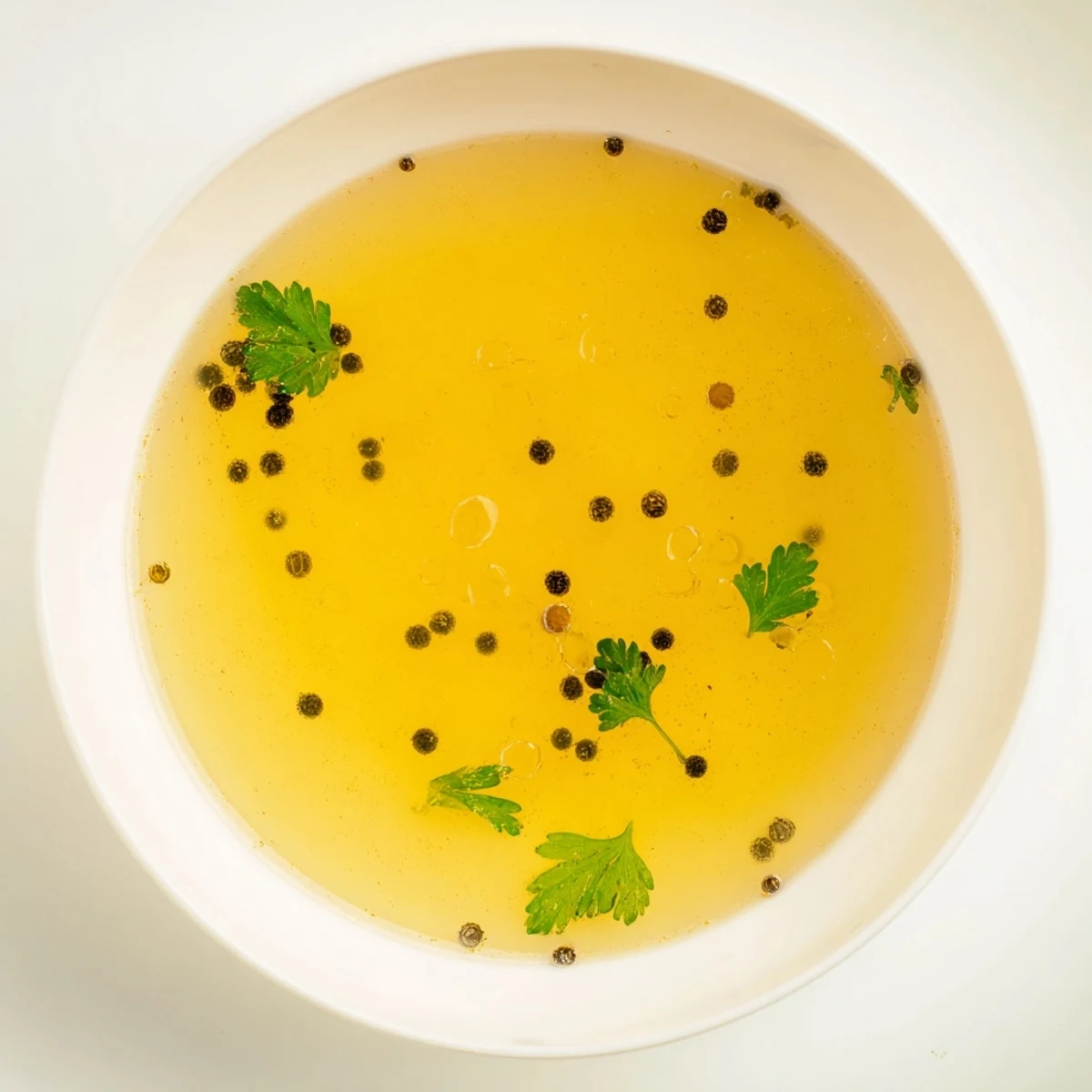
Save Making stock is one of those humble kitchen skills that quietly elevates everything you cook. Once you taste the difference it makes, you'll understand why grandmothers always had a pot going.
Questions & Answers
- → What bones are best for a rich beef stock?
-
Marrow and knuckle bones offer deep flavor and gelatin, essential for a rich, full-bodied stock.
- → Why should bones and vegetables be roasted before simmering?
-
Roasting enhances color and adds caramelized, complex flavors not achieved by simmering alone.
- → How long should the stock simmer for optimal flavor?
-
Simmering at least 4 hours extracts rich flavors and gelatin, with up to 8 hours deepening the taste further.
- → How can I keep the stock clear rather than cloudy?
-
Maintain a gentle simmer without boiling and regularly skim off foam and impurities from the surface.
- → What is the best way to store the prepared stock?
-
Cool stock quickly, refrigerate for up to 5 days, or freeze in portions for up to 3 months to preserve freshness.
- → Can I use this stock base for multiple dishes?
-
Yes, its rich flavor enhances soups, stews, sauces, and other culinary preparations.