
 Save
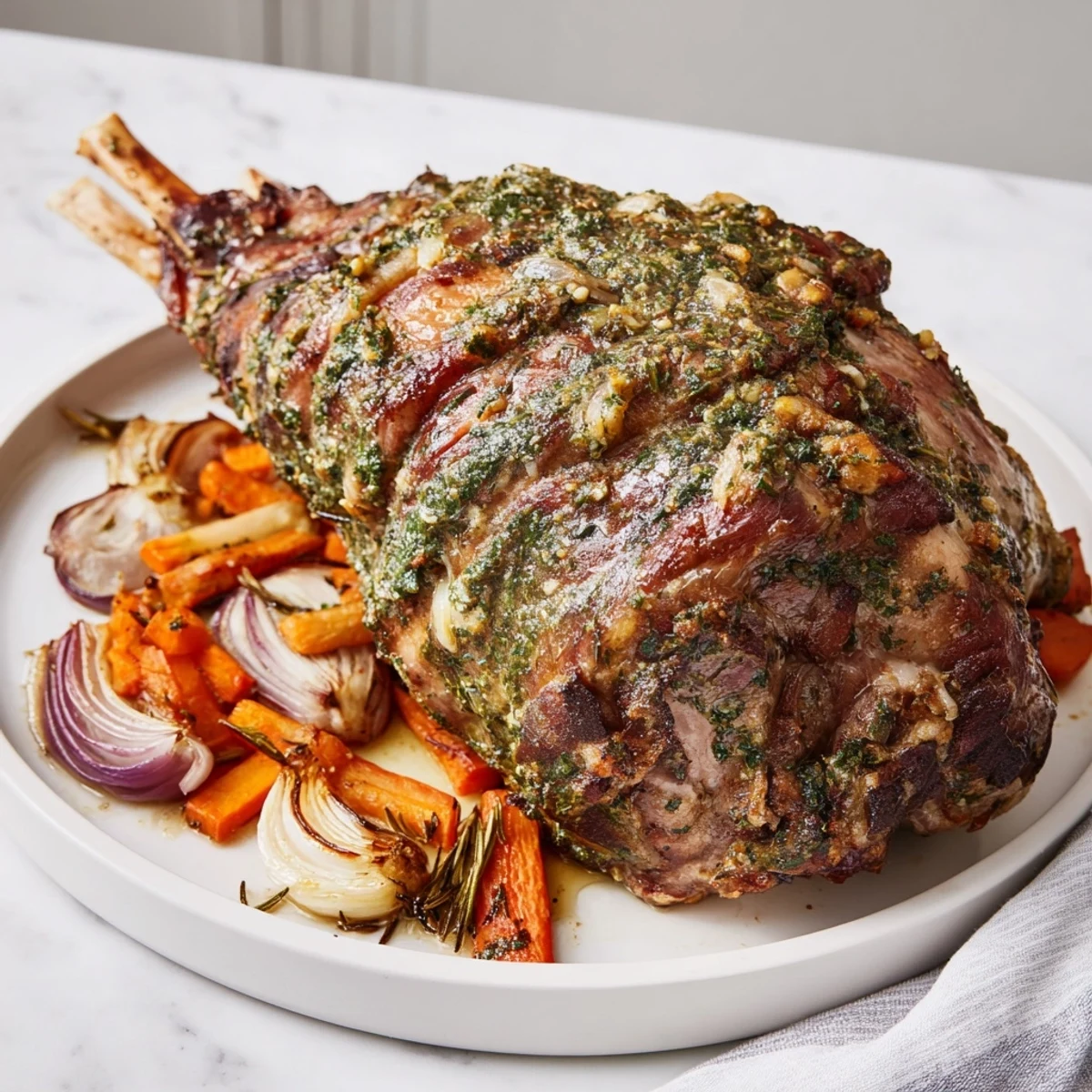
Save This dish showcases a bone-in leg of lamb rubbed generously with a vibrant herb mixture of rosemary, thyme, oregano, garlic, and lemon zest. Roasted atop a bed of onions, carrots, and celery with white wine or stock, the lamb becomes perfectly tender and aromatic. Basting during roasting seals in juiciness, while resting enhances flavor before carving. Ideal for gatherings, this Mediterranean-inspired centerpiece offers rich, savory notes complemented by fresh herbs and pan sauce.
I still remember the first time I roasted lamb for Easter dinner at my grandmother's house in the countryside. She taught me that morning how to score the fat just right, and as it roasted, the kitchen filled with this incredible aroma of rosemary and garlic that made everyone arrive early just to see what was cooking. That day, I learned that a perfectly roasted lamb isn't just dinner—it's a moment that brings people together around the table.
I'll never forget the first time my partner tasted this roast—they closed their eyes after the first bite and asked if we could have it every Sunday. That's when I knew I'd found something special, something that transforms an ordinary evening into something memorable.
Ingredients
- 1.8 kg (4 lb) bone-in leg of lamb: The bone keeps everything moist and adds incredible flavor to your pan juices. Ask your butcher to score the fat lightly if you're nervous about doing it yourself—they'll make it look effortless.
- 4 tbsp olive oil: This carries all those beautiful herbs right into the meat. Use something you actually like drinking, because quality matters here.
- 6 garlic cloves, minced: Garlic becomes almost sweet and mellow when roasted low and slow, losing that sharp bite and becoming this savory hug for the lamb.
- 2 tbsp fresh rosemary, finely chopped: Fresh rosemary has this piney, almost resinous quality that's absolutely essential—dried just won't give you the same brightness.
- 2 tbsp fresh thyme, finely chopped: Thyme adds a subtle earthiness that makes people ask what the secret ingredient is.
- 1 tbsp fresh oregano, finely chopped: This brings a little Mediterranean warmth to the whole thing, a whisper of summer in every bite.
- Zest of 1 lemon: The lemon zest cuts through the richness and adds this fresh, clean note that keeps everything from feeling heavy.
- 1 ½ tsp sea salt and 1 tsp freshly ground black pepper: Season generously—lamb can handle it and actually needs it to shine.
- 2 large onions, thickly sliced: These soften into this sweet, caramelized base that flavors everything else in the pan.
- 3 large carrots, cut into chunks: Carrots add natural sweetness and become tender enough to eat alongside the lamb.
- 2 celery stalks, cut into chunks: Celery might seem quiet, but it builds flavor in the background—the unsung hero of roasting.
- 250 ml (1 cup) dry white wine or chicken stock: This becomes your sauce, so choose something you'd actually drink. It adds acidity and helps keep everything moist.
Instructions
- Get your oven ready and make the magic paste:
- Preheat your oven to 200°C (400°F). While it's warming up, combine the olive oil, garlic, rosemary, thyme, oregano, lemon zest, salt, and pepper in a small bowl. Stir it together until it looks like a fragrant, chunky paste. This is your secret weapon—take a moment to smell it. That's what your kitchen is about to smell like for the next two hours.
- Prepare the lamb for its herb coat:
- Pat your lamb completely dry with paper towels—this is crucial because moisture keeps the crust from forming. Now, with a sharp knife, score the fat in a crisscross pattern, being careful not to cut into the meat itself. These little cuts help the heat penetrate and let the seasoning sink in.
- Coat everything generously:
- Rub that herb paste all over the lamb like you're giving it a massage, making sure to work it into all the crevices and that scored fat. Don't be shy—this is where all your flavor comes from.
- Build your vegetable bed:
- Scatter your sliced onions, carrot chunks, and celery in the bottom of a large roasting pan. These aren't just vegetables; they're your flavor foundation and they'll catch all those precious pan juices.
- Position and pour:
- Place the herb-coated lamb right on top of the vegetables. Pour the wine or stock into the pan—it should surround the vegetables and create some steam. You're not drowning the lamb; you're creating a moist, flavorful environment.
- The two-temperature roast:
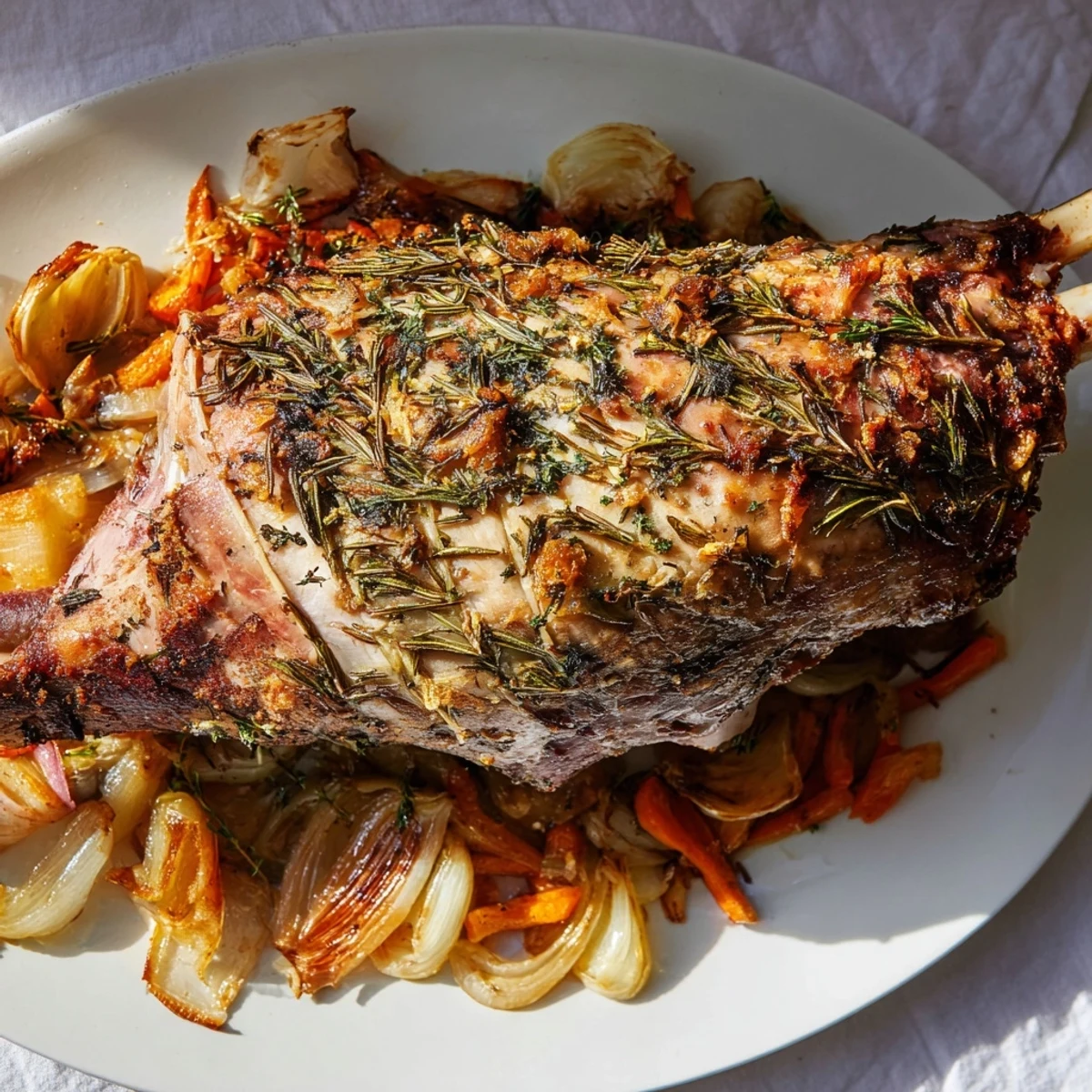
- Roast at 200°C (400°F) for 20 minutes to get a nice crust starting, then lower the temperature to 180°C (350°F) and continue for about 70 minutes. A meat thermometer is your best friend here—you're aiming for 57°C (135°F) for medium-rare, where the meat is still pink and incredibly tender.
- Baste and nurture:
- About halfway through cooking, use a spoon or basting brush to coat the lamb with the pan juices. This keeps everything moist and builds those layers of flavor.
- Rest and remember:
- When it's done, remove the lamb from the oven and cover it loosely with foil. Let it rest for 15 minutes—this is non-negotiable. The meat will relax and retain its juices. This is the moment to take a breath and feel proud of what you've created.
- Make your sauce and serve:
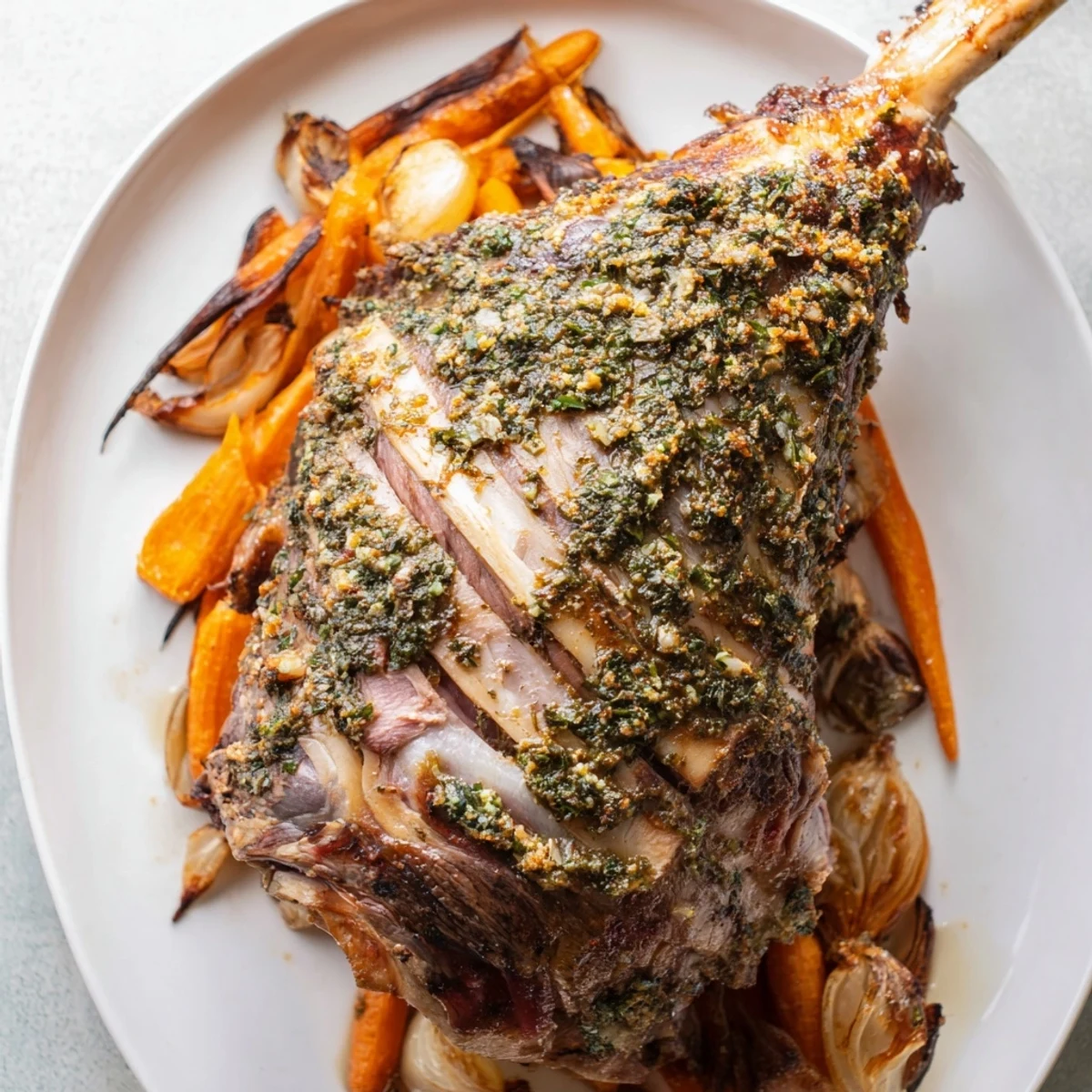
- Strain those pan juices into a small saucepan and serve them alongside the carved lamb. The vegetables can go around the platter or be served separately. Either way, you've got something restaurant-quality sitting in front of you.
 Save
Save The first time someone cut into this lamb at my dinner table and saw that perfect pink center surrounded by the herb crust, they looked up at me like I'd performed actual magic. That moment, seeing people so happy about something you made with your own hands—that's what cooking is really about.
Understanding Your Lamb
Lamb is a more delicate meat than beef, which means it benefits from high heat early to develop a crust, then gentle heat to cook through. The bone-in cut is crucial because it adds flavor and helps with even cooking. When you're shopping, look for meat that's a deep red color and doesn't smell funky—a good butcher will always help you pick the right cut. I like to buy my lamb the morning of if I can, so it's as fresh as possible when I cook it.
Timing and Temperature Matter
The two-temperature roasting method might seem complicated, but it's actually quite simple and makes a real difference. The initial high heat creates that gorgeous golden crust that locks in flavor, and then the lower temperature gently cooks the inside without drying it out. Medium-rare lamb at 57°C is that sweet spot where it's still juicy and slightly pink, but not undercooked. If you prefer it more done, aim for 63°C for medium. The beauty of using a thermometer is you'll never have to guess again.
The Herb Paste and Pan Sauce
This herb paste is forgiving and flexible, which I love. If you can't find fresh oregano, just add a tiny bit more thyme. If you only have dried herbs, use half the amount and rub them in carefully. The real magic happens in the roasting pan though—as the lamb cooks, it seasons the vegetables, the wine reduces and concentrates, and you end up with this incredible sauce that needs nothing but maybe a taste of salt. Strain it carefully and serve it warm. It's liquid gold.
- Fresh herbs always taste brighter and fresher than dried, so try to find them if you can.
- The herb paste can be made a few hours ahead and even rubbed on the lamb in advance—it actually helps the flavors sink in.
- Those roasted vegetables are too good to waste, so either serve them alongside the lamb or puree them into the pan sauce for something even richer.
 Save
Save Roasted lamb is one of those dishes that feels like you've invited people into something sacred and special. Once you master this recipe, you'll find yourself making it again and again for the moments that matter most.
Questions & Answers
- → What herbs enhance the lamb's flavor?
-
Fresh rosemary, thyme, and oregano combine with garlic and lemon zest to create a fragrant herb paste that deeply infuses the lamb.
- → How do I ensure the lamb stays juicy during cooking?
-
Baste the lamb with pan juices halfway through roasting and let it rest covered with foil after cooking to retain moisture and tenderness.
- → What vegetables are used as a roasting base?
-
Onions, carrots, and celery provide an aromatic bed that flavors the drippings and adds moisture during roasting.
- → Can I substitute the fresh herbs if unavailable?
-
Yes, dried herbs can be used at half the quantity, maintaining a similar flavor profile though slightly less vibrant.
- → What liquid is recommended for roasting?
-
Dry white wine or chicken stock can be poured into the pan to enrich the cooking environment and contribute to the pan sauce.