
 Save
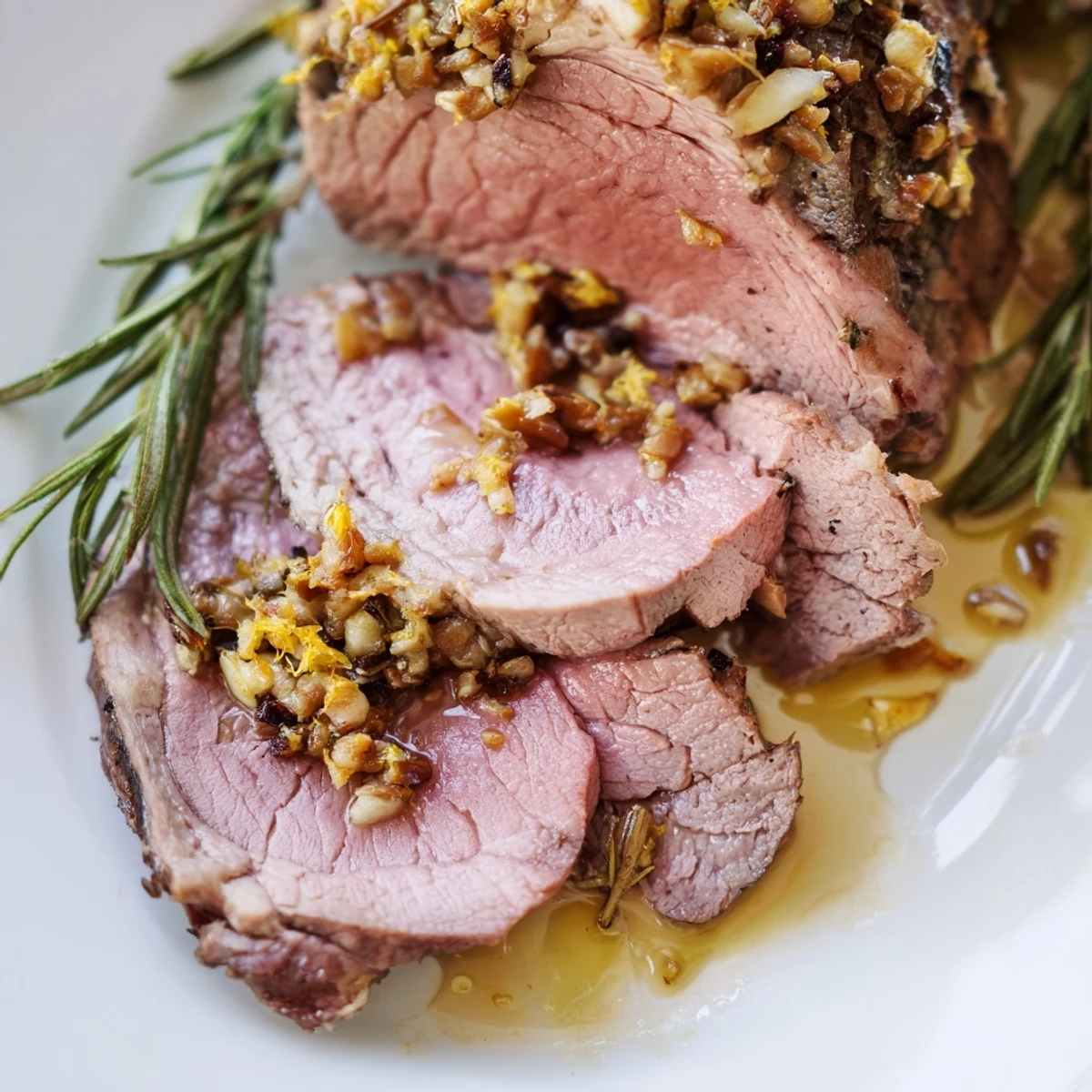
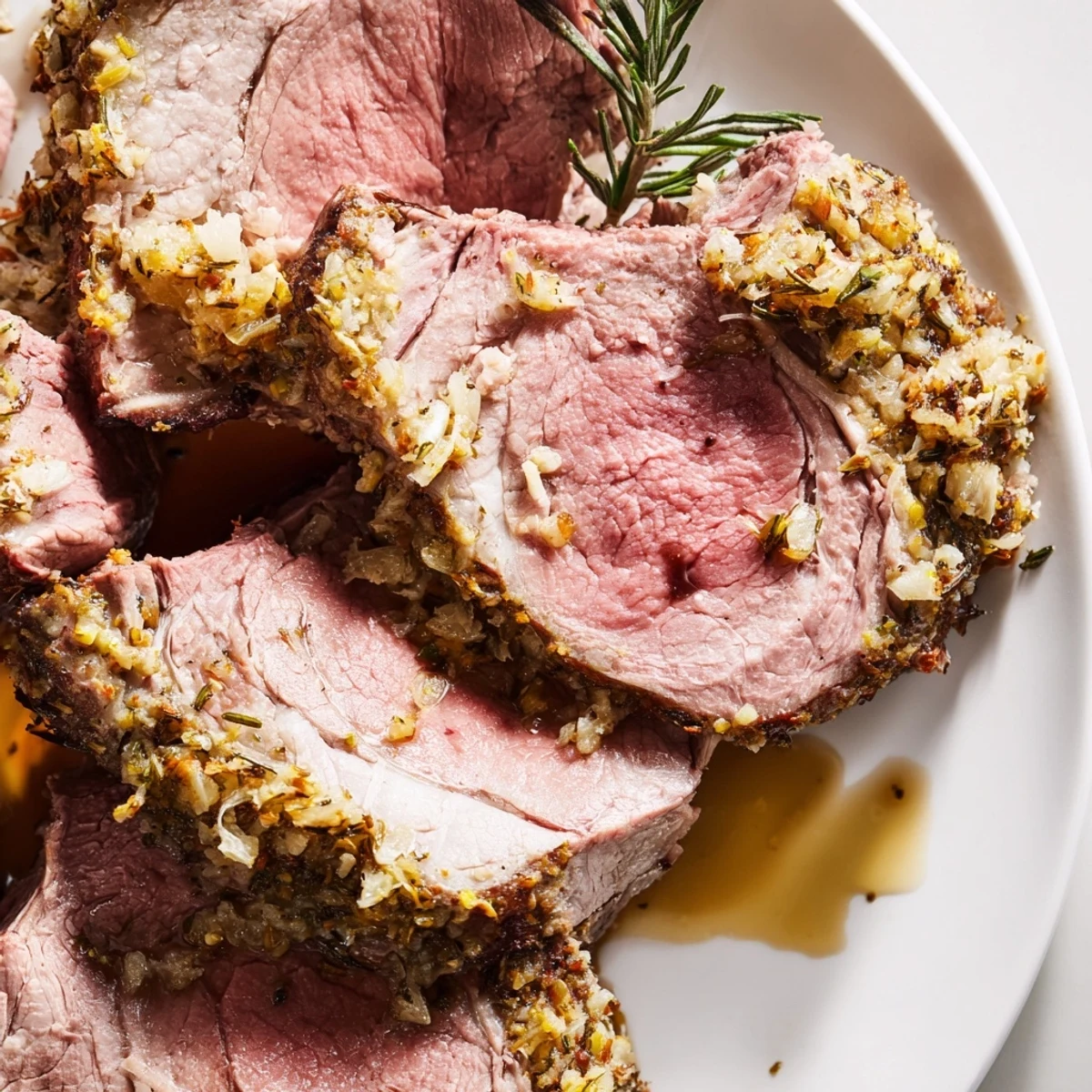
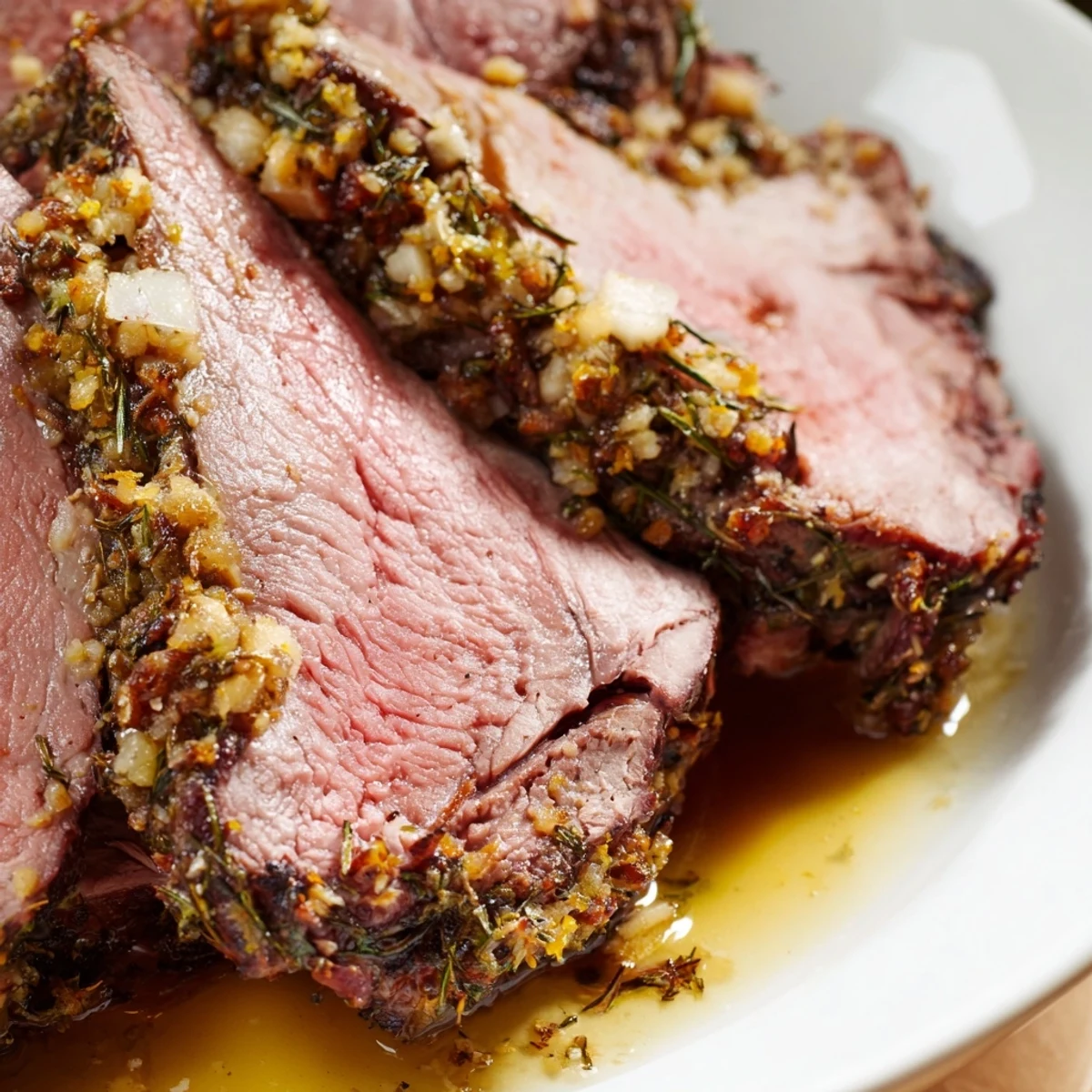
Save This dish features a bone-in leg of lamb seasoned with a flavorful anchovy and rosemary rub. The meat is scored to absorb the savory blend, then roasted first at high heat and finished at a lower temperature to achieve tender, juicy results. The pan juices are reduced to enhance the serving sauce. Aromatic herbs and anchovies create a unique umami depth, perfect for festive meals or gatherings.
Prepare by combining anchovies, garlic, rosemary, thyme, lemon zest, and olive oil, then massage it thoroughly into the lamb slits. After salting and roasting with wine and broth, allow the meat to rest before slicing. This method balances bold flavors with succulent texture and pairs well with robust red wines.
My aunt served this roasted lamb at a Easter dinner years ago, and the moment the platter hit the table, the kitchen filled with this intoxicating smell of rosemary and something umami-rich that I couldn't quite place. It was the anchovies, she told me later, almost conspiratorially—a secret ingredient that deepens the flavor without announcing itself. I've made it countless times since, and it never fails to feel like something worth slowing down for.
I remember my partner watching me work the anchovy paste into the slits, skeptical at first, then leaning over and breathing in deeply. By the time it came out of the oven, the house smelled so good that even the neighbors stopped by—not for food, just drawn by the aroma like a cartoon character floating on a cloud of scent.
Ingredients
- Bone-in leg of lamb (2.5–3 kg / 5.5–6.5 lb): The bone adds so much flavor to the pan juices you'll want to use them for sauce—ask your butcher to trim it well but leave the bone intact.
- Anchovy fillets (6 whole): Don't be intimidated; they dissolve into a savory depth rather than tasting fishy, but you can use 4 if you prefer something subtler.
- Fresh rosemary (2 tbsp, finely chopped): Fresh matters here because the heat will release all that piney brightness right into the meat.
- Fresh thyme (1 tbsp): It plays quieter than rosemary but adds an earthiness that rounds out the flavors beautifully.
- Garlic (4 cloves, minced): Mince it finely so it distributes evenly and doesn't char in any one spot.
- Lemon zest (from 1 lemon): This cuts through the richness and keeps everything feeling bright despite all that savory depth.
- Olive oil (2 tbsp): Use something you actually like, since it becomes part of the rub and contributes to the final flavor.
- Coarse sea salt (1 ½ tsp): The grain size matters because it won't dissolve into the meat as quickly as table salt, leaving little flavor pockets.
- Dry white wine (1 cup): It reduces down and becomes part of the pan sauce, so choose something you'd actually drink.
- Chicken or lamb stock (1 cup): Lamb stock is richer if you can find it, but good chicken stock works just as well.
Instructions
- Start with a dry surface:
- Pat the lamb completely dry with paper towels, getting into every crevice. This matters more than you'd think because moisture on the surface stops the meat from browning properly and developing that savory crust.
- Create pockets for flavor:
- Using a small sharp knife, make several deep slits all over the lamb, angling the blade to create little cavities. You're not scoring the surface; you're actually cutting down into the meat to create places where the rub can nestle deep.
- Build the paste:
- Combine the anchovy fillets, minced garlic, rosemary, thyme, black pepper, lemon zest, and olive oil in a small bowl, stirring until you have a coarse, fragrant paste. Smell it at this point—if it smells wrong, taste a tiny bit to make sure the anchovies are good quality.
- Work the rub into the lamb:
- Using your fingers or the back of a spoon, massage the anchovy paste all over the lamb, pushing it into those slits you created and coating every surface. Don't be shy; this is your flavor foundation.
- Season generously:
- Sprinkle the coarse sea salt evenly over the lamb, letting it sit for a few minutes so it starts to adhere to the rub.
- Set up for roasting:
- Place the lamb on a rack in a large roasting pan, then pour the white wine and stock into the bottom of the pan. The rack keeps the meat from sitting in its own fat, and the liquid below will steam-baste it gently.
- Roast hot, then gentle:
- Roast at 220°C (425°F) for 20 minutes to develop color and crust, then lower the temperature to 180°C (350°F) and continue roasting for 1 hour 10 minutes. Use a meat thermometer—pull it at 57°C (135°F) internal temperature for medium-rare, which is where the meat is still tender but has lost its raw taste.
- Let it rest:
- Transfer the lamb to a cutting board, tent it loosely with foil, and leave it alone for 20 minutes. This allows the juices to redistribute throughout the meat so that when you carve, you're not bleeding out all the flavor onto the board.
- Make a pan sauce:
- While the lamb rests, skim the excess fat from the pan juices and simmer over medium heat for a few minutes to concentrate the flavors slightly. Taste it and adjust with salt if needed before serving it alongside the carved lamb.
 Save
Save What stuck with me most was serving this at a dinner party where someone was hesitant about the anchovy ingredient, and then afterward, they asked me for the recipe because they couldn't believe something so delicious was actually there. That's when I understood the real magic of this dish—it's confidence disguised as simplicity.
Why This Rub Works
The anchovy isn't trying to taste like fish; it's working as a salt and umami amplifier that makes the lamb taste more intensely of itself. The garlic adds sweetness when roasted slowly, rosemary provides that Mediterranean backbone, and lemon zest cuts through the richness so you can taste each element instead of just tasting salt and fat. Together, they create something complex from very simple components.
Timing and Temperature
The two-temperature roasting method is intentional: the high heat at the start develops a flavorful crust while the meat is still cool, and then the lower heat finishes cooking the interior gently without overdrying the outside. If you roast the whole time at 180°C, you'll end up with a pale, steamed-looking surface that tastes fine but feels less special. The 20-minute rest is equally crucial because the muscle fibers are relaxing and reabsorbing moisture during that time, which is why a rested roast always carves more beautifully.
Flexibility and Improvisation
I've added quartered potatoes and halved carrots to the roasting pan about 45 minutes into cooking, and they pick up all those savory juices beautifully. Some nights I've skipped the wine and used beef stock instead, or cut the anchovy fillets down to 4 if I'm cooking for someone nervous about strong flavors. The core technique holds up to gentle adjustments, which is part of why I keep coming back to it.
- You can prepare the rub earlier in the day and refrigerate it on the lamb; just pull it out 30 minutes before roasting so it starts at closer to room temperature.
- Leftovers are excellent sliced thin and cold with a squeeze of lemon, perfect for sandwiches the next day.
- If you overshoots the temperature slightly, it's forgiving—even at 65°C internal temperature, it's still delicious and just means more of the pink has faded.
 Save
Save This is the kind of dish that takes effort but not much skill, which makes it perfect for anyone wanting to feel like they've accomplished something impressive. When you pull it out of the oven and the whole house fills with that smell, you'll understand why I keep making it.
Questions & Answers
- → How do anchovies affect the flavor?
-
Anchovies add a subtle umami richness that deepens the savory profile without a fishy taste.
- → What is the best way to ensure tender lamb?
-
Scoring the meat allows seasoning to penetrate, and roasting low and slow after the initial high heat helps maintain juiciness.
- → Can I use fresh herbs instead of dried?
-
Yes, fresh rosemary and thyme provide vibrant aroma and flavor, preferable to dried in this preparation.
- → How should I rest the meat after roasting?
-
Cover loosely with foil and let the lamb rest for about 20 minutes to allow juices to redistribute.
- → Is there a preferred wine pairing?
-
Robust reds like Syrah or Cabernet Sauvignon complement the rich, savory flavors.
- → What sides pair well with this dish?
-
Roasted potatoes, carrots, or shallots cooked alongside balance the hearty lamb perfectly.