
 Save
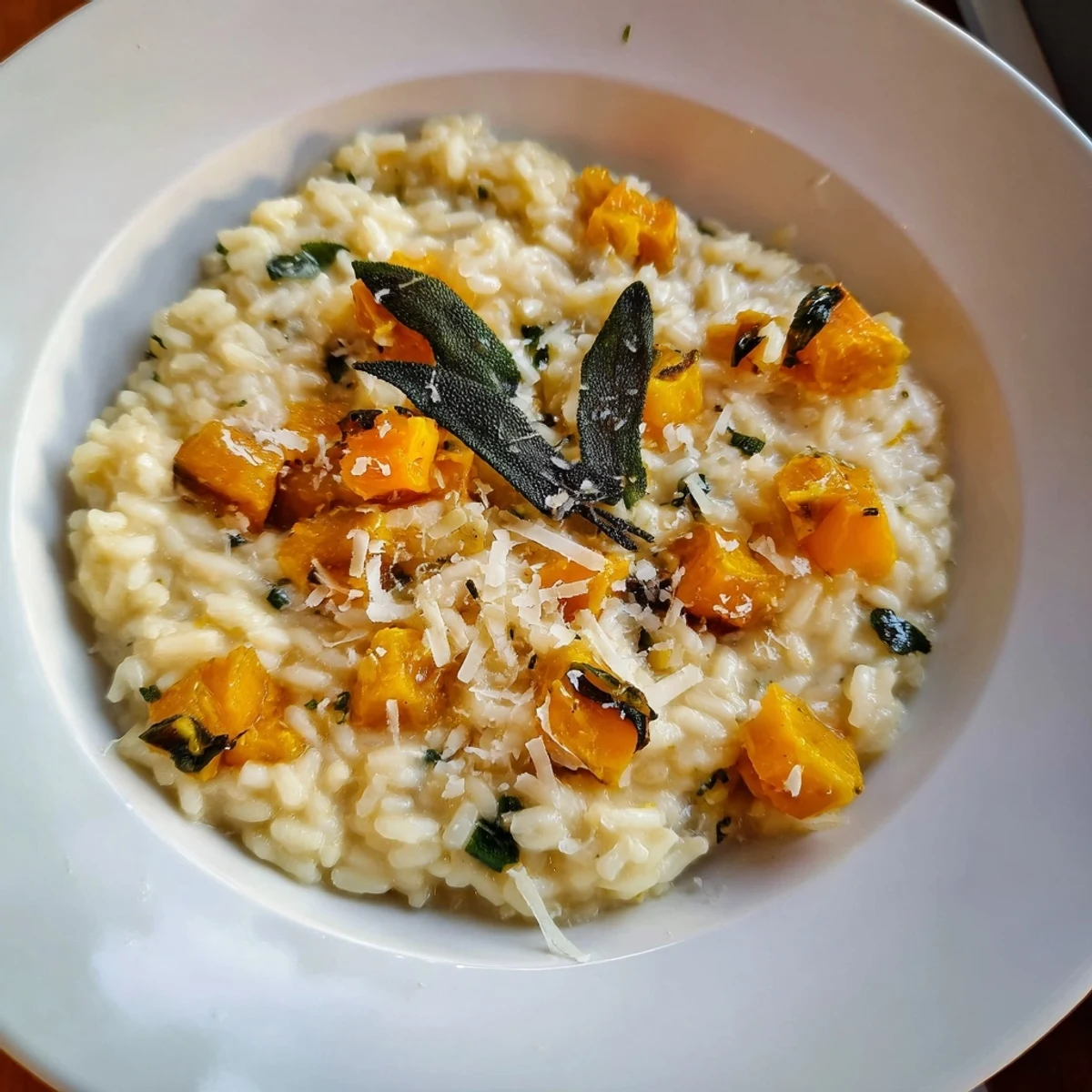
Save This creamy risotto blends tender roasted pumpkin with fragrant sage for rich autumn flavors. Arborio rice is slowly cooked with white wine and warm vegetable stock to create a smooth texture. The dish is finished with butter and freshly grated Parmesan for a luscious finish. Ideal for cozy dinners, this vegetarian, gluten-free option highlights seasonal produce and aromatic herbs.
I was standing at the farmer's market one October morning when a vendor handed me a slice of roasted pumpkin, still warm and caramelized at the edges. The sweetness caught me off guard, and I bought two without thinking. That night, I stirred them into risotto for the first time, and the kitchen smelled like butter, wine, and autumn all at once.
The first time I made this for friends, I was nervous about the timing, constantly checking the rice and tasting as I went. But when I brought the pot to the table and spooned it into bowls, everyone went quiet for a moment, just savoring. One friend said it tasted like a hug, and I've never forgotten that.
Ingredients
- Pumpkin: Roasting it first concentrates the sweetness and adds little caramelized edges that melt into the risotto. Don't skip this step, it's where the magic starts.
- Arborio rice: The high starch content is what makes risotto creamy without needing cream. Stir it gently and let it do its work.
- Fresh sage: Dried sage won't give you the same bright, earthy flavor. If you can, buy it fresh and chop it right before cooking.
- Vegetable stock: Keeping it warm on the stove means the rice cooks evenly and doesn't seize up when you add it. Cold stock will slow everything down.
- White wine: A dry white like Pinot Grigio adds acidity and brightness. You don't need anything fancy, just something you'd drink.
- Parmesan cheese: Freshly grated melts into the rice in a way pre-shredded never will. It's worth the extra minute.
- Butter: I use half at the beginning for richness and half at the end for a glossy, luxurious finish.
- Onion and garlic: These build the aromatic base. Cook them low and slow so they soften without browning.
- Olive oil: For roasting the pumpkin and starting the risotto. A good everyday olive oil works perfectly here.
Instructions
- Roast the pumpkin:
- Toss the diced pumpkin with olive oil, salt, and pepper, then spread it on a tray and roast at 200°C until the edges turn golden and the flesh is tender. Flip the pieces halfway through so they caramelize evenly.
- Build the base:
- Heat olive oil and half the butter in a large pan, then cook the onion until it's soft and translucent. Stir in the garlic and sage, letting the smell fill the kitchen for about a minute.
- Toast the rice:
- Add the Arborio rice and stir it around for a couple of minutes until the grains look slightly see-through at the edges. This step coats the rice and helps it absorb the liquid evenly.
- Deglaze with wine:
- Pour in the white wine and stir until it's almost completely soaked up. You'll hear a sizzle and smell the acidity softening into something rounder.
- Add stock gradually:
- Ladle in the warm stock one scoop at a time, stirring often and waiting until each addition is absorbed before adding the next. The rice will slowly release its starch and turn creamy.
- Fold in the pumpkin:
- Once the rice is tender but still has a slight bite, gently stir in the roasted pumpkin. Let it warm through for a few minutes so the flavors meld.
- Finish with butter and cheese:
- Remove the pan from the heat and stir in the remaining butter and grated Parmesan. Season with salt and pepper, then serve right away while it's still glossy and warm.
 Save
Save There was a night in late November when I made this alone after a long day, standing at the stove and stirring slowly while the window fogged up. It wasn't for anyone else, just me and a glass of wine and the quiet rhythm of the spoon. I realized then that some recipes are as much about the act of making them as they are about the taste.
Choosing Your Pumpkin
Not all pumpkins are made for cooking. Look for smaller varieties like Kent or Jap pumpkins, which have dense, sweet flesh that roasts beautifully. The big carving pumpkins are watery and bland. If you can't find good pumpkin, butternut squash works just as well and roasts up with the same caramelized edges.
Getting the Texture Right
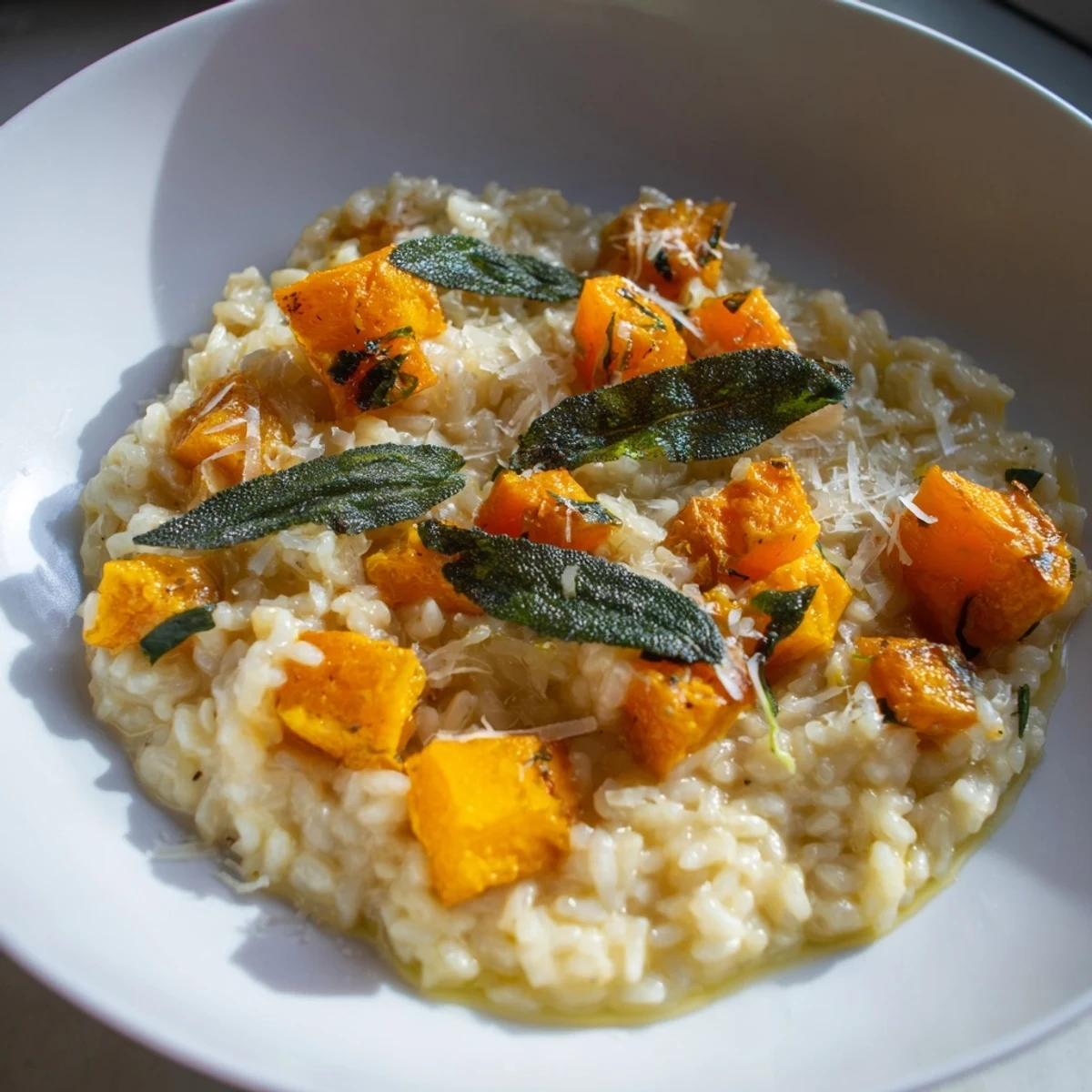
Risotto should flow slowly across the plate when you spoon it out, not sit in a stiff mound or run like soup. The Italians call it all'onda, meaning it moves like a wave. If it's too thick, stir in a little extra stock at the end. If it's too loose, let it sit for a minute off the heat to tighten up.
Serving and Storing
Risotto is at its best the moment it's done, while the rice is still creamy and the butter and cheese are just melted in. If you have leftovers, they'll thicken in the fridge. You can reheat them gently with a splash of stock or water, stirring over low heat, though the texture won't be quite the same.
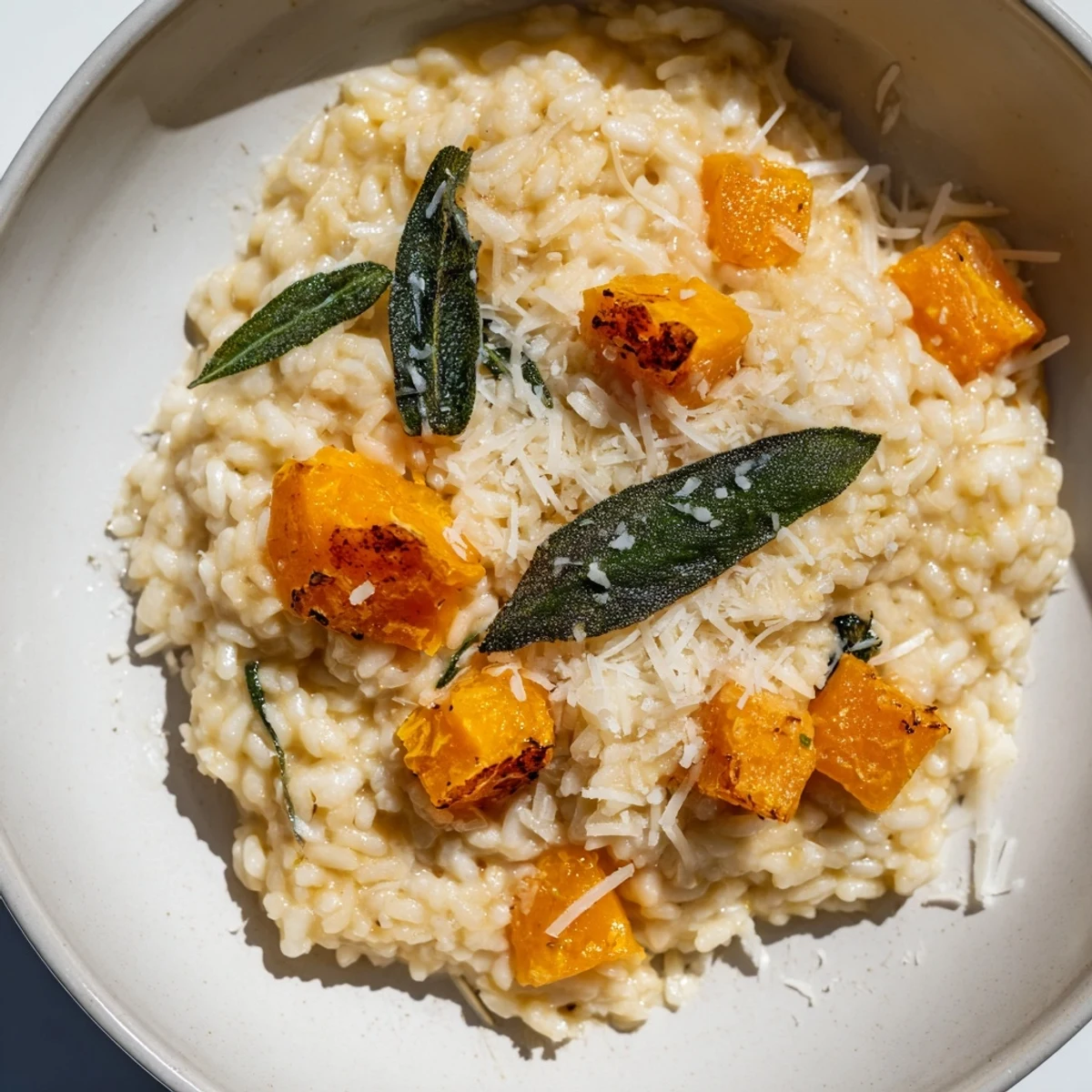
- Garnish with a few crispy fried sage leaves and extra Parmesan for a beautiful finish.
- Pair it with a simple green salad dressed with lemon and olive oil.
- Serve it in wide, shallow bowls so you can see the golden pumpkin pieces scattered through the rice.
 Save
Save This risotto has become my go-to when I want something that feels special but doesn't ask too much of me. It's warm, it's grounding, and it always tastes like care.
Questions & Answers
- → What type of rice is best suited for this dish?
-
Arborio rice is ideal due to its high starch content, which creates the creamy texture essential to risotto.
- → Can I substitute the pumpkin with another vegetable?
-
Yes, butternut squash is a great alternative that offers a similar sweetness and texture when roasted.
- → How do I achieve the perfect creamy consistency?
-
Gradually adding warm vegetable stock while stirring frequently helps release starch from the rice, resulting in a smooth and creamy texture.
- → What role does sage play in this dish?
-
Sage adds an earthy, aromatic flavor that complements the sweetness of the roasted pumpkin and enriches the overall taste.
- → Is this dish suitable for gluten-free diets?
-
Yes, as long as gluten-free vegetable stock is used, this dish remains gluten-free and vegetarian friendly.