
 Save
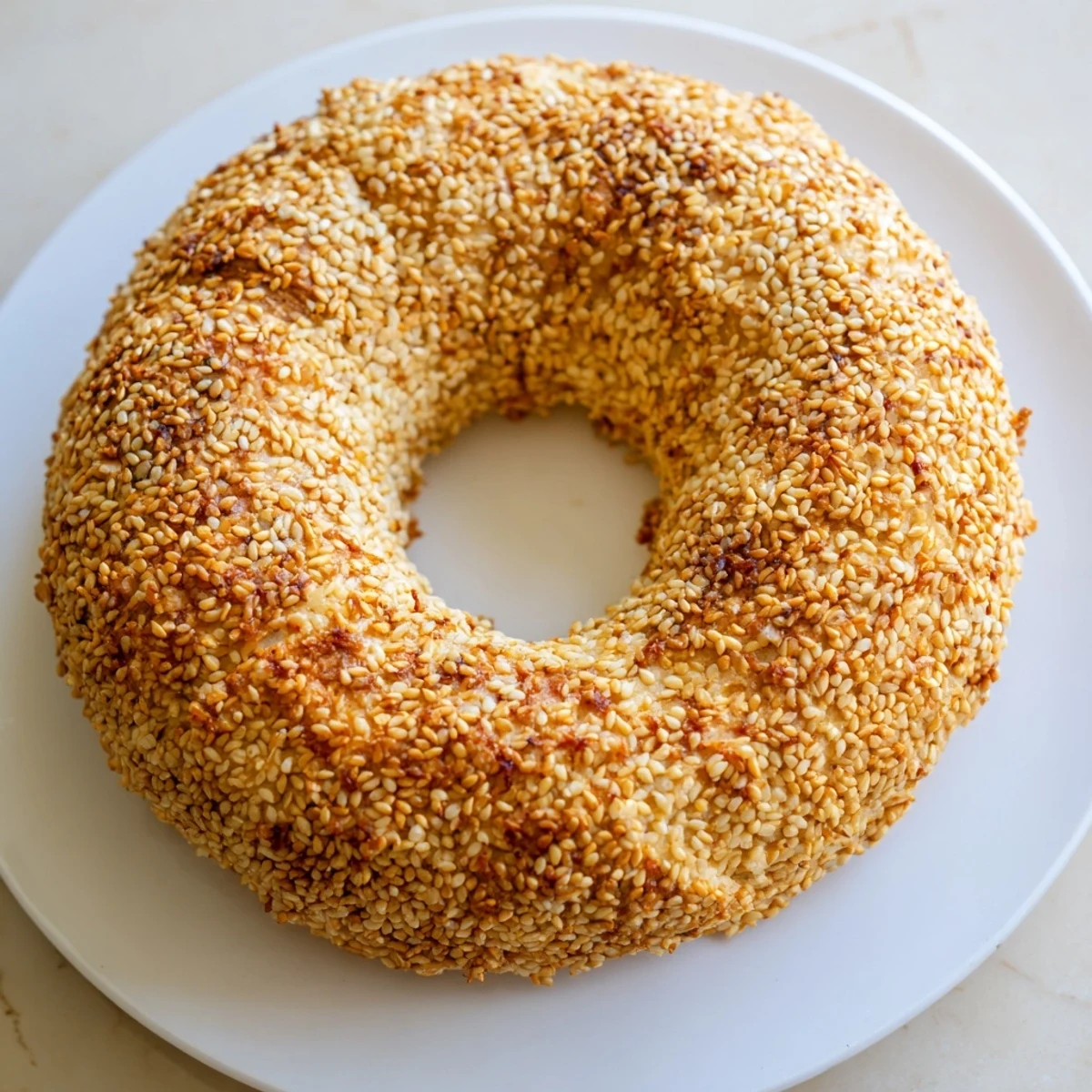
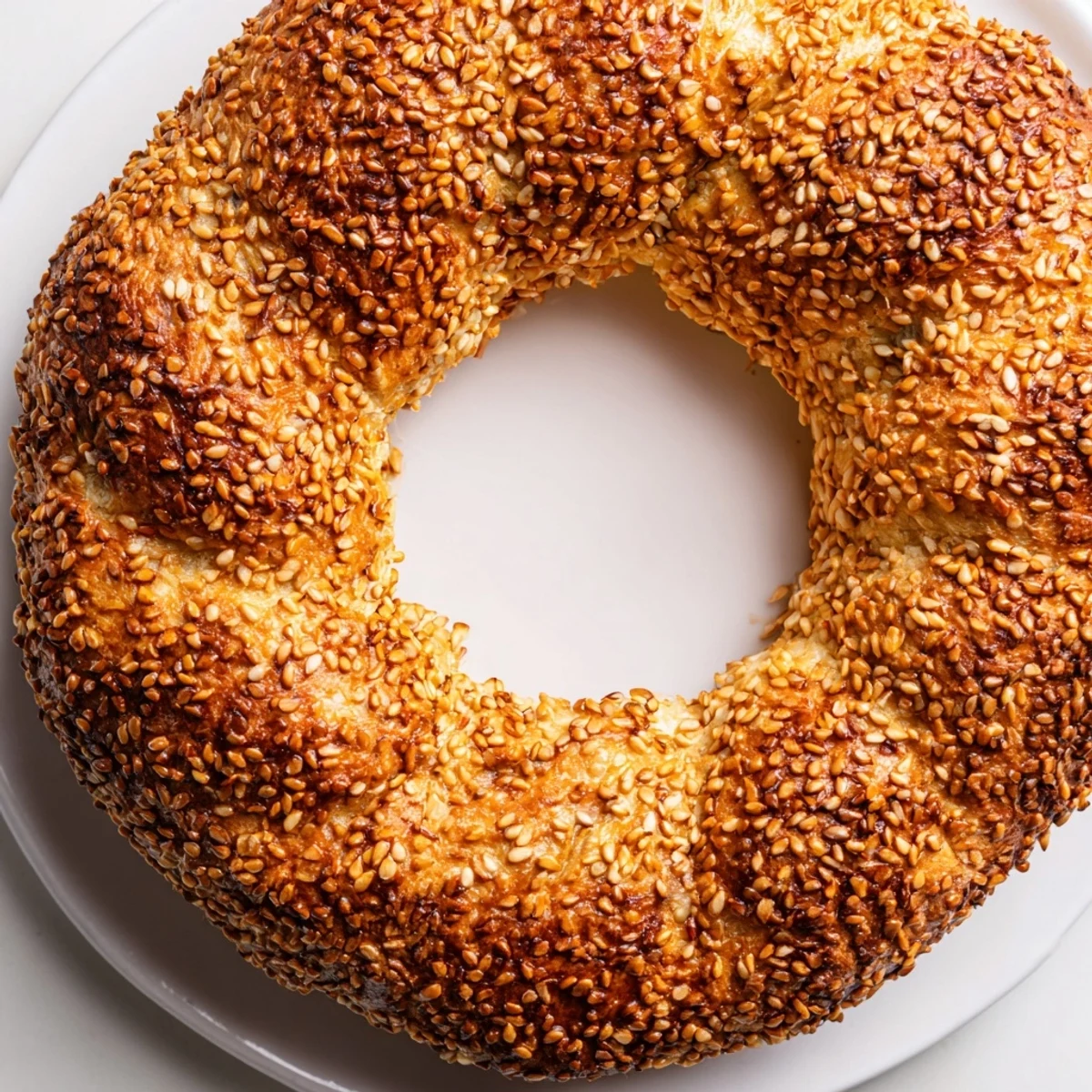
Save These golden bread rings feature a delightful contrast between their crunchy, sesame-seeded exterior and pillowy soft interior. The Mediterranean-style dough develops flavor through a proper rise, while a quick molasses dip helps the sesame seeds adhere perfectly during baking. Each ring forms a handheld portion ideal for breakfast alongside cheese and olives, or as an afternoon snack with your favorite spreads.
The smell of sesame seeds toasting in a hot pan will always pull me into the kitchen, no matter what I am doing. I first made these bread rings on a gray Sunday afternoon when nothing sounded better than something warm from the oven. The first batch came out misshapen and clumsy, but that first bite—crisp seeds giving way to soft, pillowy bread—made me forget every flaw. Now they are my go-to when I need baking therapy.
My neighbor Maria caught me pulling a fresh batch from the oven once and stood in my doorway waiting for them to cool just enough to eat. We stood there breaking off pieces, burning our fingers slightly, not even caring. She still asks about them whenever she catches the scent drifting through our shared wall.
Ingredients
- 500 g bread flour: This higher protein flour creates the structure needed for that perfect chewy texture inside
- 7 g instant dry yeast: Instant yeast cuts down on waiting time and gives reliable results every single bake
- 1 ½ tsp salt: Do not skip this—salt is what makes the sesame flavor sing instead of fading into the background
- 2 tbsp sugar: Just enough to help the yeast work happily and give the crust a beautiful golden color
- 300 ml warm water: Warm to the touch, not hot, or you will shock those poor yeast cells into submission
- 60 ml olive oil: Keeps the dough tender and adds a subtle fruitiness that pairs beautifully with sesame
- 100 ml water plus 2 tbsp molasses: This sticky mixture is what makes the sesame seeds actually stick and create that gorgeous coating
- 150 g sesame seeds: Do not be shy here—you want a thick, generous coating for maximum crunch
Instructions
- Mix your dough:
- Combine the flour, yeast, salt, and sugar in a large bowl, then pour in the warm water and olive oil. Mix with your hands or a wooden spoon until everything comes together into a rough, shaggy dough.
- Knead until smooth:
- Turn the dough onto a lightly floured surface and knead for 8 to 10 minutes, pushing it away with the heel of your hand and folding it back over itself. You will feel it transform from sticky to smooth and elastic.
- Let it rise:
- Place the dough in a lightly oiled bowl, turning it once to coat all sides, then cover with a clean towel. Let it rest in a warm spot for about 1 hour until it has doubled in size.
- Preheat and prepare:
- Heat your oven to 200°C (390°F) and line a baking sheet with parchment paper so nothing sticks.
- Shape the rings:
- Punch down the risen dough gently and divide it into 8 equal pieces. Roll each piece into a 40 cm rope, form it into a circle, and pinch the ends together firmly to seal.
- Prepare your coating stations:
- Mix the water and molasses in a shallow bowl until combined, then pour the sesame seeds into another shallow bowl.
- Coat each ring:
- Dip each ring into the molasses mixture, letting any excess drip off, then press it firmly into the sesame seeds to coat thoroughly. Place each coated ring on the prepared baking sheet.
- Bake to golden:
- Bake for 18 to 20 minutes, rotating the pan halfway through, until the rings are deeply golden and the sesame seeds smell toasty and fragrant.
- Cool completely:
- Let the rings cool on a wire rack for at least 15 minutes—this step is crucial for the texture to set properly.
 Save
Save These have become my secret weapon for last minute guests and quiet Sunday mornings alike. Something about pulling homemade bread from the oven makes people feel taken care of in a way store bought never quite manages.
Making Ahead
You can shape the rings and freeze them raw on a baking sheet, then transfer to a bag once solid. Let them thaw overnight in the refrigerator before dipping and baking—they will taste just as fresh.
Serving Ideas
I love tearing them in half and filling with labneh and zaatar for breakfast, or just dunking them into olive oil while they are still slightly warm. They are also excellent alongside a bowl of soup or as part of a mezze spread.
Storage Tips
Store in a paper bag at room temperature for up to 2 days—plastic will make them lose their wonderful crunch. For longer storage, freeze cooled rings in a freezer bag and reheat at 180°C (350°F) for about 5 minutes.
- Do not refrigerate these—the fridge will make them stale shockingly fast
- If they have lost their crunch, a quick toast in a dry pan brings back the magic
- Double the batch because they disappear faster than you would expect
 Save
Save There is something deeply satisfying about bread you can hold in your hand, warm and fragrant and covered in tiny seeds. I hope these become a regular in your kitchen too.
Questions & Answers
- → What makes these bread rings crispy on the outside?
-
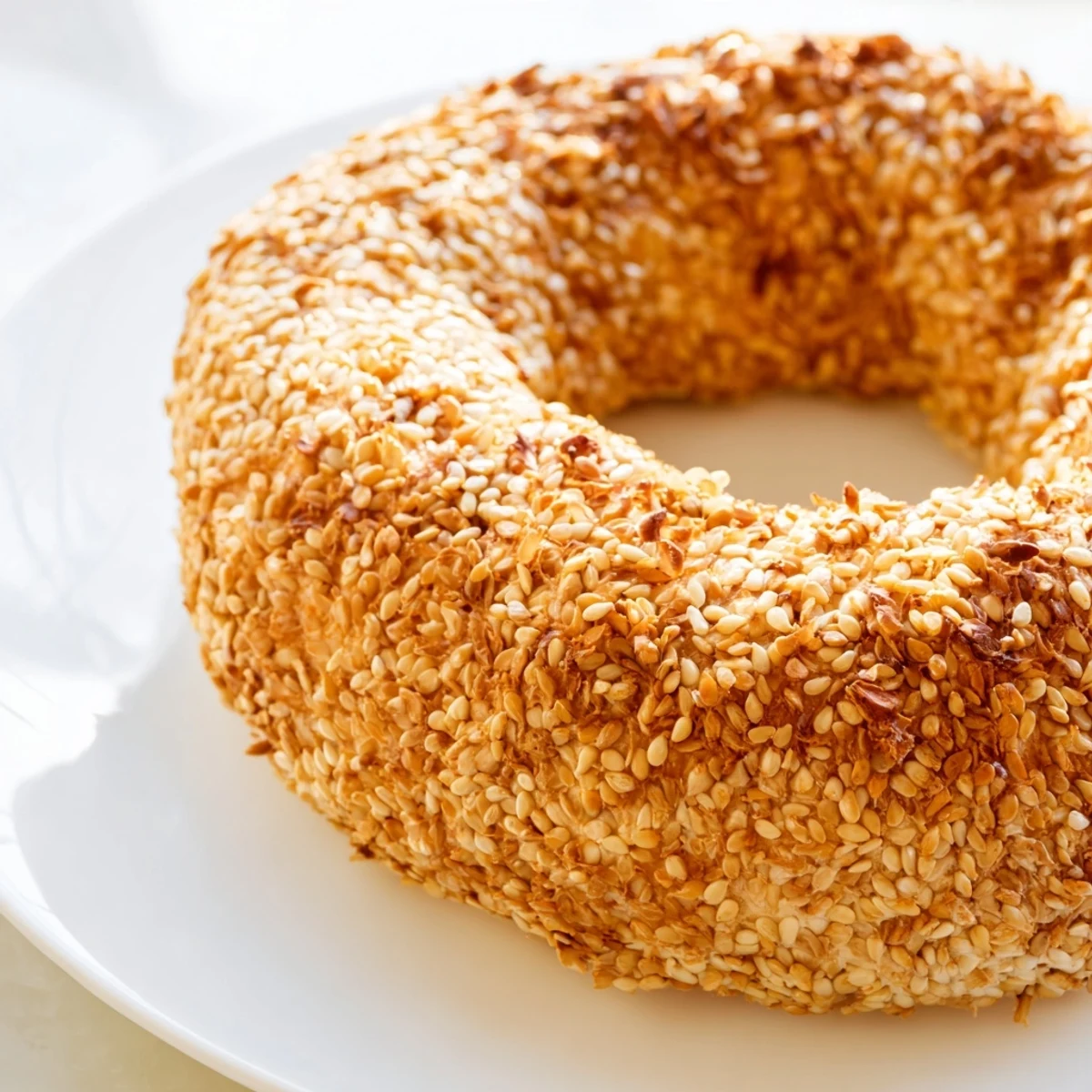
The molasses-water dip creates a sticky surface that allows the sesame seeds to adhere thoroughly. During baking at 200°C, the seeds toast to golden-brown while forming a protective crust that keeps the interior soft and airy.
- → Can I prepare the dough ahead of time?
-
Yes, after the initial rise you can refrigerate the dough for up to 24 hours. Let it come to room temperature for about 30 minutes before shaping into rings, then continue with the dipping and baking steps.
- → What toppings work well with sesame bread rings?
-
These rings pair beautifully with Mediterranean spreads like hummus or tzatziki, soft cheeses such as feta or labneh, olives, and fresh herbs. They're also lovely with honey or fruit preserves for a sweet breakfast variation.
- → How should I store leftover bread rings?
-
Store in an airtight container at room temperature for 2-3 days. For longer storage, freeze individually wrapped and reheat in a 180°C oven for 5-7 minutes to restore crispness. Avoid refrigerating as this accelerates staling.
- → Can I substitute the molasses in the dipping mixture?
-
Honey works as an excellent substitute for molasses, providing similar stickiness and a slightly lighter flavor. Maple syrup or agave nectar can also be used, though they may produce a subtly different taste profile.
- → Why is the dough kneaded for 8-10 minutes?
-
Proper kneading develops gluten structure, creating the elasticity needed to form ropes that hold their ring shape without springing back. This also ensures the final texture is chewy rather than tough or dense.