
 Save
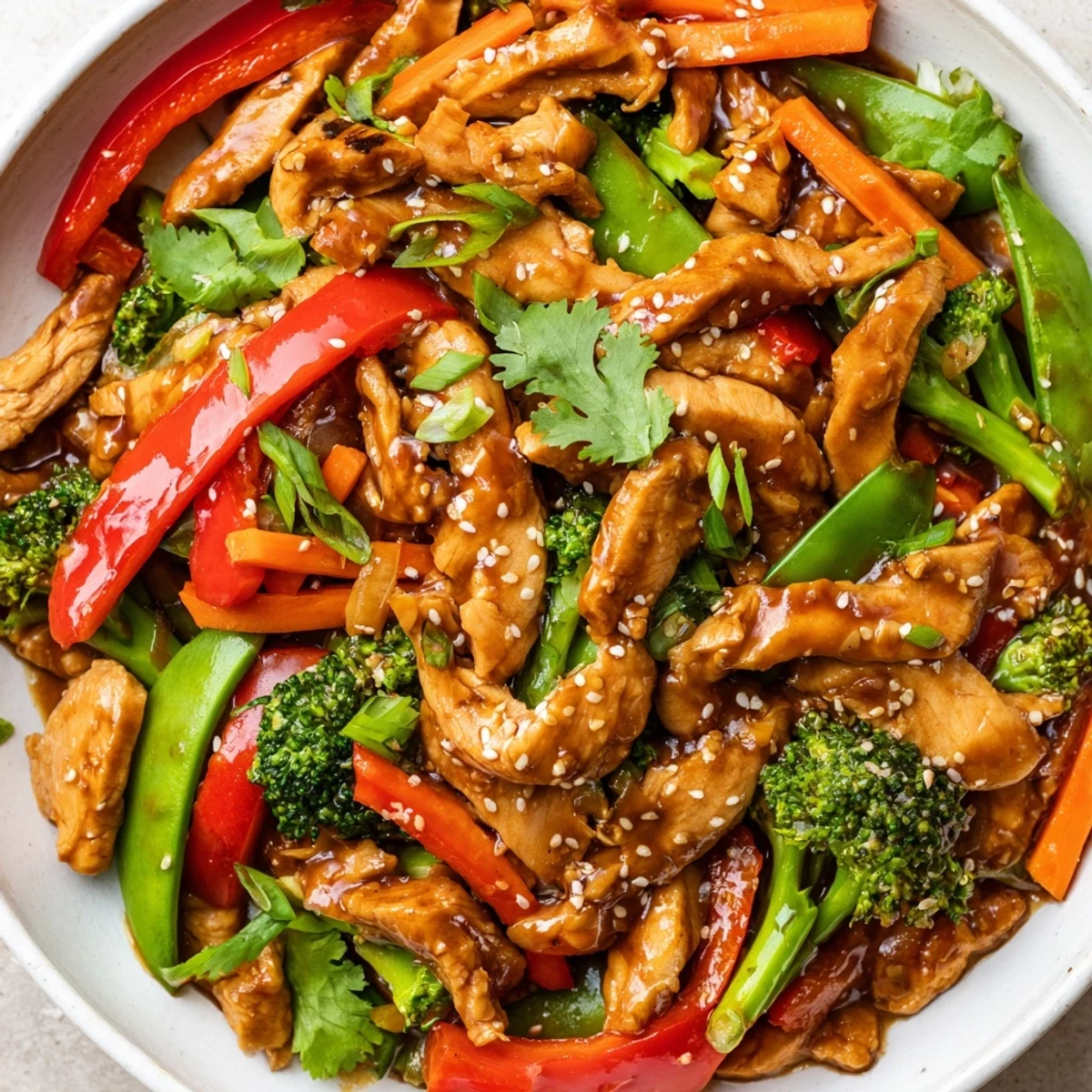
Save This vibrant stir fry combines thinly sliced chicken breast with colorful vegetables like red bell pepper, broccoli, and snap peas. The savory sauce features soy sauce, toasted sesame oil, honey, and rice vinegar, creating a perfect balance of salty, sweet, and tangy flavors. Ready in under 30 minutes, this dish is ideal for busy weeknights when you want something nutritious and delicious without spending hours in the kitchen.
The first time I made this stir-fry was on a Tuesday evening after a particularly chaotic day at work. I needed something fast, comforting, and aromatic enough to make my tiny apartment feel like home. As the sesame oil hit the hot pan, the whole kitchen filled with this incredible toasted fragrance that instantly melted away the stress.
My roommate walked in halfway through cooking and literally paused in the doorway, following the smell like a cartoon character. She ended up eating straight from the wok while I was still plating, which I took as the highest possible compliment. Now whenever I see those bright red bell peppers and fresh snap peas at the market, I grab them instinctively.
Ingredients
- Boneless chicken breast: Slice it as thin as you possibly can against the grain, almost translucent. This trick lets the meat absorb more sauce and cook lightning fast without drying out.
- Red bell pepper: The sweetness here balances the salty soy sauce beautifully. Cut them into uniform strips so they cook evenly alongside the other vegetables.
- Broccoli florets: Fresh broccoli gives you that satisfying crunch. Cut them into bite sized pieces so they are tender but still have texture after the quick stir fry.
- Carrot: Julienned carrots add natural sweetness and gorgeous color. Use a vegetable peeler to create long thin ribbons if you do not feel like doing precise knife work.
- Snap peas: These stay crisp even after cooking and bring such a fresh pop to every bite. Trim the ends and pull off the tough string if they have one.
- Garlic and ginger: Fresh is non negotiable here. The aromatic base builds layers of flavor that you simply cannot get from powdered or jarred versions.
- Soy sauce: Low sodium gives you more control over the salt level. You can always add more but you cannot take it back once its too salty.
- Sesame oil: This is the flavor MVP of the whole dish. Toasted sesame oil has such a deep nutty aroma that a little goes a long way.
- Honey: Just enough to round out the sharpness of the soy sauce and help the sauce cling to the chicken and vegetables. It creates that glossy restaurant quality finish.
- Rice vinegar: Adds a subtle brightness that cuts through the rich sesame oil. It makes every taste feel complete and balanced.
- Cornstarch: Mix it with cold water before adding it to the sauce. This prevents lumps and gives you that velvety thickened consistency that coats everything perfectly.
- Sesame seeds: Toast them for 30 seconds in a dry pan before garnishing. The extra step brings out their nutty flavor and adds a beautiful crunch.
Instructions
- Make the sauce first:
- Whisk the soy sauce, sesame oil, honey, rice vinegar, cornstarch mixture, and sriracha in a small bowl until completely smooth. The honey needs to fully dissolve so the sauce is consistent.
- Cook the chicken:
- Heat half the oil in a wok over medium high heat until it shimmers. Add the chicken in a single layer and let it sear undisturbed for a minute before tossing. Cook until golden and cooked through.
- Sauté the aromatics:
- Add the remaining oil along with the garlic and ginger. Stir constantly for about 30 seconds until fragrant but do not let them burn or they will turn bitter.
- Add the vegetables:
- Toss in the bell pepper, broccoli, carrot, and snap peas. Stir fry for 3 to 4 minutes until the vegetables are bright and crisp tender. They should still have some crunch.
- Combine everything:
- Return the chicken to the pan. Pour in the sauce and toss everything together. Cook for 2 to 3 minutes until the sauce thickens and coats everything beautifully. Stir in the green onions right before serving.
 Save
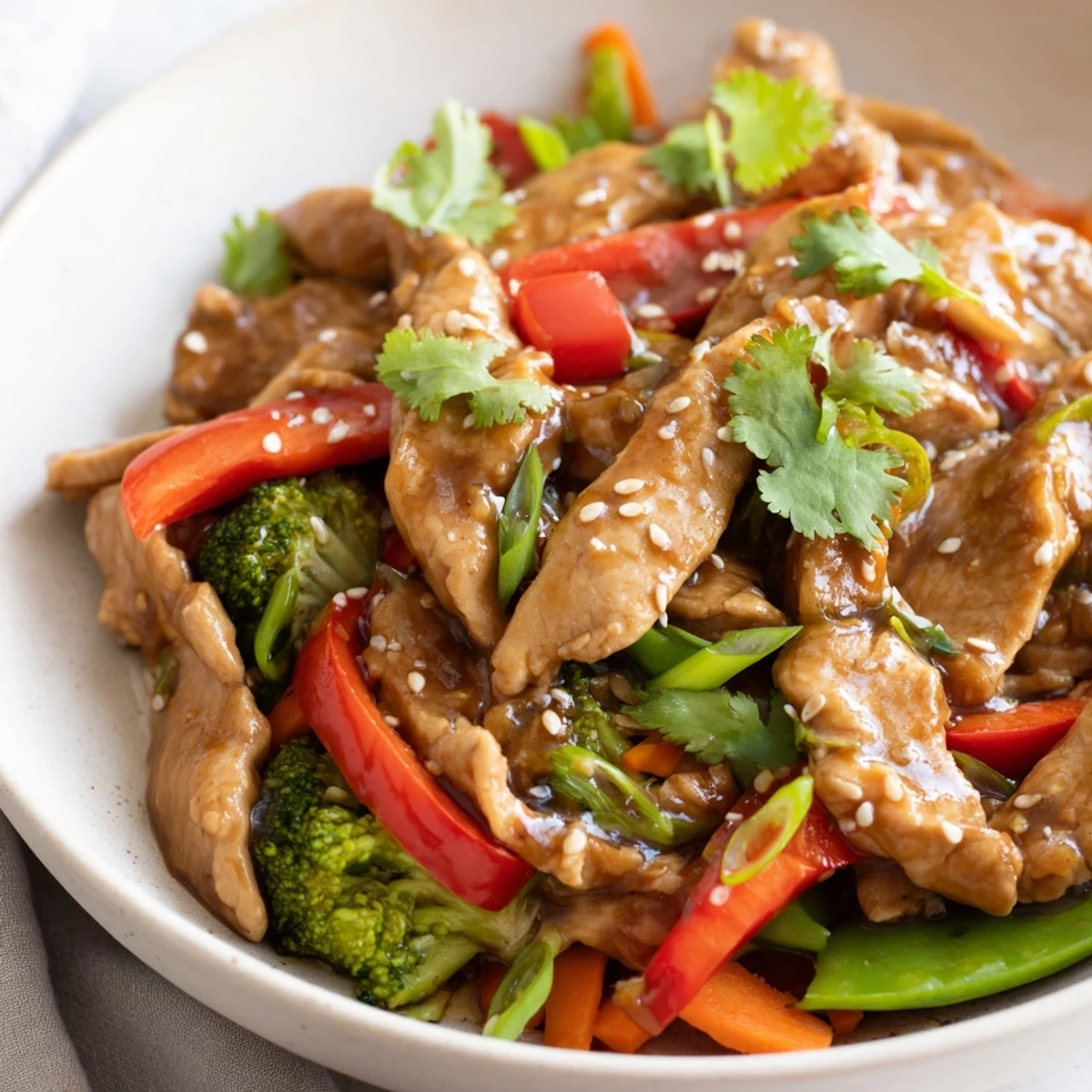
Save This recipe became my go to for friends who claim they cannot cook. Something about watching the transformation from raw ingredients to a glossy fragrant dinner makes people feel like kitchen wizards. I have seen the same skeptical look turn into proud surprise at least a dozen times.
Getting the Perfect Texture
The secret is high heat and constant movement. You want those vegetables to cook quickly so they keep their crunch and vibrant color. If your stove is not very powerful, work in smaller batches to maintain that sizzling sear.
Making It Your Own
Once you have the basic technique down, this becomes a template for whatever looks good at the market. Mushrooms, baby corn, water chestnuts, and bok choy all work beautifully here. The sauce is versatile enough to carry almost any vegetable combination you choose.
Meal Prep Like a Pro
Slice all your vegetables the night before and store them in the refrigerator. The sauce can be mixed and kept in a jar for up to a week. When you are ready to cook, everything comes together in minutes.
- Cook the rice first so it is ready when the stir fry is done
- Have all ingredients prepped and near the stove before you turn on the heat
- Warm your plates so the dinner stays hot longer
 Save
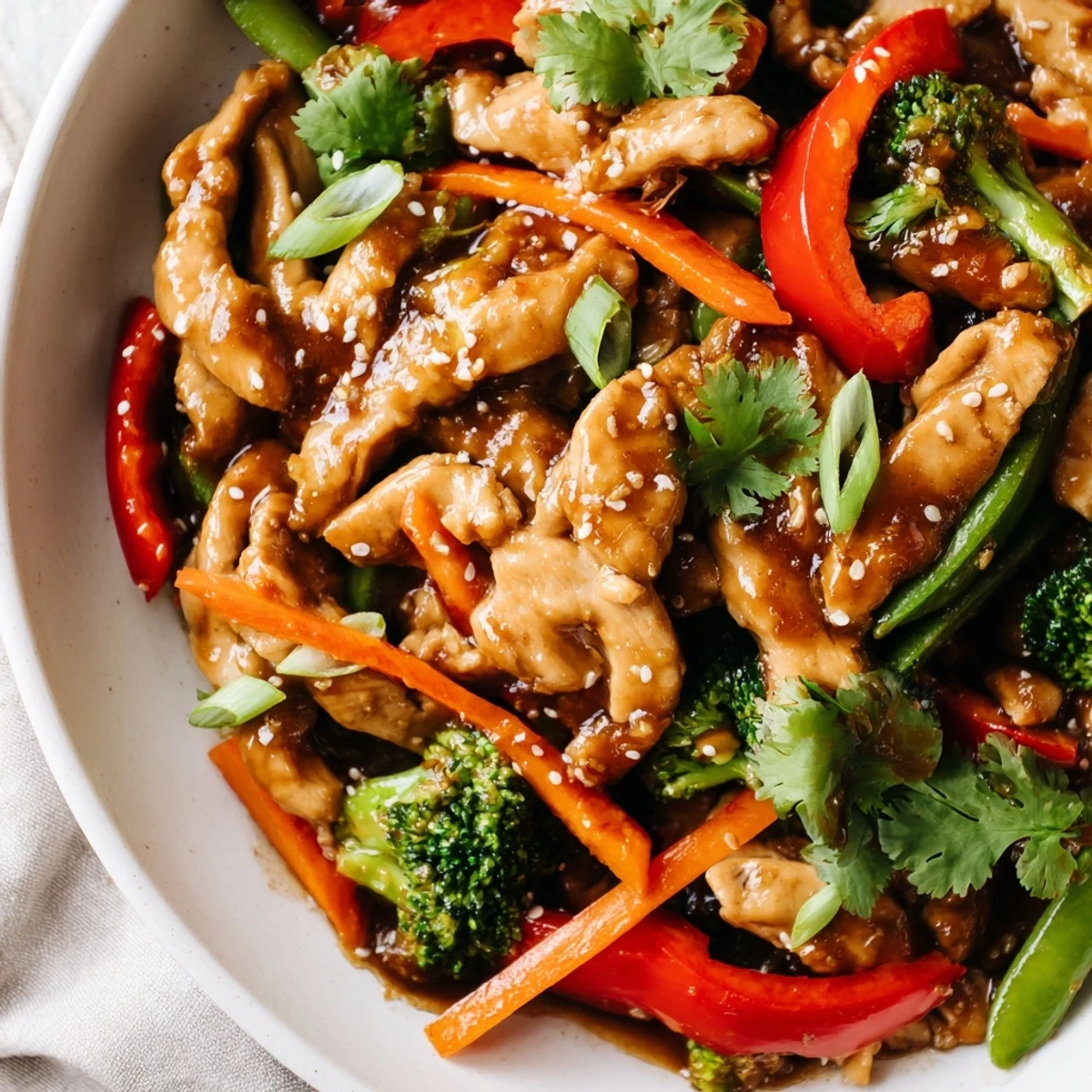
Save Garnish generously with those toasted sesame seeds and fresh herbs. They are not just decoration. They add bursts of flavor and texture that make every bite exciting.
Questions & Answers
- → Can I make this ahead of time?
-
You can prep the ingredients in advance—slice the chicken and vegetables, and mix the sauce. Store everything separately in the refrigerator for up to 24 hours. Stir fry just before serving for the best texture and flavor.
- → What vegetables work best in this stir fry?
-
Red bell pepper, broccoli florets, julienned carrots, and snap peas provide great color and crunch. You can also add mushrooms, baby corn, bok choy, or snow peas based on what's in season or your personal preference.
- → Is this dish spicy?
-
The base version is mild with just a hint of heat from garlic and ginger. The sriracha is optional, so you can control the spice level. Add more chili sauce if you prefer a spicier kick, or omit it entirely for a family-friendly version.
- → What should I serve with this?
-
Steamed white rice, brown rice, or noodles are classic accompaniments that help soak up the flavorful sauce. You can also serve it over cauliflower rice for a low-carb option or with quinoa for extra protein.
- → Can I use a different protein?
-
Absolutely. Firm tofu works well for a vegetarian version—press and cube it before cooking. Shrimp, beef strips, or pork tenderloin also pair beautifully with the sesame-soy sauce. Adjust cooking time as needed for your chosen protein.
- → How do I prevent the sauce from being too salty?
-
Using low-sodium soy sauce helps control saltiness. You can also balance the flavors with additional honey or a splash more rice vinegar. Taste the sauce before adding it to the pan and adjust according to your preference.