
 Save
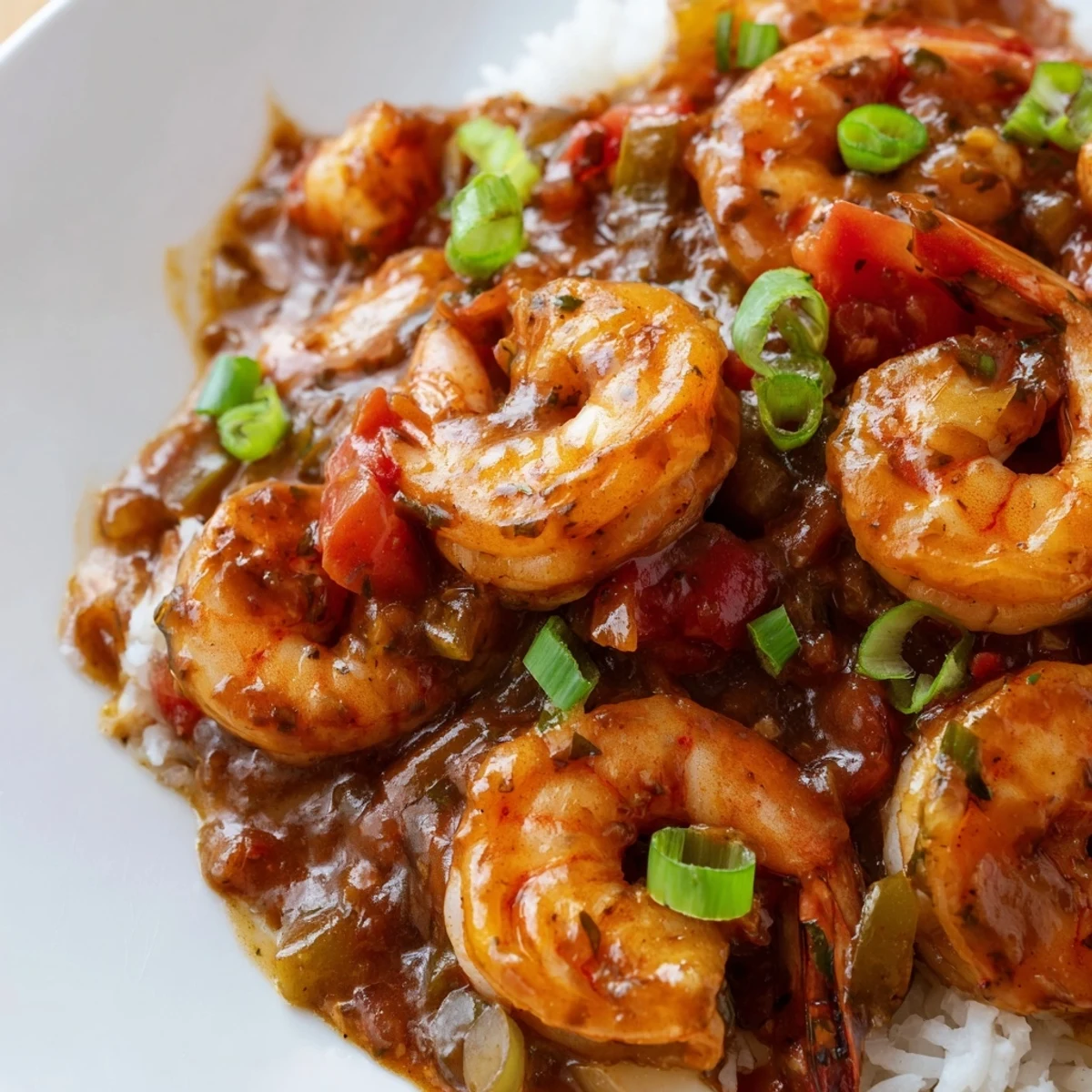
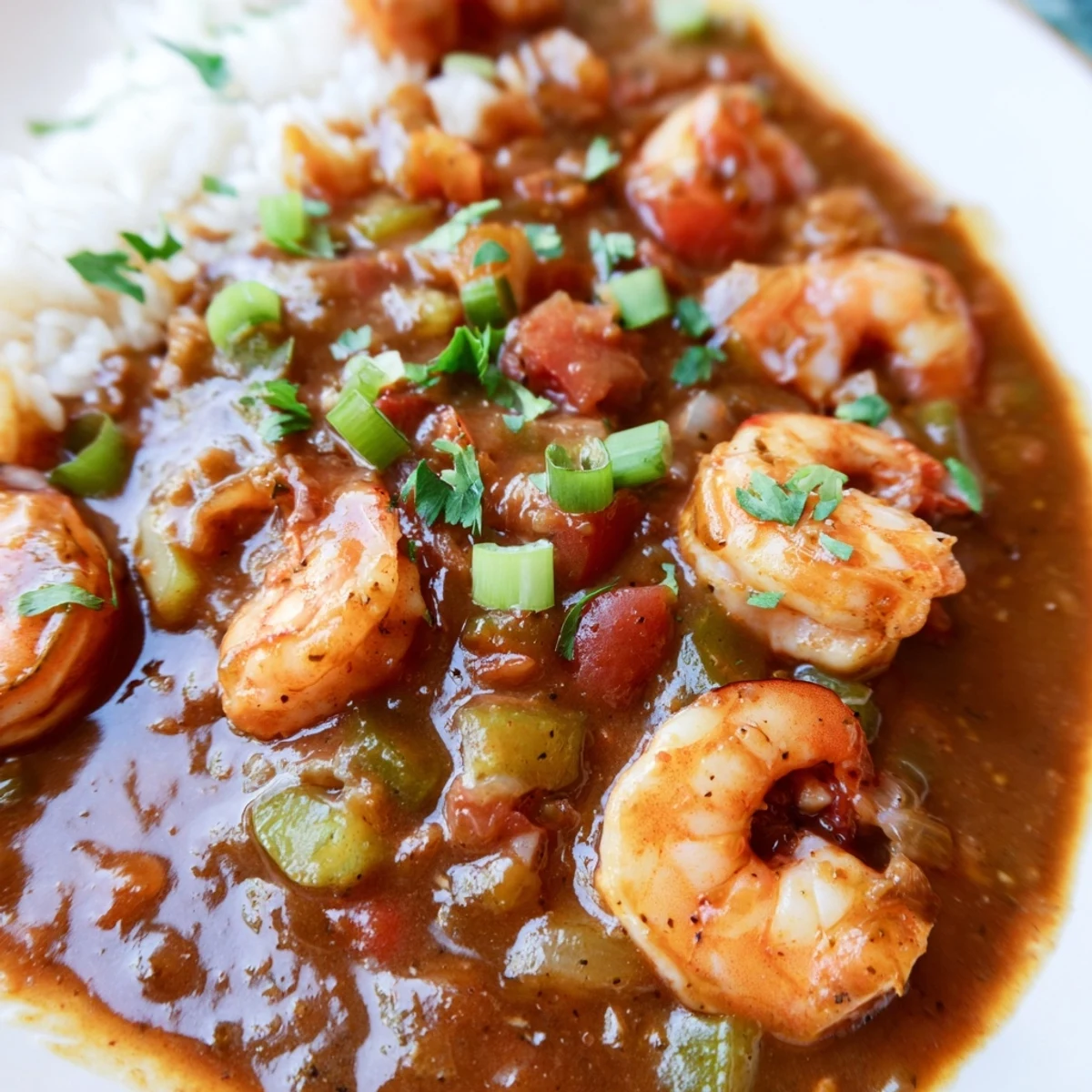
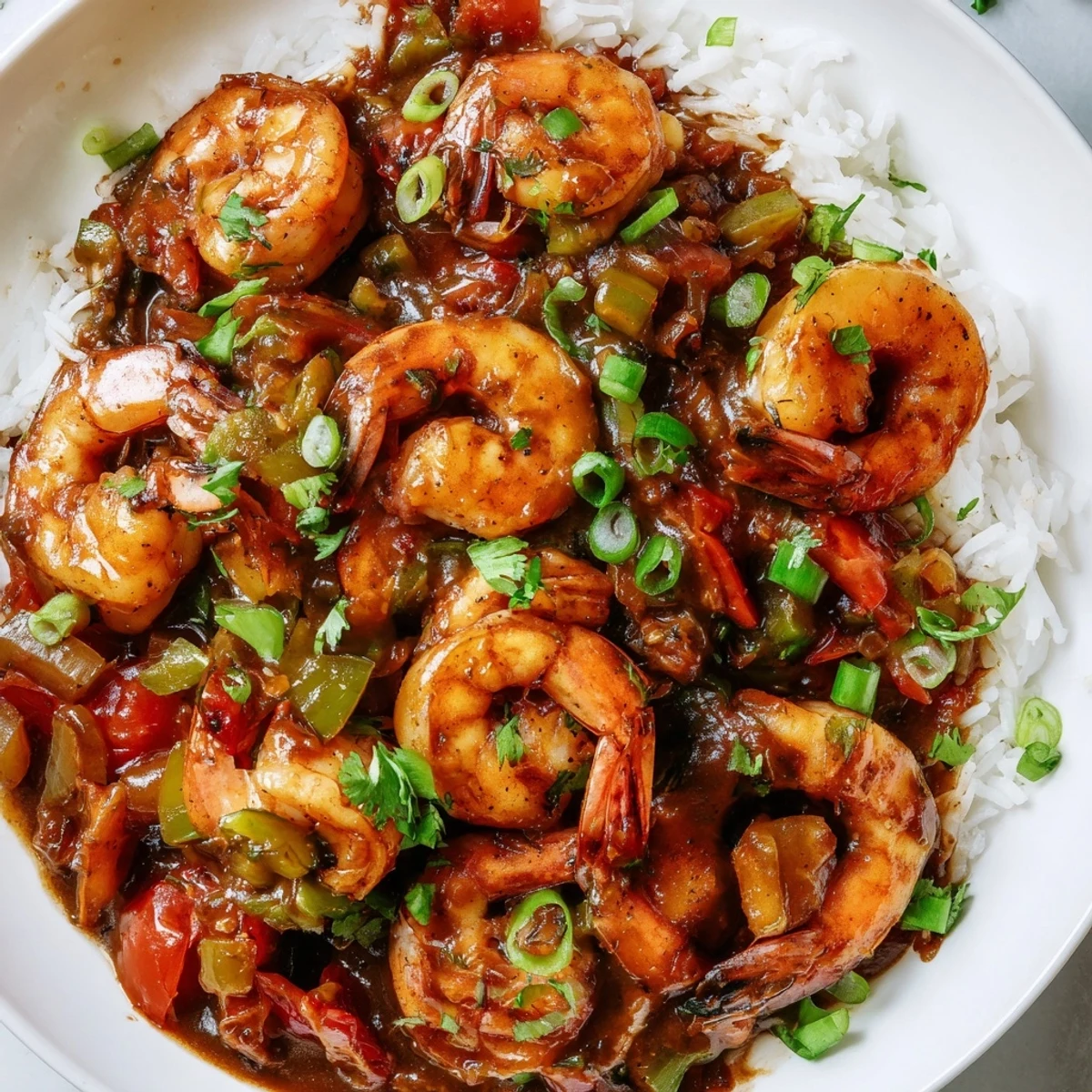
Save This authentic Louisiana Creole dish features plump shrimp simmered slowly in a deeply caramelized roux, creating a luxuriously thick sauce infused with aromatic vegetables and bold Cajun spices. The classic holy trinity of onion, celery, and bell pepper forms the flavor foundation, while smoky paprika and optional cayenne provide gentle heat. Serve this comforting étouffée steaming over mounds of fluffy white rice for a complete meal that captures the soul of New Orleans cuisine.
The first time I attempted a proper roux, I stood over that stove for twenty minutes, stirring flour and butter until my arm actually ached. My grandmother would have laughed at my dedication, watching the mixture turn from pale yellow to the color of an old copper penny. She made roux look effortless, always chatting while she stirred, never breaking rhythm. Now I understand why she called it the soul of Louisiana cooking.
I made this for a Mardi Gras dinner party last February, watching my friends go quiet after their first bites. Someone asked if I had spent all day at the stove. I just smiled and kept stirring, knowing the real secret was patience, not hours of labor. Now they request it every time the weather turns even slightly cool.
Ingredients
- 1 1/2 pounds large shrimp: Fresh shrimp makes all the difference here, but if you must use frozen, thaw them completely and pat them dry before seasoning so they sear rather than steam
- 2 teaspoons Creole seasoning: This blend packs the signature punch, but feel free to adjust the heat level based on your guests tolerance
- 1/2 cup finely chopped onion, celery, and bell pepper each: These three vegetables form the holy trinity of Creole cooking, providing the aromatic foundation that everything else builds upon
- 2 cloves garlic, minced: Add this toward the end of sautéing the vegetables to prevent burning, which would make the entire sauce taste bitter
- 6 tablespoons unsalted butter: Unsalted butter gives you complete control over the final seasoning, and the milk solids help create that gorgeous nutty flavor in the roux
- 1/4 cup all-purpose flour: This transforms the butter into the thickening agent that gives étouffée its characteristic velvety texture
- 2 cups seafood or chicken stock: The liquid that brings everything together, seafood stock intensifies the shrimp flavor while chicken stock provides a neutral base
- 1 (14.5-ounce) can diced tomatoes, drained: These add subtle acidity and sweetness that balances the rich roux without making the sauce too thin
- 2 bay leaves: Remove these before serving, but let them work their magic during cooking to add an earthy, herbal depth
- 1/2 teaspoon dried thyme: This herb bridges the gap between the vegetables and the seafood, tying all the flavors together
- 1/2 teaspoon smoked paprika: The smoked variety adds an extra layer of complexity that regular paprika simply cannot provide
- 1/4 teaspoon cayenne pepper: Optional for those who like heat, but even a tiny pinch wakes up the entire dish
- Salt and freshly ground black pepper: Taste as you go, remembering that the Creole seasoning already contains salt
- 4 cups cooked white rice: The perfect blank canvas to soak up all that glorious sauce, long-grain rice works best here
- 2 tablespoons chopped green onions and parsley each: These provide a fresh finish that cuts through the richness of the roux
- Lemon wedges: A squeeze of bright acid right before serving makes all the flavors sing
Instructions
- Season the shrimp:
- Toss the peeled and deveined shrimp with 1 teaspoon of Creole seasoning until evenly coated, then set them aside while you prepare the base.
- Make the roux:
- Melt the butter in a large heavy-bottomed skillet or Dutch oven over medium heat, then gradually whisk in the flour, stirring constantly until the mixture transforms into a deep golden brown, about 8 to 10 minutes.
- Cook the holy trinity:
- Add the onion, celery, and bell pepper to the roux, stirring often until the vegetables have softened and the raw smell has disappeared, about 5 minutes.
- Add the garlic:
- Stir in the minced garlic and cook for just 1 minute, watching carefully so it does not burn and turn bitter.
- Build the flavor base:
- Mix in the diced tomatoes, bay leaves, thyme, paprika, remaining Creole seasoning, and cayenne pepper if you are using it.
- Add the stock:
- Slowly pour in the stock while stirring constantly to prevent any lumps from forming, then bring everything to a simmer and cook uncovered for 10 to 15 minutes until the sauce has thickened nicely.
- Cook the shrimp:
- Add the seasoned shrimp to the pot and cook just until they turn pink and are cooked through, about 3 to 4 minutes, then season with salt and pepper to taste.
- Finish and serve:
- Remove from heat and discard the bay leaves, then spoon the étouffée over cooked rice and garnish with green onions, parsley, and lemon wedges on the side.
 Save
Save My daughter requested this for her birthday dinner this year, which felt like the biggest compliment of all. Something about a dish that takes patience and care makes it feel special enough for celebration, even on a Tuesday night.
Getting The Roux Right
The roux requires your full attention, so put away your phone and commit to standing at the stove. I learned the hard way that stepping away for even thirty seconds can mean the difference between perfectly nutty and tragically burnt.
Make It Your Own
While traditional étouffée is made with shrimp, crawfish work beautifully here too, and even chicken makes a satisfying version. The technique stays the same regardless of the protein you choose, which is what makes this recipe so adaptable.
Serving Suggestions
This dish demands to be eaten with good company and plenty of napkins. I like to serve it with ice-cold beer and maybe a simple green salad dressed with vinaigrette to cut through all that rich sauce.
- French bread is essential for sopping up every last drop
- A crisp white wine like Sauvignon Blanc balances the heat beautifully
- Leftovers taste even better the next day, if you somehow have any
 Save
Save There is something deeply satisfying about serving a dish that tastes like it came from a restaurant kitchen but was made with your own hands and patience. That first spoonful, with rice and sauce and tender shrimp all together, makes every minute of stirring absolutely worth it.
Questions & Answers
- → What makes an authentic étouffée?
-
Authentic étouffée begins with a dark roux cooked until deep golden brown, which provides the signature rich flavor and velvety texture. The holy trinity of onion, celery, and bell pepper is essential, along with fresh seafood and traditional Cajun spices like thyme and bay leaves.
- → How dark should the roux be?
-
Cook the roux until it reaches a deep copper or chocolate brown color, typically 8-10 minutes of constant stirring. This deep color develops a nutty, complex flavor that defines traditional Cajun and Creole dishes.
- → Can I make this ahead of time?
-
Yes, the sauce base actually improves after resting in the refrigerator overnight. Prepare through step 6, cool completely, and store. Reheat gently before adding the shrimp, as they only need a few minutes to cook perfectly.
- → What's the difference between étouffée and gumbo?
-
While both start with roux, étouffée is thicker and focuses on one main ingredient smothered in sauce, whereas gumbo is a soup-like stew with multiple ingredients. Étouffée also typically uses a lighter roux than some dark gumbo varieties.
- → Can I substitute the shrimp?
-
Crawfish is the traditional alternative, but you can also use lump crab meat or even diced chicken thighs. Adjust cooking time accordingly—crawfish and crab need only 2-3 minutes, while chicken requires thorough cooking.
- → How do I prevent lumps in the sauce?
-
Whisk the stock slowly while pouring constantly, and ensure your roux is smooth before adding liquid. Keep stirring as the sauce simmers to maintain even consistency.