
 Save
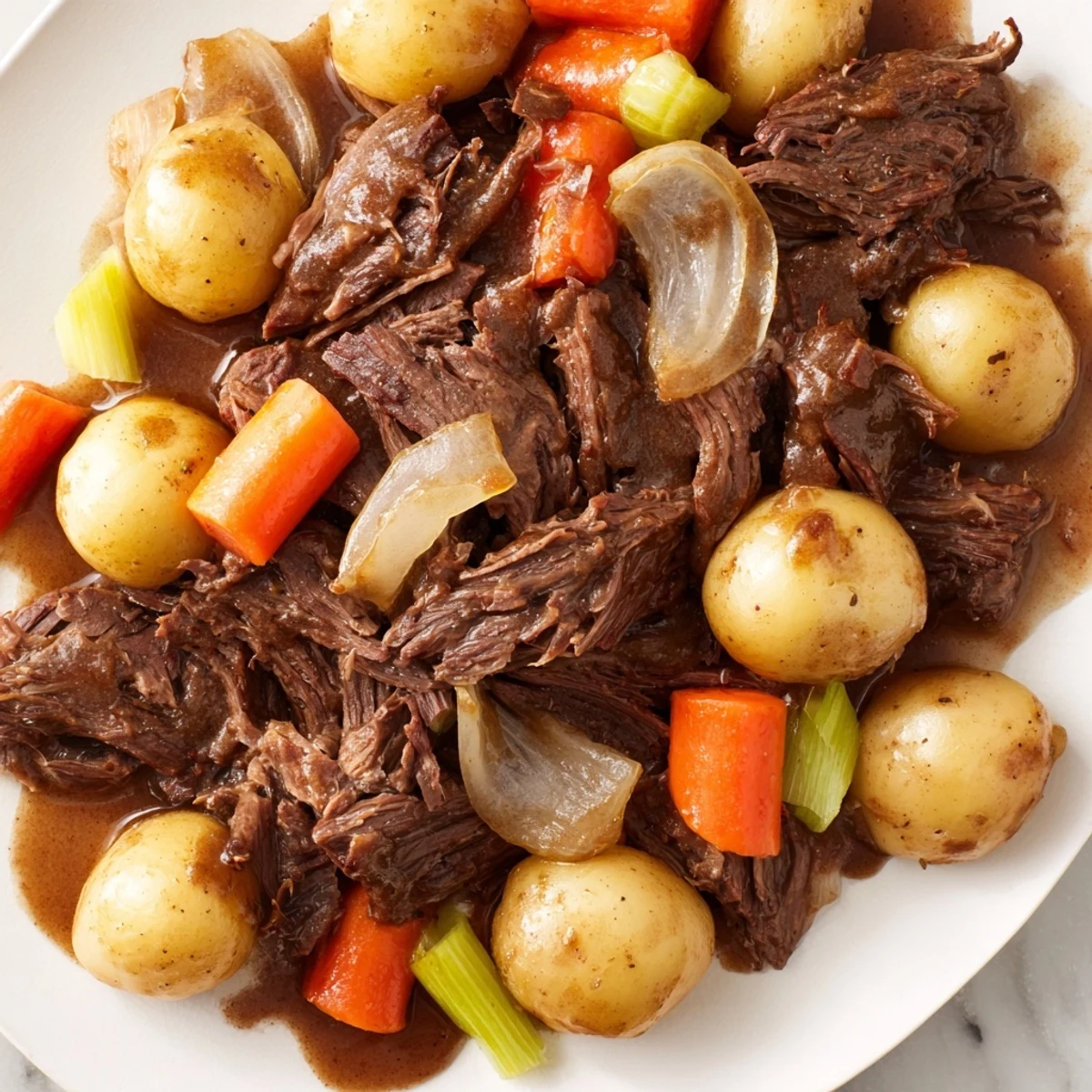
Save This dish features a succulent beef chuck roast slow-braised until fork-tender, nestled among carrots, celery, and baby potatoes. Aromatic herbs like thyme, rosemary, and bay leaves enrich the flavors while garlic and tomato paste build depth. The roast is first seared to lock in juices before slow cooking in a blend of beef broth, red wine, and Worcestershire sauce. The long cooking time transforms the beef and vegetables into a comforting, melt-in-your-mouth meal ideal for a comforting dinner.
I pulled this roast from the slow cooker on a Thursday night after a long day, and the smell alone made my shoulders drop. The beef had been cooking since morning, filling the house with that deep, wine-and-herb warmth that makes you forget whatever went wrong earlier. My neighbor knocked just to ask what I was making.
The first time I served this, I forgot to buy fancy sides because I didnt realize the vegetables would cook right in with the meat. My dad sopped up the sauce with bread and said it was better than any steakhouse meal hed paid for. I stopped overthinking dinner after that.
Ingredients
- Beef chuck roast: This cut has enough marbling to stay juicy through long cooking, and it shreds beautifully once its done.
- Carrots: Cut them thick so they hold their shape and soak up all that beefy, herbed liquid.
- Celery: Adds a subtle vegetal sweetness that balances the richness of the beef.
- Yellow onion: Wedges work better than slices because they soften without disappearing into mush.
- Baby potatoes: Halving them lets the insides drink in the broth while the edges stay intact.
- Garlic: Fresh cloves mellow into something sweet and almost buttery after hours in the slow cooker.
- Tomato paste: A quick cook in the skillet deepens its flavor and adds body to the sauce.
- Beef broth: The backbone of the braising liquid, make sure its good quality or the whole dish tastes flat.
- Red wine: It cuts through the fat and adds a grown-up depth, but broth works fine if you skip it.
- Worcestershire sauce: Just enough umami to make everything taste more like itself.
- Thyme and rosemary: Dried herbs hold up better over long cooking and fill the kitchen with that cozy, Sunday-dinner smell.
- Bay leaves: They add a quiet, herbal backbone you only notice when theyre missing.
- Olive oil: For searing the beef until its dark and crusty, which is where half the flavor comes from.
Instructions
- Season the roast:
- Pat the beef completely dry with paper towels so the salt and pepper stick, then season every side like you mean it. Wet meat wont brown properly, and bland meat stays bland.
- Sear the beef:
- Heat the oil until it shimmers, then press the roast into the skillet and leave it alone for a few minutes per side until its deeply caramelized. Those dark bits are pure flavor.
- Soften the aromatics:
- Toss the onion and garlic into the same hot skillet and stir until they smell sweet and just start to turn golden. Stir in the tomato paste and let it cook until it darkens a shade.
- Deglaze the pan:
- Pour in the wine and scrape up every stuck-on bit from the bottom of the skillet with a wooden spoon. Let it bubble for a couple minutes until it reduces slightly and smells rich.
- Build the slow cooker:
- Nestle the seared roast in the center, then tuck the carrots, celery, and potatoes around it so everything cooks evenly. Pour the skillet mixture over the top.
- Add the liquids and herbs:
- Pour in the broth and Worcestershire, then sprinkle in the thyme, rosemary, and bay leaves. Everything should be mostly submerged but the top of the roast can peek out.
- Slow cook:
- Cover and set it to low, then walk away for 7 to 8 hours. When you come back, the beef should be so tender it practically falls apart when you poke it with a fork.
- Finish and serve:
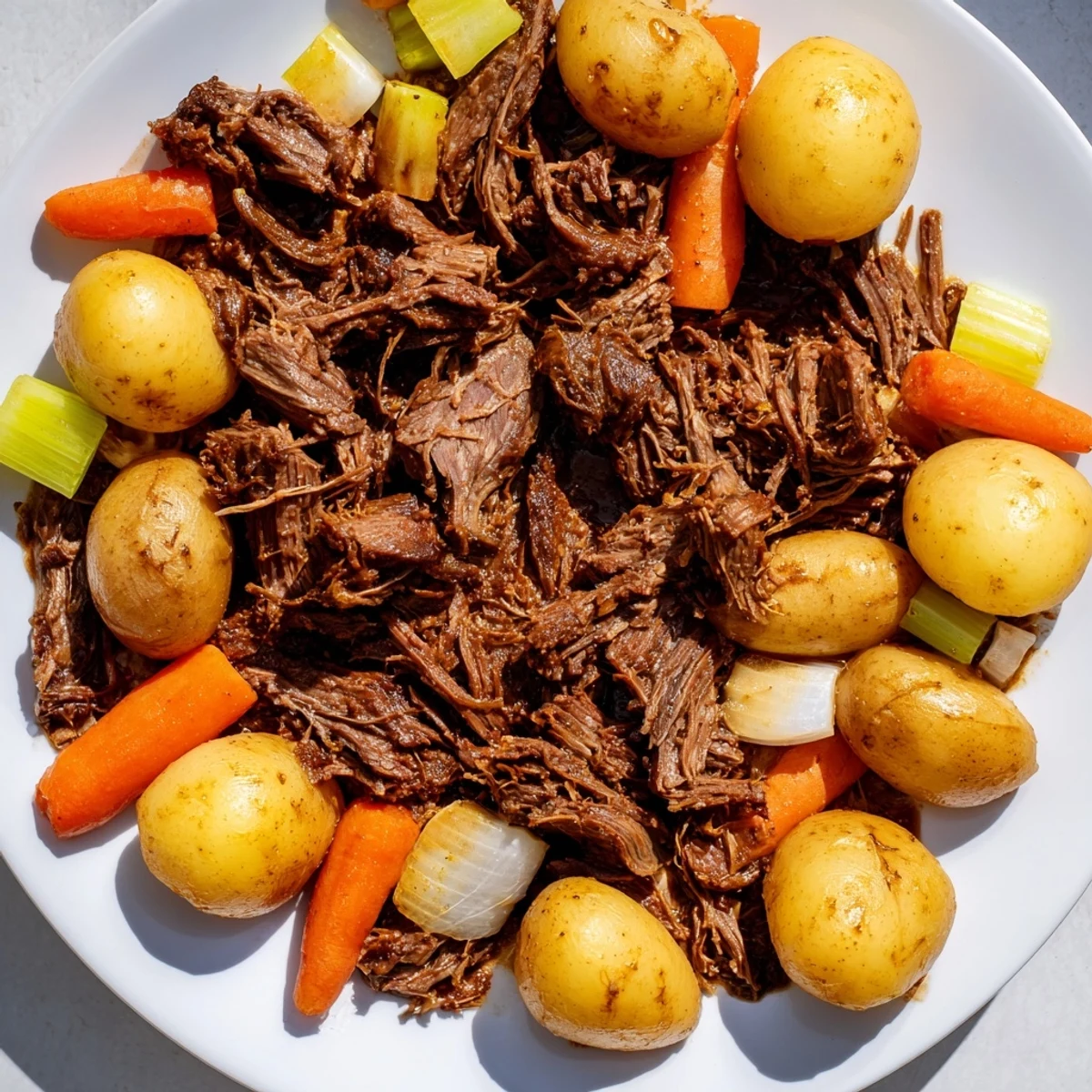
- Fish out the bay leaves, then use two forks to shred the beef into big, rustic chunks. Spoon the vegetables and sauce over everything and serve it straight from the pot.
 Save
Save I remember serving this to friends on a cold Saturday night, and nobody left the table for almost an hour. We just kept passing bowls and pouring wine and talking until the candles burned down. That roast turned dinner into an occasion without me even trying.
Making the Sauce Richer
If the liquid seems thin after cooking, scoop out a cup and whisk in a tablespoon of cornstarch until smooth, then stir it back into the slow cooker and let it sit for a few minutes. The sauce will thicken just enough to cling to the beef and vegetables without feeling heavy or gloppy.
Swapping Vegetables
Turnips and parsnips both hold up beautifully in the slow cooker and add a slightly sweet, earthy flavor that feels a little more interesting than the usual lineup. I like to swap half the potatoes for parsnips when I want the dish to feel a bit more special without changing the recipe.
What to Serve Alongside
This roast is already a full meal with the vegetables cooked right in, but a hunk of crusty bread or a simple green salad with vinaigrette cuts through the richness and makes the plate feel complete.
- Pour a glass of Cabernet Sauvignon or another bold red to match the deep, savory flavors.
- Leftovers make incredible sandwiches the next day, especially on toasted sourdough with a smear of horseradish.
- If youre feeding a crowd, double the recipe and use a larger slow cooker, everything scales up perfectly.
 Save
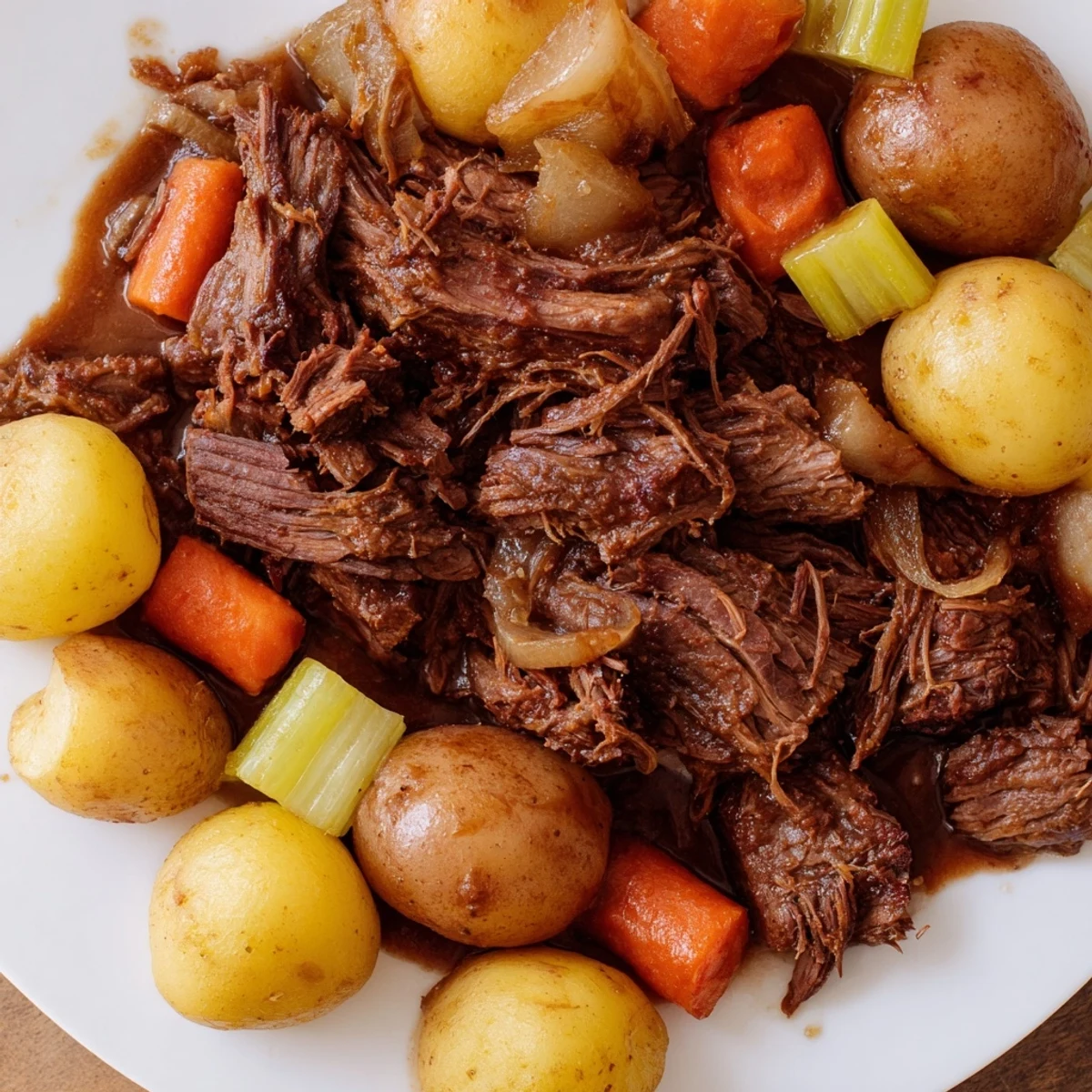
Save This is the kind of meal that makes you feel like youve got it together, even on days when you absolutely dont. Set it up in the morning, and by dinnertime youll have something worth gathering around.
Questions & Answers
- → How do I achieve a tender pot roast?
-
Slow cooking the beef chuck roast over low heat for several hours breaks down connective tissue, resulting in tender, juicy meat.
- → Can I use a different cut of beef?
-
Chuck roast is ideal for slow braising due to its marbling; however, brisket or rump roast can also work well when cooked low and slow.
- → What vegetables complement this dish best?
-
Carrots, celery, onions, and baby potatoes absorb the rich braising liquid and develop soft, flavorful textures.
- → Is it necessary to sear the meat first?
-
Searing locks in juices and adds a deep, caramelized crust that enhances the overall flavor of the dish.
- → How can I thicken the sauce?
-
Remove a portion of the cooking liquid, whisk in cornstarch, then stir the mixture back into the slow cooker to thicken.
- → Can red wine be omitted or substituted?
-
Yes, you can replace red wine with additional beef broth for similar moisture and depth without alcohol.