
 Save
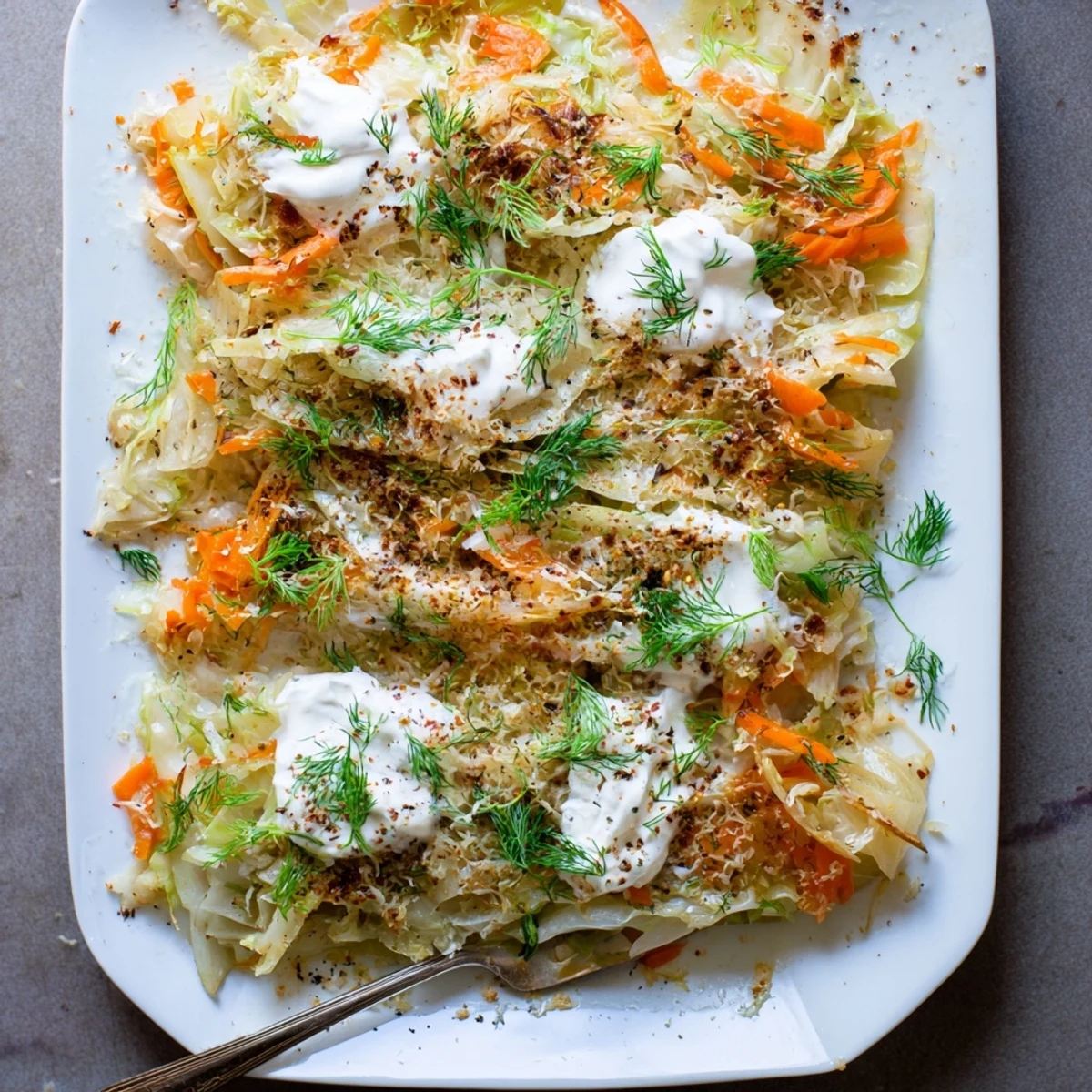
Save This comforting casserole brings together tender slow-roasted cabbage and tangy sauerkraut in layers that meld beautifully during hours of gentle baking. Aromatic caraway seeds and smoked paprika infuse every bite with warm Eastern European flavors, while a touch of grated apple balances the tanginess. The result is a hearty, satisfying dish that develops incredible depth as the vegetables slowly caramelize in the oven.
Perfect for family dinners or meal prep, this naturally vegetarian and gluten-free casserole improves with time, making it ideal for preparing ahead. Serve with crusty bread or boiled potatoes for a complete meal that's both nourishing and deeply flavorful.
The smell of cabbage roasting low and slow in the oven is one of those quiet kitchen smells that fills every corner of the house and makes people wander in asking when dinner will be ready. My neighbor actually knocked on my door once thinking I was brewing something unusual, and ended up staying for two helpings. This casserole turned a doubter into someone who now makes it every other week through winter.
I first threw this together on a freezing January evening when the fridge held nothing but half a cabbage and a jar of sauerkraut that had been pushed to the back corner for weeks. What started as desperation cooking became the dish my family now requests the moment autumn leaves start turning. My daughter calls it the cozy green blanket, and honestly that name fits better than any fancy title I could give it.
Ingredients
- 1 medium green cabbage, about 2 lb, cored and sliced into thin strips: The foundation of the whole dish, and cutting it thin ensures every bite gets tender without turning to mush during the long roast.
- 2 medium onions, thinly sliced: They melt into sweetness during cooking and form a flavor base that makes everything taste richer than it has any right to be.
- 2 cloves garlic, minced: Fresh garlic only here, as the subtle bite cuts through the richness and wakes up all the other flavors.
- 2 large carrots, grated: These add a gentle sweetness and a pop of color that keeps the dish from looking too monotone on the plate.
- 3 cups sauerkraut, drained and lightly rinsed: Rinsing tames the sharpness just enough so it complements rather than overwhelms the mild cabbage.
- 1 apple, peeled and grated: A quiet secret ingredient that bridges the gap between tangy sauerkraut and earthy cabbage with natural sweetness.
- 1 cup vegetable broth: Provides the moisture needed for that slow, steamy roast that transforms tough cabbage into something silky.
- 1/4 cup dry white wine, optional: Adds a lovely depth, but the dish is completely satisfying without it if you prefer to skip alcohol.
- 2 tbsp olive oil: Just enough to sauté the aromatics and keep everything from sticking without making the casserole greasy.
- 1 tsp caraway seeds: The soul of this dish, giving it that unmistakable Eastern European warmth that ties every ingredient together.
- 1 tsp smoked paprika: A whisper of smoke that makes a vegetarian dish taste like it spent hours over an open fire.
- 1/2 tsp ground black pepper and 1/2 tsp salt: Simple seasoning adjusted to taste, and you can always add more at the table but never take it away.
- 2 tbsp fresh dill, chopped, plus extra for garnish: Fresh dill brightens the entire casserole and makes the kitchen smell like a proper European kitchen.
- 1/2 cup sour cream or dairy free alternative, optional: A creamy crown that pulls everything together in the final minutes of baking.
- 1/4 cup grated cheese or vegan cheese, optional: For those who want a golden, slightly crisped top that makes serving feel a little more special.
Instructions
- Preheat and prepare your dish:
- Set your oven to 325 degrees F and grease a large casserole dish with a little olive oil so nothing sticks during the long roast ahead.
- Build the aromatic base:
- Warm olive oil in a large skillet over medium heat and sauté the sliced onions until they turn translucent and fragrant, about 5 minutes, then stir in the minced garlic for one more minute until your kitchen smells incredible.
- Wilt and season the cabbage:
- Add the shredded cabbage to the skillet and cook it, stirring occasionally, until it softens and reduces in volume, about 5 to 7 minutes, then fold in the grated carrots, salt, pepper, caraway seeds, and smoked paprika until evenly coated.
- Prepare the sauerkraut mixture:
- In a bowl, combine the drained sauerkraut with the grated apple and chopped dill, tossing gently so the apple distributes evenly throughout.
- Layer everything with care:
- Spread half the cabbage mixture across the bottom of your prepared casserole dish, then top with half the sauerkraut mixture, and repeat both layers once more so you end up with beautiful, distinct strata.
- Add the cooking liquid:
- Pour the vegetable broth and white wine, if using, slowly and evenly over the entire casserole so every layer gets a drink before heading into the oven.
- Slow roast covered:
- Cover the dish tightly with foil or a lid and slide it into the oven for a full hour, letting the steam work its magic on those layered vegetables until everything is deeply tender.
- Uncover and brown the top:
- Remove the foil, turn the oven up to 375 degrees F, and continue baking uncovered for another 30 to 45 minutes until the top turns a lovely golden brown and most of the liquid has cooked away.
- Finish with the topping:
- If using sour cream or cheese, spread and sprinkle them over the top during the last 10 minutes of baking so they melt into a creamy, irresistible finish.
- Rest and garnish:
- Let the casserole sit for 10 minutes before serving so the layers settle, then scatter fresh dill over the top and bring it to the table while still bubbling at the edges.
 Save
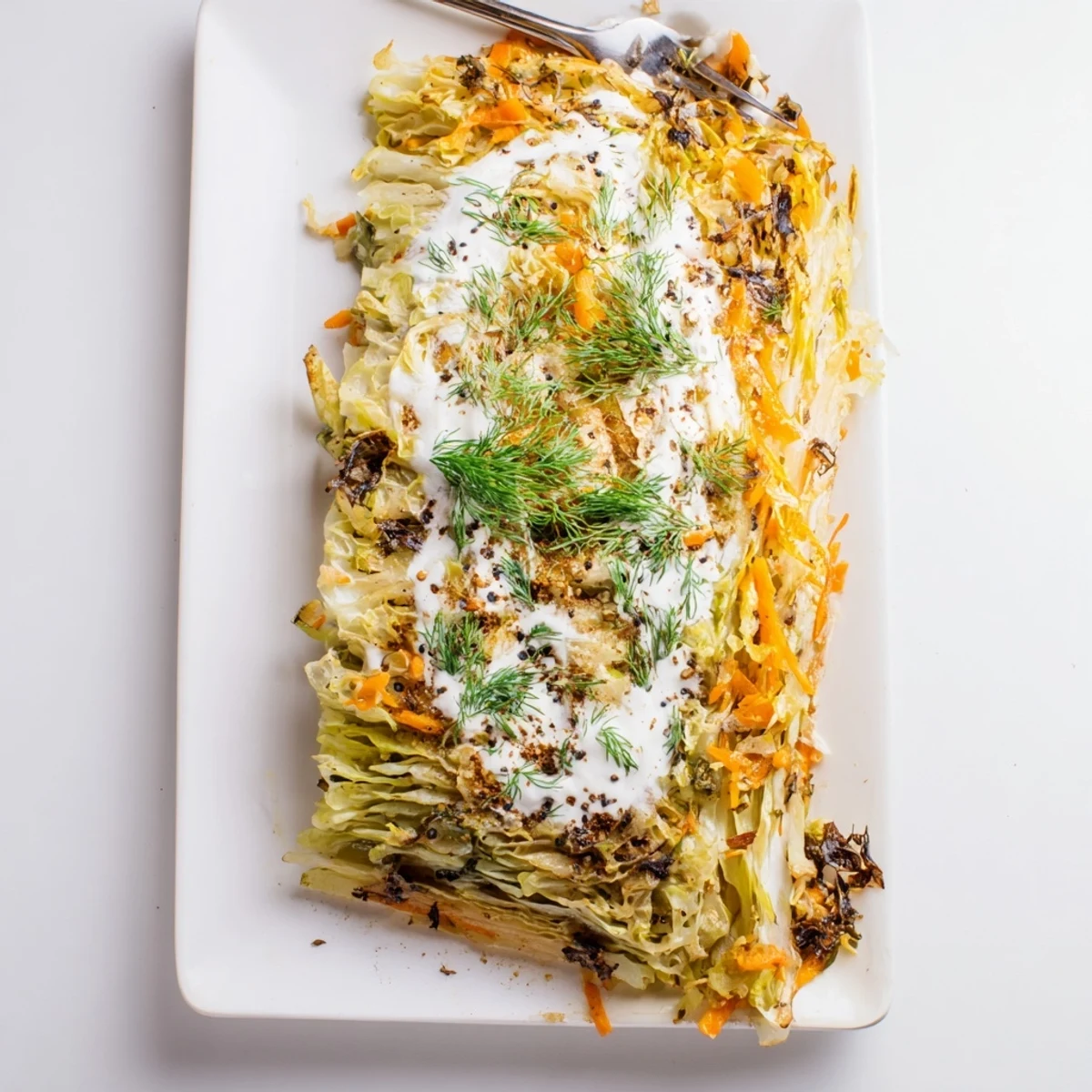
Save There is something about carrying this dish to the table that makes everyone at it sit up a little straighter and reach for their plates a little faster. It has become our New Years Day tradition, eaten lazily on the couch with crusty bread and absolutely no rush to do anything else.
Making It Your Own
The beauty of this casserole is how forgiving it is once you understand the basic layering concept. Toss in sautéed mushrooms or cooked lentils between layers for extra heartiness, or swap the dill for thyme if that is what your garden is giving you. I have even added leftover roasted potatoes and called it a one pot meal.
What to Serve Alongside
Boiled potatoes with butter and parsley are the classic pairing, and honestly hard to beat. Crusty bread works beautifully for soaking up every bit of the flavorful liquid that settles at the bottom. A glass of dry Riesling alongside turns a humble Tuesday dinner into something that feels genuinely celebratory.
Storage and Reheating Advice
This casserole actually tastes better the next day, which makes it perfect for preparing ahead or packing as lunches throughout the week. Store it covered in the refrigerator for up to four days and reheat portions gently in the oven or microwave until warmed through.
- Freeze individual portions in airtight containers for up to three months for a ready made comfort meal on busy nights.
- Bring frozen portions to room temperature before reheating to avoid soggy edges.
- A fresh sprinkle of dill after reheating wakes everything back up beautifully.
 Save
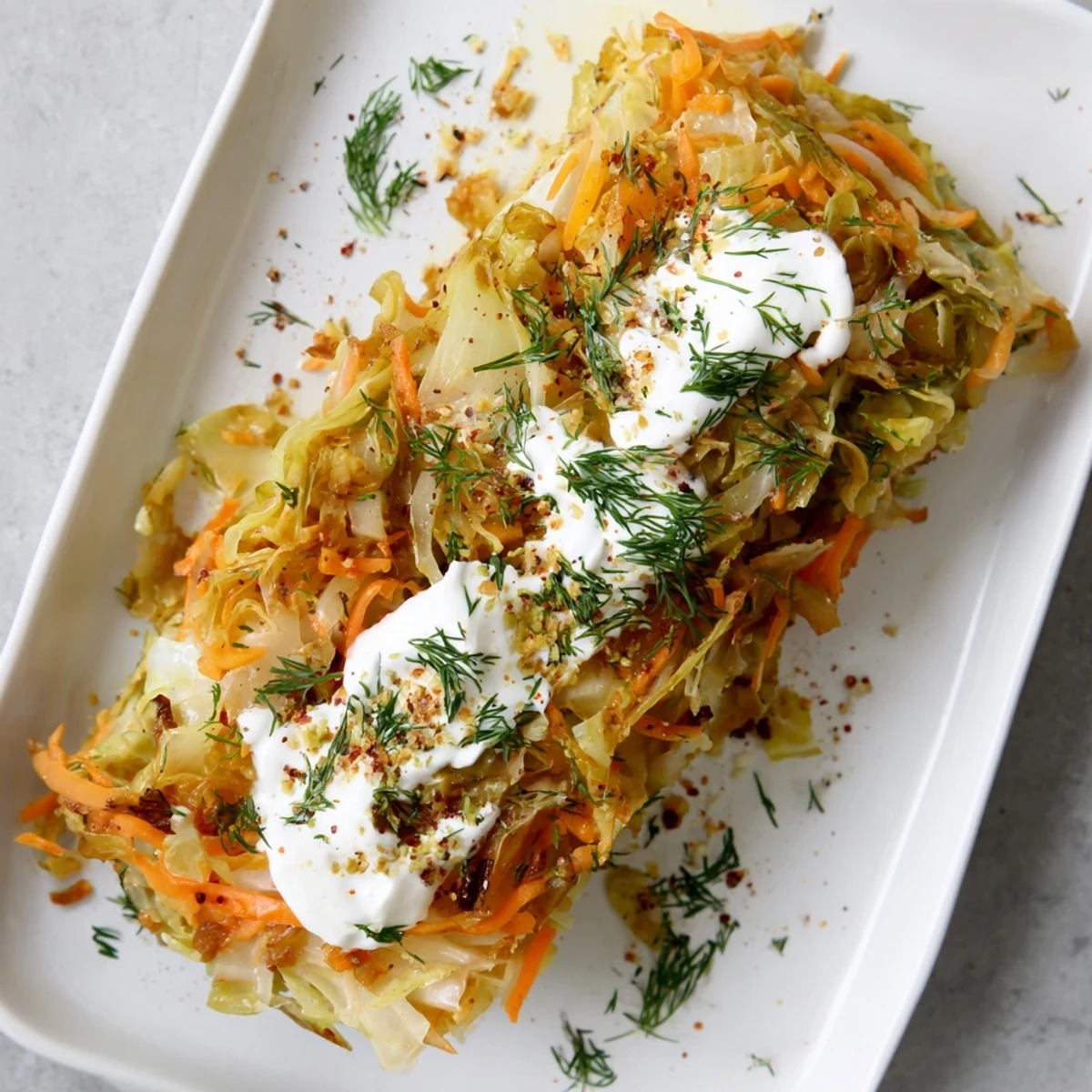
Save Some dishes feed the body, and this one feeds something deeper, wrapping everyone who eats it in a warmth that has nothing to do with the oven temperature. Make it once, and it will quietly become part of your kitchen story too.
Questions & Answers
- → Can I make this ahead of time?
-
Yes, this casserole actually improves when made ahead. The flavors meld and deepen overnight in the refrigerator. Reheat covered at 350°F until warmed through, about 20-25 minutes.
- → How do I store leftovers?
-
Store in an airtight container in the refrigerator for up to 5 days. The flavors continue to develop over time. It also freezes well for up to 3 months - thaw overnight before reheating.
- → Can I use red cabbage instead?
-
Absolutely. Red cabbage works beautifully and will create a vibrant purple-hued dish. Note that the color may bleed into the sauerkraut layers, but the flavor remains equally delicious.
- → Is slow roasting necessary or can I cook it faster?
-
Slow roasting is essential for the best texture and flavor. The long, gentle cooking time allows the cabbage to become tender and sweet while the sauerkraut mellows. Faster cooking will result in crunchier, less cohesive layers.
- → What pairs well with this casserole?
-
Crusty bread, boiled potatoes, or German-style potato pancakes make excellent sides. For a complete meal, serve with a simple green salad dressed with vinaigrette to cut through the richness.
- → Can I add protein to make it more substantial?
-
Yes. Sautéed mushrooms, cooked lentils, or white beans can be layered between the cabbage and sauerkraut. For non-vegetarian versions, diced smoked sausage or bratwurst works wonderfully.