
 Save
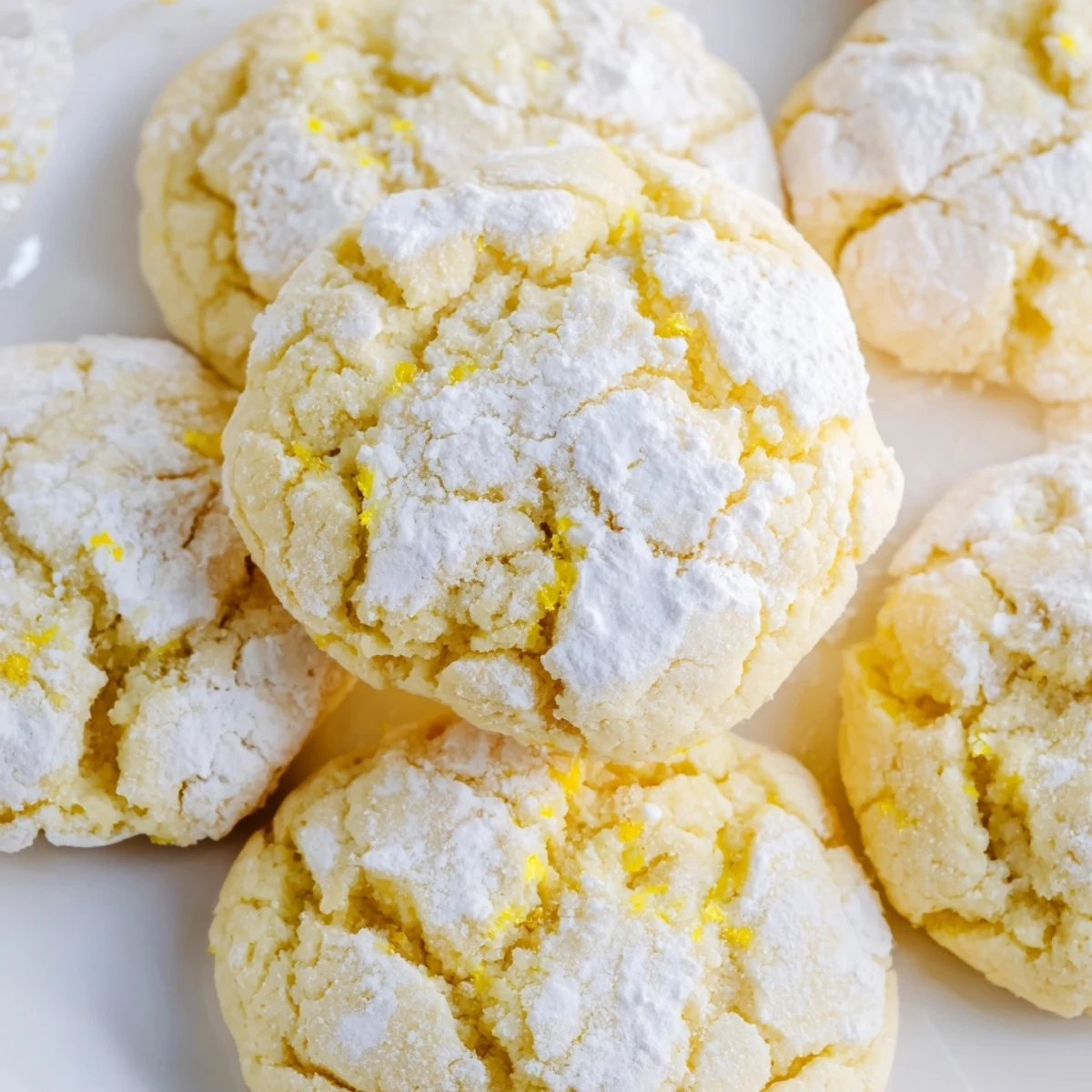
Save These soft chewy lemon cookies combine fresh lemon juice and zest with buttery dough to create irresistibly treats. The simple 15-minute preparation lets you whip up a batch whenever citrus cravings strike.
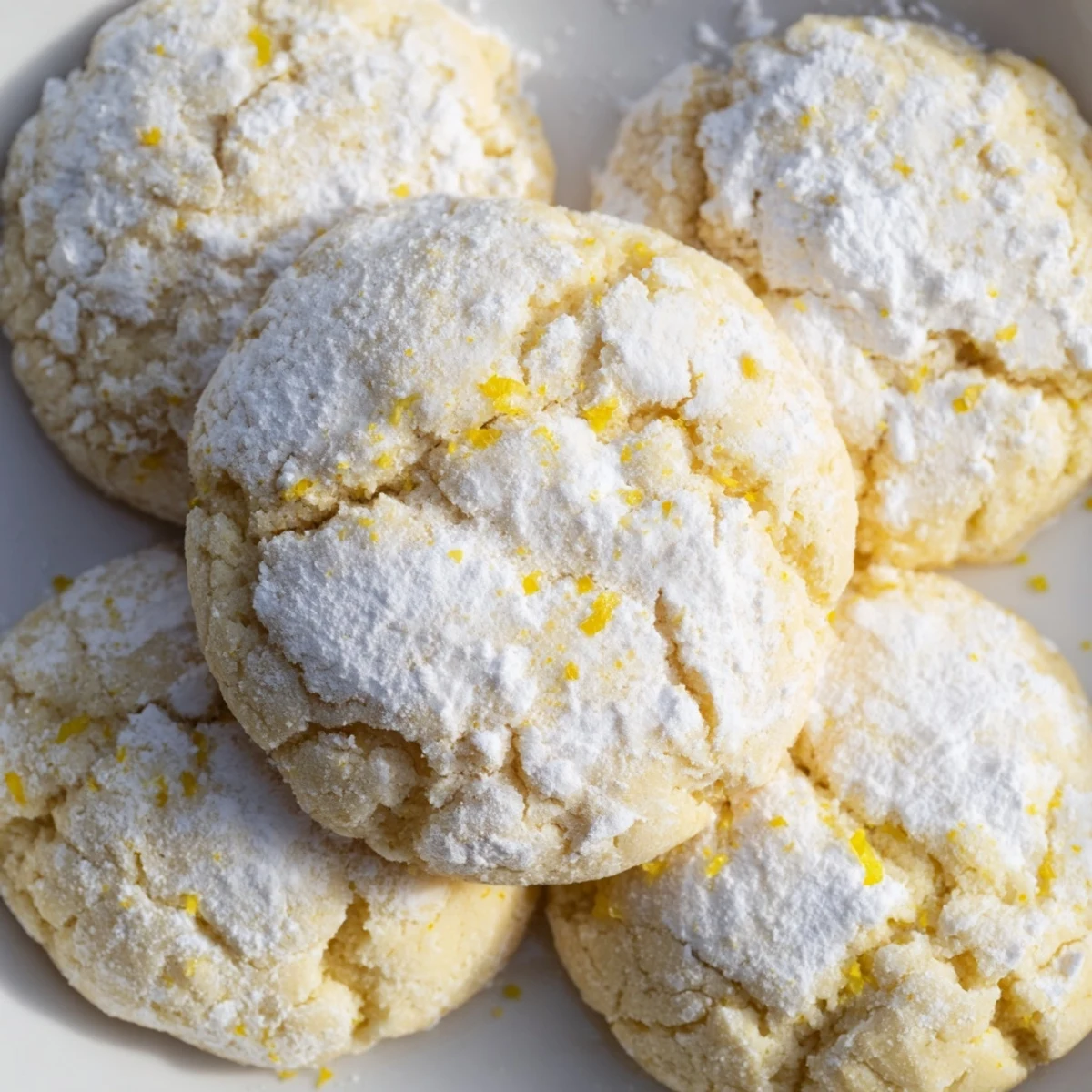
Baking takes just 10 minutes at 180°C, resulting in cookies with set edges and slightly underbaked centers that stay delightfully soft for days. The optional powdered sugar coating adds an elegant finish perfect for serving with Earl Grey tea.
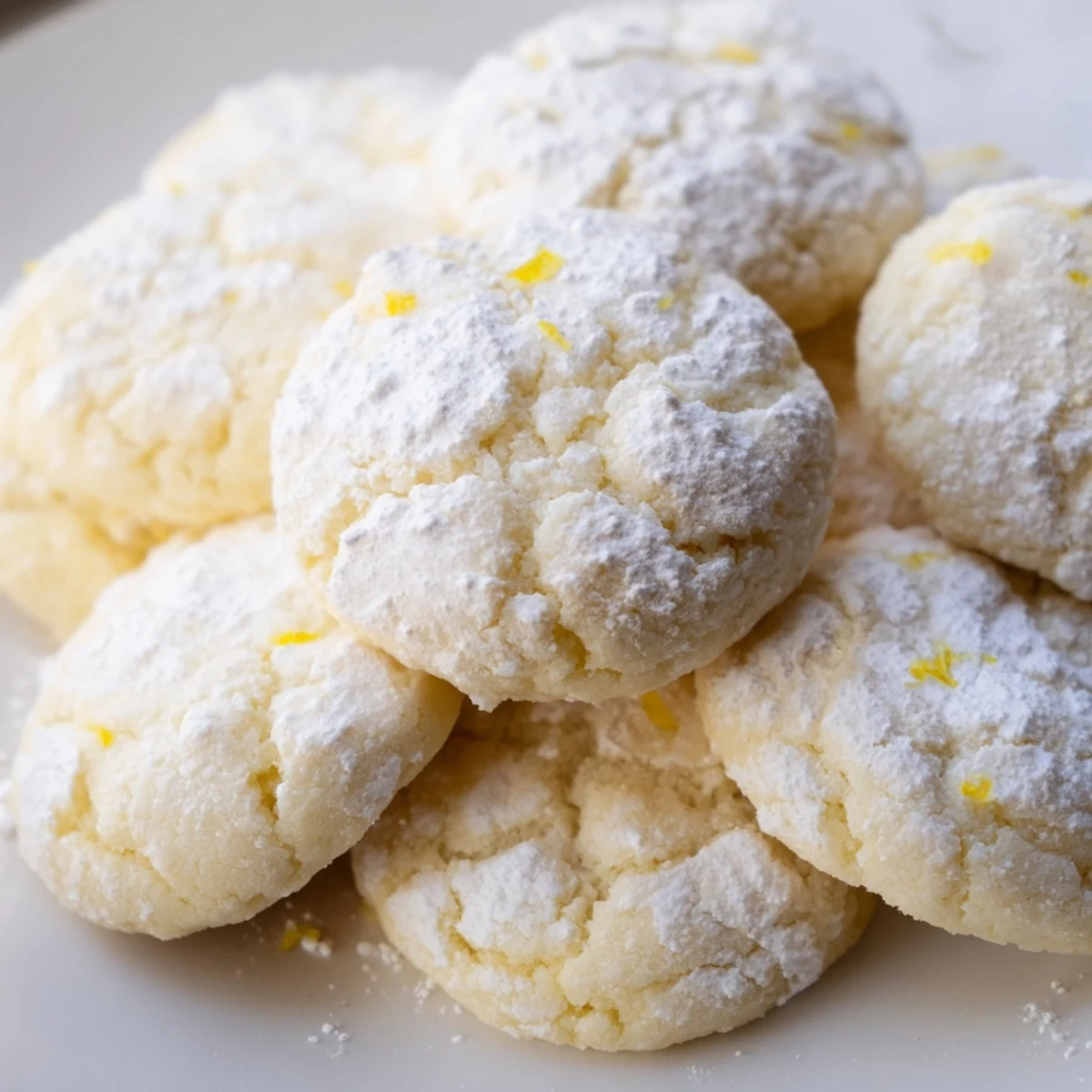
Each batch yields 24 cookies, storing beautifully in airtight containers for up to four days while maintaining their signature chewy texture and bright lemon flavor.
My kitchen still smells like lemons three hours after pulling the last tray out, and honestly I am not complaining. There is something about the sharp sweet perfume of fresh zest hitting softened butter that makes the whole house feel alive. These soft chewy lemon cookies became my go to when I need a win without much effort. They are bright, pillowy, and vanish from the cooling rack before they ever reach a storage container.
I made a double batch for a neighborhood potluck last spring and watched a woman eat four of them standing up before she even said hello to anyone. That was the moment I stopped wondering if they were good enough to share. Now I always tuck a few extra into a separate container labeled mine so they survive the evening.
Ingredients
- Unsalted butter (115 g, softened): Softened means you can press a fingerprint into it gently, not that it is melting or greasy. This is the foundation of that chew so treat it with respect.
- Granulated sugar (200 g): A generous amount, yes, but sugar is doing double duty here as sweetener and texture builder. Do not reduce it or the cookies will spread oddly and dry out.
- Large egg (1): Brings structure and richness, and should be at room temperature so it blends seamlessly into the butter mixture.
- Freshly squeezed lemon juice (2 tablespoons): Bottled juice tastes flat and metallic next to the real thing. Squeeze it fresh and your cookies will reward you.
- Lemon zest (2 teaspoons): This is where the real lemon punch lives, in the oils trapped in the yellow part of the peel. Avoid the white pith underneath because it adds bitterness.
- Vanilla extract (1 teaspoon): Acts as a warm background note that rounds out the citrus and keeps it from tasting one dimensional.
- All purpose flour (250 g): Spoon it into your measuring cup and level it off with a knife to avoid packing too much in. Too much flour turns a chewy cookie into a dry one.
- Baking soda (1/2 teaspoon): Just enough lift to keep them soft without puffing them into little cakes.
- Salt (1/4 teaspoon): A small amount that makes every other flavor louder and more balanced.
- Powdered sugar (30 g, optional for coating): Rolling the dough balls in powdered sugar gives them a crackled, snowy finish that looks beautiful and adds a faint sweetness on the outside.
Instructions
- Preheat and prepare:
- Set your oven to 180 degrees C (350 degrees F) and line two baking sheets with parchment paper. This is also a good moment to clear some counter space because you are about to make a bit of a mess.
- Cream butter and sugar:
- Beat the softened butter and granulated sugar together in a large bowl until the mixture turns pale and looks light and fluffy. Take your time here because this step is what gives the cookies their tender chew.
- Add the wet team:
- Drop in the egg, lemon juice, lemon zest, and vanilla extract, then beat until everything is combined and smells incredible. The mixture might look slightly curdled from the acid but that is completely fine.
- Whisk the dry ingredients:
- In a separate bowl, whisk together the flour, baking soda, and salt so they are evenly distributed before meeting the wet mixture. This prevents little pockets of baking soda from ruining a bite.
- Bring it all together:
- Gradually add the dry ingredients into the wet mixture, stirring gently just until the flour disappears. Stop mixing the second everything is incorporated because overworking the dough builds gluten and makes tough cookies.
- Shape and coat:
- Scoop heaping tablespoons of dough and roll them into balls between your palms. If you are using the powdered sugar coating, roll each ball until lightly covered and place them on the baking sheets 5 cm apart.
- Bake with restraint:
- Bake for 9 to 11 minutes, pulling them out when the edges are just set but the centers still look soft and slightly underbaked. They will continue to firm up on the hot pan after you take them out.
- Cool properly:
- Let the cookies rest on the baking sheet for 5 minutes so they can set without breaking apart. Then transfer them gently to a wire rack to cool completely, if you can resist eating them warm.
 Save
Save One rainy Tuesday I packed a tin of these into a care package for a friend who had been going through a rough patch. She called me that night not to say thank you but to ask, laughing, if I had accidentally sent her an entire bakery.
Getting the Texture Just Right
The difference between a good lemon cookie and a great one comes down to how you handle the dough after the flour goes in. I learned this the hard way after years of overmixing and wondering why my cookies turned out bready instead of soft. The moment the last streak of flour vanishes, put down the spoon and walk away. That restraint is what gives you that irresistible pillowy center.
Pairing Ideas That Work
These cookies are lovely on their own but they truly shine next to a cup of Earl Grey tea, which picks up the citrus notes beautifully. A cold glass of milk works too, especially if you are eating them warm when the edges are still slightly crisp. I have also been known to crumble one over vanilla ice cream on nights when a single dessert simply will not do.
Storing and Making Ahead
Keep baked cookies in an airtight container at room temperature and they will stay soft for up to four days, though mine rarely last past day two. You can also freeze the scooped dough balls on a sheet pan, then transfer them to a bag for impromptu fresh baked cookies whenever the mood strikes.
- Add a few drops of lemon extract to the dough if you want an extra punch of citrus that hits you before the cookie even reaches your mouth.
- If your kitchen is warm and the dough feels sticky, pop it in the fridge for 15 minutes before scooping so it holds its shape better.
- Always zest your lemon before juicing it because a hollowed out lemon is nearly impossible to zest properly.
 Save
Save These little lemon cookies have a way of turning an ordinary afternoon into something worth savoring. Bake a batch, share a few, and keep the rest hidden for yourself.
Questions & Answers
- → Why should I leave the centers slightly underbaked?
-
Slightly underbaked centers ensure the cookies stay soft and chewy rather than becoming crisp or hard. The residual heat continues cooking them during the cooling period on the baking sheet.
- → Can I use bottled lemon juice instead of fresh?
-
Freshly squeezed lemon juice provides the brightest, most authentic flavor. Bottled juice can work in a pinch but may result in a slightly different taste profile. For the best citrusy experience, stick with fresh lemons.
- → How do I know when the cookies are done?
-
The cookies are ready when the edges appear set and lightly golden while the centers still look slightly soft and underbaked. They'll firm up as they cool on the baking sheet for those crucial 5 minutes.
- → What's the purpose of rolling dough in powdered sugar?
-
The powdered sugar coating creates a beautiful crackled appearance as the cookies bake and adds a subtle sweetness that complements the tart lemon flavor. It's completely optional but makes for an elegant presentation.
- → Can I freeze the dough or baked cookies?
-
You can freeze scooped dough balls for up to 3 months. Bake from frozen, adding 1-2 minutes to the baking time. Baked cookies also freeze well for up to 3 months when stored in freezer-safe containers with parchment paper between layers.
- → Why is overmixing discouraged when combining ingredients?
-
Overmixing develops gluten in the flour, which can lead to tough, dense cookies instead of tender, chewy ones. Mix just until the dry ingredients disappear into the wet mixture for the best texture.