
 Save
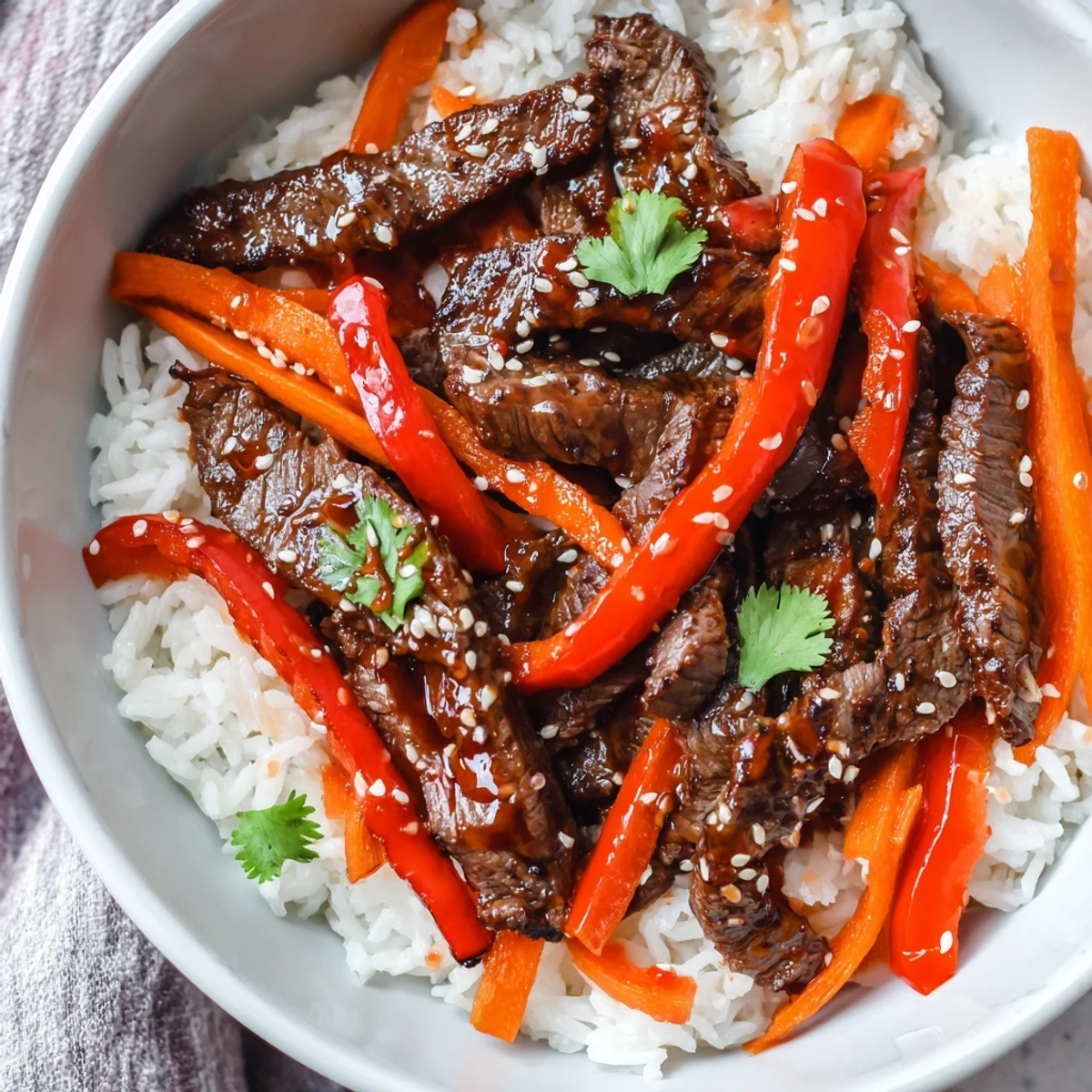
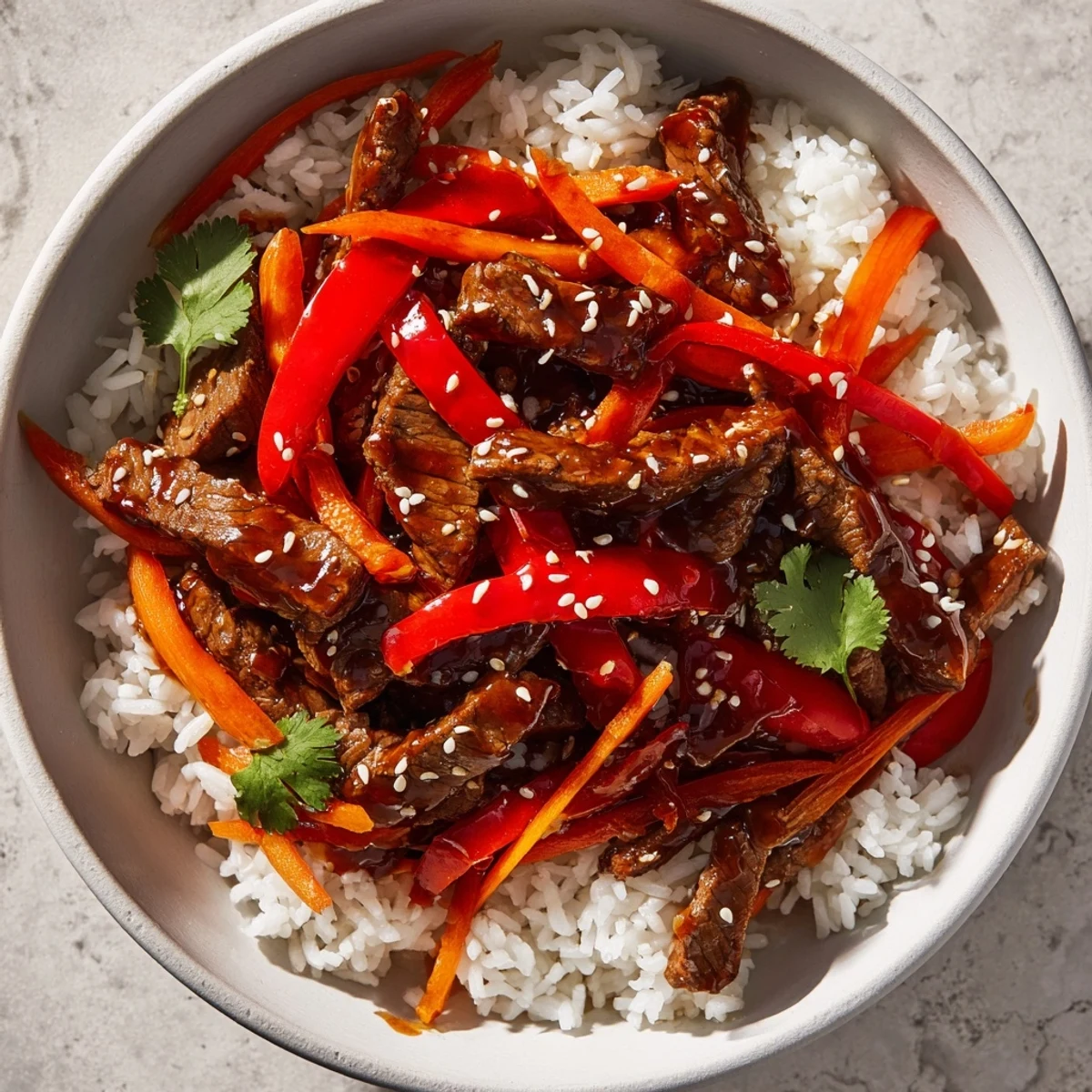
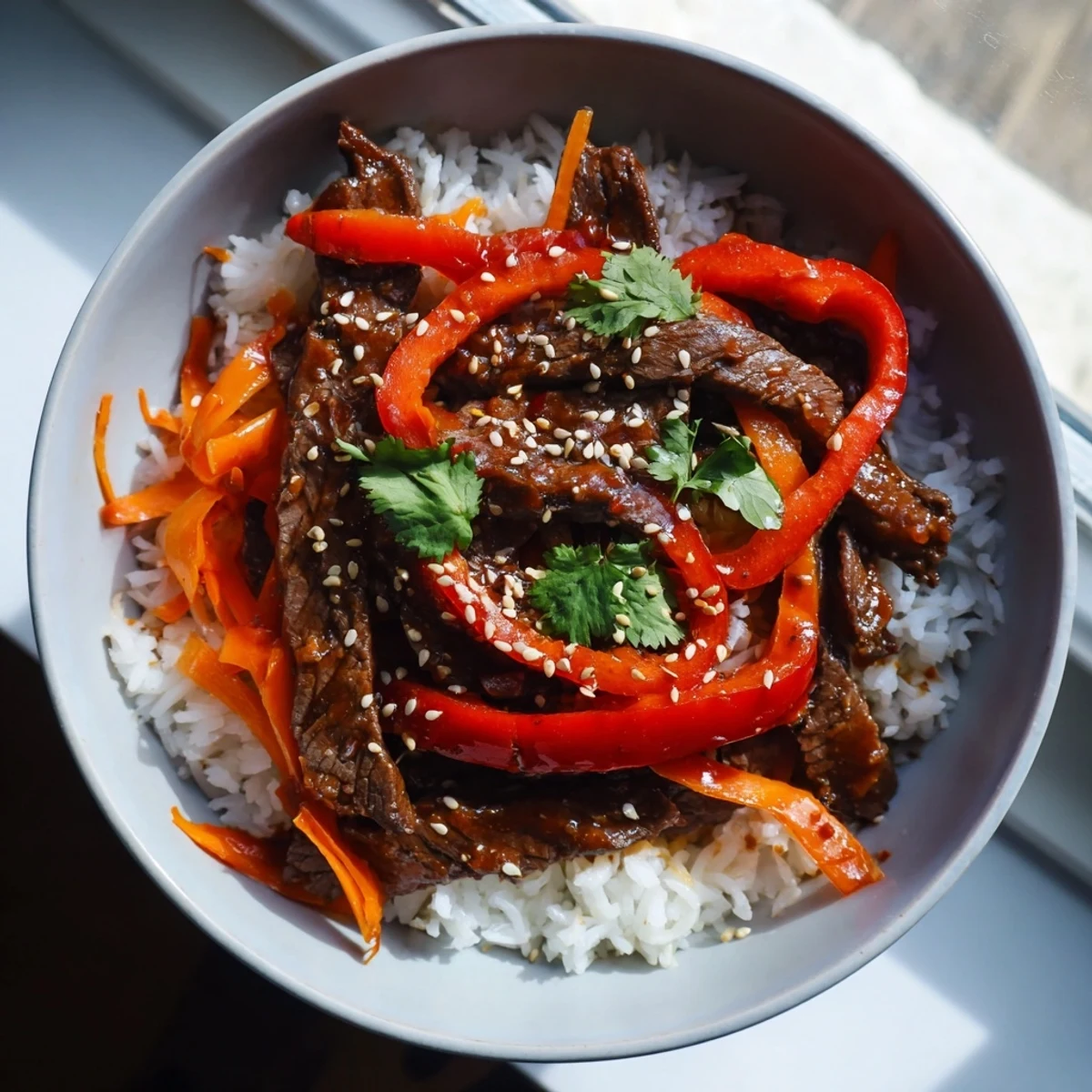
Save This vibrant dish features tender strips of beef coated in a flavorful spicy sauce, stir-fried alongside crisp bell pepper, snap peas, and carrots. Served over fragrant steamed rice, the combination balances heat and freshness with a hint of garlic and ginger giving depth. A quick and easy meal perfect for weeknights, garnished with toasted sesame seeds and fresh cilantro for added texture and aroma.
There was a Tuesday night when my partner came home craving something with serious heat, and I had a half-pound of flank steak and twenty minutes before hunger set in. I tossed the beef with cornstarch and soy sauce, fired up the wok, and the kitchen filled with this incredible savory-spicy cloud that made us both pause at the stove. What emerged was something so vibrant and satisfying that we've made it at least twice a month since—no fancy equipment, no complicated techniques, just bold flavors coming together in the time it takes to boil rice.
I'll never forget cooking this for my colleagues during a potluck, watching them go back for thirds and asking what restaurant I'd ordered from. The combination of that glossy spicy sauce clinging to tender beef, the snap of the vegetables, and the way it all mellows against the rice somehow felt more impressive than it had any right to be for something made in a borrowed office kitchen.
Ingredients
- Flank steak or sirloin (500 g / 1.1 lbs), thinly sliced: Thin slices are the game-changer here—they cook through in seconds and stay tender. Against the grain is the real move.
- Cornstarch (1 tbsp): This tiny amount creates a silky coating that helps the beef brown beautifully and thickens the sauce just enough.
- Soy sauce (total 4 tbsp across marinade and sauce): Use a good quality one if you can; it's the backbone of everything.
- Sriracha or chili-garlic sauce (2 tbsp): This brings the heat and body—adjust up or down depending on your spice tolerance and what brand you're using.
- Hoisin sauce (1 tbsp): Adds umami depth and a subtle sweetness that balances the spice.
- Brown sugar (1 tbsp): Just enough to round out the heat and make the sauce glossy without being cloying.
- Rice vinegar (2 tsp): A splash of acid that brightens everything and keeps it from feeling heavy.
- Garlic and ginger (2 cloves and 1 thumb-sized piece): Freshly minced and grated—don't skip the ginger, it adds a warmth that makes this dish feel alive.
- Sesame oil (1 tbsp): A small amount goes a long way; it rounds out the flavor with a toasted, nutty note.
- Red bell pepper, snap peas, carrot, and spring onions: These stay crisp because they barely kiss the heat—about 3 minutes is all they need.
- Jasmine or basmati rice (2 cups cooked): Choose whichever you love; jasmine's fragrant sweetness pairs beautifully with the bold sauce.
- Toasted sesame seeds and fresh cilantro: The finishing touches that make each bowl feel intentional.
Instructions
- Prep and marinate the beef:
- Toss your thin beef slices with 1 tbsp soy sauce and cornstarch, then let them sit for 10 minutes. This gives the beef a chance to absorb flavor and helps that cornstarch work its magic when it hits the heat.
- Build your spicy sauce:
- Whisk together soy sauce, sriracha, hoisin, brown sugar, rice vinegar, minced garlic, grated ginger, and sesame oil in a small bowl. Taste it—it should make your eyes water slightly and your mouth water immediately. If it feels too spicy, add a touch more brown sugar; if it feels flat, add a squeeze more vinegar.
- Sear the beef until golden:
- Heat your skillet or wok to high heat with a splash of oil until it's shimmering. Working in batches so you don't crowd the pan, sear the beef for 2–3 minutes until the edges are caramelized and the center is just cooked through. Remove and set aside.
- Quick-fry the vegetables:
- Add a bit more oil to the same skillet if needed and toss in the bell pepper, snap peas, and carrot. Stir-fry for 2–3 minutes—you're looking for them to soften just slightly while keeping their crunch. Listen for that sizzle; it means they're cooking, not steaming.
- Bring it all together:
- Return the beef to the skillet, pour in that spicy sauce, and toss everything over high heat for 1–2 minutes until the beef is recoated and everything is heated through. The sauce should cling to the beef in a glossy layer.
- Serve and finish:
- Divide steamed rice among bowls, top with the spicy beef and vegetables, then scatter spring onions, toasted sesame seeds, and cilantro on top. Serve immediately while everything's still hot and the vegetables are crisp.
 Save
Save My sister called me mid-meal one night to ask for the recipe, and I realized this bowl had quietly become the dish people ask for—not because it's fancy or restaurant-exclusive, but because it hits that perfect note of exciting and comforting all at once. It's the kind of meal that reminds you why you started cooking in the first place.
The Heat Question
Spice tolerance is deeply personal, and there's no shame in dialing it up or down. I've made this for people who eat ghost peppers for fun and people who think black pepper is pushing it, and the base recipe handles both beautifully. If you want to add more heat, fresh sliced chili or a pinch of chili flakes stirred into the sauce will do it without overwhelming the other flavors—start small and taste as you go, because heat is easy to add but impossible to take out.
Playing with Vegetables
The bell pepper, snap peas, and carrot in the base version are suggestions more than rules. Broccoli gets tender and almost sweet in high heat, bok choy adds a silky texture, mushrooms soak up that sauce like a sponge—pick whatever's in your fridge or at the market and you'll end up with something great. The one thing I'd keep consistent is cooking time; vegetables of similar thickness cook evenly, so if you're switching things out, aim for pieces that'll finish in about the same time.
Rice and Serving
Jasmine rice is my first choice because its subtle sweetness complements the spicy sauce, but basmati or even brown rice work beautifully too. The rice is your cooling element and your flavor anchor—it's not just a base, it's part of the experience. If you're short on time, instant rice is honest and fine; if you want to plan ahead, making rice in a cooker an hour before means it's ready exactly when you need it.
- A bowl of plain yogurt or sour cream on the side does wonders if the heat gets to be too much.
- Leftovers keep in the fridge for three days and actually taste better the next day when flavors have had time to meld.
- If you're cooking for someone new, let them know the heat level upfront so they can brace themselves or ask for adjustments.
 Save
Save This is one of those dishes that tastes like you spent the evening cooking but actually fits into a busy weeknight without fuss. Make it once, and I promise it becomes a regular in your rotation.
Questions & Answers
- → What cut of beef works best for this dish?
-
Flank steak or sirloin, thinly sliced, provide tender, flavorful strips that cook quickly and absorb the savory spicy sauce well.
- → How can I adjust the spiciness level?
-
Reduce or increase sriracha or chili-garlic sauce according to heat preference. Adding fresh sliced chili or chili flakes can boost spice further.
- → Can I substitute the vegetables?
-
Yes, broccoli, bok choy, or mushrooms make great alternatives or additions to maintain a crisp, fresh texture.
- → What rice is ideal for serving with this dish?
-
Fragrant jasmine or basmati rice complement the bold flavors and soak up the sauce nicely without overpowering the dish.
- → Is there a gluten-free option for the sauces?
-
Using tamari instead of soy sauce and confirming that hoisin and other sauces are gluten-free ensures the dish fits gluten-sensitive diets.