
 Save
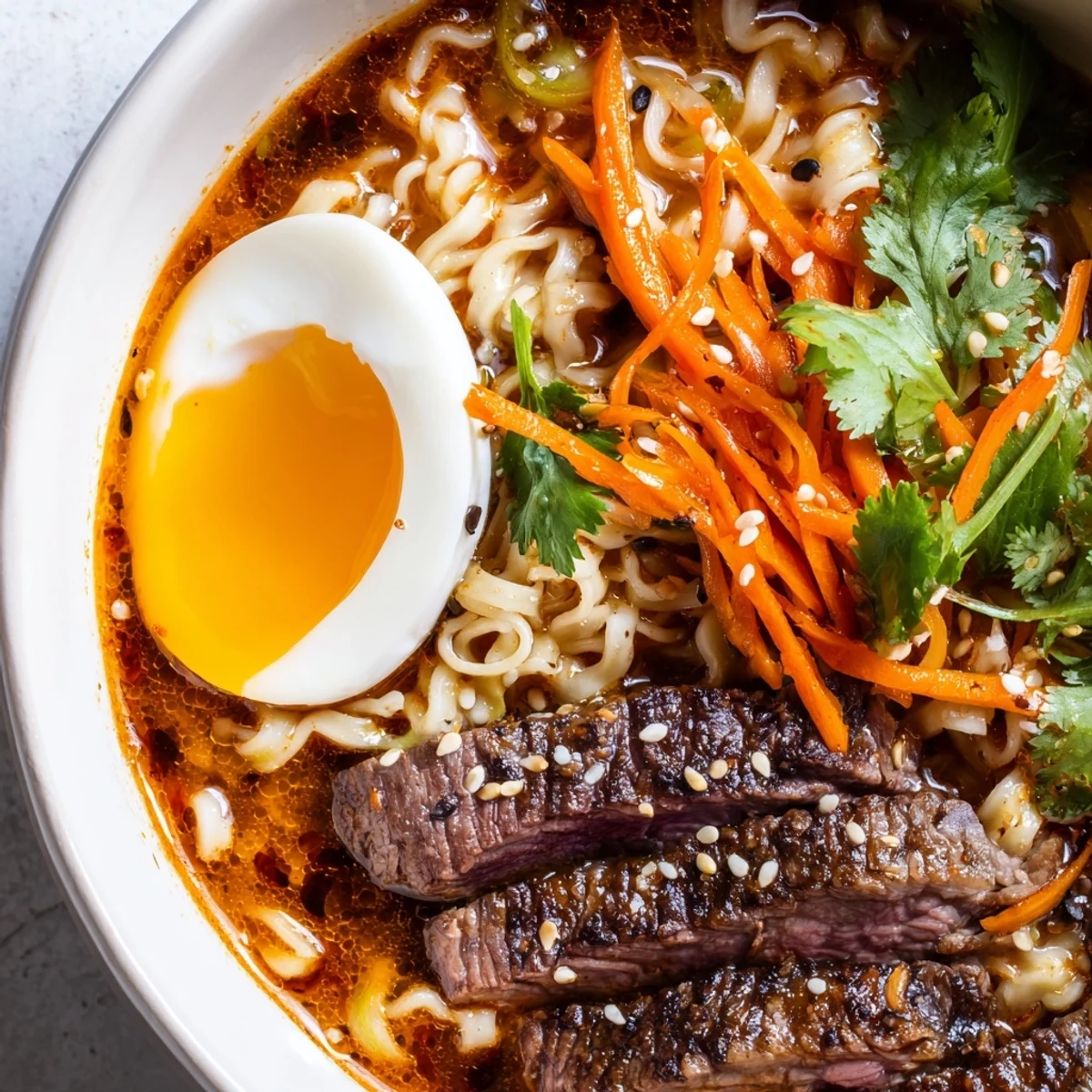
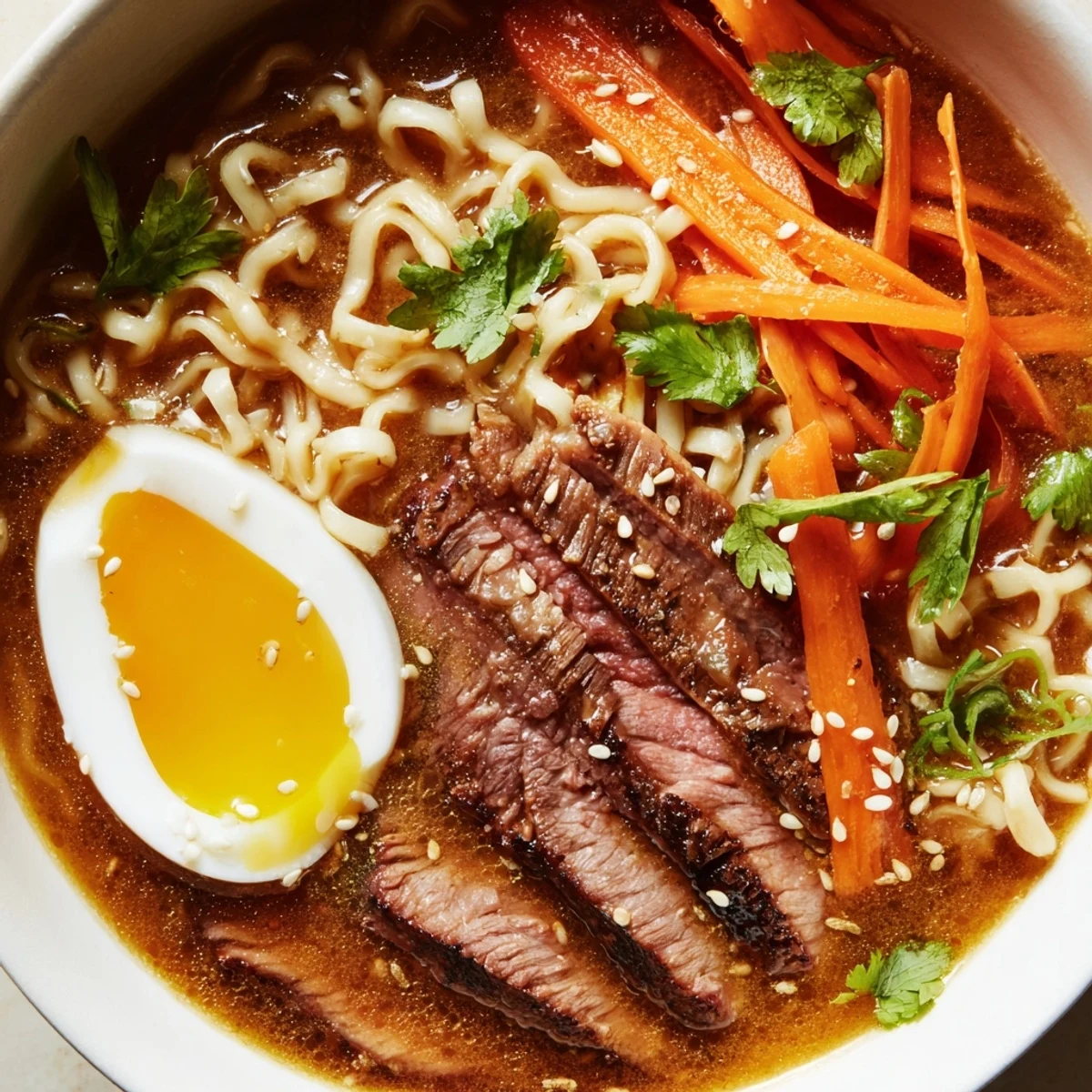
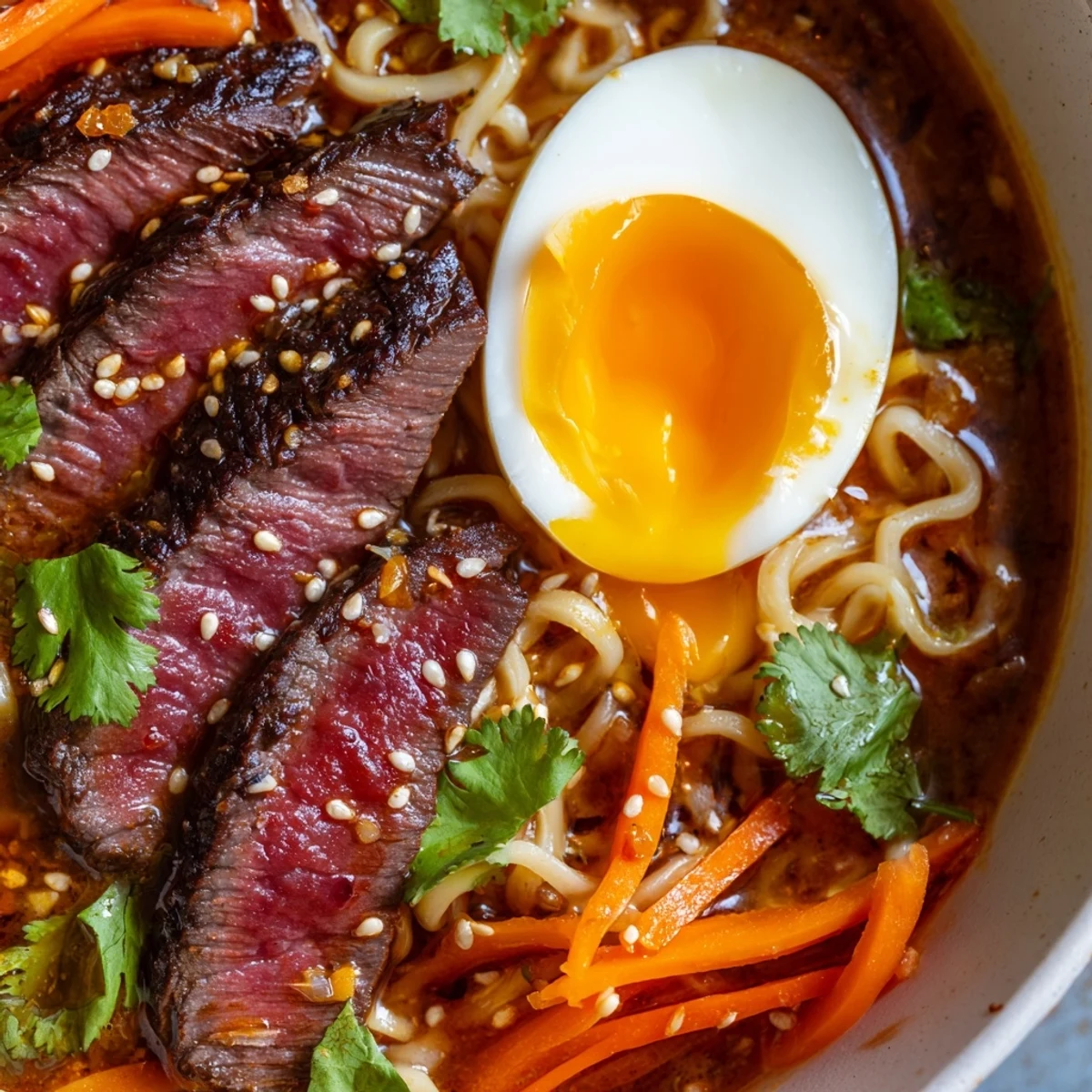
Save This comforting dish features thinly sliced beef marinated and quickly seared, combined with a spicy, flavorful broth infused with garlic, ginger, and chili paste. Fresh ramen noodles are topped with tender beef, halved soft-boiled eggs, shiitake mushrooms, and crisp vegetables like bok choy and carrots. Garnished with spring onions, toasted sesame seeds, and fresh coriander, it offers a harmonious balance of heat, texture, and richness. Preparation is quick, making it perfect for a satisfying meal anytime.
There's a particular Tuesday night I can't shake from my memory—I was standing in a tiny ramen bar in Tokyo, watching the chef move with such calm precision as he layered spice into broth, and I thought: I need to know how to do this at home. Years later, I've learned that the magic isn't in chasing restaurant perfection, but in understanding how each layer of flavor builds on the last. This recipe emerged from countless attempts, failed batches, and that one glorious evening when my friends went quiet mid-slurp and just kept eating.
I made this for my partner after they'd had a genuinely rough day, and I remember them sitting at the counter, shoulders softening as they worked through the first few bites. The spice didn't feel aggressive; it felt honest, like it was waking something up. That's when I understood this dish isn't just about flavor—it's about what happens when you put care into the details.
Ingredients
- Flank steak, thinly sliced: Beef is the anchor here, and thin slices mean it cooks in moments without becoming tough—look for meat with a bit of marbling because it'll stay tender in the heat.
- Soy sauce and miso paste: These two do the quiet work of building umami; don't skip either one because they're speaking different languages to your palate.
- Gochujang or sambal oelek: The chili paste is where the soul lives—it's the spice that feels warm and embracing rather than sharp and punishing.
- Fresh ramen noodles: If you can find them, use fresh over dried; they absorb the broth differently and have a texture that feels more alive.
- Soft-boiled eggs: These deserve their own moment of respect—the yolk should flow gently into the broth, adding richness and a visual moment of satisfaction.
- Shiitake mushrooms: They release an earthy sweetness into the broth that deepens everything around them.
- Bok choy and carrots: These vegetables bring brightness and textural contrast—don't overcook them or they'll disappear into the broth.
- Sesame seeds and fresh chili: Finish with these and you're adding the final notes that make someone take another breath and say yes.
Instructions
- Marinate the beef:
- Toss your thin slices with soy sauce, sesame oil, cornstarch, and pepper in a bowl and let them sit. This 10 minutes isn't optional—the cornstarch will catch and caramelize beautifully when it hits the heat, and you'll see the difference.
- Soft-boil the eggs:
- Boiling water, eggs in for 6 minutes, straight into ice water—timing matters because you want that yolk to move like lava when you cut into it. This is the moment you'll want to slow down and be precise.
- Build the broth foundation:
- Heat oil, soften your onion, then add garlic and ginger until your kitchen smells like something alive and urgent. This is the base layer, and spending an extra minute here makes everything richer.
- Layer in the depth:
- Chili paste and mushrooms next, then the soy, miso, mirin, and vinegar—each ingredient is adding a different note to the song. Pour in your beef broth and water, let it simmer gently while you keep tasting and adjusting.
- Sear the beef:
- High heat, quick motion—you're looking for the edges to brown but the inside to stay tender. This should take maybe 90 seconds per side if your pieces are thin; go longer and you'll lose the delicate texture.
- Finish the vegetables:
- Carrots and bok choy go into the simmering broth just long enough to become tender but not soft. Watch them—they'll go from crisp to perfect in what feels like a breath.
- Noodle moment:
- Cook them according to package directions but taste a minute before you think they're done; you want them on the edge of tender, ready to absorb the heat of the broth.
- Assemble with intention:
- Noodles in the bowl first, then ladle the broth over them so they wake up with warmth. Layer your beef, split eggs, vegetables, and all those finishing touches in a way that makes you want to slow down and eat this carefully.
- Final taste and serve:
- Before anyone eats, taste the broth one more time—this is your last chance to adjust heat or depth or brightness. Then ladle immediately into warm bowls and watch the steam rise.
 Save
Save There was an evening when my neighbor smelled this cooking and appeared at my door with a hopeful expression, and I just nodded toward the stove and handed them a bowl. We ate without talking much, just occasionally looking up at each other with this quiet understanding that sometimes food is the whole conversation. That's the feeling I chase every time I make this.
Balancing Heat and Depth
The magic of this broth isn't that it's aggressively spicy—it's that the heat plays with the umami and sweet notes from miso and mirin, creating something that feels complex rather than punishing. If you add all your chili paste at once, you'll lose the layering; if you build it gradually and taste as you go, you'll find the exact point where heat becomes flavor. I learned this the hard way by making too-hot broths that people politely ate but didn't crave again.
The Importance of Fresh Elements
Everything changes when you use fresh ramen noodles instead of dried—they're silkier and more responsive to heat, which means they hold their texture in the broth instead of becoming mushy. Same with the bok choy; young, fresh leaves won't turn to mush in just a few minutes. The chili and cilantro at the end should be vibrant and fresh-looking because they're not just garnish—they're the final breath of brightness that makes you want another spoonful before you've finished swallowing.
Making It Your Own
The skeleton of this recipe is solid enough to build on—I've swapped in chicken when someone didn't want beef, used crispy tofu for vegetarian versions, and once even threw in leftover rotisserie chicken when I was too tired to marinate fresh meat. The broth technique stays the same, which means you can play with proteins without losing the soul of the dish. What matters most is that you're tasting as you cook and adjusting for your own kitchen and your own preferences.
- Try toasted chili oil drizzled on top for a flavor that settles slower and deeper than fresh chili.
- Keep extra soft-boiled eggs in the fridge because they make everything better and only take a few minutes to prepare.
- Taste the broth before serving and trust your instinct on whether it needs more salt, more heat, or a splash of mirin for sweetness.
 Save
Save This recipe has become my answer to a lot of different questions—how do I show someone I care, how do I turn a rough day around, how do I feed people without losing my mind. That's the real magic of learning to make something well.
Questions & Answers
- → How do I achieve the soft-boiled egg's perfect texture?
-
Boil eggs for exactly 6 minutes, then immediately cool in ice water. This ensures a firm white and creamy yolk.
- → Can I substitute the beef with other proteins?
-
Yes, chicken, pork, or tofu work well as alternatives to flank steak for varied flavors and textures.
- → What adds the spicy flavor to the broth?
-
Chili paste such as gochujang or sambal oelek combined with garlic and ginger creates the bold, spicy depth.
- → How should ramen noodles be cooked for this dish?
-
Cook noodles according to package instructions until al dente, then drain to maintain their chewiness in the broth.
- → What garnishes enhance this bowl's flavor and presentation?
-
Spring onions, toasted sesame seeds, fresh coriander, and optional chili slices add freshness, crunch, and extra heat.