
 Save
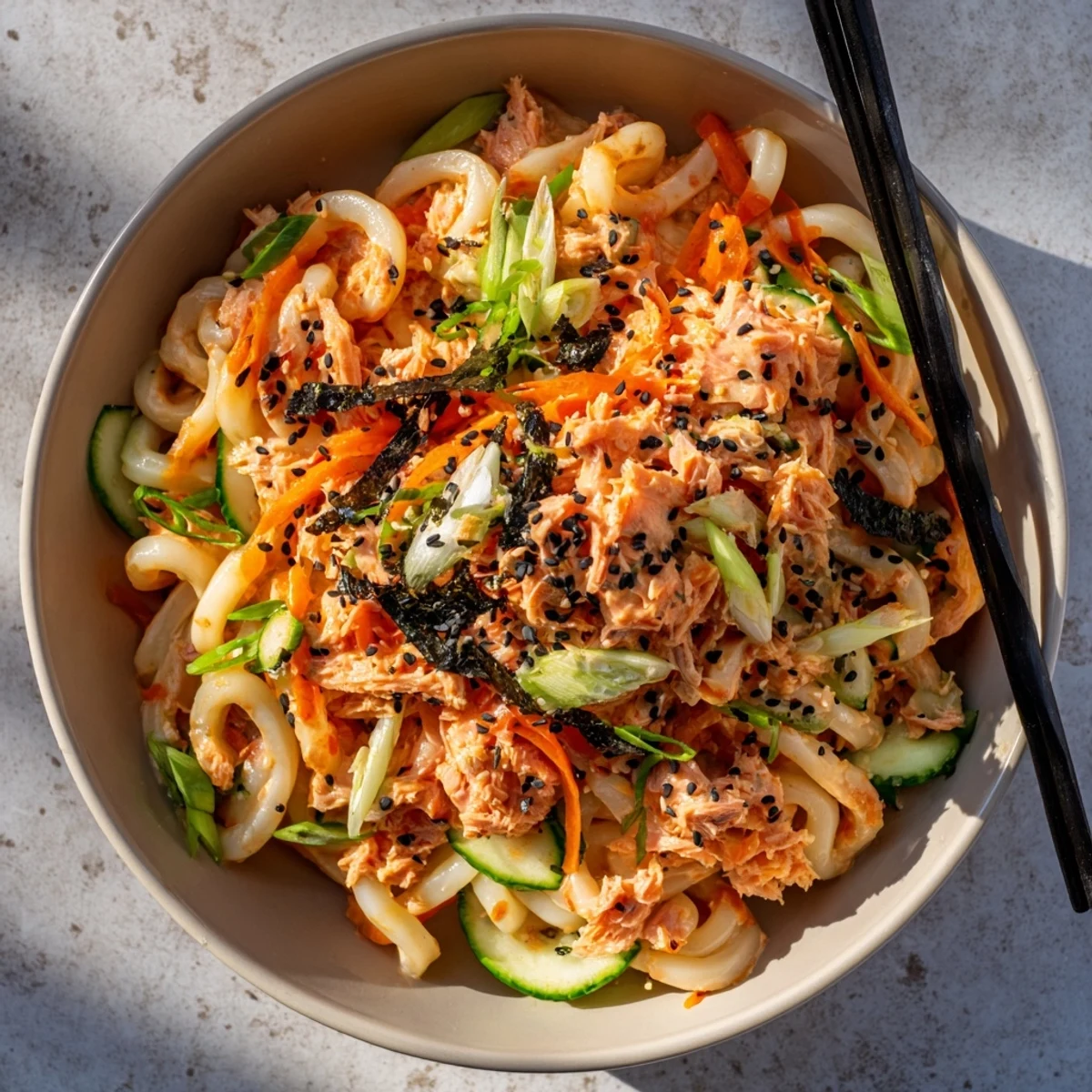
Save This vibrant bowl combines thick, chewy udon noodles with a spicy tuna sauce that delivers perfect heat. Fresh julienned carrots, crisp cucumber slices, and zesty spring onions add crunch and brightness, while toasted sesame seeds and nori bring authentic Japanese flavors. The creamy mayonnaise-based sauce balances Sriracha's fire with soy sauce's umami depth.
Ready in just 25 minutes, this dish serves two and works beautifully chilled or at room temperature. Adjust the Sriracha to your preferred spice level, or add fresh chili slices for extra kick. Top with a soft-boiled egg for more protein, or keep it light as is.
The exhaust fan above my stove was on its last legs the evening I threw together this dish for the first time, rattling like a small engine while I stood barefoot in the kitchen wondering what to do with a lonely can of tuna. Ten minutes later I was slurping noodles coated in a creamy, fiery sauce so good I actually laughed out loud. My cat stared at me from the doorway, clearly unimpressed, but I was too busy going back for seconds to care.
I made a double batch for my neighbor Ravi last summer when his air conditioning broke and we ended up eating cross-legged on his living room floor with the windows open, fans blowing, and a shared pot of green tea sweating onto the coffee table between us.
Ingredients
- 200 g fresh or frozen udon noodles: The thick, pillowy texture of udon is what makes this dish sing, so do not substitute thinner noodles if you can help it.
- 120 g canned tuna in water, drained: Water-packed tuna keeps the sauce from turning greasy, but leftover grilled tuna works beautifully too.
- 1/2 cup julienned carrot: Cut them as thin as you can manage because the crunch against the soft noodles is everything.
- 1/2 cup thinly sliced cucumber: Peel it if the skin is tough, otherwise leave it on for color and bite.
- 2 spring onions, sliced: The sharp green bite cuts through the richness of the sauce perfectly.
- 1 tablespoon pickled ginger, finely chopped: Totally optional but it adds a sweet tang that quietly lifts the whole bowl.
- 2 tablespoons mayonnaise, preferably Japanese Kewpie: Kewpie is richer and more tangy than standard mayo and worth seeking out for this.
- 1 tablespoon Sriracha: Start here and taste before adding more, you can always ramp up the heat but you cannot undo it.
- 1 tablespoon soy sauce: This is your salt and umami backbone, so use a brand you genuinely like.
- 1 teaspoon sesame oil: Just a teaspoon adds that toasty, nutty aroma that makes everything taste intentional.
- 1 teaspoon rice vinegar: A tiny hit of acidity balances the creamy sauce and keeps it from feeling heavy.
- 1/2 teaspoon sugar: Do not skip this, it rounds out the spice and vinegar like a quiet mediator.
- 1 tablespoon toasted sesame seeds: Toast them yourself in a dry pan for a minute and you will never go back to the untoasted kind.
- 1 sheet nori, torn into small pieces: Tear it right before serving so it stays crisp instead of wilting.
- Fresh chili slices: Entirely optional, for those who want the kind of heat that builds slowly.
Instructions
- Cook and cool the noodles:
- Boil the udon according to the package, usually two to three minutes for fresh, then drain and rinse under cold water until the noodles feel smooth and slippery in your hands. Shake off the excess water well because nobody wants a watery sauce.
- Build the spicy tuna sauce:
- Drop the drained tuna into a mixing bowl and add the mayonnaise, Sriracha, soy sauce, sesame oil, rice vinegar, and sugar. Stir with purpose until it looks like a cohesive, coral colored sauce rather than a lumpy mess.
- Fold in the vegetables:
- Add the carrot, cucumber, spring onions, and pickled ginger to the bowl and fold gently so the cucumber does not bruise. The colors should look bright and almost confetti like.
- Toss everything together:
- Add the cooled noodles to the bowl and use tongs or your hands to toss until every strand is glossy and coated. Taste a noodle right now and adjust the salt or heat if it needs it.
- Plate and garnish:
- Divide between two bowls and scatter the sesame seeds, torn nori, and fresh chili over the top while the noodles are still glistening. Serve immediately before the nori softens.
 Save
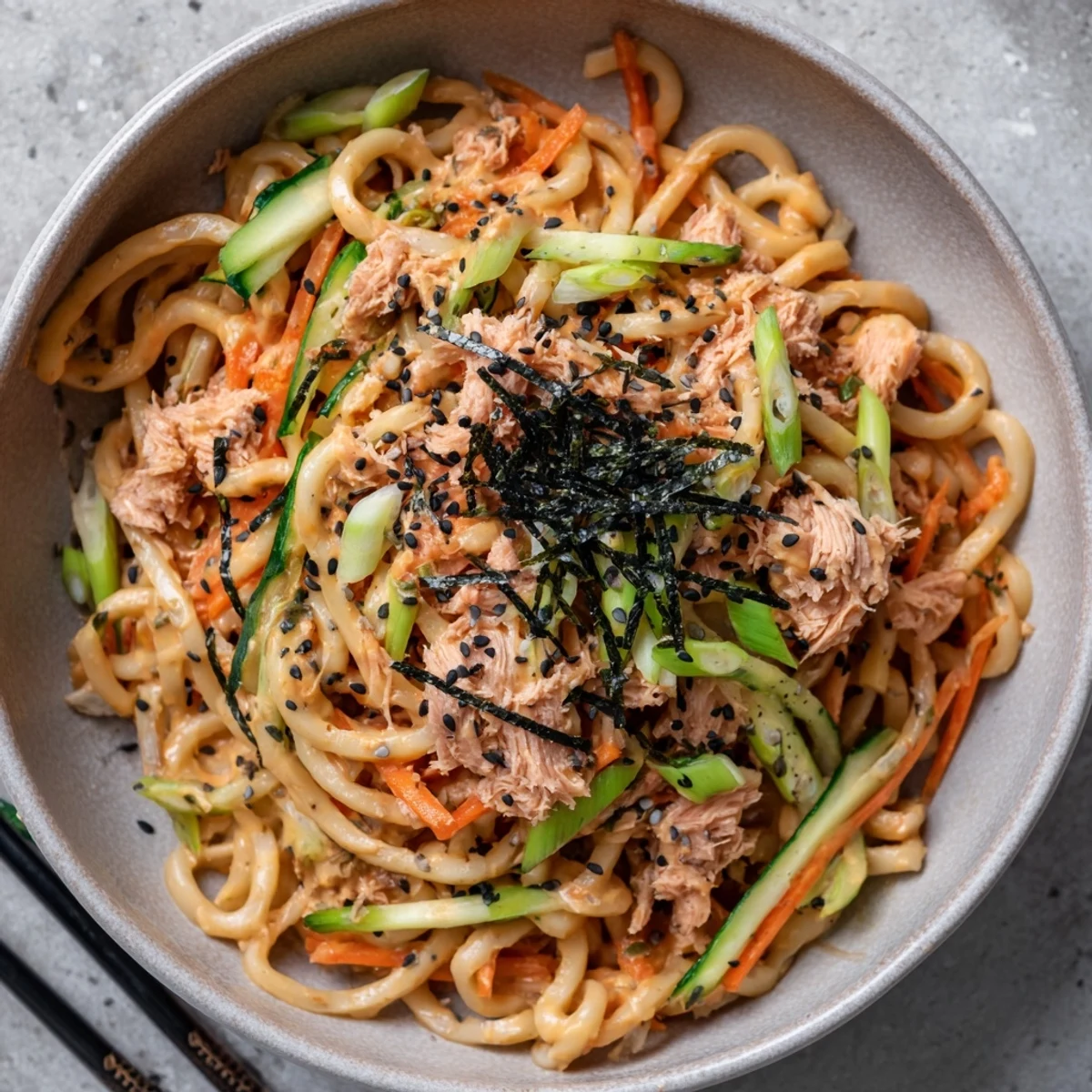
Save There is something about eating cold, spicy noodles from a deep bowl on a warm evening that makes the world feel briefly manageable and perfectly arranged.
When to Serve This
This is my go-to when the fridge looks empty but I refuse to order takeout again, and it has saved more weeknight dinners than I can count.
Swaps and Tweaks
Swap the mayonnaise for Greek yogurt if you want something lighter, or crack a soft boiled egg on top if you are hungry enough to make a meal of it.
What to Drink Alongside
A cold, dry sake or a crisp white wine cuts through the richness beautifully, and even an icy sparkling water with a squeeze of lime does the job on a Tuesday night.
- Chill your drink of choice while the noodles boil so everything comes together at once.
- If doubling the recipe, do not double the sesame oil, a little goes a long way.
- Remember this is best eaten right away because the leftovers lose their magic by the next day.
 Save
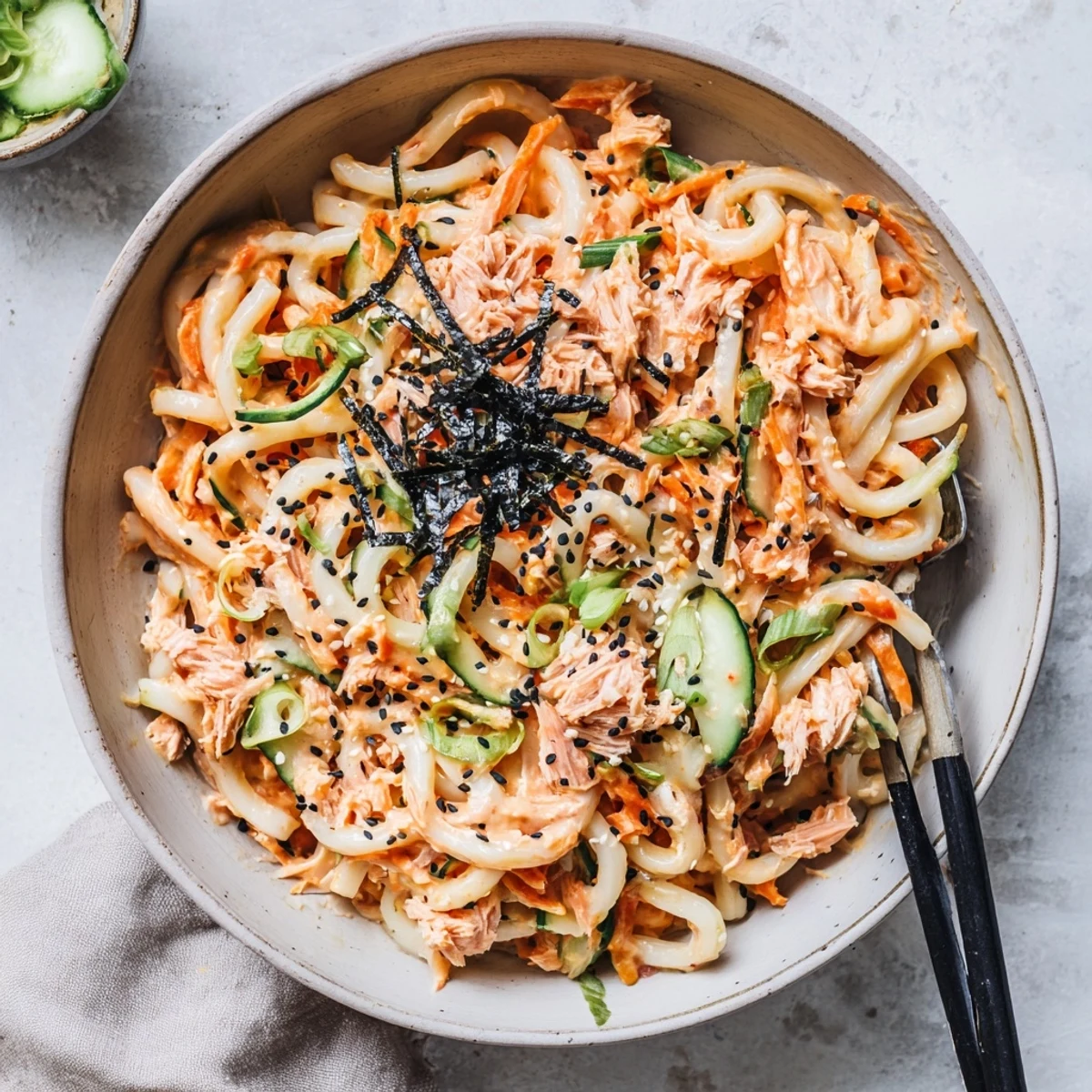
Save Keep a can of tuna and a package of udon in your pantry and you are never more than fifteen minutes away from something surprisingly wonderful.
Questions & Answers
- → Can I use fresh tuna instead of canned?
-
Absolutely. Grill or pan-sear fresh tuna, then flake it into the sauce. Canned tuna works perfectly well and keeps preparation quick.
- → How spicy is this dish?
-
The spice level is adjustable with Sriracha. One tablespoon provides moderate heat that most people enjoy. Increase for more fire or decrease for milder flavor.
- → Can I make this ahead?
-
Yes, this actually tastes great chilled. Prepare everything up to 4 hours ahead and refrigerate. The flavors meld beautifully as it sits.
- → What can I substitute for udon noodles?
-
Soba noodles, thick rice noodles, or even linguine work well. Just adjust cooking time according to package directions for your chosen noodles.
- → Is this served hot or cold?
-
Both ways work perfectly. Serve immediately while noodles are slightly warm, or chill completely for a refreshing cold noodle bowl on hot days.