
 Save
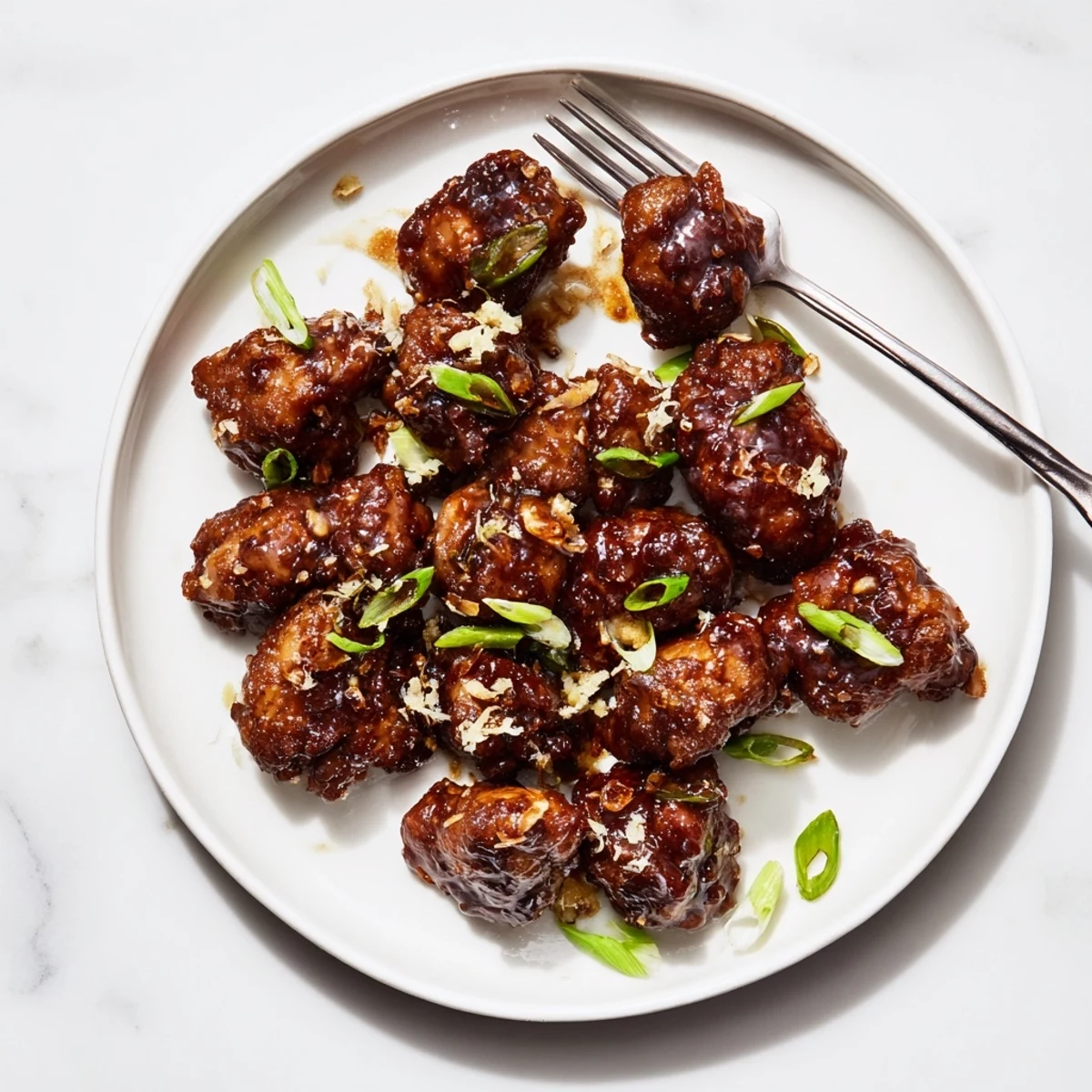
Save This Asian-inspired dish transforms tender chicken pieces with a rich, glossy coating that perfectly balances sweet and savory flavors. The sauce combines low-sodium soy sauce with brown sugar, creating that signature Mongolian-style glaze that clings beautifully to each bite of chicken.
Fresh garlic and ginger add aromatic depth while keeping the ingredient list simple and accessible. In just 25 minutes from start to finish, you'll have a restaurant-quality main dish that pairs perfectly with steamed rice or noodles.
The method is straightforward: brown the chicken, add aromatics, pour the sauce, and let it simmer until thickened and coating each piece. Optional garnishes like green onions add freshness and color to the final presentation.
The smell of soy sauce caramelizing with brown sugar takes me straight to a tiny takeout spot I used to frequent during college, where the owner would toss woks with such confidence that flames licked up toward the vent hood. I spent years trying to recreate that glossy, sticky chicken at home before realizing the magic was in simplicity. This seven ingredient version captures everything I loved about those takeout nights without the wait or the mystery ingredients.
My roommate walked in one evening while I was testing this recipe and immediately started setting the table without being asked. That plate of chicken over steamed rice disappeared in minutes, and now it shows up in our meal rotation at least twice a month. Even my nephew who claims to hate anything with sauce took three helpings at Sunday dinner.
Ingredients
- 1 lb boneless skinless chicken thighs or breasts: Thighs stay juicier but breasts work beautifully if that is what you have on hand.
- 1/2 cup low sodium soy sauce: The low sodium variety lets you control the salt level while building deep umami flavor.
- 1/3 cup brown sugar packed: Dark brown sugar adds molasses notes but light works fine too.
- 1/4 cup water: Helps the sugar dissolve and gives the sauce room to reduce properly.
- 4 cloves garlic minced: Fresh garlic makes a difference here so skip the jarred stuff if possible.
- 1 tablespoon fresh ginger grated: Freeze your ginger and microplane it straight from frozen for easy grating.
- 2 tablespoons vegetable oil: Any neutral oil works but avoid olive oil which burns at high heat.
- 2 green onions sliced optional: Adds a fresh bite and pretty color contrast at the end.
Instructions
- Mix the sauce:
- Whisk soy sauce, brown sugar, and water in a bowl until the sugar completely disappears into the liquid. Set it near the stove so you can grab it quickly when the moment comes.
- Sear the chicken:
- Get your oil shimmering hot in a large skillet or wok over medium high heat, then add the chicken in a single layer. Let it develop a golden crust before you start moving it around, about 4 to 5 minutes of patient cooking.
- Wake up the aromatics:
- Toss in the garlic and ginger, stirring constantly for about a minute until your kitchen smells incredible. Watch closely because garlic goes from perfect to burnt in seconds.
- Build the glaze:
- Pour in your sauce and stir to coat every piece of chicken in that beautiful amber liquid. Let it bubble and reduce for 6 to 8 minutes until it clings to the chicken like a shiny coat.
- Finish and serve:
- Pull the pan off the heat and scatter green onions on top if you are feeling fancy. Serve over fluffy rice or toss with noodles for a meal that feels like a treat.
 Save
Save I once made this for a potluck where I barely knew anyone, and by the end of the night three people had asked for the recipe. Food has this quiet way of turning strangers into friends when you share something made with care.
Getting That Perfect Glaze
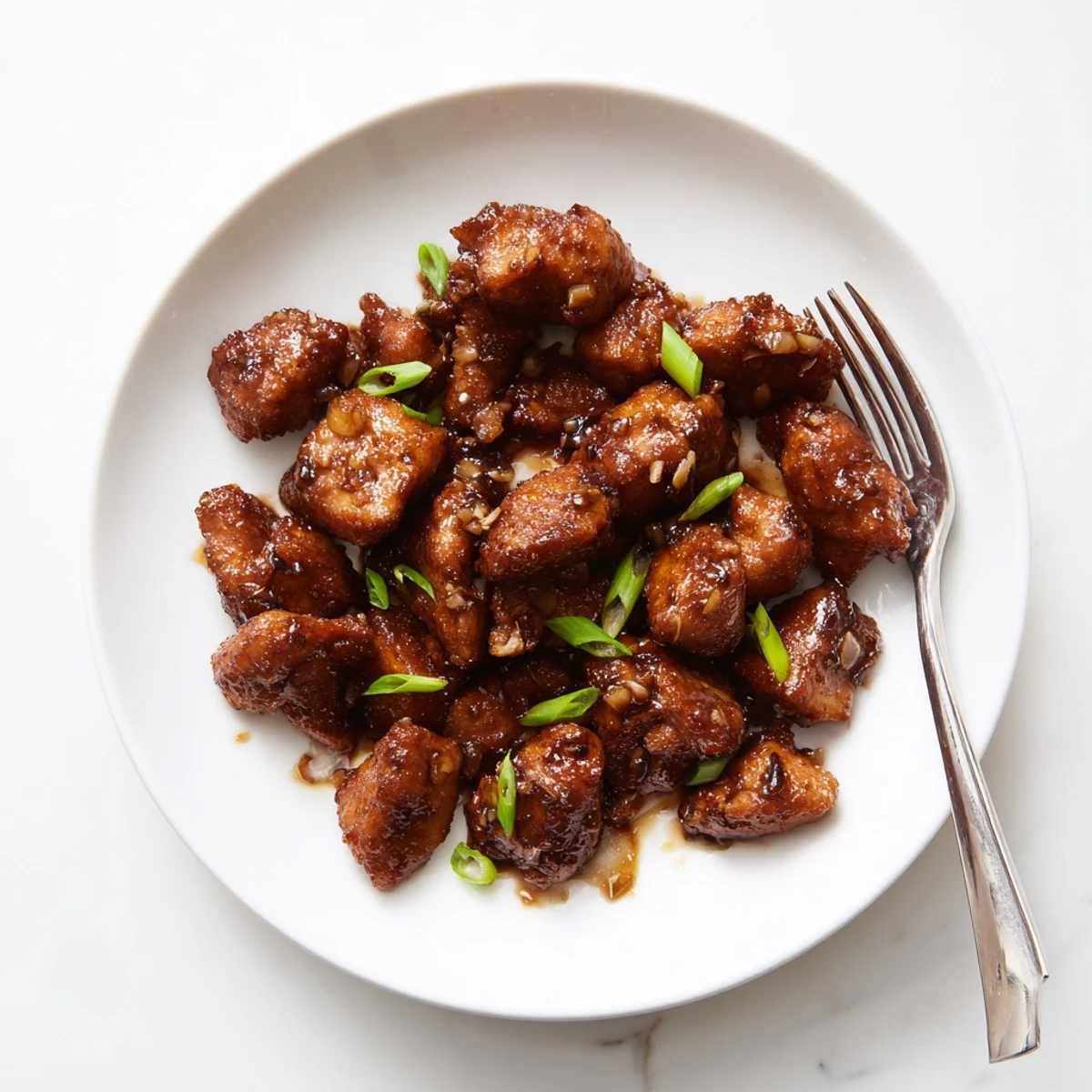
The transformation from thin liquid to sticky glaze happens in those final minutes of cooking, and watching it thicken is oddly satisfying. You want the sauce to coat the back of a spoon and leave a trail when you drag your finger through it. Take it off the heat slightly before you think it is done because it continues thickening as it cools.
Serving Ideas
Steamed white rice is the classic choice but cauliflower rice works surprisingly well if you are watching carbs. I have also tossed this chicken with lo mein noodles and added steamed broccoli for a complete one bowl meal. A side of quick pickled cucumbers cuts through the richness beautifully.
Storage and Reheating
Leftovers keep beautifully in the fridge for up to four days and actually taste better the next day when the flavors have had time to mingle. Reheat gently in a skillet with a splash of water to loosen the sauce back up. The chicken also makes an incredible filling for lettuce wraps or stuffed into a bowl with fresh vegetables.
- Freeze portions for up to three months for emergency dinners.
- Add a splash of water when reheating to bring the sauce back to life.
- Double the recipe because leftovers disappear fast.
 Save
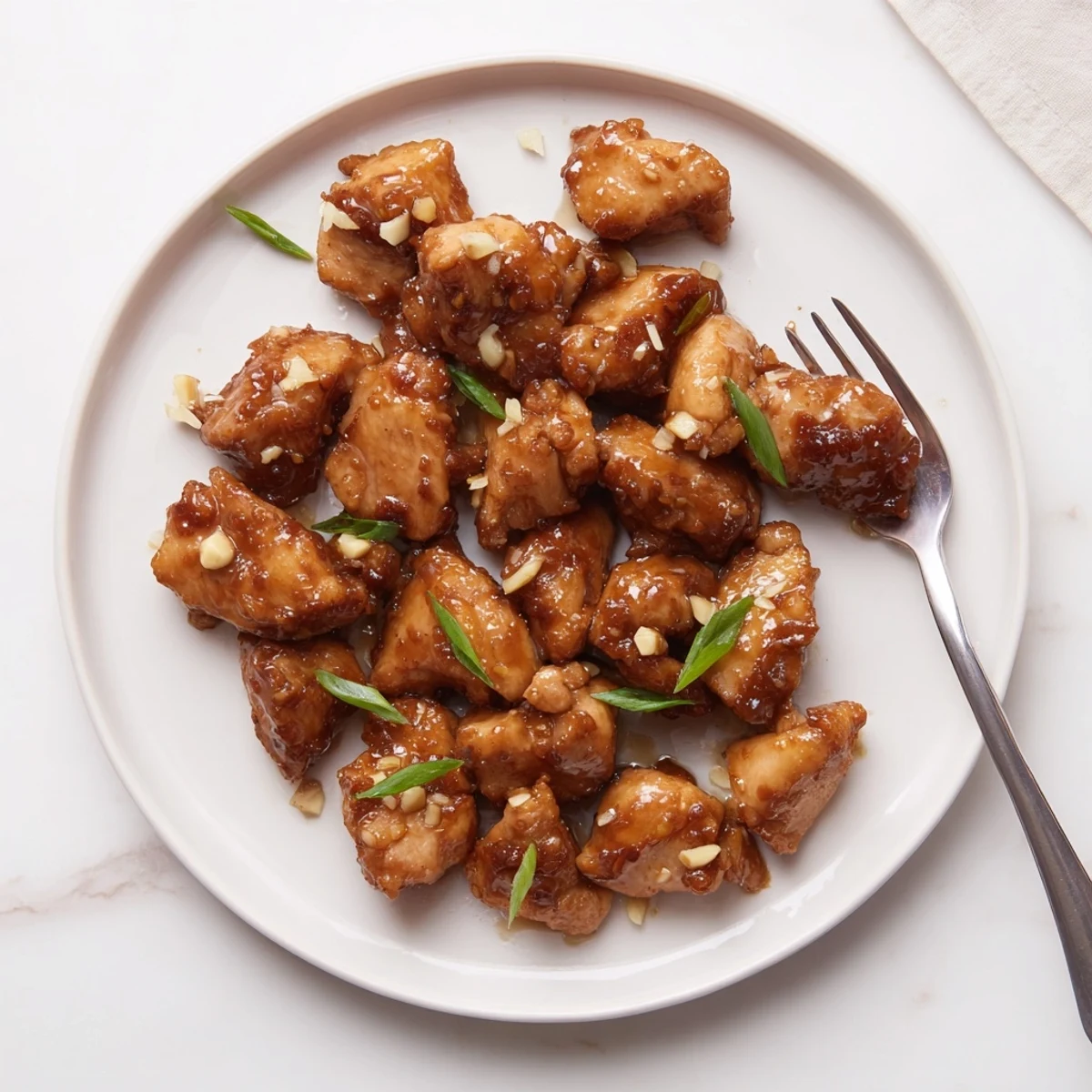
Save Once you master this technique, you will find yourself reaching for the soy sauce and brown sugar whenever takeout cravings strike. Your kitchen will smell amazing, and dinner will be on the table before you could have even decided what to order.
Questions & Answers
- → What makes this dish sweet and savory?
-
The combination of brown sugar and low-sodium soy sauce creates the perfect balance. The sugar provides caramelized sweetness while the soy sauce delivers deep umami flavors, resulting in that classic Mongolian-style glaze that's both rich and well-rounded.
- → Can I use chicken breasts instead of thighs?
-
Absolutely. Boneless, skinless chicken breasts work wonderfully in this dish. Just be mindful not to overcook them, as breasts can dry out faster than thighs. Cut into evenly sized pieces to ensure uniform cooking.
- → How do I make this gluten-free?
-
Simply substitute the soy sauce with coconut aminos or a certified gluten-free tamari. Double-check all other ingredients to ensure they meet your dietary requirements. The rest of the ingredients are naturally gluten-free.
- → What sides pair well with this chicken?
-
Steamed jasmine rice is the classic choice, soaking up that delicious sauce. Alternatively, serve over noodles or with steamed vegetables like bok choy and broccoli for a complete meal. The sauce complements mild sides perfectly.
- → Can I add vegetables to the dish?
-
Certainly. Bell peppers, snap peas, or broccoli can be added during the last few minutes of cooking. Just keep in mind that adding vegetables may slightly alter the sauce consistency and require a bit more liquid to maintain the proper coating.
- → How long will leftovers keep?
-
Store in an airtight container in the refrigerator for up to 3-4 days. Reheat gently in a skillet over medium heat, adding a splash of water if the sauce has thickened too much. The flavors often develop even more after sitting.